
Reviewed · KATONG AND PERANAKAN TOURS
Singapore: Peranakan Culture, Cuisine & Hidden Treasures
Singapore’s Peranakan culture comes alive in Katong and Joo Chiat, where pastel shophouses, family traditions, clothing, food, and Malay-Chinese history meet on ordinary city streets. This 150-minute walk takes you from Koon Seng Road to a private museum and ends with Nyonya snacks and tea at Kim Choo Kueh Chang.
I like the private museum visit, which gives the tour a more personal feel than a standard street walk. I also like the chance to sample rice dumplings and other snacks in the place that has served them since 1945. The main concern is value: at $113 per person, one recent participant found the pace slow and the food portion smaller than expected.
Key points at a glance
- Koon Seng Road photos: See some of Singapore’s best-known pastel shophouses, originally built in the 1920s.
- Private Peranakan museum: Learn about kebaya clothing, kerosang jewelry, and beaded shoes inside a former Peranakan home.
- Katong and Joo Chiat context: Hear how the sea, wealthy families, Peranakan residents, and post-war change shaped the district.
- Kim Choo Kueh Chang stop: Try chewy rice dumplings and other Nyonya snacks with Peranakan-style tea.
- Food culture: Get an introduction to laksa, the spicy coconut broth linked to Malay-Chinese culinary traditions.
- Practical warning: Expect plenty of walking, outdoor heat, and a tour that only runs with at least four participants.
Why Katong and Joo Chiat are worth your time
If you have already seen Singapore’s grand civic buildings and polished shopping districts, Katong and Joo Chiat offer a different view of the city. The appeal here is not one enormous sight. It is the way architecture, food, family businesses, and cultural memory sit together along the streets.
The Peranakan people are descendants of Chinese communities who developed a distinct culture in Southeast Asia. In Singapore, that culture appears in home design, clothing, wedding customs, food, and language. This tour gives you a short introduction to those parts without asking you to spend half a day inside a museum.
I find the neighborhood format useful because you see the culture in place. The shophouses are not just museum displays. They are part of a living district with cafes, shops, and older family businesses. At the same time, you should keep your expectations in check. This is a guided introduction, not a full academic study of Peranakan history.
The tour starts outside Cold Storage at 291 Joo Chiat Road. Hotel pickup is not included, so you need to make your own way there. It finishes at i12 Katong, which makes the route fairly easy to combine with more time in the area afterward.
More Katong and Peranakan days:
- Singapore Food & Bike Tour – Katong
★ 5.0 · 289 reviews - Eat Snap Katong Walking Food Tour
★ 5.0 · 174 reviews - Katong Evening Food Tour
★ 4.5 · 41 reviews
Koon Seng Road and its pastel shophouses
The first major stop is Koon Seng Road, with about 30 minutes of guided touring. This is the part of the experience most likely to fill your camera quickly.
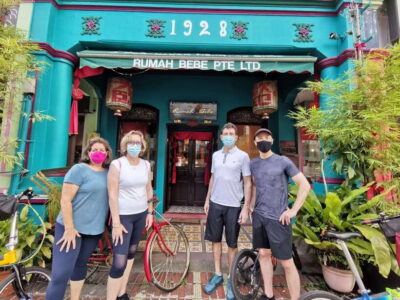
The row of colorful shophouses was built in the 1920s and is known for its pastel facades and decorative details. These buildings were once homes and businesses for a mixed community that included Peranakan Chinese families. Today, they attract photographers from around the world, but the guide’s job is to give the buildings some context beyond their pretty fronts.
You will have time to look closely at the colors and architecture, and the guide can explain how these houses fit into the older character of Joo Chiat. Bring your camera, but do not treat this as a quick photo stop only. The value comes from learning why the street looks this way and how it relates to the people who lived there.
The stop is outdoors, so Singapore’s heat matters. Wear light clothing, use sunscreen, and bring water. Comfortable shoes are more important than stylish ones, since the tour involves walking between several points.
Inside a former Peranakan home
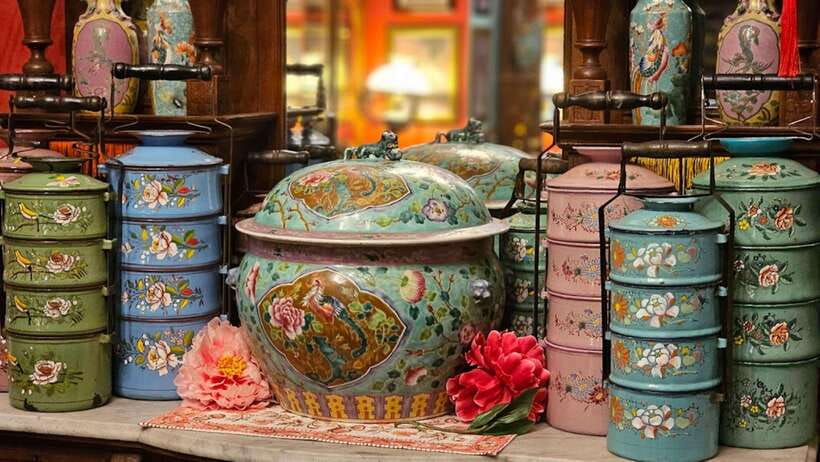
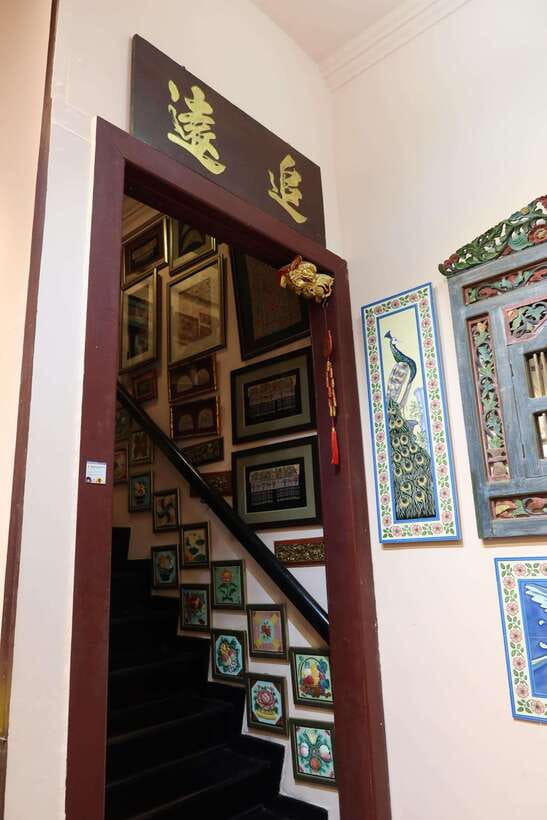
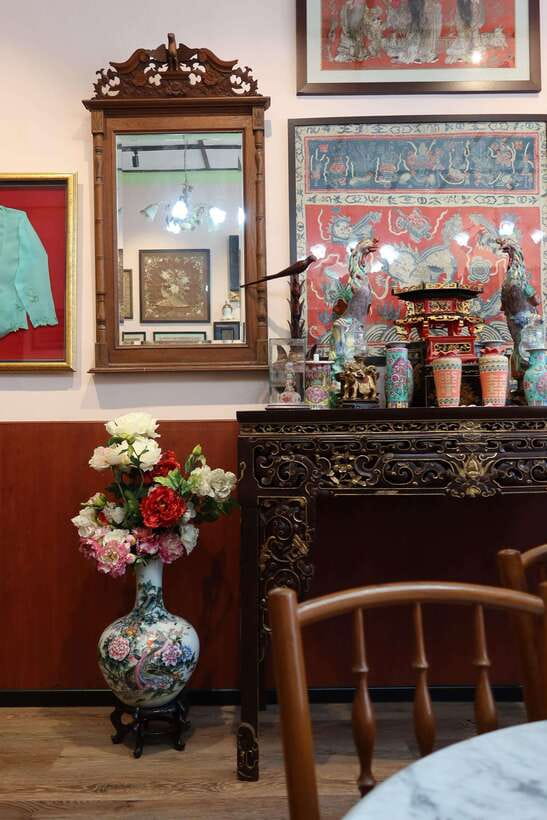
One of the strongest parts of the route is the visit to a private Peranakan museum. The museum occupies an original Peranakan home, giving the objects a domestic setting rather than a large institutional one.
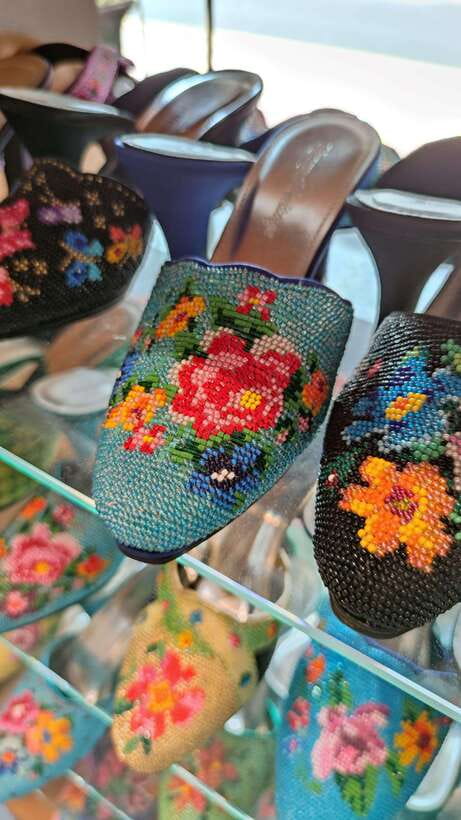
The focus includes material culture, especially the items that help explain Peranakan identity. You will be introduced to the kebaya, a traditional blouse associated with Peranakan women, along with kerosang, decorative brooches used to fasten the garment. Beaded shoes are also part of the display.
These details matter because clothing can show how a community expressed status, taste, family background, and links to different cultures. A museum room full of objects can feel dry if nobody explains how they were used. Here, the private-home setting should help connect the objects to everyday life.
The time allocated to this part is about 45 minutes. That is long enough for a focused visit, though the depth will depend heavily on the guide and the size of the group. Stefan, one guide associated with the experience, was praised for explaining cultural and historical details at length. An audio earpiece was also useful during the tour, especially if the guide is speaking while the group is spread out.
Guide quality is important here. A good explanation can turn a brooch or pair of shoes into a window on family life. A slow or unfocused explanation can make 45 minutes feel longer than it should.
Katong’s sea connection and Joo Chiat’s changing character
The walk continues through Katong and Joo Chiat, with about 30 minutes set aside for Joo Chiat Road. This section connects the buildings and food to the district’s wider story.
You will hear about the association between Katong and the sea, as well as how the area became a place for wealthy residents and Peranakan families. The neighborhood later changed after the war, and its present identity includes old shophouses, cafes, and a younger creative crowd.
That mix is useful to understand. Joo Chiat is not a preserved stage set. It has changed over time, and the tour tries to show both the older Peranakan character and the newer businesses that now occupy the district.
I would pay attention to how the guide explains change. It is easy to admire old facades without asking who lived there, why the area prospered, and what happened after the war. The tour is at its best when it links the architecture to those social shifts.
The drawback is that the route may feel light on major sights if you want a fast-moving sightseeing tour. You are walking through streets, pausing for explanations, and looking at details. That suits visitors who enjoy local context. It may frustrate you if you prefer a packed schedule of famous attractions.
More offbeat corners of Singapore:
- Private Singapore Tour with a Local, Highlights & Hidden Gems 100% Personalised
★ 5.0 · 475 reviews - Singapore PRIVATE TOUR: Highlights & Hidden Gems by CAR or Foot
★ 5.0 · 227 reviews - Disappearing Trades
★ 4.5 · 126 reviews - Private Singapore Walking Tour: City Highlights & Hidden Gems
★ 5.0 · 84 reviews
Kim Choo Kueh Chang and the Nyonya tea stop
The final main stop is the Singapore Visitor Centre at Kim Choo Kueh Chang, with about 45 minutes for food tasting. This is where the cultural story becomes edible.
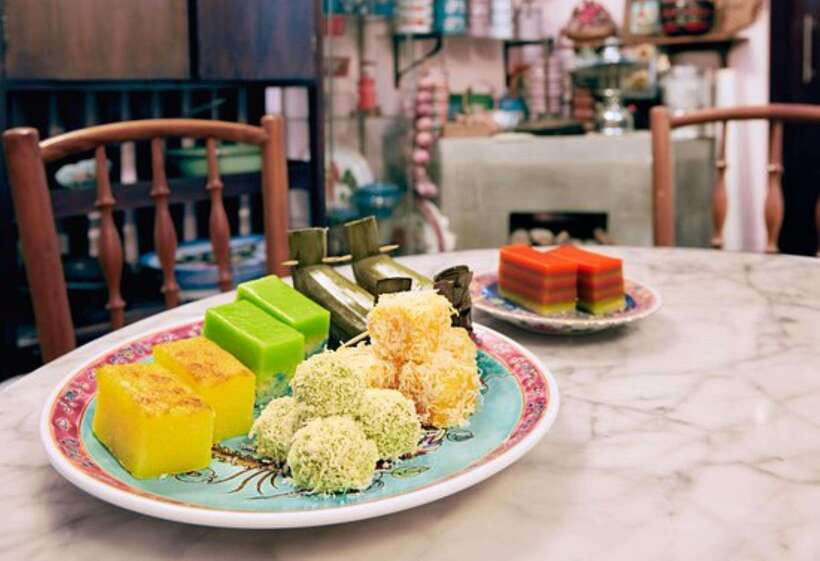
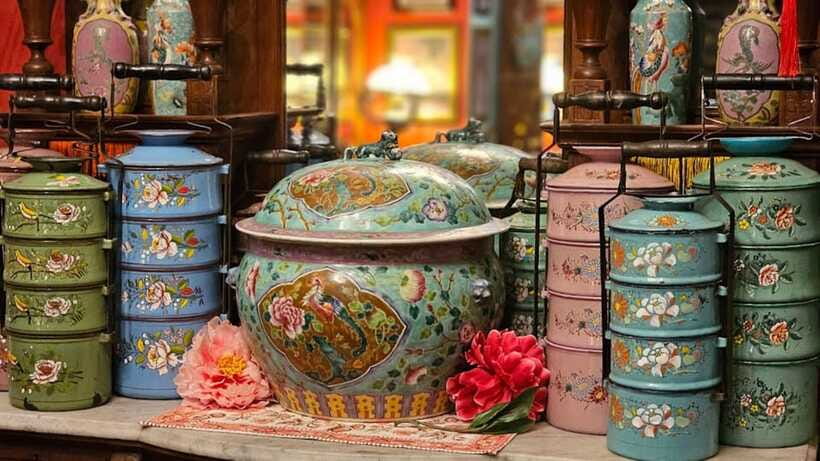
Kim Choo Kueh Chang has served chewy rice dumplings since 1945. These dumplings are a staple of Peranakan food culture, and tasting one gives you a direct connection to the traditions discussed during the walk. You will also sample other Nyonya snacks during a Peranakan-themed tea session.
The stop is not presented as a full meal. That distinction matters. One recent participant expected more food for the price and found the serving to be only three small snacks. If you arrive hungry, plan for this to be a tasting rather than lunch.
You will also be introduced to laksa, a spicy coconut broth that reflects the blend of Malay and Chinese food traditions associated with Peranakan culture. The information provided does not promise a full bowl of laksa, so do not book this specifically as a laksa meal. Think of it as an introduction to the dish and its place in the culture.
Kim Choo Kueh Chang also sells batik fabrics. If you want a physical reminder of the visit, you can look at the fabric selection after the tasting. The tour includes food sampling, but purchases and any larger meal are your own responsibility.
Is $113 a fair price?
At $113 per person, this is a fairly costly two-and-a-half-hour walking tour. The price covers a live English-speaking guide, entry to a private museum, and the tea session with Nyonya snacks. It does not cover hotel transport or a full meal.
The museum access is the feature that helps explain the price. A private collection inside an original Peranakan home is more specific than simply walking past the shophouses. If the guide gives strong cultural explanations and the group stays engaged, the experience can feel worthwhile for a first introduction.
Still, you should compare the cost with your own priorities. If you mainly want photos of Koon Seng Road, you can see the street without booking a tour. If you want a large food experience, this is also unlikely to satisfy you. The value depends on how much you want interpretation, museum access, and a guided connection between buildings, clothing, and food.
The current rating is 3.9 from three reviews, so I would not treat the score as a firm prediction of your experience. One participant gave full marks and specifically liked Stefan’s detailed explanations and the audio earpiece. Another felt the guide moved too slowly, spent time at an unrelated modern art shop, and provided too little food for the price.
That criticism points to the central risk: the tour needs a focused guide to justify its cost. Before booking, I would ask whether the modern art shop remains part of the route, since it was not among the main cultural stops described for the experience.
Who will enjoy this walking tour?
I would recommend it most to you if you want a short, guided introduction to Peranakan culture and prefer local streets over a large general museum. It suits first-time visitors to Katong and Joo Chiat who want help reading the architecture and understanding the links between history, clothing, and food.
It can also work well for families, since the activity is listed as suitable for all ages. The route offers visual variety, a museum visit, and small food tastings rather than one long lecture. Children may find the colorful buildings and snacks more engaging than a traditional history talk.
Food-focused visitors should book with realistic expectations. You get Nyonya snacks and tea, plus an introduction to laksa, but this is not a culinary class or a full food crawl. You will likely want to eat again afterward.
Photography fans will enjoy the Koon Seng Road stop, but the tour is not only about taking pictures. You need to listen to the explanations to get the full benefit.
This is not suitable for wheelchair users, according to the activity information. The amount of walking also makes it a poor choice if you need a low-effort outing. Bring a hat, water, sunscreen, and shoes made for walking on hot streets.
Timing, group size, and practical planning
The tour lasts 150 minutes, but the walking and outdoor portions can make it feel more demanding than the number suggests. The route includes Koon Seng Road, a private museum, Joo Chiat Road, and the food stop, so allow extra time if you plan to continue exploring after the finish at i12 Katong.
The tour only runs with a minimum of four participants. That condition can affect whether your preferred date proceeds, so check availability before arranging the rest of your day.
The guide speaks English. An audio earpiece was praised by Timothy, who found it helpful while Stefan explained the cultural and historical points. Equipment may vary by guide or group, but the comment suggests that hearing the guide should not be a major problem when the system is in use.
You can cancel up to 24 hours before the start for a full refund, and the reserve-now, pay-later option gives you some flexibility. Those policies are useful if your Singapore plans are still shifting, but they do not change the basic value question: you are paying for guided interpretation and private access, not a large meal or hotel transfer.
Should you book Singapore’s Peranakan culture tour?
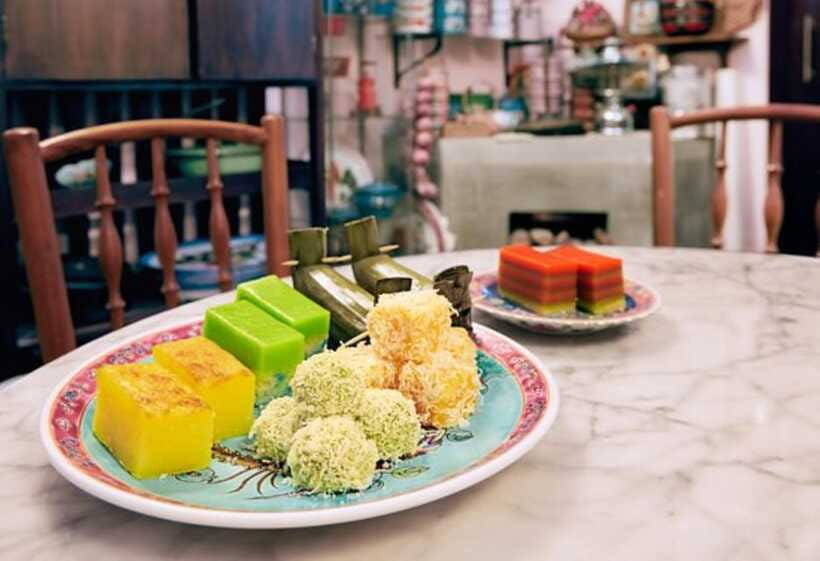
Book this experience if you want a compact introduction to Peranakan life with a private museum, photogenic shophouses, and a small taste of Nyonya food. I especially like the combination of Koon Seng Road and the former Peranakan home, since one shows the neighborhood from the outside and the other explains its objects from within.
Think twice if you expect a generous food tour, a fast pace, or a packed list of major attractions. At $113, the guide’s performance matters a great deal. A focused guide such as Stefan can make the history and objects memorable, while a slow route or unrelated stop can leave the price feeling hard to defend.
For the right visitor, this is a useful cultural primer. Go for the neighborhood story and private museum access. Treat the snacks as a tasting, not lunch, and you will have a clearer idea of what you are buying.
FAQ
Where does the tour start?
The tour starts outside Cold Storage at 291 Joo Chiat Road.
Where does the tour finish?
The tour finishes at i12 Katong.
How long does the experience last?
The tour lasts 150 minutes, or two and a half hours.
What language is the tour conducted in?
The live tour guide speaks English.
Is food included?
Yes. The experience includes a Peranakan-themed tea session with Nyonya snacks, including a tasting connected with Kim Choo Kueh Chang. It also introduces you to laksa.
Is hotel pickup included?
No. Hotel pickup and drop-off are not included.
Is the tour suitable for wheelchair users?
No. The experience is not suitable for wheelchair users. Comfortable walking shoes are recommended because there is a fair amount of walking.
Recently added around Singapore
- The Real Singapore Heartland Walking Food Tour★ 5.0 · 4 reviews
- Vegetarian Culinary Adventure in Singapore★ 5.0 · 7 reviews
- Singapore’s Marina Bay Wonders and Heritage Tales, Chinatown★ 5.0 · 5 reviews
- Singapore’s Hidden Treasures: A Cultural Private Tour★ 5.0 · 3 reviews
- Private Tour Singapore Street Food & Night Tour★ 5.0 · 4 reviews
- Singapore – Albatross Speedboat Adventures Cruising in Sentosa★ 5.0 · 3 reviews
- Small Group Full Day Singapore City Tour with Roundtrip Transfers★ 4.0 · 11 reviews
- Tastes of Chinatown★ 5.0 · 4 reviews
Katong and Peranakan Tours, compared.
Singapore: Katong Local Food and City Highlights Tour
Read our review →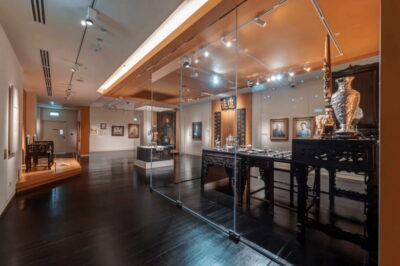
Best Ever Katong Food Tour with Local Foodie – PRIVATE TOUR
Read our review →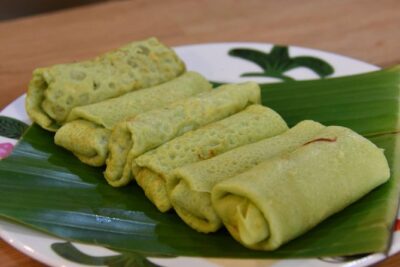
Peranakan Cooking Class in Singapore, near Lavender MRT Station
Read our review →Browse the lists this tour appears in