
Reviewed · KATONG AND PERANAKAN TOURS
Singapore: Peranakan Museum Admission Ticket
The Peranakan Museum gives you a close look at one of Southeast Asia’s most distinctive cultures through clothing, furniture, jewelry, family objects, and ritual displays. The collection shows how Chinese, Malay, and colonial influences came together in daily life, with plenty of fine detail to reward a slow visit.
I like the three-floor thematic layout, which makes it easier to follow ideas such as weddings, home life, and family traditions. I also like the $6 price, a modest cost for a full day of access to a major cultural collection. The main point to remember is that the ticket covers the permanent galleries only, not the Special Exhibitions Gallery.
Key points
- Three floors of Peranakan culture: Follow displays on weddings, homes, family life, craft, and identity.
- Fine handwork on close view: See beaded slippers, ornate jewelry, lavish wedding clothing, and decorated furniture.
- Personal stories add meaning: Recorded demonstrations and community accounts connect objects with real lives.
- Interactive displays suit curious visitors: The museum offers more than glass cases and labels.
- Flexible one-day admission: Visit during opening hours and take your time rather than rushing through.
- Special exhibitions cost extra: The standard ticket does not include the Special Exhibitions Gallery.
A closer look at Peranakan life in Singapore
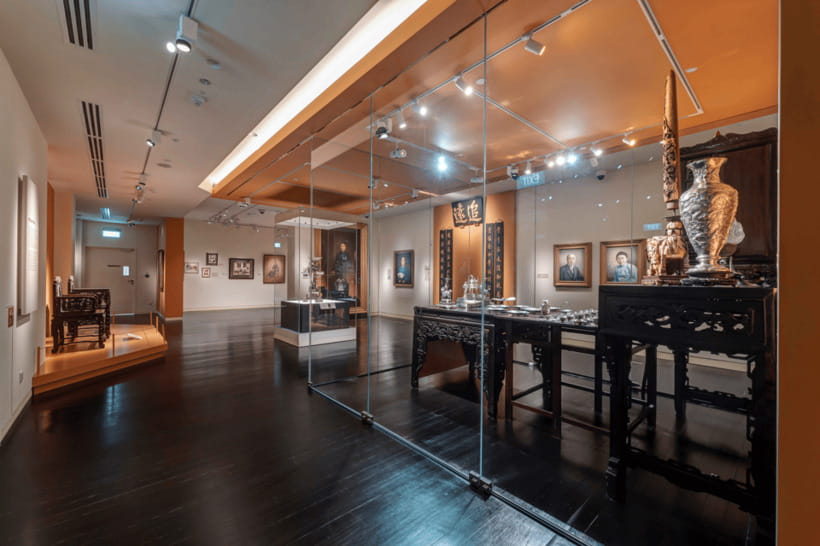
The Peranakan Museum is a good place to begin if you want to understand Singapore beyond its modern skyline and shopping districts. Peranakan communities developed across Southeast Asia, and the museum presents their culture through objects that sit between familiar categories.
You will see Chinese influences alongside Malay customs and colonial-era styles. That combination appears in clothing, decorative arts, household furniture, wedding practices, and family traditions. The result is not a simple blend with neat borders. It is a culture shaped by place, trade, marriage, religion, and generations of family life.
I find the objects most useful when they are treated as clues rather than decoration. A pair of beaded slippers can tell you about patience, skill, fashion, and social expectations. A wedding garment can point to ritual and family status. Furniture can show how a home was arranged and how the household presented itself to visitors.
This makes the museum a better choice for people who enjoy context along with pretty things. You can admire the workmanship, then consider why each object mattered.
More Katong and Peranakan days:
- Singapore Food & Bike Tour – Katong
★ 5.0 · 289 reviews - Eat Snap Katong Walking Food Tour
★ 5.0 · 174 reviews - Katong Evening Food Tour
★ 4.5 · 41 reviews
Three floors arranged around themes
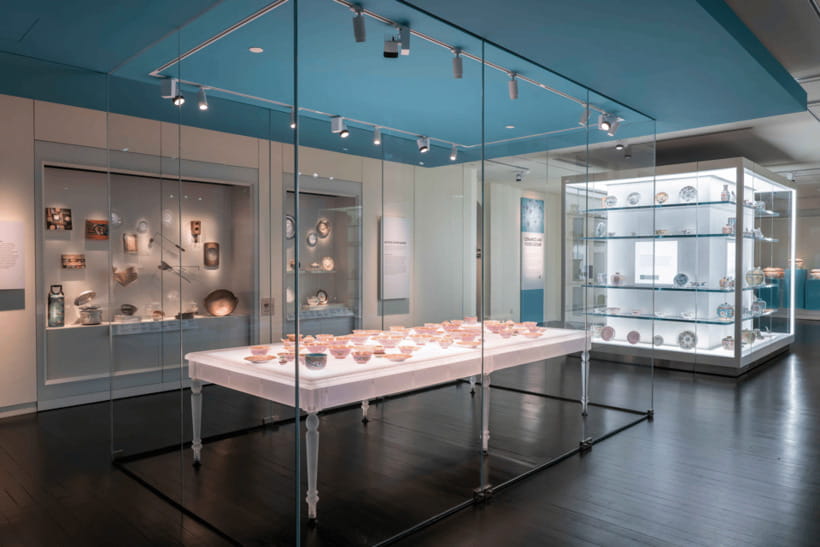
The galleries are organized around major parts of Peranakan identity instead of presenting one long line of unrelated objects. That structure helps you keep track of the story as you move through the building.
Expect to encounter galleries connected to wedding rituals, family traditions, Peranakan homes, clothing, jewelry, and decorative arts. The themes give you a useful frame for the collection. Instead of asking only what an object is, you can think about how it was used and what it said about the family that owned it.
The three-floor arrangement also gives you permission to set your own pace. You can make a quick visit focused on fashion and design, or spend longer with the family and domestic displays. The admission remains valid for one day, so you do not need to force every label into a single hurried circuit.
I would allow extra time if you enjoy craftsmanship. Small details in beadwork, metalwork, fabric, and furniture are easy to miss when you walk quickly. The museum is not just a place for broad historical facts. It rewards attention to materials and technique.
Beaded slippers, jewelry, and wedding clothing
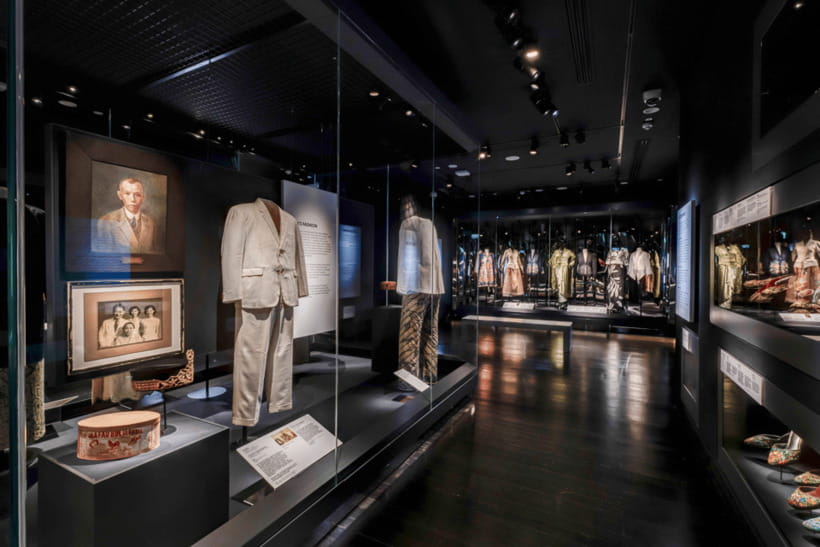
The clothing and accessories are among the most immediately appealing parts of the museum. Beaded slippers display careful handwork on a small scale, while jewelry and wedding clothing show how dress could carry ceremony, beauty, and social meaning.
Lavish wedding attire is especially useful for understanding how an important family event could bring together many traditions. The museum connects these objects with wedding rituals rather than treating them as fashion alone. That helps you see the clothing as part of a larger event involving families, customs, and expectations.
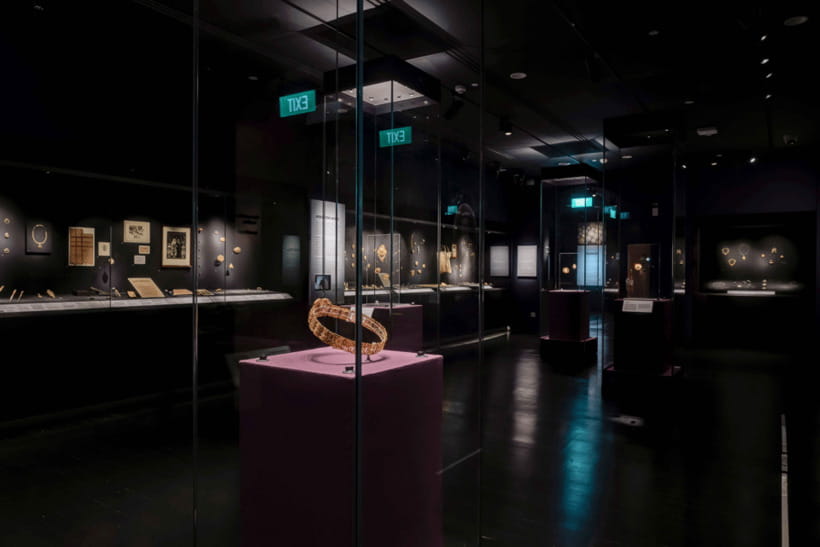
The jewelry also deserves a patient look. Ornate pieces can be admired for their design, but they also suggest how appearance and family standing could be expressed in public settings. The displays provide a chance to compare delicate personal items with the larger scale of furniture and domestic decoration.
I like this section for visitors who may not normally choose a history museum. Textiles, shoes, and jewelry offer an easy entry point. You can start with the visual appeal, then follow the labels toward questions about identity and tradition.
Peranakan homes and family traditions
The galleries about homes and family life bring the culture down to a human scale. Furniture and household objects help you picture how people lived, received relatives, marked important occasions, and passed customs between generations.
The idea of the Peranakan home is important because it shows that culture is not only found in public ceremonies. It is also built through meals, family relationships, decoration, clothing, and repeated household habits. The museum’s furniture and domestic displays help connect large cultural ideas with ordinary routines.
Recorded demonstrations and personal stories from the community add another layer. These elements can help you understand how traditions are remembered and explained by people connected to the culture. They also keep the visit from becoming a parade of beautiful but distant objects.
You may find the personal accounts especially useful if this is your first introduction to Peranakan culture. Names, objects, and rituals can otherwise feel unfamiliar. Hearing how the community explains its own traditions gives the displays a more direct human connection.
More museums and galleries in Singapore:
- Singapore: Museum of Ice Cream Entrance Ticket
★ 4.3 · 225 reviews - Singapore: National Gallery Singapore Admission Ticket
★ 4.3 · 159 reviews - Singapore ArtScience Museum Admission Ticket
★ 3.5 · 25 reviews - Singapore ArtScience Museum Admission E-Ticket
★ 4.0 · 18 reviews
Interactive displays and cultural programs
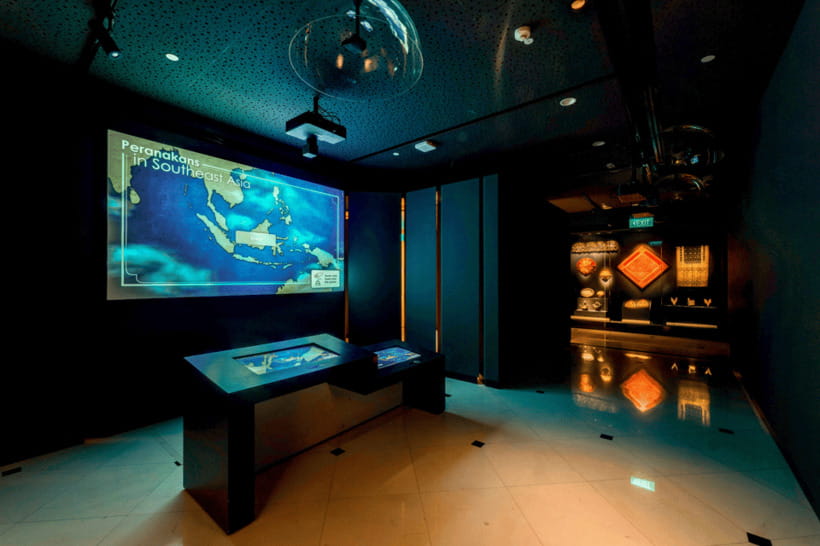
The museum includes interactive displays, recorded demonstrations, and cultural programs designed to make the subject easier to approach. These features matter because Peranakan culture includes skills and practices that are difficult to understand from a static object alone.
A display of intricate beadwork shows the result. A demonstration can help you think about the time and hand skill required to produce it. A personal account can explain why an object mattered within a family. Taken together, these elements help you move from looking at things to understanding their use.
The exact program schedule is not specified, so you should treat cultural programs as an added possibility rather than the main reason to buy the ticket. The permanent galleries provide the core visit. If a demonstration or program is running during your time there, it can give the day more depth.
The interactive material is also helpful for families and younger visitors. Children aged seven and above need their own entry ticket, and children must stay with adults at all times. The displays offer more variety than a museum made only of written panels, but younger children may still need help connecting the objects with the larger story.
Contemporary art beside historic objects
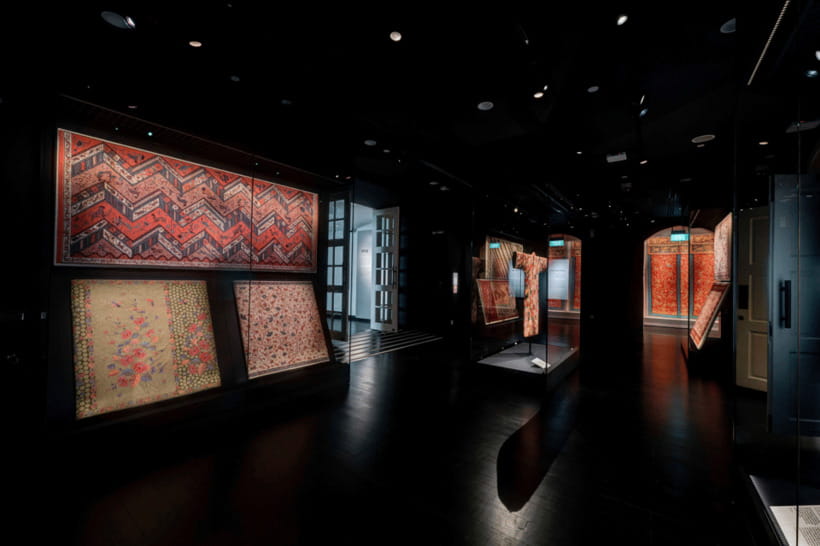
The museum does not present Peranakan identity as something frozen in the past. Commissioned artworks bring contemporary interpretations into the galleries and give you another way to think about identity today.
This is a useful choice. Traditional clothing, furniture, and ritual objects explain where the culture has come from, while contemporary works can ask how that identity is understood in the present. The contrast may appeal to you if you enjoy museums that place old and new work in conversation.
Do not expect every display to be purely documentary. Some commissioned pieces interpret Peranakan identity through modern artistic ideas. If you prefer straightforward historical objects, these works may feel less direct. If you enjoy different viewpoints, they can open up questions that a collection of antique objects alone might not raise.
Why a guided visit can add value
The admission ticket is for entry, not a named guided tour. Still, a guided visit can be worth considering if you want more help with personal stories, family backgrounds, and the meaning behind the displays.
A guide can help explain why particular wedding customs mattered, how regional ties shaped Peranakan life, and what to notice in the craftsmanship. One visitor specifically found a guided tour helpful for understanding the personal lives and backgrounds of the community. That is a useful clue for first-time visitors who want more than labels.
A guided option may also help you organize the museum’s many themes. Without one, you have the freedom to pause wherever your interest leads. With one, you may gain a clearer narrative and notice details you would otherwise pass by.
For my money, the self-guided ticket works well if you enjoy reading and setting your own pace. Add a guide if you want the museum’s objects explained within a wider social story. Just confirm what is included before booking, since the $6 admission does not itself promise a guide.
Getting the most from a $6 ticket
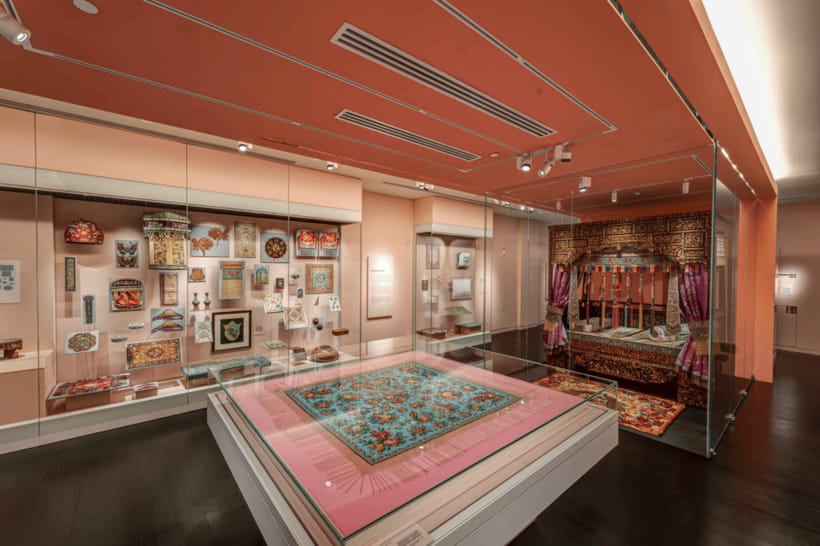
At $6 per person, this is one of the easier cultural purchases to justify in Singapore. You are paying for access to three floors of permanent displays, with the option to spend a substantial part of the day exploring them.
The value is strongest if you slow down. A brief walk through the galleries will show you the main objects, but it will not give you as much from the family stories, recorded demonstrations, or contemporary art. If you are interested in design, clothing, or Southeast Asian culture, plan enough time to read and compare.
The price also works well for mixed-interest groups. One person can focus on furniture and domestic life, another on fashion and jewelry, and another on cultural history. Since the visit is not built around a fixed tour departure, you can pause without holding up a group.
The main extra cost is the Special Exhibitions Gallery, which is not included. If a temporary exhibition interests you, check the separate admission before you arrive. The standard ticket remains useful on its own, but you should know exactly what your ticket covers.
Opening hours and practical timing
The museum is open daily from 10 AM to 7 PM, except on Friday, when it stays open until 9 PM. That later Friday closing gives you a useful option after other daytime sightseeing.
You redeem the ticket at the Visitor Services Counter and then enter the museum. The ticket is valid for one day, so you can plan around your wider Singapore schedule rather than a short timed slot. Starting times should still be checked for availability when you book.
I would avoid treating the museum as a rushed stop between unrelated attractions. The permanent galleries cover several themes, and the fine objects deserve more than a quick glance. A morning visit gives you the full standard opening window, while Friday evening offers extra flexibility.
The activity is non-refundable, so choose your date with care. Children aged seven and above need tickets, and all children must be accompanied by adults throughout the visit.
Who should visit the Peranakan Museum?
I recommend this museum to you if you enjoy decorative arts, clothing, family traditions, or the cultural connections between China, the Malay world, and colonial Southeast Asia. It is also a strong choice if you want a quieter, more focused museum visit after spending time among Singapore’s larger attractions.
Families can use the interactive elements and visual displays as a starting point, though adults should help younger children follow the cultural context. Art and design fans will find plenty of detail in the beadwork, jewelry, fabrics, and furniture.
The museum may be less satisfying if you want a large outdoor attraction, a fast-moving entertainment experience, or a full tour with transportation. It is an indoor cultural visit centered on objects, stories, and interpretation. The ticket also does not include the Special Exhibitions Gallery.
Should you book this admission ticket?
Book it if you want an affordable and flexible way to understand Singapore’s Peranakan heritage. The strongest reasons are the three-floor layout, the beautiful craft objects, the family and wedding themes, and the personal material that gives the collection a human voice.
Choose a guided option separately if you want help with the community’s personal stories and regional connections. Choose the standard ticket alone if you prefer to read, pause, and follow your own interests.
The $6 admission is good value, but only if you give the museum time. Come for the slippers and jewelry, stay for the family traditions and cultural context. That is where this small ticket opens into a much larger story.
FAQ
Where is the Peranakan Museum located?
The experience takes place in Singapore at the Peranakan Museum.
How much does admission cost?
Admission costs $6 per person.
How long is the ticket valid?
The ticket is valid for one day.
What are the museum’s opening hours?
The museum is open daily from 10 AM to 7 PM. On Fridays, it is open from 10 AM to 9 PM.
Does the ticket include the Special Exhibitions Gallery?
No. Admission to the Special Exhibitions Gallery is not included.
Do children need tickets?
Children aged seven and above must purchase an entry ticket. Children must be accompanied by adults at all times.
Where do I redeem the ticket?
Proceed directly to the Visitor Services Counter for redemption.
Recently added around Singapore
- The Real Singapore Heartland Walking Food Tour★ 5.0 · 4 reviews
- Vegetarian Culinary Adventure in Singapore★ 5.0 · 7 reviews
- Singapore’s Marina Bay Wonders and Heritage Tales, Chinatown★ 5.0 · 5 reviews
- Singapore’s Hidden Treasures: A Cultural Private Tour★ 5.0 · 3 reviews
- Private Tour Singapore Street Food & Night Tour★ 5.0 · 4 reviews
- Singapore – Albatross Speedboat Adventures Cruising in Sentosa★ 5.0 · 3 reviews
- Small Group Full Day Singapore City Tour with Roundtrip Transfers★ 4.0 · 11 reviews
- Tastes of Chinatown★ 5.0 · 4 reviews
Katong and Peranakan Tours, compared.

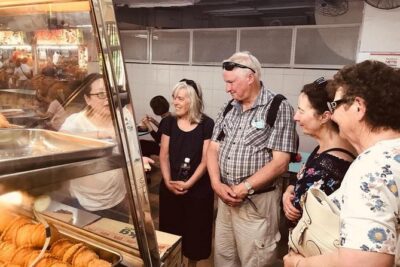
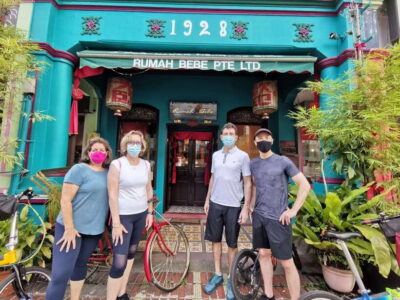
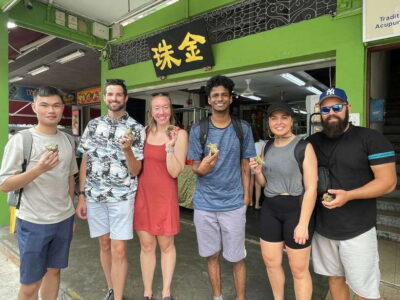
Singapore: Katong Local Food and City Highlights Tour
Read our review →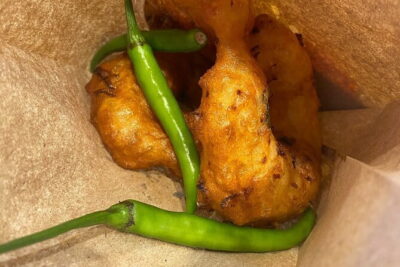
Best Ever Katong Food Tour with Local Foodie – PRIVATE TOUR
Read our review →
Peranakan Cooking Class in Singapore, near Lavender MRT Station
Read our review →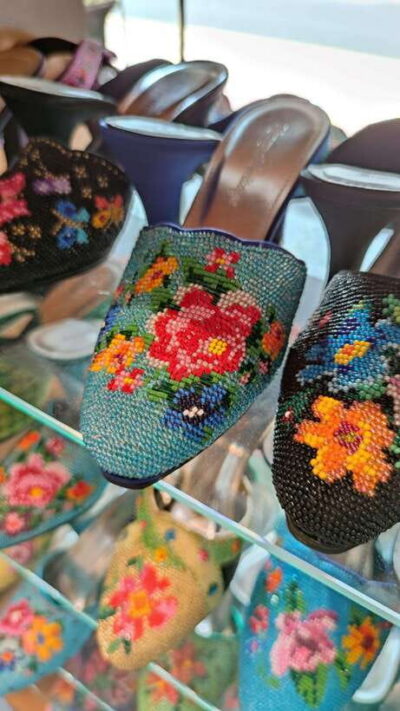
Singapore: Peranakan Culture, Cuisine & Hidden Treasures
Read our review →Browse the lists this tour appears in