
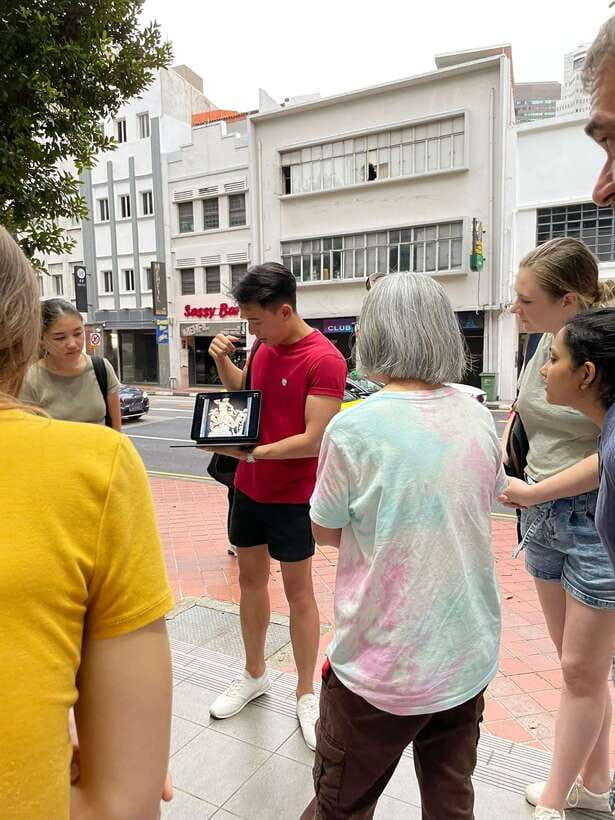
Reviewed · HISTORICAL TOURS
LGBTQ History Walking Tour in Singapore
Singapore’s LGBTQ story is not tucked away in a museum. It is written into ordinary streets, riverfront spaces, small lanes, and places where private life once had to remain carefully concealed. This 150-minute walking tour brings those locations into view, linking local queer culture with Singapore’s laws, colonial legacy, and changing public attitudes.
I like the way the route joins specific city sights with personal stories, rather than treating LGBTQ history as a list of dates. I also like the relaxed ending at a queer social space, where you receive a complimentary drink and have time to talk. The main consideration is practical: Singapore is hot, humid, and prone to sudden rain, so comfortable shoes and a small umbrella matter.
Key points to know before booking
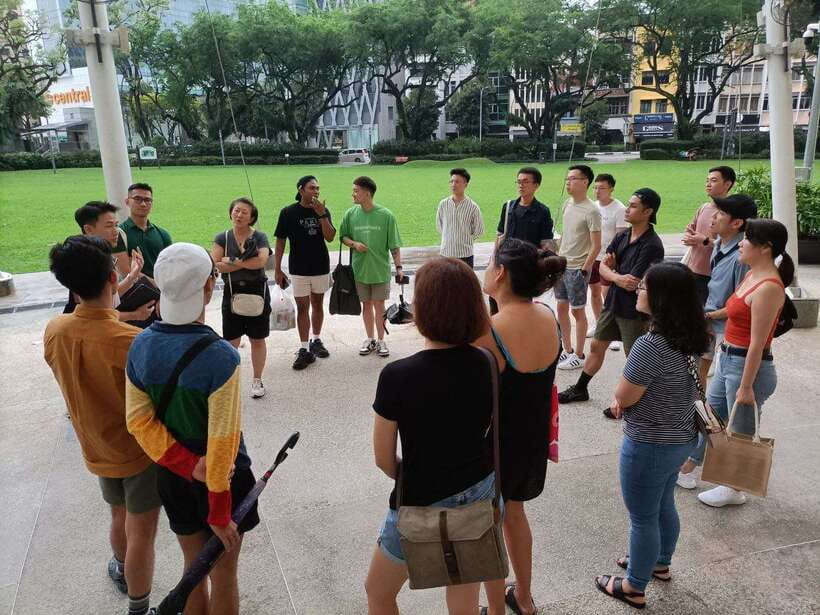
- Singapore’s first LGBTQ-focused walking tour visits real locations tied to queer life, secrecy, protest, celebration, and social change.
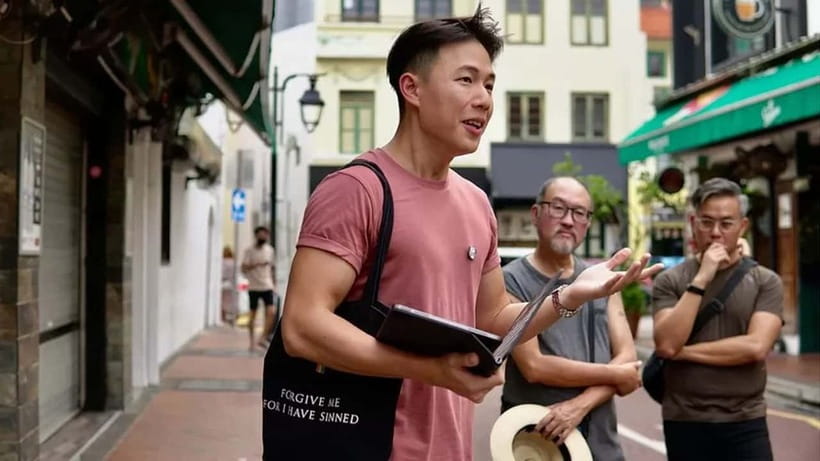
- Licensed guide Isaac leads the English tour with factual material, personal stories, humor, and local context.
- The route lasts 150 minutes, with several stops and roughly an hour at the final part of the experience.
- The tour finishes at Slippery Slope, where your house pour is included and non-alcoholic choices are available.
- Individually packed snacks and a small souvenir are included, useful touches during a warm city walk.
- Everyone is welcome, including people who do not identify as LGBTQIA+.
Why this tour adds a different layer to Singapore
Most first-time visits to Singapore focus on temples, hawker centers, grand civic buildings, and polished waterfront views. Those are worthwhile, but they do not tell the whole story of how people have lived in the city.
This tour asks you to look again at familiar urban spaces. A lane, a riverfront meeting point, or a broad public area can carry a very different meaning once you know who used it, what had to remain private, and how public attitudes changed over time.
The subject is not presented as a simple progress story. The tour looks at both how far Singapore has moved toward inclusion and how much remains complicated. You can expect discussion of recent events and milestones in Singapore and Southeast Asia, along with the continuing effect of colonial rule on laws and social attitudes.
That wider setting matters. LGBTQ life in Singapore did not develop in isolation, and the guide connects local experiences with regional culture and colonial history. You come away with a better sense of how identity, law, family expectations, religion, nightlife, and public space can overlap.
The tour has welcomed more than 3,000 people since it began in 2022, and it has received attention from Zula, Dear Straight People, Pink Fest, and the BBC. Those details matter less than the basic point: this is an established experience, not a one-off talk hurriedly added to a sightseeing menu.
More walking tours in Singapore:
- Singapore: Private Walking Tour with a Local
★ 4.7 · 410 reviews - Private Customised Singapore Walking Tour
★ 5.0 · 370 reviews - Singapore: Chinatown and Little India Guided Walking Tour
★ 4.8 · 190 reviews
Meeting Isaac at Ikigai Izakaya
The meeting point is the entrance of Ikigai Izakaya at The Riverwalk, facing the riverfront. Your guide carries a black tote bag, which gives you a simple way to identify him in a busy area.
The tour information names Isaac as the guide whose sessions have been especially well received. His style combines clear information with warmth and humor. That balance is important here. The subject includes painful and difficult periods, but the tour is not presented as a solemn lecture from start to finish.
You begin with an orientation to the route and its themes. The group then moves through central Singapore, stopping at places that help explain how LGBTQ people found one another, built community, and made themselves visible.
The supplied schedule breaks the walk into several sections of about 30 minutes each, followed by a longer final period. In practical terms, you should expect a steady outing rather than a long march. Still, Singapore’s heat can make even a moderate walk tiring, so wear shoes you can trust and carry water if you need it.
From discreet lanes to public places
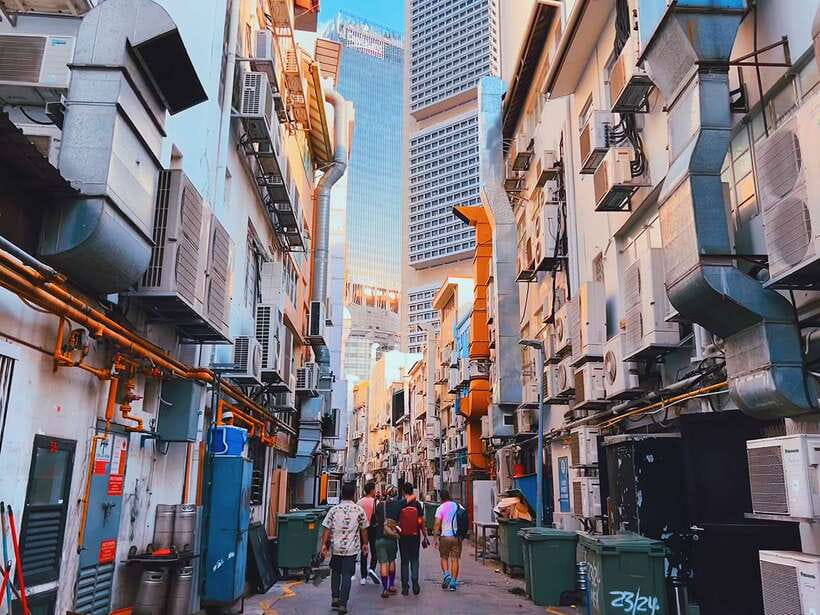
One of the most useful ideas in this experience is the contrast between small, private spaces and large, open ones. The route moves from places associated with discreet exchanges to locations where pride and community can be seen more openly.
That physical change gives the story shape. You do not simply hear that queer life was once hidden. You stand in the kinds of spaces where people had to be careful, then compare them with areas used for public celebration and community activity.
The visual side of the walk is important. The guide uses actual locations and things you can see around you to support the discussion. That makes the information easier to remember than a talk held indoors, especially if you are interested in how a city’s streets shape social life.
At the same time, do not expect every stop to look like a formal monument. Some places may appear ordinary until the guide explains their significance. That is part of the point. LGBTQ history often survives in stories, social habits, meeting places, and personal memories rather than in plaques and grand buildings.
Isaac also brings in anecdotes from different individuals. These personal details give the tour a human scale. Instead of hearing only about institutions or legal changes, you hear how broader events affected real people and their choices.
Singapore, Southeast Asia, and the colonial legacy
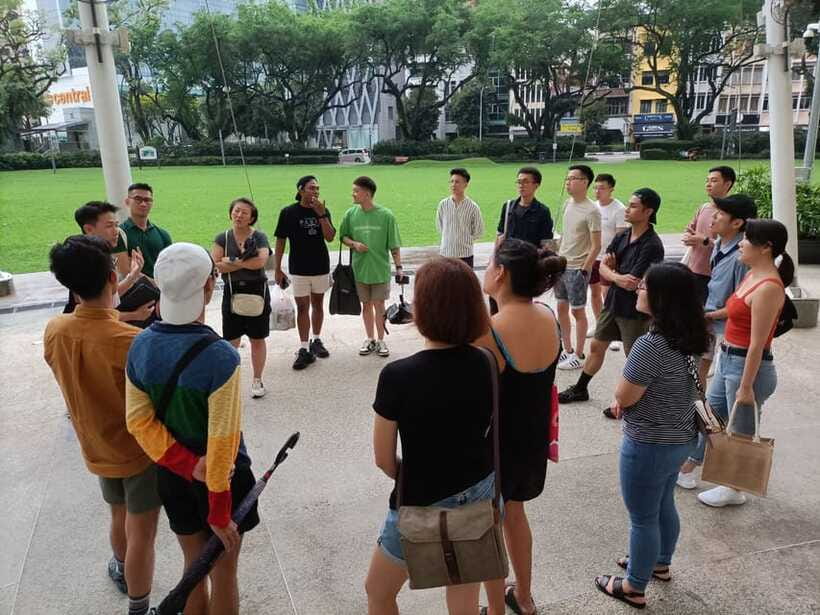
A major strength of the tour is its regional and historical frame. The discussion reaches beyond present-day nightlife or identity labels and considers how colonial rule shaped laws and ideas about sexuality.
This is valuable for anyone who wants more than a cheerful pride-themed stroll. Singapore’s LGBTQ story includes humor and celebration, but also fear, secrecy, social pressure, and legal restrictions. The tour puts those elements beside recent milestones, allowing you to see both movement and limits.
You may find the pace of information quite full. The guide covers Singaporean experiences, Southeast Asian context, and personal stories within two and a half hours. If you prefer a light sightseeing walk with only a few historical facts, this may feel more serious than expected.
For me, that seriousness is a benefit, provided you arrive ready to listen. The tour does not ask you to have specialist knowledge. It explains the background as you go, and the licensed guide helps tie each point back to the street or view in front of you.
The guide’s humor also helps keep the tone human. Isaac has been praised for being friendly, well prepared, and funny, while still handling difficult material with care. That mix makes the experience easier to absorb without making the subject feel trivial.
More heritage tours in Singapore:
- Historical Singapore Bike Tour on Full-Sized Bicycles
★ 5.0 · 1,421 reviews - Singapore: Historical Half-Day Bike Tour
★ 4.8 · 399 reviews - Singapore Private Food, Culture and Heritage Tour with 9 tastings
★ 5.0 · 394 reviews - Singapore Group History & Culture Walking Tour
★ 5.0 · 160 reviews
The riverfront start and central Singapore route
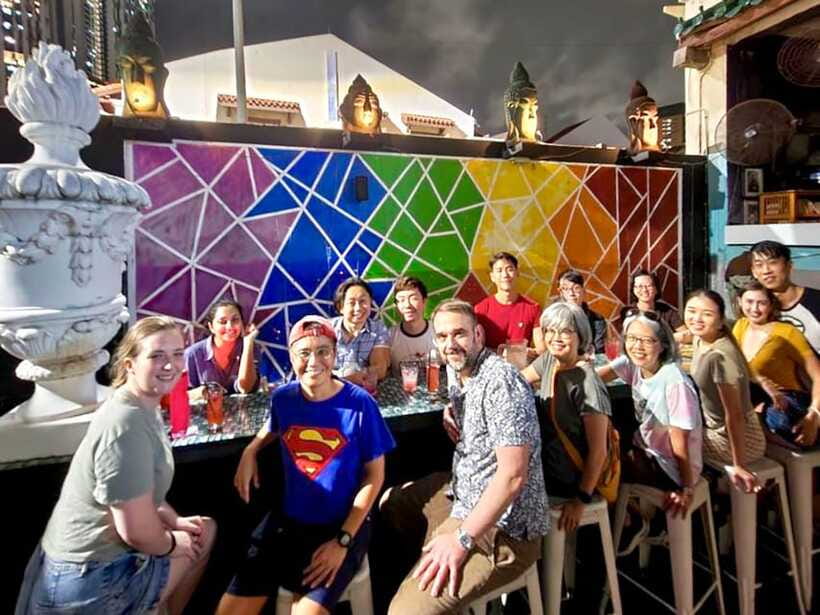
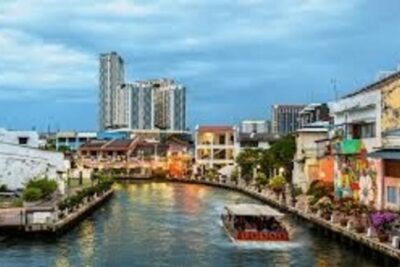
Starting at The Riverwalk places you in a social and scenic part of central Singapore. The riverfront gives the opening moments some visual energy, but the main purpose of the location is practical: it connects you with the city before the tour begins moving through its LGBTQ landmarks and gathering places.
The route is designed around central Singapore, so you are not spending much of the experience commuting between distant districts. That keeps the attention on the stories and lets the city itself serve as the setting.
The itinerary lists two separate viewpoint sections, each lasting about 30 minutes. These are not described as conventional lookout stops with a fixed attraction at every point. Instead, treat them as places where the guide pauses for sightseeing and explanation.
That format suits this subject. A view can show how much public space is available for celebration, while a smaller street can suggest the privacy that once mattered. The meaning comes from the connection between the place and the story.
You should also expect the route to include standing while listening. A small umbrella is recommended for a reason. Singapore’s weather can shift quickly, and a short shower can make an otherwise easy walk uncomfortable. There is no need to dress formally, but breathable clothing and sensible footwear will improve the experience.
Stories, snacks, and the social side of the walk
Individually packed snacks are included, and the selection can vary. They are intended to satisfy a peckish appetite rather than replace a meal, so plan to eat before or after if you need something substantial.
This is a small inclusion, but a useful one. A two-and-a-half-hour walk can stretch across a normal meal period, and having something on hand keeps you from leaving the group in search of food.
The tour also includes token souvenirs specially designed for the experience. Do not book this for the free item, but it is a pleasant reminder of a tour that is more personal than a standard city walk.
The group setting adds another layer. You are likely to hear questions and perspectives from people with different relationships to Singapore and queer culture. The tour is open to all, so you do not need to identify as lesbian, gay, bisexual, trans, queer, or asexual to attend.
That openness is central to the experience. LGBTQ history should not be left only to LGBTQ visitors, and the tour creates a setting where allies, friends, family members, and curious first-time visitors can learn together.
Finishing at Slippery Slope
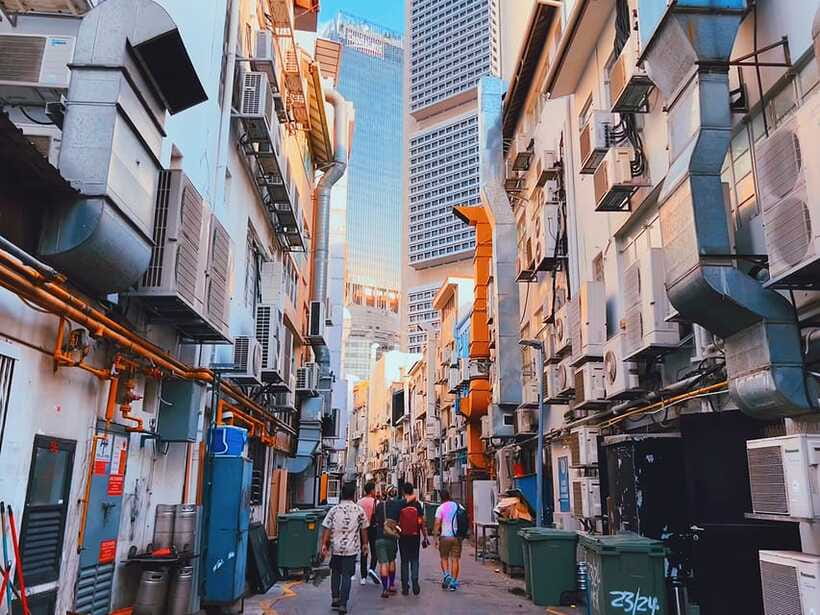
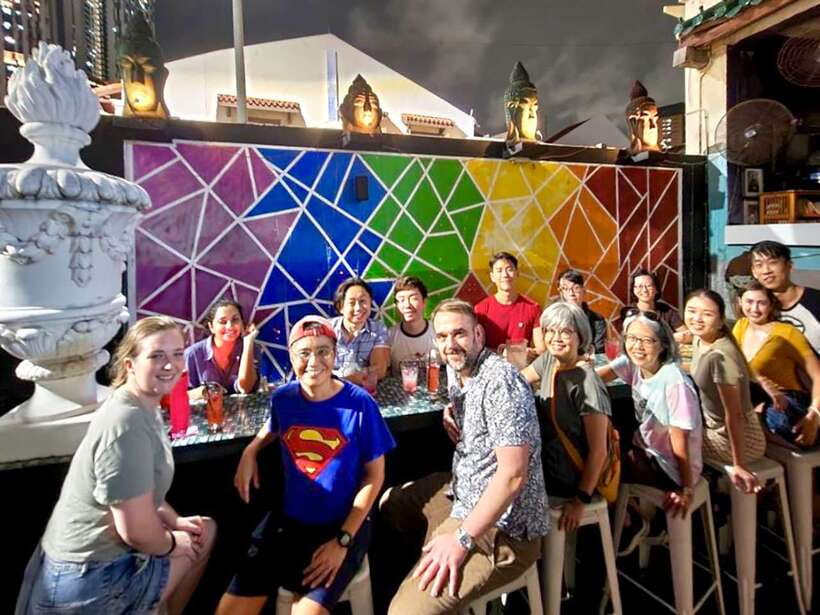
The final stop is Slippery Slope, a queer social space where the tour closes with a complimentary house pour. Non-alcoholic alternatives are available, so you can take part even if you do not drink.
I like this ending because it gives the walk a social finish rather than sending you straight back onto the street after the last explanation. The drink is not just a price inclusion. It creates time to chat, compare impressions, and ask questions that may not have occurred to you during the walk.
The itinerary allows about an hour for the final part, though the exact rhythm can depend on the group and the guide. Food and additional drinks after the included pour are not covered, so budget separately if you want to continue the evening at the venue.
This finish also connects the past to the present. You have spent the tour hearing about places where queer life had to be concealed. You end in a space where community can gather more openly, even if the broader story remains unfinished.
Is $57 a fair price?
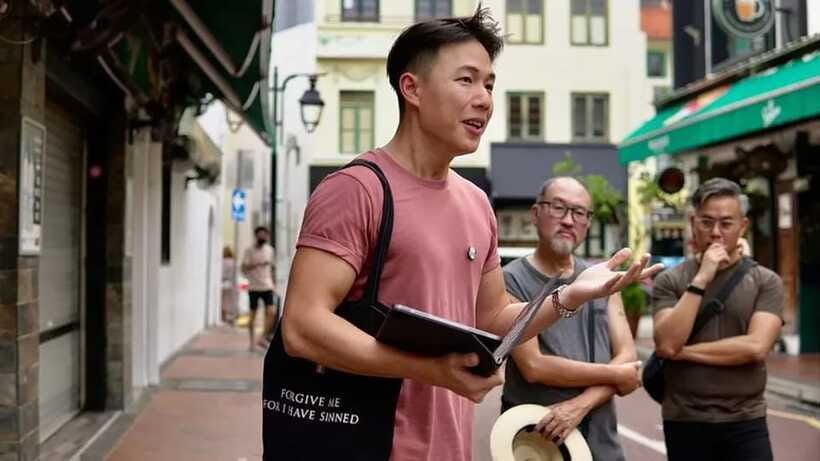
At $57 per person, this costs more than a basic free city walk, but it offers a narrower subject and a more prepared experience. You are paying for a licensed English-speaking guide, a planned route, historical research, personal stories, snacks, a souvenir, and a drink at a queer venue.
The value depends on what you want from Singapore. If you are only looking for famous landmarks, the price may feel high. You can see plenty of central Singapore without booking a specialist tour.
If you want context that you would be unlikely to find on a general sightseeing route, the cost makes more sense. The guide connects ordinary places with legal, cultural, and personal stories, and the group finishes in a social setting rather than at a random street corner.
The small group feel described in the available feedback is another plus, though the exact group size is not stated. You should not assume a private tour. The experience works best if you are comfortable listening in a shared group and discussing a subject that can be personal.
Free cancellation up to 24 hours before the start and reserve now, pay later booking make it easier to fit into a changing Singapore schedule. Check the available start times when booking, since the exact departure time is not fixed here.
Who should book this experience?
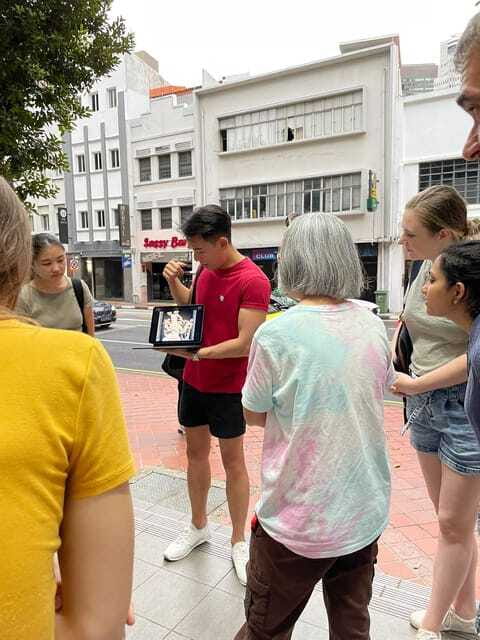
I would recommend it to first-time visitors who want a side of Singapore beyond the standard highlights. It also suits returning visitors who already know the city’s major sights and want a stronger sense of local social history.
It is a good choice for LGBTQ visitors, allies, students, educators, and anyone interested in how cities change. You do not need prior knowledge, and you do not need to identify with the community.
The tour may be less suitable if you have limited walking tolerance, dislike standing outdoors, or want a purely lighthearted activity. Singapore’s climate is part of the practical challenge, and the subject sometimes includes sad or uncomfortable material.
If you are sensitive to the difference between a polished sightseeing product and a story-led community experience, this tour leans toward the latter. It is structured and professional, but its purpose is to show you lives and places that are often left out of standard city narratives.
Should you book the LGBTQ History Walking Tour?
Book it if you want Singapore explained through people, memory, public space, and social change. The strongest reasons are the specific central route, Isaac’s friendly delivery, the connection between Singapore and Southeast Asia, and the ending at Slippery Slope with time to talk.
Skip it if you only want a quick overview of famous attractions or if a two-and-a-half-hour outdoor walk sounds uncomfortable. For everyone else, $57 buys a focused history lesson with real city views, snacks, a small keepsake, and a meaningful drink at the end.
FAQ
How long does the LGBTQ History Walking Tour last?
The experience lasts 150 minutes, or two and a half hours. The schedule includes several guided and sightseeing sections, followed by the final portion at the social space.
Where does the tour meet?
Meet at the entrance of Ikigai Izakaya at The Riverwalk, facing the riverfront. Your guide will be carrying a black tote bag.
Who leads the tour?
The English tour is led by a licensed guide. Isaac is named as the guide for the sessions described here.
Is the tour open to people who are not LGBTQIA+?
Yes. The tour is open to everyone, and you do not need to identify as lesbian, gay, bisexual, trans, queer, or asexual to attend.
What is included in the price?
The price includes the guided walking tour, individually packed snacks, token souvenirs designed for the tour, and one complimentary house pour at the end. Non-alcoholic alternatives are available.
What should I bring?
Wear comfortable walking shoes and bring a small umbrella in case of rain. The tour is conducted in English.
Recently added around Singapore
- Vegetarian Culinary Adventure in Singapore★ 5.0 · 7 reviews
- Singapore’s Marina Bay Wonders and Heritage Tales, Chinatown★ 5.0 · 5 reviews
- The Real Singapore Heartland Walking Food Tour★ 5.0 · 4 reviews
- Singapore’s Hidden Treasures: A Cultural Private Tour★ 5.0 · 3 reviews
- Private Tour Singapore Street Food & Night Tour★ 5.0 · 4 reviews
- Singapore – Albatross Speedboat Adventures Cruising in Sentosa★ 5.0 · 3 reviews
- Small Group Full Day Singapore City Tour with Roundtrip Transfers★ 4.0 · 11 reviews
- Tastes of Chinatown★ 5.0 · 4 reviews
Historical Tours, compared.
Historical Singapore Bike Tour on Full-Sized Bicycles
Read our review →
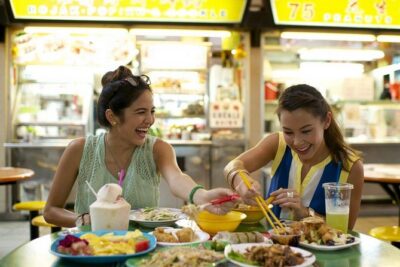
Singapore Private Food, Culture and Heritage Tour with 9 tastings
Read our review →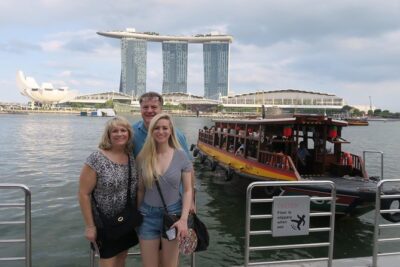
Singapore Group History & Culture Walking Tour
Read our review →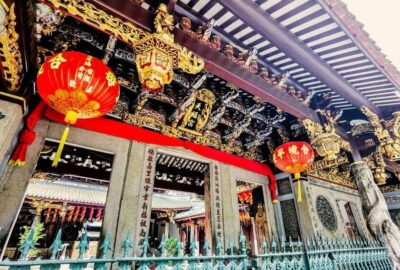
Singapore: Chinatown Historic Walking Tour with Lunch
Read our review →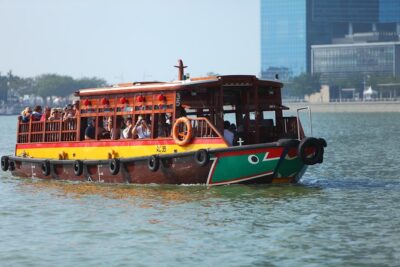
Browse the lists this tour appears in