
Reviewed · SINGAPORE FOOD TOURS
Singapore: Chinese, Indian & Arabic Quarters, Culture & Food Tour
Singapore makes its story easiest to understand one neighborhood and one meal at a time. This five-and-a-half-hour food and culture tour links Chinatown, Little India, and Kampong Glam, with hawker-centre dishes, drinks, old streets, markets, temples, and the grand Sultan Mosque along the way.
I like the small group of no more than eight and the personal angle offered by Gerry, a fourth-generation Singapore-Chinese-Peranakan guide. I also like that the tour uses public transport between districts, giving you a useful lesson in getting around Singapore rather than keeping you inside a sightseeing vehicle.
The main caution is the sheer amount of food and walking. You should arrive hungry, expect heat and sun, and think carefully before booking if you have strict dietary needs, gluten intolerance, vegetarian requirements, mobility limitations, or young children in strollers.
Key points at a glance
- Three cultural quarters in one morning: Chinatown, Little India, and Kampong Glam each bring a different part of Singapore’s story.
- Hawker food is the main event: Tastings come from UNESCO-inscribed hawker centres, with generous portions and drinks included.
- Gerry adds a local family story: His Singapore-Chinese-Peranakan background gives the tour a personal link to the city’s mixed culture.
- Small group, practical transport: The group is capped at eight, and the route includes the MRT and a bus.
- Come very hungry: Soup dumplings, spicy food, snacks, ice cream, beer, tea, coffee, soft drinks, and bottled water may all feature.
- A long, active outing: Plan on roughly 6,000 steps or more, with some groups reaching about 9,000 steps.
Why this tour works as a first morning in Singapore
If you have just arrived in Singapore, this outing gives you a useful base for the rest of your stay. You see three major cultural districts, learn how hawker centres fit into daily life, sample foods from several traditions, and practice using the MRT and buses.
That last point matters more than it may sound. Singapore’s public transport system is easy to use, but your first ride can still feel like a small puzzle. Traveling between neighborhoods with Gerry gives you a working example of how the city connects, and you can use that confidence later on your own.
The day begins at 9:00 am in Chinatown and finishes back at the meeting point. The tour is advertised at about five hours and 30 minutes, though it is sensible to allow around six hours. The pace is active, but the experience is designed to make room for food, questions, and explanations rather than rushing from one photo stop to another.
Gerry is the guide named in the tour details and is repeatedly praised for his humor, warmth, personal story, and command of Singaporean food and culture. He also uses an iPad to compare old street scenes with what you see today, a simple touch that helps explain how quickly Singapore has changed.
More food tours in Singapore:
- Small Group: Michelin and Local Hawker Food Tour with 9 tastings
★ 5.0 · 1,890 reviews - Small Group: Singapore Street Food & Night Tour with 9 tastings
★ 5.0 · 1,240 reviews - The Award-Winning PRIVATE Food Tour: 10 Tastings of 3 Cultures
★ 4.5 · 1,017 reviews
Chinatown: food, old streets, and the hawker-centre lesson
Chinatown is more than the first stop. It sets up the main themes of the day: migration, food, family businesses, neighborhood change, and the way different cultures have shaped Singapore.
You begin with a walk through the district while Gerry explains the struggles and routines of early Chinese communities. The tour does not treat Chinatown as a single postcard image. Instead, you get context for the streets, buildings, and food stalls around you.
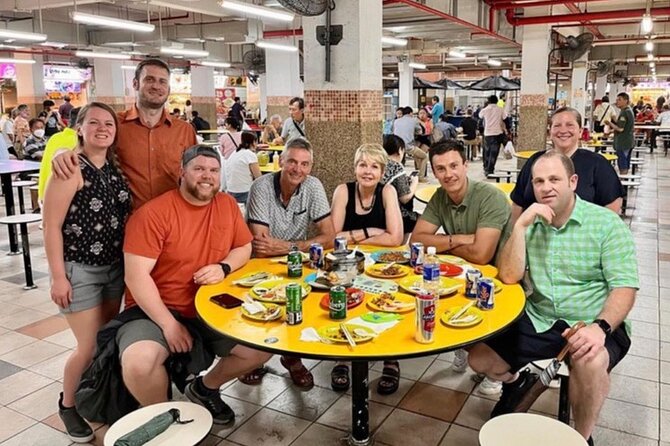
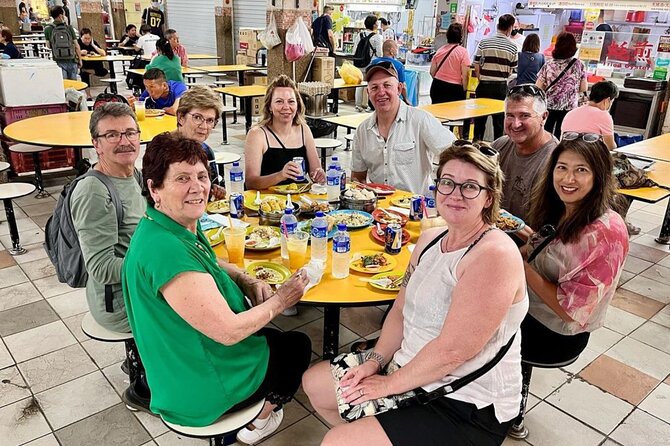
The meal portion takes place in a local hawker centre, where the food is sourced from a UNESCO-inscribed hawker setting. That is valuable because hawker centres are not simply cheap food courts for visitors. They are part of how Singapore eats, socializes, and preserves cooking traditions in an urban city.
Expect several tastings rather than one formal restaurant meal. One especially praised stop is the soup dumplings at Chinatown Complex. The food is served in generous amounts, so resist the urge to eat everything quickly. There are still two neighborhoods and several more tastings ahead.
This is also a good point to ask questions about dishes, eating habits, and Singaporean culture. Gerry’s role is not just to point out stalls. He explains what you are eating and places it within the wider story of the district.
Little India: color, markets, and stronger flavors
The move to Little India shifts the mood and the menu. Here, you walk through streets lined with fruit and vegetable sellers, flower garland stalls, clothing shops, and incense stores. The area is a feast for the senses before you even sit down to eat.
The market sections are particularly useful for visitors who want to see a working neighborhood rather than only the polished center of Singapore. You might see the wet market and vegetable market in action, with shoppers choosing produce and vendors handling the daily trade.
A Buddhist temple near the market is also part of the route described by past participants. Gerry gives the surroundings historical and cultural context as you walk, helping you notice details that are easy to miss when exploring alone.
The Little India food is described as spicy, rich, and full of flavor. If you enjoy heat, this may be your favorite part of the tasting. If you prefer mild food, ask questions early and pace yourself. The tour is not built around a narrow list of familiar dishes, so some flavors may be outside your comfort zone.
This stop also shows why the tour is best for flexible eaters. The food is central to the experience, and the stated restrictions are clear: it is not recommended for vegetarians, people with gluten intolerance, or those with dietary restrictions. The operator says the experience may be compromised for vegetarians, so this is not the place to hope for extensive substitutions.
Kampong Glam: Sultan Mosque and Singapore’s Malay quarter
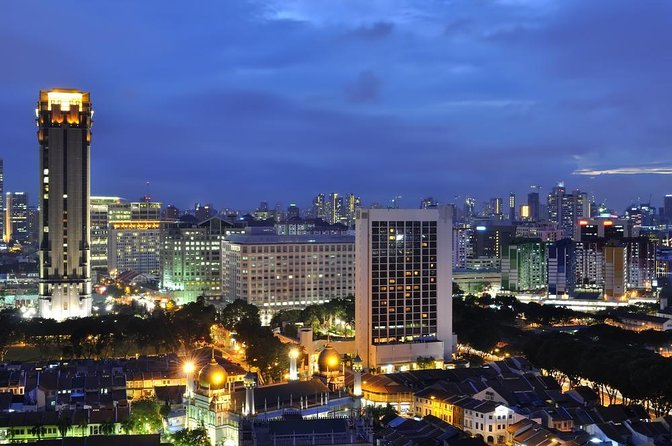
The final district is Kampong Glam, Singapore’s Malay and Arab quarter. Its old lanes, fabric and carpet shops, restaurants, and religious landmarks bring another part of the city’s story into view.
The grand Sultan Mosque is the visual anchor. You may not spend the whole stop inside the mosque, but seeing its golden domes and learning how the district developed gives the area a clear sense of place.
Gerry explains the history of Kampong Glam, including its connection with Malay royalty and the people who shaped the quarter. This is where the tour’s title makes sense: the day is not simply Chinese, Indian, and Arabic food arranged in three stops. It shows how several communities became part of Singapore from the early 19th century onward.
The streets around the mosque offer a different shopping and dining scene from Chinatown and Little India. Fabrics, carpets, and Middle Eastern restaurants replace the market stalls and hawker dishes of the earlier neighborhoods.
The final food stop may include ice cream, and drinks are part of the overall inclusions. Past outings have included beer, including Tiger and Guinness, as well as non-alcoholic drinks. Coffee, tea, soda, bottled water, snacks, lunch, dinner, and alcoholic beverages are all listed as included, though the exact menu can vary.
Same island, a completely different afternoon:
- Lion City Bike Tour of Singapore
★ 5.0 · 6,211 reviews - Singapore: Gardens by the Bay Bundle Entry Ticket
★ 4.3 · 3,726 reviews - Singapore: Big Bus Hop-On Hop-Off Tour by Open-Top Bus
★ 4.5 · 3,261 reviews - Singapore: Lion City Highlights Bike Tour
★ 4.9 · 2,010 reviews
What you actually eat and drink
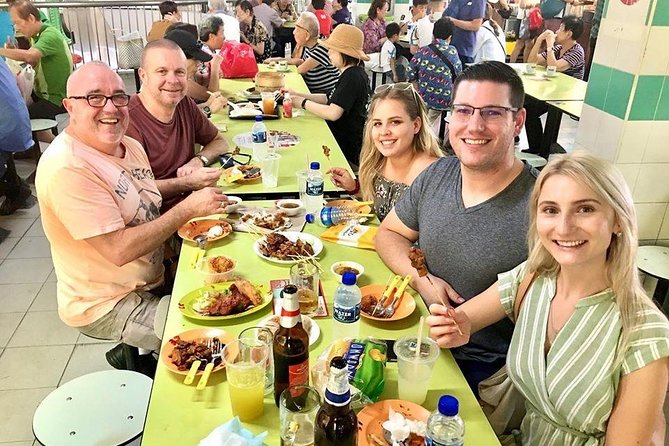
This is a food tour with culture around it, not a history walk with one token snack. You should plan to eat repeatedly throughout the morning and early afternoon.
The exact dishes are not fixed in the information provided, but the experience includes food from hawker centres and neighborhood vendors. Specific food references include soup dumplings in Chinatown, spicy and strongly seasoned food in Little India, and ice cream near the end.
The portions sound generous. That is good value if you arrive hungry, but it can become a problem if you treat the first stop like a full meal. The best strategy is to sample everything, slow down, and leave room for later stops.
Drinks are another reason the price can make sense. Alcoholic and non-alcoholic beverages are included, with beer, coffee, tea, soda, and bottled water among the listed items. The inclusion of beer makes this more appealing to visitors who enjoy a relaxed social meal, though anyone avoiding alcohol can choose non-alcoholic options.
Do not expect a polished dining room. The point is to eat where local food is served in everyday settings. That means shared tables, informal ordering, and a focus on taste and place rather than presentation.
The guide makes the difference
Gerry’s part in the experience is unusually important. A route through Chinatown, Little India, and Kampong Glam can otherwise become a series of quick introductions. The guide is what ties the food, buildings, family stories, and current issues together.
His background as a fourth-generation Singapore-Chinese-Peranakan gives him a direct connection to the city’s layered identity. He is also described as someone with relationships across the food stalls and neighborhoods, which can make the stops feel less like a scripted circuit.
You can expect an upbeat and conversational style. The tour suits people who ask questions, enjoy hearing local opinions, and do not mind a guide who mixes serious history with humor.
The small group helps here. With no more than eight people, it is easier to hear explanations, ask about unfamiliar dishes, and stay together in crowded streets. One booking even became a private outing when no other participants joined, though you should not assume that will happen on your date.
Walking, heat, and public transport
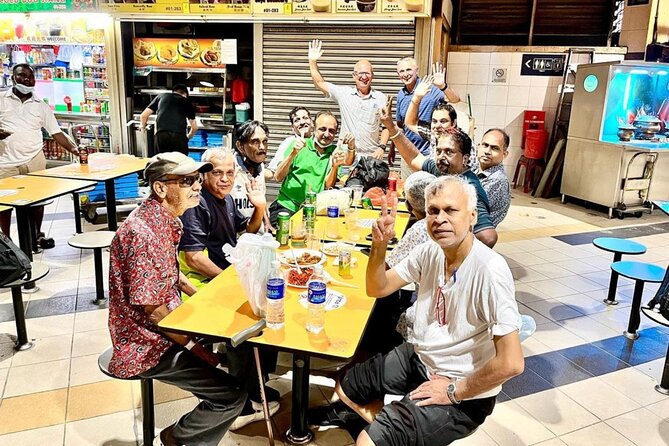
This is not a bus tour with short walks between major attractions. You move through neighborhoods on foot and use the MRT and a bus to connect parts of the city.
The walking distance is manageable for anyone with moderate physical fitness, but it is not trivial. One outing was estimated at 6,000 steps and reached about 9,050. Singapore’s heat and humidity can make that feel like more, especially when you are eating several times along the way.
Wear comfortable shoes and arrive prepared for sun and heat. Give yourself enough time before the start so you can meet at Chinatown without rushing. The tour begins at 9:00 am and ends back at the meeting point.
The route is not recommended for children in prams or strollers, people using personal mobility aids or devices, or anyone who needs a low-walking itinerary. The public transport sections also mean you should be comfortable moving with a group through stations and city streets.
Is the $148 price fair?
At $148 per person, this is not a budget food crawl. The value depends on how you use it.
You are paying for about five and a half hours with a small group, a local guide, several food stops, alcoholic and non-alcoholic drinks, neighborhood walks, historical explanations, and public transport between districts. If you ordered a similar quantity of food and drinks independently, the bill would be only part of the cost. The guide, planning, and access to a structured route are the rest.
The price is easiest to justify if this is your first visit to Singapore and you want one substantial introduction rather than several shorter activities. It may be less appealing if you already know the three districts, are comfortable navigating hawker centres alone, or prefer to choose every dish yourself.
I see the strongest value in the combination of food and orientation. You finish with a better sense of where Chinatown, Little India, and Kampong Glam fit into the city, along with a clearer idea of how to use public transport and order local food.
Who should book this experience?
Book it if you want a social day built around eating, walking, and conversation. It is especially well suited to first-time visitors, solo visitors who want company, and food-focused couples or friends.
You should also enjoy trying unfamiliar dishes and eating more than once during the day. The tour is not ideal for someone seeking a quiet, slow museum visit or a short tasting with only a few bites.
Skip it, or ask the operator about options before booking, if you are vegetarian, gluten intolerant, managing strict dietary restrictions, traveling with a stroller, or using a personal mobility device. The tour itself warns that these needs may not be well supported.
Free cancellation is available if you cancel at least 24 hours before the start time. Weather or minimum-group requirements can also lead to a rescheduled date or full refund.
Should you book the Chinatown, Little India, and Kampong Glam tour?
I would book this early in a Singapore visit, ideally on the first full morning when you can handle a large breakfast-sized amount of food without eating breakfast first. The tour gives you three neighborhoods, several cuisines, local history, drinks, and a practical introduction to the MRT in one well-filled outing.
Choose it for generous tastings and a guide-led look at the city’s Chinese, Indian, Malay, and Arab influences. Do not choose it if you need a short, low-walking activity or careful control over every ingredient.
For an active eater who wants a strong first impression of Singapore, the $148 cost is reasonable. Just arrive hungry, wear good shoes, and save room for the next stop.
FAQ
How long does the tour last?
The experience lasts approximately five hours and 30 minutes. It is sensible to allow about six hours because the tour includes three districts, food stops, walking, and public transport.
Where does the tour start and finish?
It starts in Chinatown, Singapore, at 9:00 am. The activity ends back at the meeting point.
How many people can join the tour?
The maximum group size is eight people.
What food and drinks are included?
Included items are coffee or tea, lunch, dinner, snacks, alcoholic beverages, soda or pop, and bottled water. The exact dishes can vary, with soup dumplings, spicy food, and ice cream specifically associated with the route.
Is public transport used during the experience?
Yes. The route includes the MRT and a bus to travel between parts of Singapore.
Is the tour suitable for dietary restrictions?
It is not recommended for people with gluten intolerance, dietary restrictions, or vegetarian requirements. The operator says the experience may be compromised for vegetarians.
What is the cancellation policy?
You can cancel at least 24 hours before the start time for a full refund. Cancellations or changes made less than 24 hours before the start are not refunded or accepted. If poor weather or an insufficient number of participants causes cancellation, you are offered another date or experience, or a full refund.
Recently added around Singapore
- The Real Singapore Heartland Walking Food Tour★ 5.0 · 4 reviews
- Vegetarian Culinary Adventure in Singapore★ 5.0 · 7 reviews
- Singapore’s Marina Bay Wonders and Heritage Tales, Chinatown★ 5.0 · 5 reviews
- Singapore’s Hidden Treasures: A Cultural Private Tour★ 5.0 · 3 reviews
- Private Tour Singapore Street Food & Night Tour★ 5.0 · 4 reviews
- Singapore – Albatross Speedboat Adventures Cruising in Sentosa★ 5.0 · 3 reviews
- Small Group Full Day Singapore City Tour with Roundtrip Transfers★ 4.0 · 11 reviews
- Tastes of Chinatown★ 5.0 · 4 reviews
Singapore Food Tours, compared.
Small Group: Michelin and Local Hawker Food Tour with 9 tastings
Read our review →
Small Group: Singapore Street Food & Night Tour with 9 tastings
Read our review →
The Award-Winning PRIVATE Food Tour: 10 Tastings of 3 Cultures
Read our review →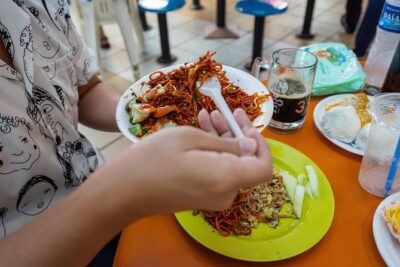
Singapore: UNESCO Street Food & Cultural Experience
Read our review →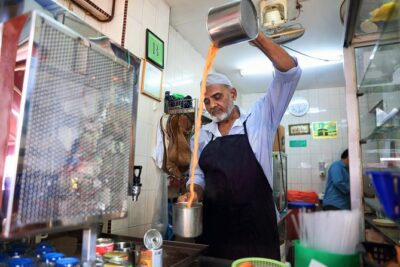
Small-Group Food Tour With Hawker Center: Eat Like A Local
Read our review →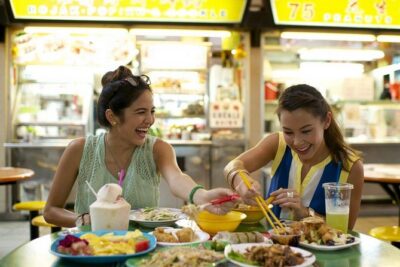
Singapore Private Food, Culture and Heritage Tour with 9 tastings
Read our review →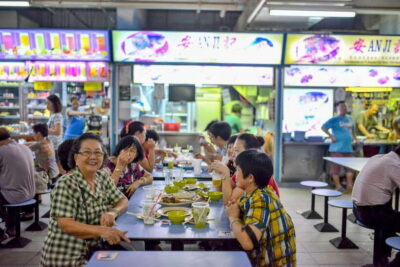
Singapore: Foodie Experience Guided Tour with 5 Tastings
Read our review →
Browse the lists this tour appears in