
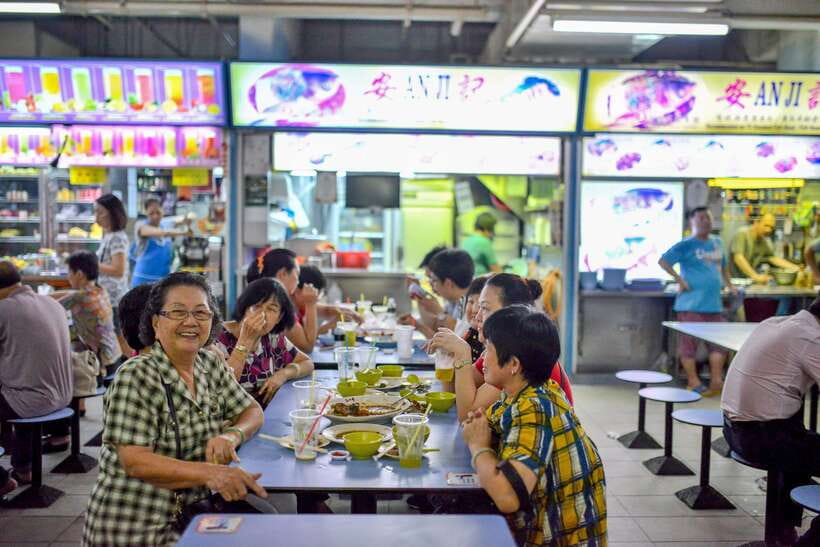
Reviewed · SINGAPORE FOOD TOURS
Singapore: Foodie Experience Guided Tour with 5 Tastings
Singapore’s Chinatown is at its best when dinner gets underway, and this three-hour walk takes you straight into the action. You’ll start with charcoal-grilled bakkwa, move through fruit and seafood stalls, then sit down to hawker classics and Michelin-starred soya sauce chicken rice. It is a tasty introduction to Singapore’s food culture, not a fancy restaurant crawl.
I like the way the tour links each bite to local customs and Chinatown’s past. I also like the practical help: guides such as Kim, Grace, and Sam have shown people how to order coffee, choose hawker stalls, and return to favorite dishes later. The main drawback is that the advertised five tastings can feel like a lot in three hours, and one person found the pace rushed while the group tried many extra foods.
Key points to know
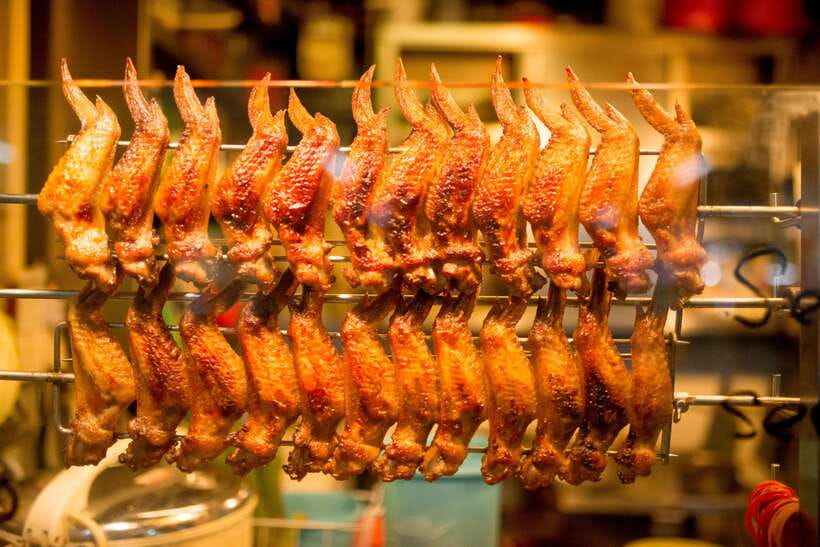
- Start with bakkwa at 5 pm: Meet at Bee Cheng Hiang, 69 Pagoda Street, for sweet-savory meat grilled over charcoal.
- Eat where Singapore eats: The route continues to Chinatown Complex, a large hawker center filled with everyday local food.
- Taste the Michelin-starred main course: Soya sauce chicken rice comes with tender marinated chicken, white rice, and peanuts.
- Expect more than five bites sometimes: The formal plan lists five dishes, but guides may add drinks, snacks, fruit, or other samples.
- Guides make the difference: Kim, Grace, Sam, Kim Ping, Hui, Missy, Carol, and Joe have all led versions of this experience.
- Bring an appetite, not a rigid schedule: The tour is designed as dinner, and several people finished very full.
Why Chinatown is a smart place to begin
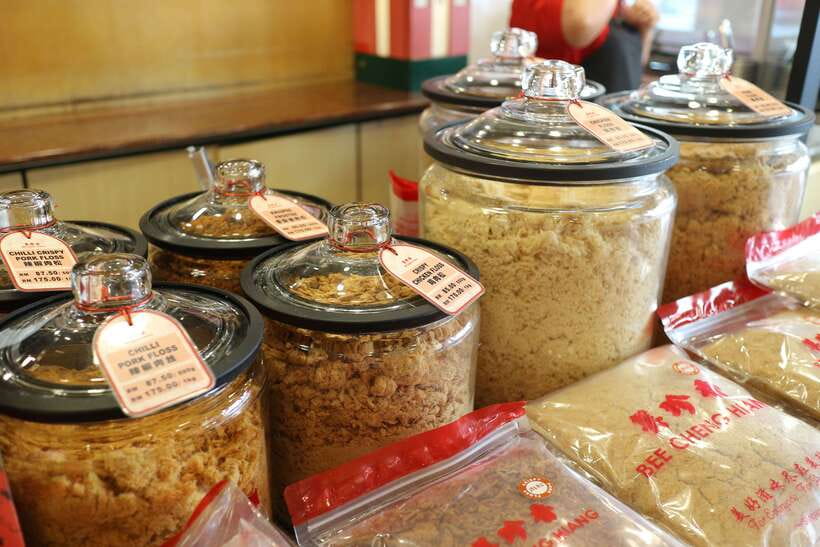
Singapore’s food culture can be confusing on a first visit. A hawker center may have dozens of stalls, unfamiliar names, different ordering habits, and dishes that look similar until someone explains them. This tour gives you a friendly way to get started.
You meet at 5 pm outside Bee Cheng Hiang at 69 Pagoda Street, Singapore 059228. Look for a guide wearing a Discova black T-shirt. The meeting point is specific, but one person had trouble finding it, so I would arrive early and check the address before setting out. The tour returns to the same location after about three hours.
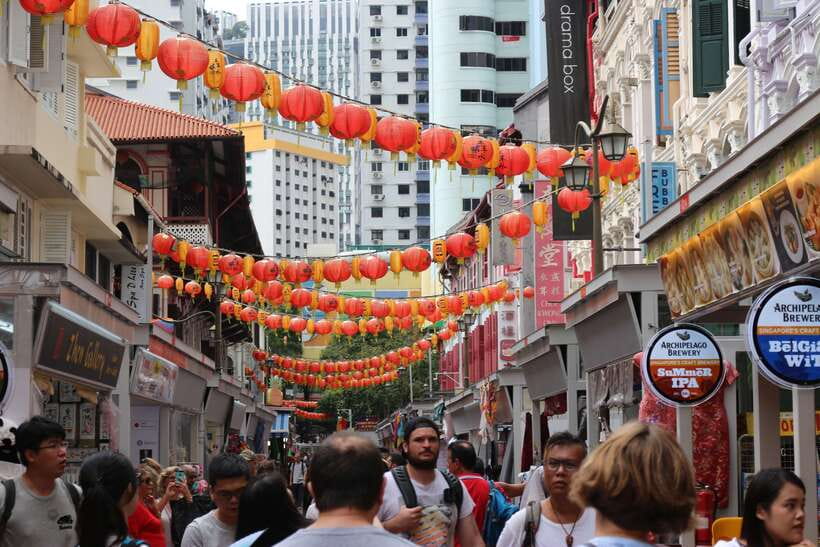
The route works well at this hour. Chinatown is shifting from daytime shopping into evening meals, and you see food stalls beside newer bars and shops. Much of the street has a sunroof, so light rain should not stop the walk, though the tour runs in all weather. Singapore’s heat and humidity still make comfortable shoes and light clothing sensible.
The group may be private or small. That matters here because shared dishes are easier to manage with fewer people, and a small group gives you more time to ask about ingredients, customs, and places to eat later. Some departures have been one-to-one, while another group had 11 people, so the feel can vary.
More food tours in Singapore:
- Small Group: Michelin and Local Hawker Food Tour with 9 tastings
★ 5.0 · 1,890 reviews - Small Group: Singapore Street Food & Night Tour with 9 tastings
★ 5.0 · 1,240 reviews - The Award-Winning PRIVATE Food Tour: 10 Tastings of 3 Cultures
★ 4.5 · 1,017 reviews
Bakkwa, durian, and the first lesson in local flavor
The first tasting is bakkwa, a tender, jerky-like meat that is slow-grilled over charcoal. Expect a sweet and savory flavor with a smoky edge. It is a familiar Singapore snack, but it also sets up one of the tour’s useful themes: local food is often about strong contrasts rather than delicate seasoning.
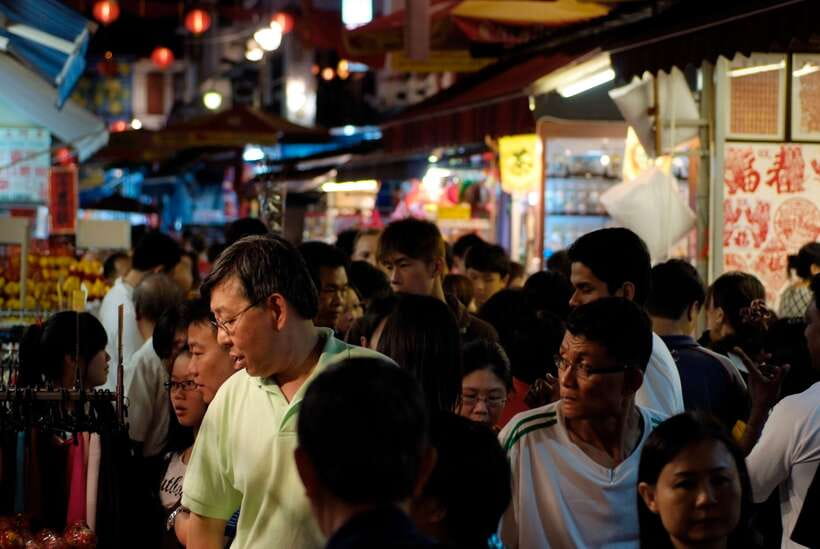
From Pagoda Street, you walk past vendors selling tropical fruit, seafood, and daily supplies. Durian may appear here, and the guide may encourage you to try it. You do not have to treat durian as a dare, but it is one of those foods that makes more sense when explained by someone who understands why locals value it.
The food walk is not limited to eating. Your guide points out what is being sold and explains how Chinatown has changed. Grace, Kim, Sam, and other guides have been praised for mixing food information with stories about the district and Singapore’s early years. That local context gives the market stops more meaning than simply moving from snack to snack.
You may also learn small practical habits, such as how to order kopi, Singapore-style coffee. This is one of the tour’s most useful extras because it helps you handle a hawker center on your own after the tour ends.
Chinatown Complex puts the theory on a plate
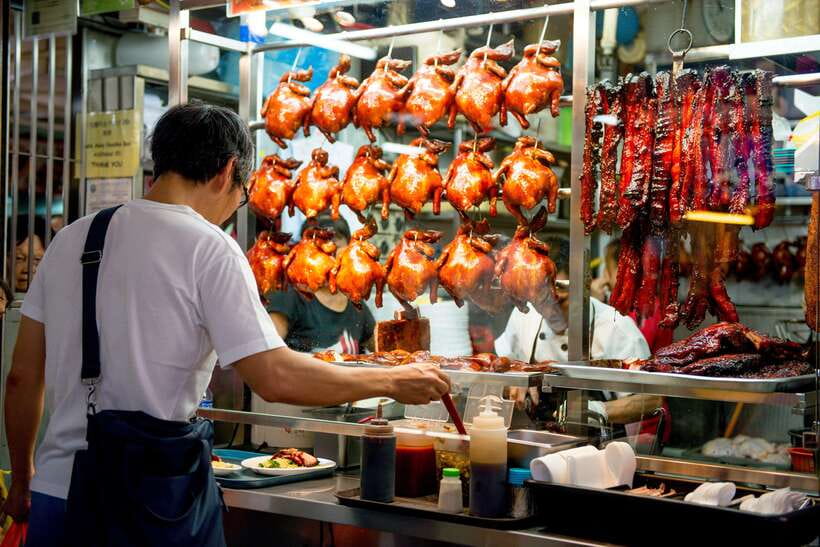
The main eating portion takes place at Chinatown Complex. This is where the tour moves from street browsing to a proper hawker-center meal, with several stalls and dishes in a compact area.
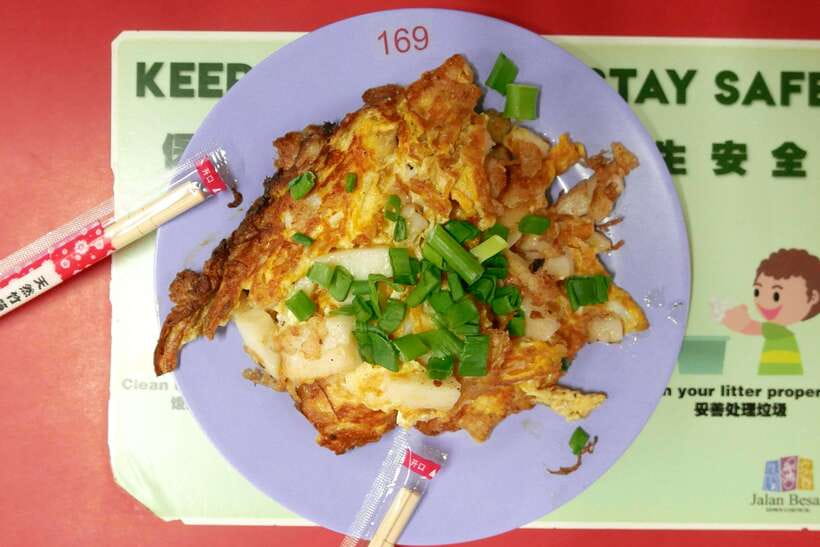
One planned stop offers a choice between savory carrot cake and char kway teow. Singaporean carrot cake is not the orange dessert you may expect. It is a savory dish made with radish cake, usually cooked with other ingredients and sauces. Char kway teow is a stir-fried noodle dish with a simple base and a full, savory taste.
The exact choice can depend on availability and the guide’s judgment. That flexibility is useful because hawker stalls can sell out, and a guide who knows the area can keep the meal moving without sending you to a poor substitute.
This is also the point where portion control matters. The experience is advertised as five tastings, but several people were given extra food, with some counting more than 10 items and one person recalling 16 dishes. That is excellent value if you arrive hungry, but you should not treat every stop as a full restaurant portion. Share what you can, and save room for the main course and dessert.
The tour is a good fit for curious eaters, but it may be less comfortable for someone who wants a carefully controlled menu. Food choices can include unfamiliar ingredients, and the whole point is to try things you might not order alone. Tell your guide about allergies, dislikes, or dietary limits before the food begins. The supplied information does not promise specific substitutions.
The Michelin-starred chicken rice stop
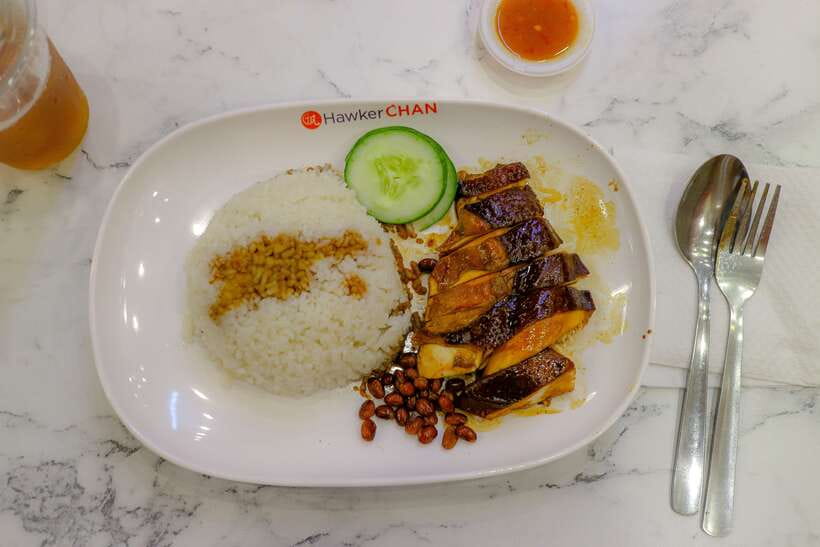
The main course is soya sauce chicken rice from Singapore’s first Michelin-starred hawker stall. You get tender chicken marinated in soya sauce, white rice, and peanuts.
This stop is valuable for two reasons. First, it lets you try a famous dish without having to work out which stall to choose. Second, it shows why Singapore’s hawker culture matters. A meal served in a plain food center can earn major culinary recognition without looking like a formal dining experience.
Do not expect a grand restaurant setting. You are eating in a hawker center, where the appeal is direct, affordable food and the energy of ordinary meal time. The guide explains the dish and helps you understand what makes it popular.
The chicken rice also provides a calmer middle point after the earlier bites. By this stage, you have seen the market side of Chinatown and sampled smaller foods. Now you get a dish that feels like dinner. If you are eating with a partner or small group, sharing makes it easier to judge the flavor and still keep room for dessert.
One important note: chili crab is not included. It is one of Singapore’s famous foods, but you will need to arrange that separately.
Same island, a completely different afternoon:
- Lion City Bike Tour of Singapore
★ 5.0 · 6,211 reviews - Singapore: Gardens by the Bay Bundle Entry Ticket
★ 4.3 · 3,726 reviews - Singapore: Big Bus Hop-On Hop-Off Tour by Open-Top Bus
★ 4.5 · 3,261 reviews - Singapore: Lion City Highlights Bike Tour
★ 4.9 · 2,010 reviews
Dessert closes a very full evening
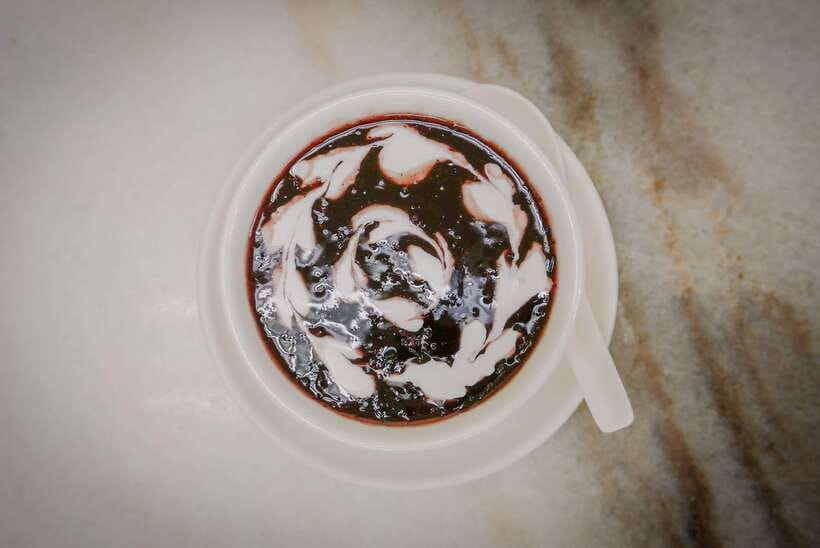
The last stop is a popular dessert shop in or near Chinatown Complex. The exact dessert is not specified, so you should think of this as a sweet finish rather than booking the tour for one particular dish.
That uncertainty is minor, since dessert works well after the salty and savory foods earlier in the evening. Several guides have made a point of telling participants to save room, and one person specifically described the dessert as excellent. The wider meal can be substantial, especially when the guide adds extra tastings, so do not arrive after a large late lunch.
The dessert stop also gives you a chance to slow down and ask final questions. Guides often help with directions home and may share photos afterward. One guide even checked that everyone knew how to get back safely, which is a thoughtful touch after an evening walk.
What the guides add to the food
The guide is the heart of this experience. Food alone is easy to find in Chinatown. The useful part is having someone explain what to order, why a dish matters, and how to return on your own.
Kim and Kim Ping are frequently praised for their warmth, food knowledge, and explanations of Singapore’s past. Grace has been described as prepared, funny, and strong on Chinatown stories. Sam has led food walks that include both historical background and extra tastings. Other named guides include Hui, Missy, Carol, and Joe.
You should not book expecting a particular guide unless the operator confirms it. Still, the repeated strength of the guiding is important. The guides do more than point at food. They can show you how locals order coffee, explain the cultural background of dishes, answer questions, and suggest places to eat for the rest of your stay.
I especially value the fact that the tour can teach you how to eat economically in Singapore. Hawker centers are a major part of the city’s food life, but first-time visitors may hesitate at the stalls. After this walk, you should feel more comfortable choosing a queue, placing an order, and trying something unfamiliar.
Is $63 good value for three hours?
At $63 per person, the tour is not the cheapest way to eat in Chinatown. You could buy individual hawker dishes for much less. The price pays for more than the food: it covers a three-hour guided route, five included tastings, bottled water, local explanations, and the convenience of knowing where to go.
The value improves if your guide adds extra snacks, drinks, or samples. Many people received more than the five advertised dishes, but you should see those extras as a bonus rather than a guarantee. If you only want one famous plate of chicken rice, this tour will cost more than eating alone.
For a first evening in Singapore, the price makes more sense. You get an introduction to Chinatown, learn the basic rules of hawker dining, and collect ideas for later meals. Several people found the experience useful early in their stay because it helped them make better food choices afterward.
Private and small-group options can also make the cost worthwhile for couples, families, or friends who want to ask plenty of questions. An eight-year-old enjoyed the experience with one family, though the amount of walking and unfamiliar food may not suit every child.
Pace, comfort, and practical limits
The walk lasts three hours and takes place outdoors between food stops. Chinatown’s streets are mostly covered by a sunroof, but this is not a fully indoor activity. The tour runs in all weather, so carry suitable rain protection if the forecast looks uncertain.
Wear comfortable shoes. The route includes walking around Pagoda Street and Chinatown Complex, with periods of standing, browsing, and eating. The activity is not suitable for wheelchair users, so anyone needing step-free access should choose a different food experience.
The evening can feel full rather than rushed. Most reports describe a comfortable pace, but one person found it a little hurried because the group tried so many foods. If you prefer long meals and detailed conversation at each stop, ask about the expected group size before booking.
English is the tour language. Bottled water is included, but hotel pickup and drop-off are not. You need to reach 69 Pagoda Street yourself and make your own way home after returning there.
Free cancellation is available up to 24 hours before the start time, and you can reserve now and pay later. Check the available starting times when booking, since the stated start is 5 pm but availability should be confirmed for your date.
Who should book this Chinatown food walk?
I would choose this tour if you are new to Singapore, enjoy trying several small portions, or feel unsure about ordering at hawker centers. It is also useful for anyone who wants food paired with neighborhood stories rather than a list of dishes with no context.
Families with adventurous older children may enjoy it, and private groups can make the tasting easier to manage. The format also suits solo visitors, since a guide fills in the social side of dinner and can adjust the conversation to your questions.
I would think twice if you have strict dietary restrictions, dislike shared food, need wheelchair access, or want a tour centered on chili crab. I would also avoid eating a big meal beforehand. Five tastings can become 10 or more, and the chicken rice plus dessert will leave you well fed.
Should you book it?
Book this experience if you want a practical first taste of Singapore’s food scene, especially at the start of your stay. The combination of bakkwa, hawker dishes, Michelin-starred chicken rice, dessert, and Chinatown stories gives you both dinner and a useful food lesson.
The strongest reason to go is the guide. A good guide such as Kim, Grace, or Sam can turn unfamiliar stalls into an easy, friendly introduction. The main caution is the variable food count and pace, so arrive hungry, keep your schedule open, and tell the guide about food limits early. At $63, it is best value when you use the evening to learn where and how to eat for the rest of your Singapore visit.
FAQ
Where does the tour start?
It starts at Bee Cheng Hiang Shop, 69 Pagoda Street, Singapore 059228. Look for a guide wearing a Discova black T-shirt.
What time does the tour begin?
The stated start time is 5 pm. You should check availability for your chosen date when booking.
How long does the experience last?
The tour lasts three hours and returns to 69 Pagoda Street.
Which foods are included?
The planned tastings include bakkwa, either savory carrot cake or char kway teow, soya sauce chicken rice from Singapore’s first Michelin-starred hawker stall, and dessert. Five dishes are included, and extra tastings may be added.
Is chili crab included?
No. Chili crab is specifically excluded from the tour.
Is the tour conducted in English?
Yes. The live guide language is English.
Is bottled water provided?
Yes. Bottled water is included.
Is hotel pickup and drop-off included?
No. You must make your own way to 69 Pagoda Street and return there at the end.
Is the tour suitable for wheelchair users?
No. The activity is listed as not suitable for wheelchair users.
Can I cancel the booking?
Yes. You can cancel up to 24 hours in advance for a full refund. Reserve now and pay later is also available.
Recently added around Singapore
- The Real Singapore Heartland Walking Food Tour★ 5.0 · 4 reviews
- Vegetarian Culinary Adventure in Singapore★ 5.0 · 7 reviews
- Singapore’s Marina Bay Wonders and Heritage Tales, Chinatown★ 5.0 · 5 reviews
- Singapore’s Hidden Treasures: A Cultural Private Tour★ 5.0 · 3 reviews
- Private Tour Singapore Street Food & Night Tour★ 5.0 · 4 reviews
- Singapore – Albatross Speedboat Adventures Cruising in Sentosa★ 5.0 · 3 reviews
- Small Group Full Day Singapore City Tour with Roundtrip Transfers★ 4.0 · 11 reviews
- Tastes of Chinatown★ 5.0 · 4 reviews
Singapore Food Tours, compared.
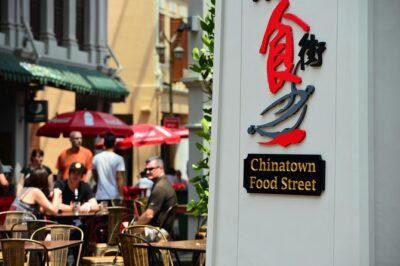
Small Group: Michelin and Local Hawker Food Tour with 9 tastings
Read our review →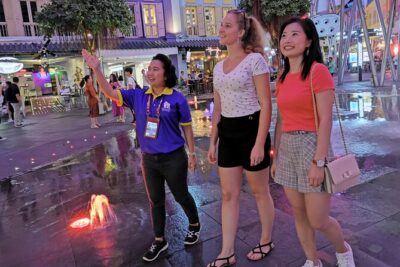
Small Group: Singapore Street Food & Night Tour with 9 tastings
Read our review →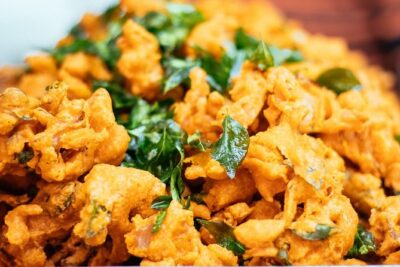
The Award-Winning PRIVATE Food Tour: 10 Tastings of 3 Cultures
Read our review →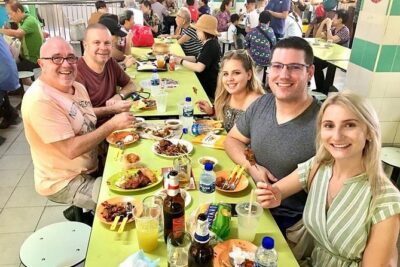
Singapore: Chinese, Indian & Arabic Quarters, Culture & Food Tour
Read our review →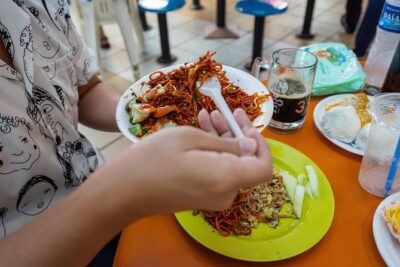
Singapore: UNESCO Street Food & Cultural Experience
Read our review →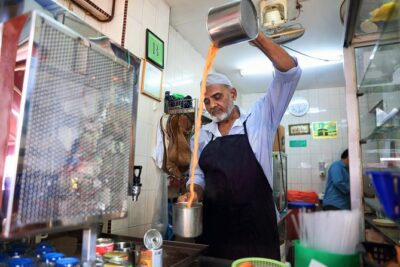
Small-Group Food Tour With Hawker Center: Eat Like A Local
Read our review →
Singapore Private Food, Culture and Heritage Tour with 9 tastings
Read our review →
Browse the lists this tour appears in