
Reviewed · KATONG AND PERANAKAN TOURS
Singapore: Katong Local Food and City Highlights Tour
Katong is one of the best parts of Singapore for seeing how food and daily life fit together. This three-hour walk takes you to local food spots, colourful shophouses, and Peranakan landmarks while you taste at least nine Malay, Indian, and Chinese dishes. The food is the main event, but the neighbourhood gives the tour its character.
I like the mix of nine-plus tastings and useful local context. I also like the small group size, capped at 10, which makes it easier to ask questions and keep up with the guide. Guides such as Jamie, Steven, Daniel, and Fred have been praised for explaining both the dishes and Singaporean life in a personal way.
The main caution is dietary. The food is non-Halal, non-Kosher, and not suitable for people with nut allergies, while vegan and vegetarian substitutions may not be possible. The walk also runs rain or shine, so you need to pack for Singapore’s heat and sudden showers.
Key points at a glance
- At least nine tastings: Try sweet, spicy, and savoury food from Malay, Indian, and Chinese traditions.
- Katong and Joo Chiat setting: Walk through a colourful district that many first-time visitors miss.
- Peranakan culture: Learn how this local community shaped the area’s food, buildings, and identity.
- Small group of up to 10: A good size for conversation and questions.
- Easy MRT meeting point: Meet at street level outside Exit 2 of Marine Parade MRT station, looking for a bright yellow T-shirt.
- Strict food limits: The tour is not suitable for people with food allergies or nut allergies, and some dishes cannot be replaced.
Why Katong makes such a good food-tour setting
Singapore has famous hawker centres and polished restaurant districts, but Katong and Joo Chiat offer a different look at the city. The area combines food shops, residential streets, bars, restaurants, and small local outlets. You get a sense of ordinary neighbourhood life rather than a sightseeing circuit built around major monuments.
The route is described as leisurely, which matters in Singapore’s heat. You are not racing from one stop to the next. Instead, the walk gives you time to look at the streets, photograph the shophouses, and listen as your guide explains how the area developed.
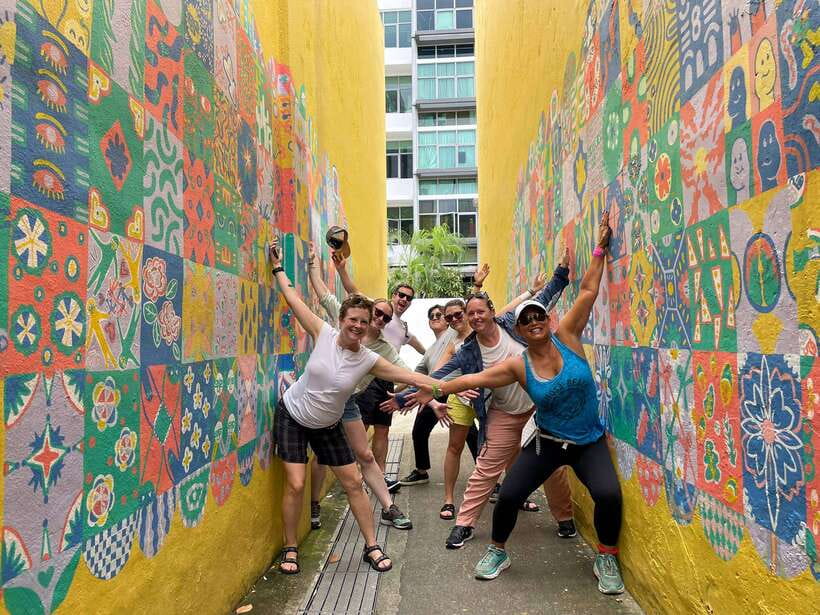
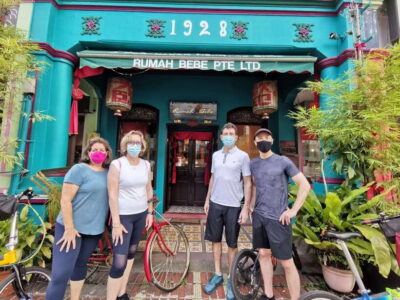
The colourful shophouses are a major visual reward. Their painted façades make easy photo stops, but they are not just decoration. They help you see the architectural character of Katong and Joo Chiat, where older building traditions sit alongside modern food and nightlife.
This is also a useful district to visit early in your Singapore stay. The dishes introduce several food traditions at once, and the guide can explain what you are eating before you later order similar dishes on your own.
More Katong and Peranakan days:
- Singapore Food & Bike Tour – Katong
★ 5.0 · 289 reviews - Eat Snap Katong Walking Food Tour
★ 5.0 · 174 reviews - Katong Evening Food Tour
★ 4.5 · 41 reviews
Meeting your guide at Marine Parade MRT
The meeting point is practical: street level at Exit 2 of Marine Parade MRT station. Marine Parade is on the brown Thomson-East Coast Line, listed as TE26. Look for the guide in a bright yellow T-shirt.
Give yourself enough time to find the correct exit. Singapore’s MRT system is easy to use, but stations can have several entrances and long underground passages. Meeting at street level keeps the starting point simple once you are out of the station.
Do not bring luggage or a large bag. This is a walking tour with food stops, so a small day bag is the sensible choice. Comfortable shoes matter more than stylish ones, and a charged smartphone is useful for photos and for keeping track of your meeting details.
The guide may be Jamie, Steven, Daniel, Fred, or another member of the English-speaking team. The individual guide affects the tone of the experience. Jamie has been praised for adding personal insight about growing up and living in Singapore, while Steven, Daniel, and Fred have been noted for clear explanations about food and the neighbourhood.
Nine dishes from Malay, Indian, and Chinese traditions
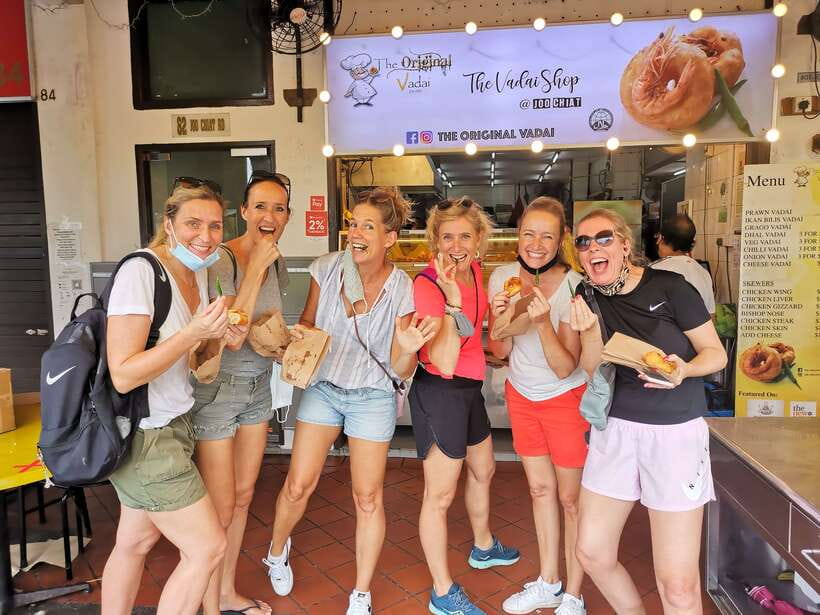
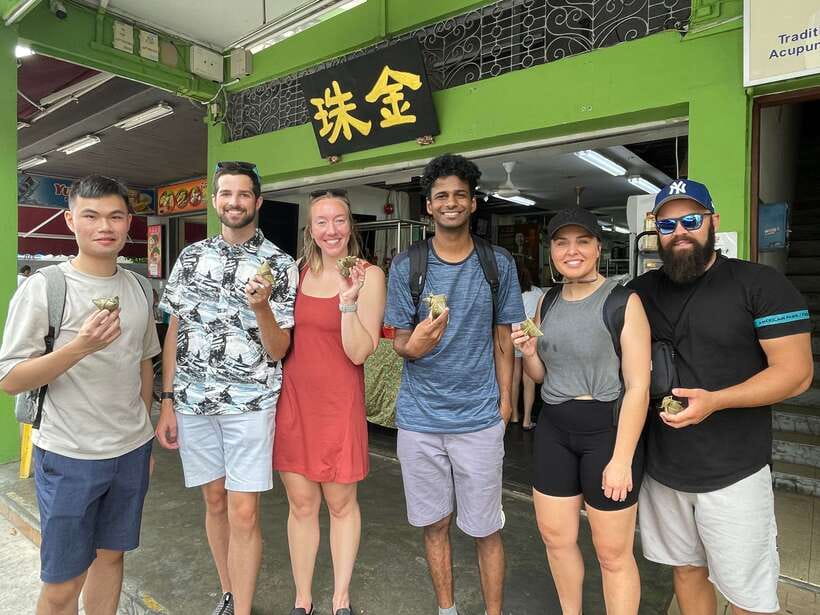
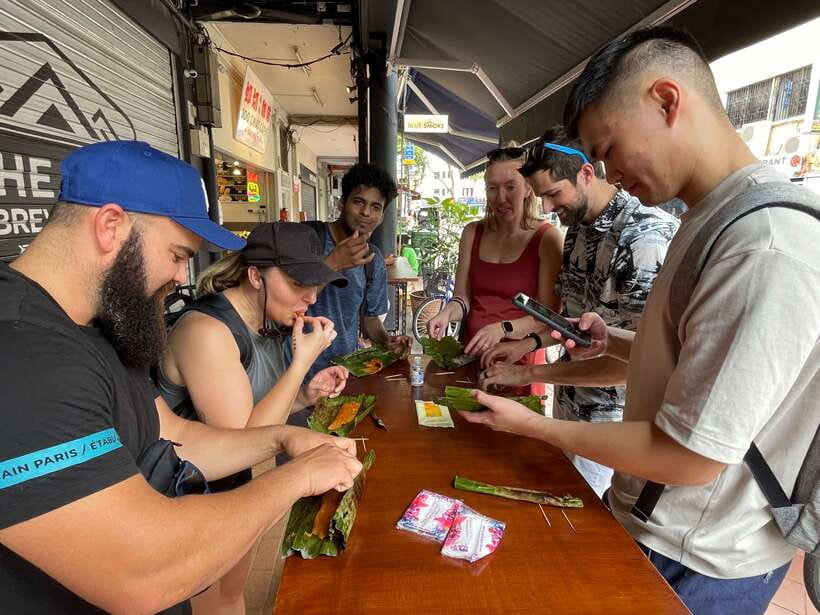
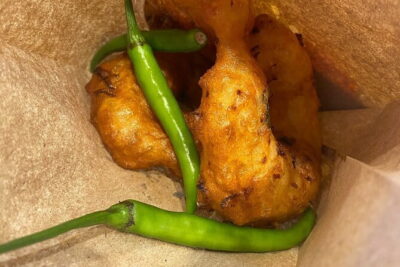
The food is not presented as a single cuisine. You taste at least nine dishes linked to Malay, Indian, and Chinese culture, with a range from sweet to spicy to savoury.
That variety is the tour’s strongest feature. Singaporean food is shaped by several communities, and tasting across those traditions helps you understand why a short list of dishes can feel so varied. You are not simply eating lunch. You are learning how ingredients, cooking methods, and cultural backgrounds meet in Singapore.
The exact menu is not specified in advance, so you should not book expecting particular dishes. That uncertainty is part of the local-food format, but it also means you need to be comfortable trying what is served. Some items may be unfamiliar, and not every dish can be replaced for dietary reasons.
Food portions have been described as plentiful, though the tour is built around multiple tastes rather than one large meal. Plan to arrive hungry, but do not assume every bite will suit your preferences. Singaporean food can move quickly between sweet, savoury, spicy, and rich flavours.
The guide’s explanation is important here. Daniel, for example, was praised for connecting the food with the area’s past. Fred has been noted for explaining how dishes came about and why they matter. That background turns each stop into part of a larger lesson instead of a string of unconnected samples.
Peranakan culture in Katong and Joo Chiat
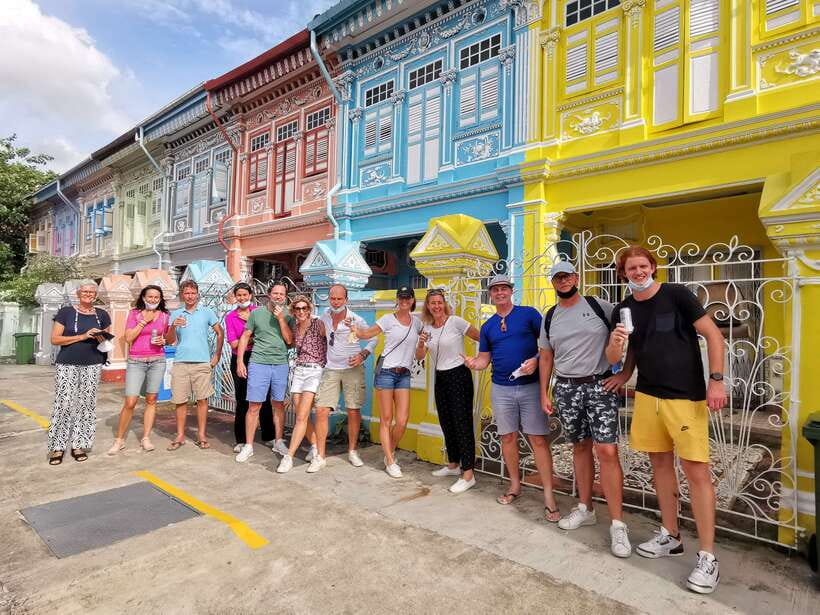
Peranakan culture is central to the neighbourhood and gives the tour more depth than a standard eating walk. Your guide introduces the people and traditions connected with the area, using the streets and buildings around you as part of the lesson.
You will not be confined to a museum or formal presentation. The cultural information comes while you walk and eat, which makes it easier to connect the food with the place where you are standing. The colourful shophouses help make those connections visible.
For me, this is where the experience earns its place in a Singapore itinerary. A food tour can easily become a list of snacks, but the Peranakan focus gives you a better understanding of why Katong looks and tastes different from other parts of the city.
The tour also offers a look at local life beyond the central sightseeing areas. One participant described discovering a part of Singapore they would probably not have visited alone. That is a fair description of the tour’s value: it helps you find a district you might otherwise pass by.
More food tours in Singapore:
- Small Group: Michelin and Local Hawker Food Tour with 9 tastings
★ 5.0 · 1,890 reviews - Small Group: Singapore Street Food & Night Tour with 9 tastings
★ 5.0 · 1,240 reviews - The Award-Winning PRIVATE Food Tour: 10 Tastings of 3 Cultures
★ 4.5 · 1,017 reviews - Singapore: Chinese, Indian & Arabic Quarters, Culture & Food Tour
★ 5.0 · 789 reviews
A three-hour walk at a comfortable pace
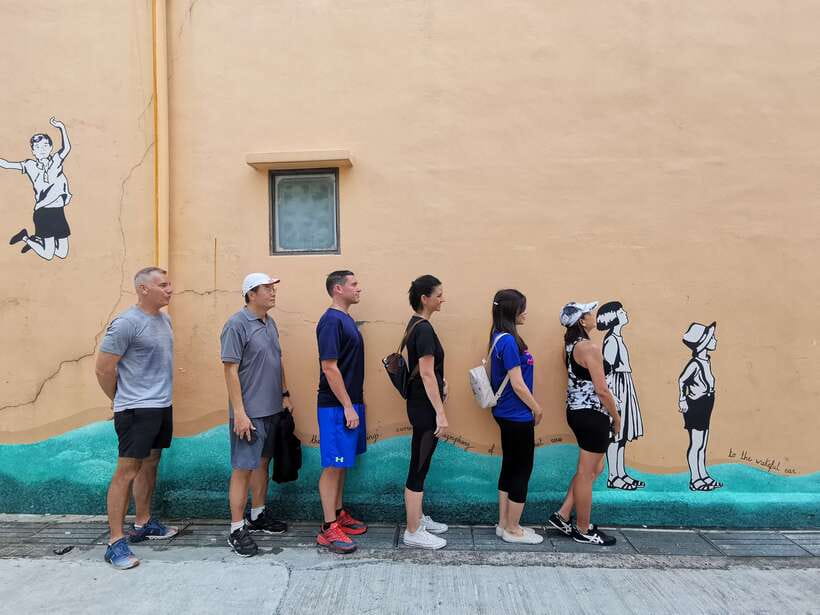
Three hours is long enough to build a proper meal-sized experience without taking over your whole day. You have time for the tastings, explanations, photographs, and neighbourhood walk, but you can still plan another activity afterward.
The leisurely pace should suit you if you prefer conversation and observation over rushing between food stops. It may feel less suitable if you want a tightly scheduled checklist of famous attractions. This tour is about the atmosphere of Katong and Joo Chiat, not major city landmarks.
Singapore’s weather deserves attention. The tour operates rain or shine, so bring an umbrella, sunglasses, a hat, sunscreen, and water. Comfortable shoes are essential, and light clothing will make the walk easier in warm conditions.
A small group limit of 10 is another advantage. Food stops can become awkward with a large crowd, especially when the guide is explaining unfamiliar dishes. A group of this size should make it easier to hear, ask questions, and stay together on local streets.
What the $75 price includes
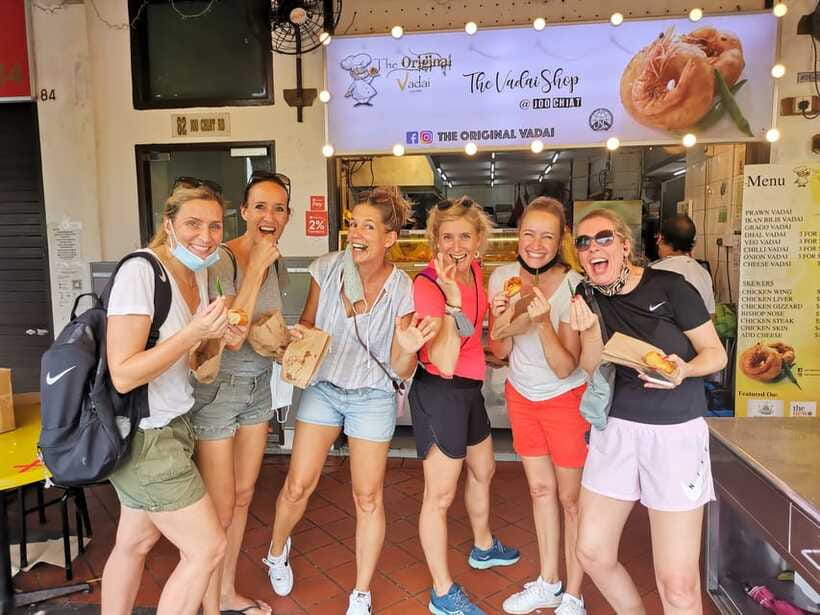
At $75 per person, the price needs to be judged as a combined food and guiding experience. Food and drinks are included, along with a licensed English-speaking guide. You are paying for at least nine tastings, three hours of local orientation, and the convenience of having someone choose the stops and explain them.
The price makes the most sense if you value context as much as quantity. You could spend less by eating independently at local food outlets, but you would need to find them yourself, decide what to order, and work out the cultural background on your own. The tour packages that work into one guided route.
The small group also adds value. A private tour would cost more, while a large coach-style food outing would offer less personal contact. With a maximum of 10 participants, this sits in a useful middle ground.
I would not book it mainly as a bargain meal. The portions are described as plentiful, but the real benefit is the combination of food, neighbourhood, and explanation. If you want a simple lunch for the lowest possible price, eat independently. If you want a guided introduction to Singapore’s food mix, $75 is reasonable.
Who will enjoy this tour most
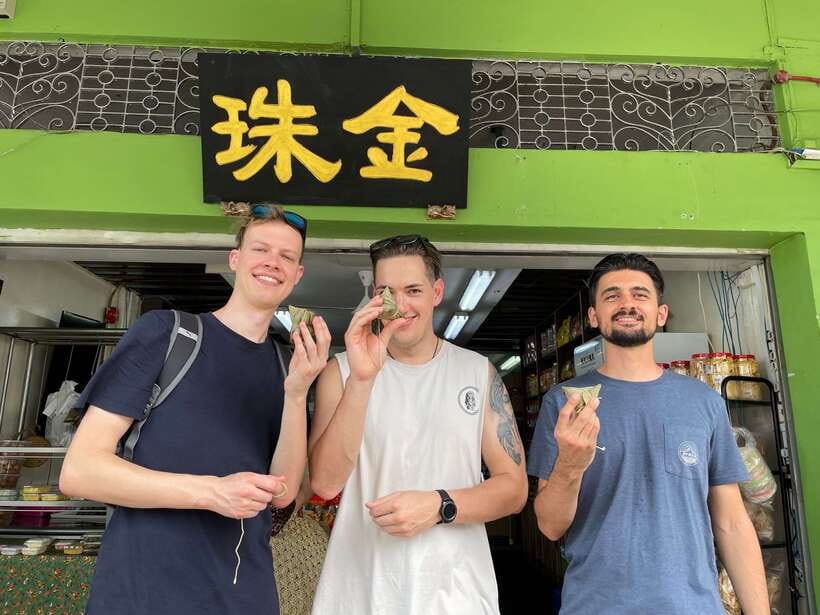
This tour suits first-time visitors who want to understand Singapore through food rather than only through major attractions. It is also useful for repeat visitors who have seen the central sights and want a different district.
You will get the most from it if you enjoy trying several small portions and asking questions. The guide’s role is not only to lead the walk but to explain the dishes, the people connected with them, and the area’s development.
It is a good match for couples, friends, and solo participants who like small-group activities. The group limit makes conversation easier, and the pace leaves room for photos and observation.
The tour is a poor fit if you have a food allergy, especially a nut allergy. The food is non-Halal and non-Kosher, and some items may not suit vegans or vegetarians. Certain dishes may not be substitutable, so you should not rely on the guide to create a special menu.
Practical preparation before you go
Wear comfortable shoes and bring water. Singapore’s weather can change quickly, so an umbrella is sensible even when the morning begins dry.
Pack sunglasses, a hat, sunscreen, and a charged smartphone. The shophouses are one of the tour’s best photo opportunities, and you will likely want your phone for pictures as well as directions and booking information.
Leave large luggage at your hotel or another suitable place. Large bags are not allowed on the tour, and carrying one would make the walking and food stops less comfortable anyway.
You can cancel up to 24 hours in advance for a full refund, and the reserve-now, pay-later option keeps your plans flexible. Check the available start times when booking, since the tour lasts three hours and runs at set times.
Should you book the Katong food tour?
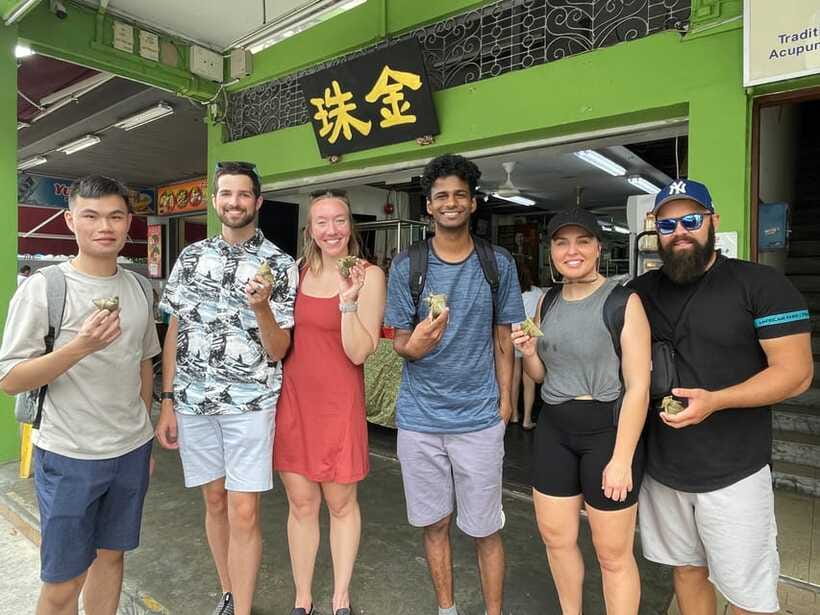
Book it if you want a guided, food-focused introduction to Katong and Joo Chiat, especially if you like trying many dishes instead of ordering one familiar meal. The strongest reasons are the nine-plus tastings, the Peranakan focus, the colourful streets, and the small group.
The guide can make a real difference. Jamie’s personal stories, Steven’s friendly explanations, Daniel’s food background, and Fred’s account of how dishes developed all point to the value of a guide who treats the walk as more than a checklist.
Skip it if you have serious food restrictions, need guaranteed vegan or vegetarian replacements, or dislike walking in warm or wet weather. For everyone else, this is a practical way to see a less central side of Singapore and leave with a better idea of what to order for the rest of your trip.
FAQ
Where does the tour meet?
Meet at street level at Exit 2 of Marine Parade MRT station. Look for the guide wearing a bright yellow T-shirt.
How do I reach the meeting point by train?
Marine Parade MRT station is served by the brown Thomson-East Coast Line, station TE26.
How long does the tour last?
The tour lasts three hours. Starting times vary, so check availability when booking.
How many dishes will I taste?
You will taste at least nine Malay, Indian, and Chinese dishes, with flavours ranging from sweet to spicy and savoury. Food and drinks are included.
Is the tour suitable for vegetarians or vegans?
Some dishes may not be suitable for vegans or vegetarians, and certain items may not be substitutable. Check your dietary needs before booking.
Can I join if I have a nut allergy?
No. The tour is not suitable for people with nut allergies or other food allergies. The food is also non-Halal and non-Kosher.
Recently added around Singapore
- The Real Singapore Heartland Walking Food Tour★ 5.0 · 4 reviews
- Vegetarian Culinary Adventure in Singapore★ 5.0 · 7 reviews
- Singapore’s Marina Bay Wonders and Heritage Tales, Chinatown★ 5.0 · 5 reviews
- Singapore’s Hidden Treasures: A Cultural Private Tour★ 5.0 · 3 reviews
- Private Tour Singapore Street Food & Night Tour★ 5.0 · 4 reviews
- Tastes of Chinatown★ 5.0 · 4 reviews
- Singapore – Albatross Speedboat Adventures Cruising in Sentosa★ 5.0 · 3 reviews
- Small Group Full Day Singapore City Tour with Roundtrip Transfers★ 4.0 · 11 reviews
Katong and Peranakan Tours, compared.
Best Ever Katong Food Tour with Local Foodie – PRIVATE TOUR
Read our review →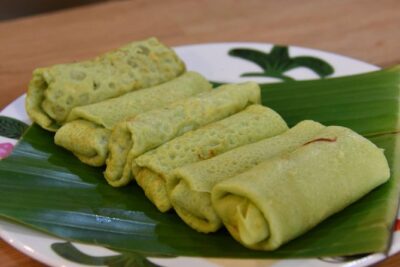
Peranakan Cooking Class in Singapore, near Lavender MRT Station
Read our review →
Singapore: Peranakan Culture, Cuisine & Hidden Treasures
Read our review →Browse the lists this tour appears in