
Reviewed · SINGAPORE HIDDEN GEMS TOURS
Disappearing Trades
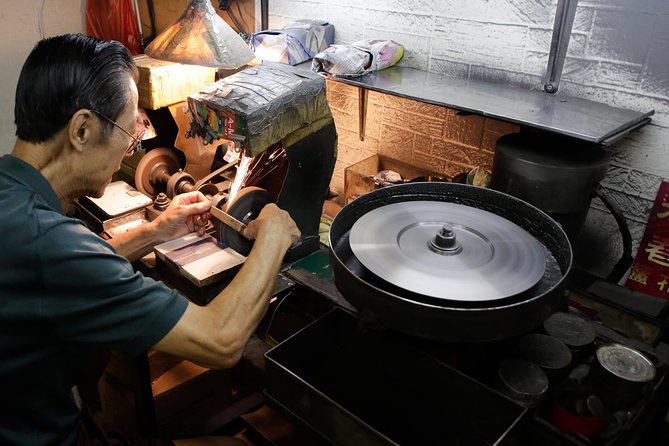
Singapore’s polished skyline gets plenty of attention. This tour takes you somewhere more personal: small workshops where old food-making, coffee-roasting, paper craft, and baking skills are slowly fading. You’ll see the work up close, meet people who still practice it, and move through several parts of the city in one morning.
I especially like the private format, which gives your group room to ask questions instead of following a crowd. The air-conditioned minibus is another real plus, since the stops are spread between Chinatown, Bedok, Ang Mo Kio, and Paya Lebar. The main drawback is that four hours goes quickly, and some stops are brief rather than long, hands-on classes.
Key points at a glance
- Chinatown begins the morning with Sachima and fermented biscuits, two traditional foods that are not easy to find through ordinary sightseeing.
- A kopi factory in Bedok explains roasting methods and the local coffee trade, followed by a sample of kopi O, or black coffee.
- The paper house visit offers a direct look at Chinese ancestral offerings and the craft of making paper objects for the afterlife.
- The private tour keeps the pace personal, with guide Stefan able to handle questions and give your group his full attention.
- An old-fashioned bakery in Paya Lebar shows how bread was made before modern shortcuts took over.
- The $112 price makes the most sense for visitors who value access, transport, and interpretation more than a low-cost city walk.
Why these old trades matter in modern Singapore
Singapore is easy to admire through its grand attractions: gardens, temples, towers, hawker centers, and spotless public spaces. But a city changes quickly, and many small trades survive in only a few family businesses or specialist workshops.
That is the point of this tour. You are not simply looking at old objects behind glass. You are seeing working techniques, ingredients, tools, and customs that still have a place in daily life, even as fewer people learn the trades.
I like this approach because it gives you context for things you may notice elsewhere. A cup of kopi becomes more than a strong local coffee. Paper offerings become more than colorful objects outside a temple. Traditional bread and snacks become clues to Singapore’s Chinese food culture and changing tastes.
The morning also takes you well beyond one neighborhood. The route begins at 69 Pagoda Street in Chinatown at 9 a.m., then uses a comfortable air-conditioned minibus to reach stops in Bedok, Ang Mo Kio, and Paya Lebar. That makes this more useful than a standard walking tour if you want to connect parts of Singapore that you would not easily visit in one short outing.
More offbeat corners of Singapore:
- Private Singapore Tour with a Local, Highlights & Hidden Gems 100% Personalised
★ 5.0 · 475 reviews - Singapore PRIVATE TOUR: Highlights & Hidden Gems by CAR or Foot
★ 5.0 · 227 reviews - Private Singapore Walking Tour: City Highlights & Hidden Gems
★ 5.0 · 84 reviews
Chinatown: Sachima, fermented biscuits, and the first taste of tradition
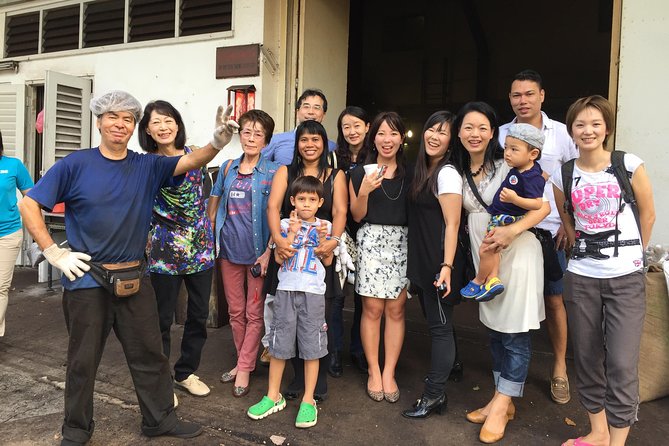
The tour starts in Chinatown with two traditional trades connected to food: Sachima and fermented biscuits. The visit lasts about 45 minutes, and admission is included.
Sachima is a handmade Asian snack with a granola-bar-like appearance. It is made from fried or prepared strands bound into a sweet, compact treat. The name may be unfamiliar, and that is part of the appeal. You are not being led to another famous food stall that appears on every city guide. You are being shown a specialty that requires a person to keep making it.
The fermented biscuits add another layer. Fermentation is a slow, old-fashioned process, and it gives food a taste and texture that factory-made snacks often lack. I would pay attention here to the methods as much as the sampling. Ask how the ingredients are prepared, how long the process takes, and how demand has changed.
This stop is a good fit for curious eaters, but it is not a full breakfast tour. The portions are samples, not a meal, so you should arrive ready for a morning of tasting rather than expect food to replace breakfast.
Starting in Chinatown also helps you get oriented. The meeting point on Pagoda Street puts you in one of Singapore’s most historic areas, and the tour gives you a reason to look beyond the temples, souvenir shops, and familiar food courts. If you plan to return to Chinatown later, this first stop can help you understand the neighborhood with more purpose.
Bedok: learning how Singapore makes its kopi
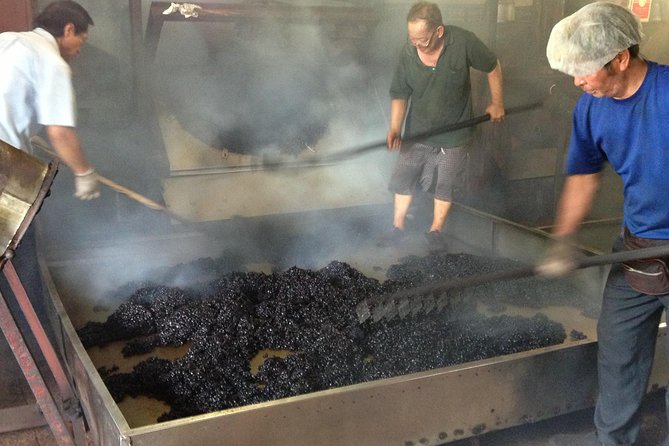
Next comes a traditional coffee-roasting factory in Bedok. The visit takes about 30 minutes and includes a sample of kopi O, the local black coffee style.
Singapore’s kopi culture is not simply about caffeine. It is about roasting, blending, serving, and ordering coffee in a local way. At the factory, you learn about the origins of the drink in Singapore, the tricks of the trade, and the roasting techniques that shape its flavor.
The short time here is enough for an introduction, but not for a full coffee course. You will not be spending half a day comparing beans or learning professional brewing methods. Instead, you get a focused look at a local industry that is easy to enjoy without understanding.
The kopi O sample matters because it turns the explanation into a taste. You can connect the roasting process with the finished cup and ask questions while the details are fresh. If you already know Singaporean coffee, this stop may still add useful background. If kopi is new to you, it gives you a better starting point for ordering coffee during the rest of your trip.
I also like the way this stop changes the rhythm of the morning. After Chinatown’s snacks, you move into production and roasting. It is a reminder that food traditions include both recipes and the work behind them.
Ang Mo Kio: paper houses and ancestral offerings
The paper house visit in Ang Mo Kio is likely to be the most unfamiliar stop for many people. It lasts about 45 minutes and focuses on the craft of making paper objects used as offerings to ancestors.
A master of the trade explains how Chinese families pray and pay their respects by burning paper objects as a symbolic offering to the afterlife. These objects can represent useful goods, clothing, money, and other items associated with care for family members who have died.
This is not a decorative craft visit alone. The objects make more sense when you understand the belief behind them. The practice shows how remembrance can be expressed through making, presenting, and burning things, rather than only through prayer or a visit to a grave.
You should approach this stop with respect. It deals with religion, family, death, and ritual, so it is more meaningful if you listen carefully and avoid treating the objects as simple souvenirs. The guide’s role is important here. A private setting gives you a better chance to ask polite questions about what the offerings mean and how the custom is changing.
This stop may be the strongest reason to choose the tour over a standard food walk. It offers access to a specialist craft that is difficult to discover on your own. The setting may also challenge your assumptions about what counts as art, trade, or religious practice.
Keep in mind that the visit is a demonstration and explanation, not a workshop where you make a paper house yourself. If you want a long hands-on craft lesson, this is not that kind of experience. If you want cultural background and direct contact with a trade that is gradually disappearing, it is a valuable part of the morning.
Same island, a completely different afternoon:
- Lion City Bike Tour of Singapore
★ 5.0 · 6,211 reviews - Singapore: Gardens by the Bay Bundle Entry Ticket
★ 4.3 · 3,726 reviews - Singapore: Big Bus Hop-On Hop-Off Tour by Open-Top Bus
★ 4.5 · 3,261 reviews - Singapore: Lion City Highlights Bike Tour
★ 4.9 · 2,010 reviews
Paya Lebar: bread made the old-fashioned way
The final stop is in Paya Lebar Road Park, where you learn how bread was made the old-fashioned way. This portion lasts about 45 minutes and includes admission.
The tour description does not promise a full baking class, so I would expect to watch and learn rather than knead and bake an entire loaf from start to finish. You may see older methods, preparation steps, and the care involved in making bread with less reliance on modern equipment.
Freshly made bread is included as a sample, which gives the stop a satisfying finish. After tasting snacks and kopi, you get one more food connection, this time with a basic item that appears on tables every day.
The value here is in seeing how ordinary bread can carry local history. Modern bakeries make bread quickly and consistently, but older methods often depend more on timing, touch, and repeated practice. That human skill is easy to overlook when you buy a loaf from a supermarket.
This is also a good stop for people who prefer practical demonstrations to museum displays. You get to see a process in use, then taste the result. The session is still fairly short, so anyone hoping for a detailed professional baking lesson should adjust expectations.
What the private format changes
This is a private activity, meaning only your group takes part. That matters more here than it would on a simple sightseeing drive.
The stops involve questions. You may want to ask why a coffee roast is handled in a certain way, what makes a biscuit fermented, or why a particular paper offering is made. In a large group, those questions can be rushed. With a private guide, you can spend a little longer on the parts that interest you and move on from the ones that do not.
Guide Stefan is singled out for his ability to answer questions and explain the places clearly. I would treat that as a meaningful strength, especially because the tour connects food, religion, craft, and local history rather than following one narrow theme.
The transport is a small air-conditioned bus or minibus. Singapore can be hot and humid, so this is not a minor comfort. You will still walk at the stops, but you are not responsible for navigating the city by yourself between four separate areas.
The tradeoff is that a private tour costs more than a group walk or self-guided food outing. You are paying for the guide, vehicle, access to specialist businesses, and the convenience of seeing several districts in four hours. At $112 per person, the price is easiest to justify for couples, families, or small groups who want an efficient and unusual morning.
How the four-hour pace feels
The planned timing adds up to roughly three hours of visits, with the remaining time used for transportation and movement between stops. That is a sensible structure for a half-day tour, but it leaves little room for delays or long conversations at every location.
You should expect a steady pace. Each stop has a clear purpose, and the route keeps changing. That variety is a strength if you get bored with long talks, but it can feel quick if one trade captures your imagination.
I would set aside the full morning and avoid scheduling a major attraction immediately afterward. The tour ends back at the meeting point, but traffic and time at the stops can affect the exact finish. Starting at 9 a.m. also means you should eat a light breakfast first, especially if you consider the samples part of the experience rather than a meal.
The mobile ticket is convenient, and confirmation is provided at booking. Most people can participate, according to the supplied tour details, but anyone with mobility concerns should ask the operator about the amount of walking and the exact vehicle arrangements before reserving.
Who will get the most from this tour
I would recommend this experience to you if you want Singapore through its working traditions rather than only its major sights. It suits people who enjoy food history, small businesses, cultural customs, and conversations with craft specialists.
It is especially useful for a first visit because Chinatown helps you get your bearings, while the minibus introduces parts of the city you might not reach on your own. It can also work well later in a trip, when you already know the big attractions and want something less familiar.
Families with older children may appreciate the range of subjects. The coffee, snacks, bread, and paper objects give the morning enough variety to hold attention. Still, the religious and ancestral material may be better suited to children who can listen respectfully.
I would think twice if you want a slow food crawl, a shopping trip, or an active cooking lesson. The experience is about access and explanation. You taste a few things, but the main reward is understanding how the trades work and why they matter.
Price, timing, and cancellation advice
At $112 per person, this is not a bargain tour in the narrow sense. It becomes better value when you count the private guide, air-conditioned transport, four separate areas, specialist visits, and tastings. Re-creating the same route independently would take planning and may not get you inside the same businesses.
The tour is often booked about 63 days ahead, so I would reserve early if your dates are fixed. That is particularly sensible for a private activity with a minimum number of participants.
Free cancellation is available if you cancel at least 24 hours before the 9 a.m. start time. Changes or cancellations inside that window are not refunded. The tour can also be moved or refunded if poor weather affects the experience or if the minimum number is not reached.
Should you book Disappearing Trades?
Book it if you want a private, well-organized look at parts of Singapore that are difficult to find independently. The paper house maker, the kopi factory, and the old-style food stops give the morning a strong sense of place, while the minibus keeps the route comfortable.
The best match is a curious visitor who values access and context more than a long list of famous sights. If your ideal tour includes a small group, good questions, local food samples, and trades that may not survive forever, this is a smart choice.
Skip it if you mainly want a full meal, extensive shopping time, or a hands-on baking class. For everyone else, the $112 cost is reasonable for a private half-day that shows you a quieter, more personal side of Singapore.
FAQ
Where does the tour start?
It starts at 69 Pagoda Street in Singapore at 9 a.m.
Where does the tour end?
The activity ends back at the meeting point.
How long does the experience last?
The tour lasts approximately four hours.
Is this a private tour?
Yes. Only your group participates in the activity.
What coffee is included?
You receive a sample of kopi O, which is black coffee.
Can I cancel for a full refund?
Yes, if you cancel at least 24 hours before the experience start time. Cancellations made less than 24 hours in advance are not refunded.
Recently added around Singapore
- The Real Singapore Heartland Walking Food Tour★ 5.0 · 4 reviews
- Vegetarian Culinary Adventure in Singapore★ 5.0 · 7 reviews
- Singapore’s Marina Bay Wonders and Heritage Tales, Chinatown★ 5.0 · 5 reviews
- Singapore’s Hidden Treasures: A Cultural Private Tour★ 5.0 · 3 reviews
- Private Tour Singapore Street Food & Night Tour★ 5.0 · 4 reviews
- Singapore – Albatross Speedboat Adventures Cruising in Sentosa★ 5.0 · 3 reviews
- Small Group Full Day Singapore City Tour with Roundtrip Transfers★ 4.0 · 11 reviews
- Tastes of Chinatown★ 5.0 · 4 reviews
Singapore Hidden Gems Tours, compared.
Singapore PRIVATE TOUR: Highlights & Hidden Gems by CAR or Foot
Read our review →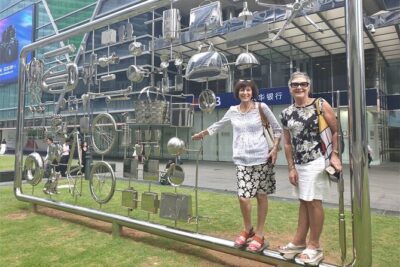
Private Singapore Walking Tour: City Highlights & Hidden Gems
Read our review →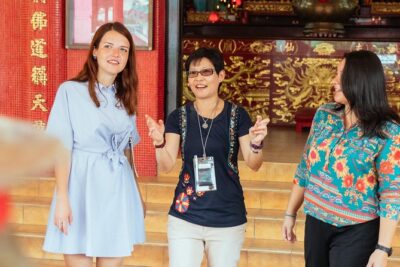
Off the Beaten Track in Singapore: Private City Tour
Read our review →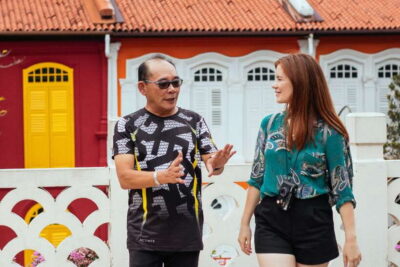
Singapore: Private Tour w/ Locals – Highlights & Hidden Gems
Read our review →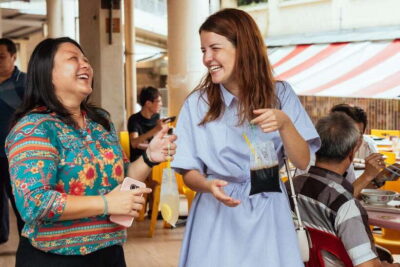
Singapore: 2.5-Hour Private City Tour Off the Beaten Track
Read our review →
Chinatown Hidden Treasures Local Guided Walking Tour
Read our review →
Singapore: Chinatown Hidden Treasure Walking Tour with Snack
Read our review →Browse the lists this tour appears in