
Reviewed · SINGAPORE FOOD TOURS
Singapore Private Food, Culture and Heritage Tour with 9 tastings
Singapore’s food story is best understood one neighborhood at a time. This private tour links Chinatown, Little India, and Kampong Glam, with hawker food, old shophouses, temples, markets, mosques, and local transport along the way. You get a useful introduction to how Chinese, Indian, Malay, and other communities shaped Singapore’s table.
I like the personal format, since your guide can adjust the pace and explain dishes in plain terms. I also like that the route uses MRT and buses, not just a tour vehicle, so you see a little of daily city life. The main caution is price: at $185.75 per person, the tour needs to deliver a full set of tastings for you to feel it is good value.
Key points at a glance
- Nine to ten local tastings: Food and drinks represent Singapore’s main ethnic traditions, but the portions may be shared.
- Three important cultural districts: Chinatown, Little India, and Kampong Glam give the day a clear structure.
- Private guide and private group: Guides named in bookings include Pam, Walter, Marcus, Swee Lin, Raynee, Bryan, and others.
- Public transport is part of the lesson: MRT and bus rides help connect the neighborhoods and show how Singapore works.
- A six-hour city sampler: The route ends around Marina Bay Sands and includes a River Cruise on the six-hour option.
- Fixed food selection: Dietary needs are not generally customized, so ask before booking if food restrictions matter.
Three neighborhoods, one very full plate
This is not simply a meal with a few historical comments added. It is a city tour built around food, and that distinction matters.
You begin near Chinatown MRT Exit A, then move through several districts before finishing at Marina Bay Sands. Along the way, your guide explains where early immigrants lived, how religious buildings fit into each neighborhood, and why hawker centers are central to Singaporean life.
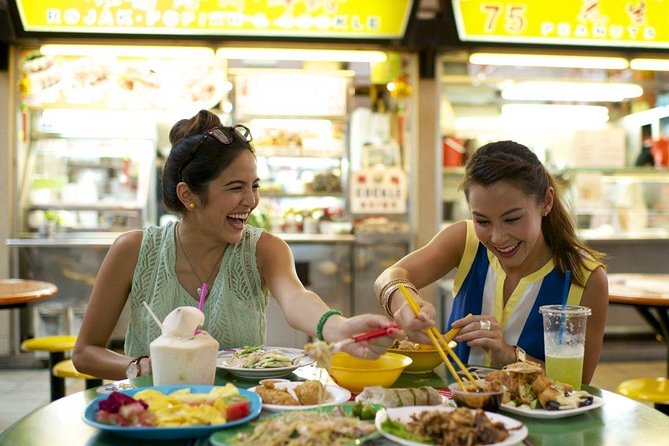
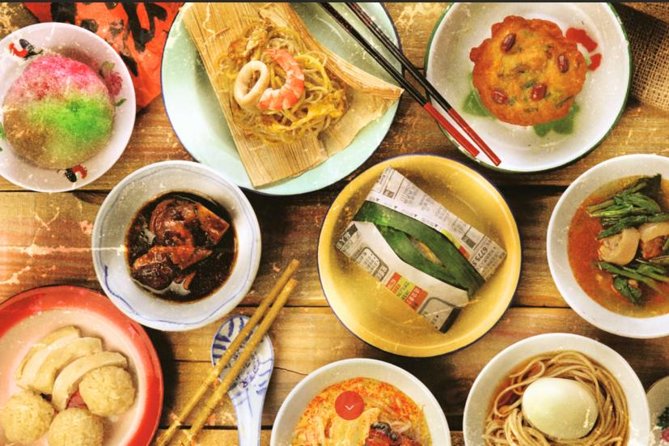
The advertised food component is nine to ten local dishes and drinks. That sounds substantial, and sometimes it is. Some people have found the amount just right, while others have found the food too limited or shared between two people. I would treat the tastings as introductions rather than a guaranteed full day of individual meals.
The strongest part of the experience is the guide. Names attached to especially warm feedback include Pam, Walter, Marcus, Swee Lin, Raynee, Bryan, and Cecilia. The best guides personalize the route, explain the food as it arrives, and add stories about family, politics, migration, and modern Singapore. A less effective guide may spend too much time around shops or offer little explanation while you eat.
More food tours in Singapore:
- Small Group: Michelin and Local Hawker Food Tour with 9 tastings
★ 5.0 · 1,890 reviews - Small Group: Singapore Street Food & Night Tour with 9 tastings
★ 5.0 · 1,240 reviews - The Award-Winning PRIVATE Food Tour: 10 Tastings of 3 Cultures
★ 4.5 · 1,017 reviews
Starting in Chinatown at Kreta Ayer
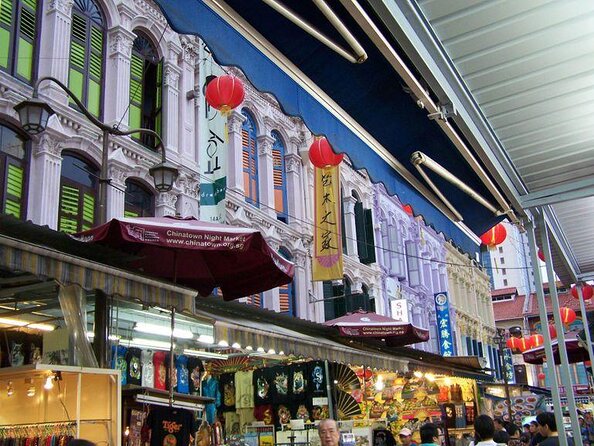
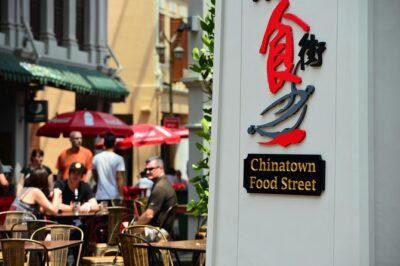
The day begins at Kreta Ayer Square, a useful place to discuss Singapore’s mix of communities. There is no single Singaporean identity, and the architecture here makes that point quickly. Chinese temples, old shophouses, market streets, and modern development sit close together.
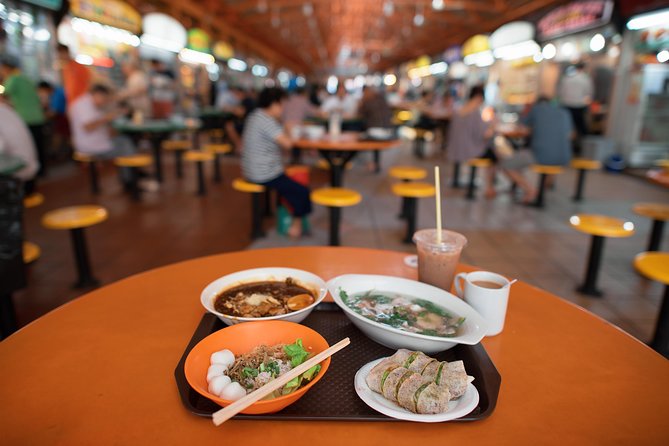
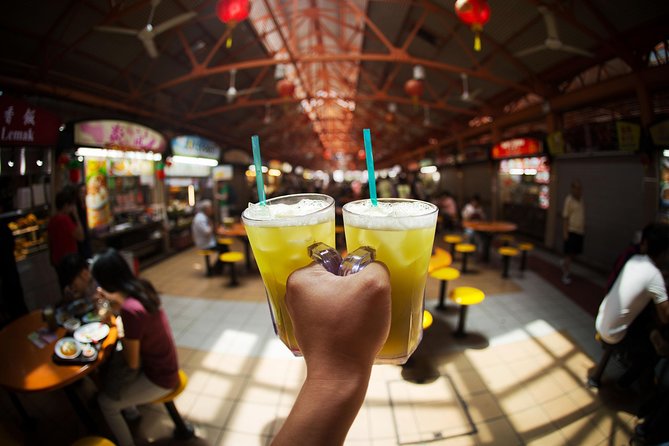
You then move toward the Chinatown Complex, which includes a hawker center and wet market. This is one of the most useful stops for understanding how locals eat. A hawker center is not just a collection of cheap food stalls. It is a daily meeting place, a practical part of city life, and one of the clearest ways to see Singapore’s food traditions side by side.
The pace is brisk. The published plan gives roughly 15 minutes to many stops, so you should expect short explanations and photo opportunities rather than long museum visits. If you want to browse every stall or sit down for a leisurely meal, six hours will feel tight.
Sago Street and the old Chinatown stories
Sago Street, once known as the Street of the Dead, brings a darker chapter into the tour. Your guide explains the early immigrant experience and the street’s former role in Chinatown. This gives the food stops more meaning, since the dishes are tied to migration, work, religion, and survival rather than presented as isolated snacks.
The Buddha Tooth Relic Temple and Museum is mainly a photo stop on this route. It is an impressive landmark in the middle of Chinatown, but admission to interior attractions is not listed as part of the tour. Plan on hearing about the building and taking photographs rather than receiving a full museum visit.
The Chinatown Heritage Centre and nearby old shophouses add another layer. The point here is to picture how people lived and worked in narrow, crowded buildings a century ago. If your guide uses historic photos or a tablet, as some guides have done, the contrast between old Chinatown and today’s polished streets becomes much easier to grasp.
Food may appear in this first section, but the exact dishes are not fixed in the information provided. That is important. You are promised local ethnic food and drinks, not a named menu. A private guide may select dishes based on what is available, the group’s preferences, and the timing of the route.
Little India through scent, color, and regional food
From Chinatown, the tour continues to Little India, where the mood changes quickly. The route introduces Indian traditions and the difference between North and South Indian food. That distinction is useful, especially if you are new to the range of Indian cooking in Singapore.
At Tekka Centre, you learn about the market and its must-try local foods. This is one of the more practical stops because your guide can point out dishes you might return for later. Tekka is also a good place to ask questions about ingredients, spice levels, and how Singapore’s Indian food differs from what you know at home.
The route includes Little India Arcade and Campbell Lane, with time for photographs and neighborhood context. The House of Tan Teng Niah, a colorful historic house, is another photo stop. It is visually memorable, but the tour does not promise an interior visit.
One useful point from the food feedback is that the balance can vary. Some people have received a wide range of savory dishes, sweets, and drinks. Others have found the food weighted toward desserts and drinks, with no meat dishes. If you have a particular goal, such as trying chicken rice, seafood, or a favorite Indian dish, tell the guide early. Do not assume every famous Singaporean dish is included.
Same island, a completely different afternoon:
- Lion City Bike Tour of Singapore
★ 5.0 · 6,211 reviews - Singapore: Gardens by the Bay Bundle Entry Ticket
★ 4.3 · 3,726 reviews - Singapore: Big Bus Hop-On Hop-Off Tour by Open-Top Bus
★ 4.5 · 3,261 reviews - Singapore: Lion City Highlights Bike Tour
★ 4.9 · 2,010 reviews
Kampong Glam and Singapore’s Malay heritage
The final major neighborhood is Kampong Glam, a former Malay quarter that now mixes heritage buildings with modern cafes, shops, and nightlife. The tour presents it as both a Malay cultural district and a contemporary part of the city.
At the Malay Heritage Centre, the guide points out the venue for a possible visit after the tour. Admission is not listed as included, so you should not expect a full guided museum visit during the six-hour route.
The Sultan Mosque is another photo and orientation stop. Its golden domes and broad frontage make it one of the easiest landmarks in Singapore to recognize. Nearby Arab Street provides context about the district’s name, shops, and local character.
This part of the route can feel less food-focused than Chinatown or Tekka Centre. It is valuable if you want to understand Singapore’s Malay and Arab influences, but it may disappoint you if your main aim is a constant stream of dishes. The tour is strongest when you see it as a culture walk with food built into it.
Bugis, the river, and the final city view
The route may continue through Bugis, an area associated with shopping, drinks, food, photography, and massage services. It is a modern counterpoint to the older quarters. The stop helps show how Singapore’s neighborhoods change from heritage districts into commercial city zones.
From there, the tour heads toward Clarke Quay and the Singapore River. Clarke Quay is lined with restaurants, bars, and entertainment venues, while the river explains much of Singapore’s early trade and later urban growth. The river section is allotted more time than most individual landmarks, which suggests a chance to slow down near the end of the day.
The included River Cruise applies to the six-hour option. Since the tour ends in a different location, check the precise timing with the operator before booking if the cruise is important to you. The advertised final point is Marina Bay Sands, where the tour finishes after a short look at the resort and surrounding area.
Ending there makes practical sense. You can continue sightseeing, find a meal, or return to your hotel on your own, but there is no hotel drop-off included.
What the food tastings are really worth
The tour costs $185.75 per person, so the value question cannot be avoided.
Singapore’s hawker food is generally affordable when purchased directly. If you are measuring the price only by the cost of the food, this tour is unlikely to look like a bargain. The strongest case for the fee is the private guide, route planning, transport help, cultural explanation, and the time saved deciding where to eat.
The menu is fixed rather than fully customized. The food may be shared, and at least one meal arrangement has involved one portion or drink for two people. That is a serious point for couples: paying for two places does not always mean receiving two separate servings of every item.
At the same time, some guides have provided a generous spread that left people very full, especially in Singapore’s hot and humid weather. You may want a light breakfast, but do not arrive expecting to eat an unlimited quantity. Bring water and pace yourself.
I would book this for the guidance and access to local eating places, not as a cheap way to buy nine full meals. If you are comfortable paying for a private cultural tour and want someone else to handle the route, the price may make sense. If you simply want to eat as much hawker food as possible, exploring independently will likely cost much less.
The private format and guide quality
Only your group participates, which is a real advantage. You can ask questions without holding up a large party, and a good guide can adjust the conversation to your interests.
The guide names associated with particularly strong experiences include Pam, who has adapted food selections for dietary needs in some cases; Walter, praised for humor and personal stories; Marcus, who has been appreciated for the balance of history and food; and Swee Lin, who has handled food choices efficiently and explained each area in detail.
Other named guides include Raynee, Bryan, Cecilia, Raymond Teo, Justin, Andrew, Leo, Simon, and Ping. The experience can therefore depend heavily on who is assigned. Some guides may wait in line for the next dish while you eat, which keeps the day moving. Others may provide more history than food, or spend too long near shops.
I would make your priorities clear at the start: food quantity, specific dishes, dietary needs, photography, heritage, shopping, or transport. The more direct you are, the easier it is for the guide to shape a private tour around your group.
Walking, weather, and practical comfort
This is a six-hour outing with a moderate amount of walking outdoors. You also use public transport, so comfortable shoes matter more than stylish ones. Singapore can be hot and humid, and the day may feel long if you are not used to walking between stops in that weather.
The tour operates rain or shine. Bring an umbrella or poncho and water. The route includes markets, streets, transport stations, heritage districts, and open areas, so weather can affect your comfort even if the main food stops are indoors.
Hotel pickup is available when you select that option, but there is no hotel drop-off. The standard meeting point is at Chinatown MRT Exit A, at New Bridge Road. Guests are asked to be punctual, and that matters here because the route uses timed transport and food stops.
The tour is not suitable for people who need walking assistance. It is also a poor fit for strict dietary restrictions unless the operator confirms an adjustment in advance. The published food plan is fixed, although some guides have made changes for individual needs in practice.
Who should book this Singapore tour?
I would choose this tour for a first visit, a short stay, or a single day in Singapore when you want a quick grasp of the city’s food and cultural structure. It is also useful if you are unsure how to use hawker centers or public transport and would rather have a local guide lead the way.
It suits curious eaters who enjoy tasting small portions and learning the story behind them. It also works well for couples and families who value a private pace, though couples should confirm how tastings are portioned.
I would hesitate if your top priority is a long, food-heavy crawl with individual servings. I would also hesitate if you dislike walking, cannot eat the fixed menu, or want extensive interior visits at the temples and museums. The tour visits many landmarks, but several are short orientation or photo stops.
Should you book it?
Book this if you want a private introduction to Singapore through three major ethnic districts, with food, history, public transport, and a river cruise woven into one long day. The guides can make it personal, and the best ones turn a simple hawker stop into a lesson about migration, family, and daily life.
Think twice at $185.75 if you are judging value by food alone. Before paying, confirm the expected tastings, how portions are served, whether the River Cruise is included in your chosen duration, and whether your dietary needs can be handled. For a first look at Singapore with a strong guide, it can be a convenient and memorable choice. For maximum food at minimum cost, go independently.
FAQ
How long does the Singapore food and culture tour last?
The tour lasts approximately six hours. The included River Cruise applies to the six-hour option.
Where does the tour begin?
The standard meeting point is Chinatown MRT Exit A, at New Bridge Road, Singapore 059443. Hotel pickup is available when you select the pickup option.
Where does the tour end?
The tour ends at Marina Bay Sands, in a different location from the starting point. Hotel drop-off is not included.
How many food tastings are included?
The tour includes nine to ten local ethnic food dishes and drinks. The specific menu is not listed, and food items are generally fixed.
Does the tour use public transportation?
Yes. Public transport, including MRT and bus travel, is included as part of the experience.
Can I cancel for a full refund?
Yes, if you cancel at least 24 hours before the scheduled start time. Cancellations or changes made less than 24 hours in advance are not accepted for a refund.
More Heritage Tours in Singapore
- Historical Singapore Bike Tour on Full-Sized Bicycles
★ 5.0 · 1,421 reviews - Singapore: Historical Half-Day Bike Tour
★ 4.8 · 399 reviews - Singapore Group History & Culture Walking Tour
★ 5.0 · 160 reviews - Singapore: Chinatown Historic Walking Tour with Lunch
★ 5.0 · 134 reviews
Recently added around Singapore
- The Real Singapore Heartland Walking Food Tour★ 5.0 · 4 reviews
- Vegetarian Culinary Adventure in Singapore★ 5.0 · 7 reviews
- Singapore’s Marina Bay Wonders and Heritage Tales, Chinatown★ 5.0 · 5 reviews
- Singapore’s Hidden Treasures: A Cultural Private Tour★ 5.0 · 3 reviews
- Private Tour Singapore Street Food & Night Tour★ 5.0 · 4 reviews
- Singapore – Albatross Speedboat Adventures Cruising in Sentosa★ 5.0 · 3 reviews
- Small Group Full Day Singapore City Tour with Roundtrip Transfers★ 4.0 · 11 reviews
- Tastes of Chinatown★ 5.0 · 4 reviews
Singapore Food Tours, compared.
Small Group: Michelin and Local Hawker Food Tour with 9 tastings
Read our review →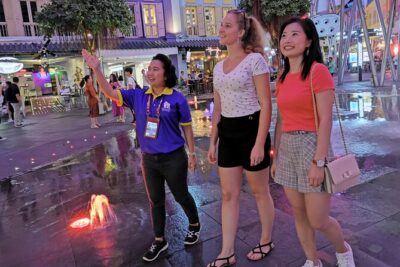
Small Group: Singapore Street Food & Night Tour with 9 tastings
Read our review →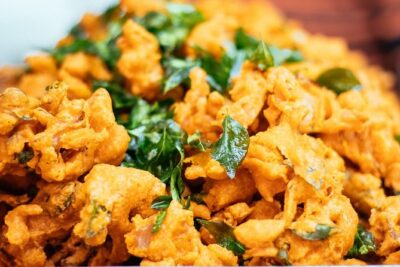
The Award-Winning PRIVATE Food Tour: 10 Tastings of 3 Cultures
Read our review →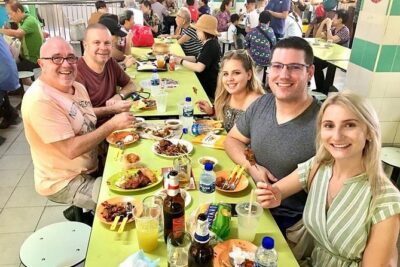
Singapore: Chinese, Indian & Arabic Quarters, Culture & Food Tour
Read our review →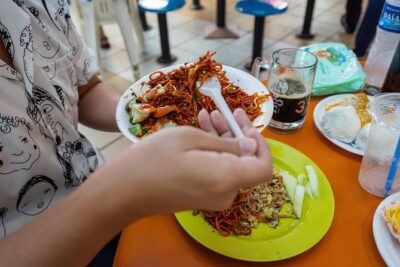
Singapore: UNESCO Street Food & Cultural Experience
Read our review →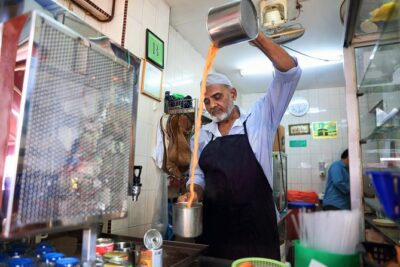
Small-Group Food Tour With Hawker Center: Eat Like A Local
Read our review →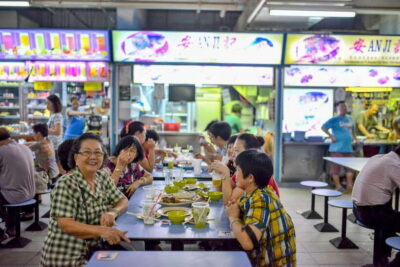
Singapore: Foodie Experience Guided Tour with 5 Tastings
Read our review →
Browse the lists this tour appears in