
Reviewed · SINGAPORE HIDDEN GEMS TOURS
Public Housing – Into the HDB Heartlands
Singapore’s famous skyline tells only part of the story. In Toa Payoh, you see how most Singaporeans live, shop, eat, commute, and choose their homes. This small-group experience explains the public housing system through model flats, transport links, community spaces, and the personal stories of guides such as Jasmine.
I like the local breakfast, which gives the morning a useful, everyday start rather than another museum coffee. I also like the small maximum of eight people, since it leaves room for questions about HDB life, design, ownership, and the practical choices behind Singapore’s housing system. The one drawback is that this is a walking and learning experience, not a sightseeing tour packed with postcard views.
Key points at a glance
- Start with breakfast at a local coffee stall, with a light meal included in the price.
- See Toa Payoh’s transport hub, a useful example of how housing, buses, and rail are planned together.
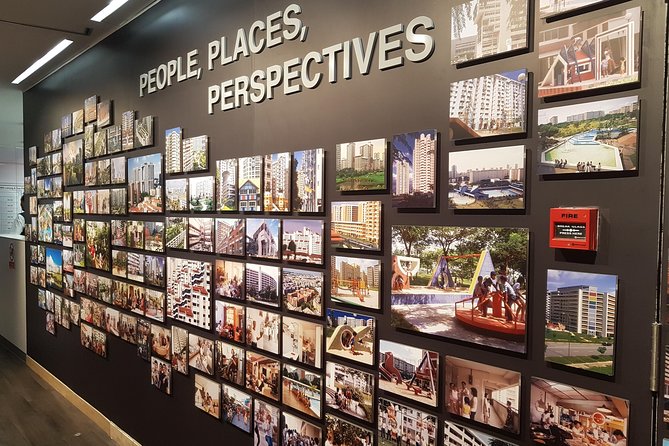
- Spend an hour at HDB LivingSpace, where the public housing story is explained through displays and models.
- Walk through model apartments at My Nice Home Gallery, with practical interior ideas for typical HDB flats.
- Visit HDB Hub and a heartland mall, seeing where people choose flats, handle resale business, shop, eat, and relax.
- Keep the group personal, with no more than eight people and a guide who can answer questions from everyday experience.
Why Toa Payoh is the right place to study Singaporean life
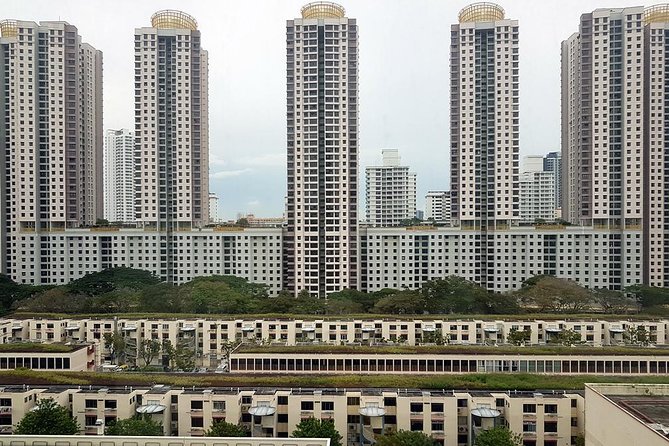
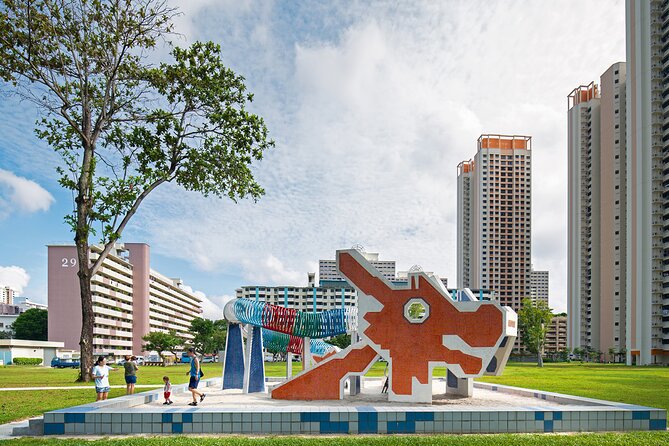
Toa Payoh is not Singapore’s glossy postcard center. That is precisely why it works. The area lets you look at the system behind the city’s polished public image: housing estates, bus connections, shopping, community rooms, and the government office that helps manage public housing.
The experience is especially useful if you want to understand how Singapore functions beyond the Marina Bay skyline. HDB, short for Housing and Development Board, has provided homes for millions since the period before Singapore’s independence. You are not simply looking at apartment blocks from the outside. You are following the system through its transport links, sales center, display apartments, and neighborhood facilities.
I would put this near the top of the list for anyone interested in urban planning, architecture, public policy, or city design. It also suits anyone who has wondered how Singapore manages to house so many people in a compact city.
The tour lasts about three hours and begins at 9:00 a.m. at Toa Payoh MRT Station, at 510 Lorong 6 Toa Payoh. Since the activity returns to the same meeting point, the route is easy to fit into a morning before another Singapore plan.
More offbeat corners of Singapore:
- Private Singapore Tour with a Local, Highlights & Hidden Gems 100% Personalised
★ 5.0 · 475 reviews - Singapore PRIVATE TOUR: Highlights & Hidden Gems by CAR or Foot
★ 5.0 · 227 reviews - Disappearing Trades
★ 4.5 · 126 reviews
Toa Payoh Interchange shows the town as a connected system
The first stop is Toa Payoh Bus Interchange, where you spend about 10 minutes looking at the area’s role as a transport node. This is a short stop, but it sets up the main idea of the morning: HDB towns are planned as more than rows of flats.
The interchange functions as part of an integrated transport hub. That means housing, buses, rail connections, shops, and public services are considered together rather than treated as separate pieces. Your guide can explain how residents move through the town and why transport access matters when large housing estates are planned.
Do not expect an extended transport lecture here. Ten minutes is enough to get your bearings and understand the connection between homes and daily movement. If you are particularly interested in transit design, this is a useful introduction, but the later galleries provide more time for detailed explanation.
Breakfast makes the morning feel local
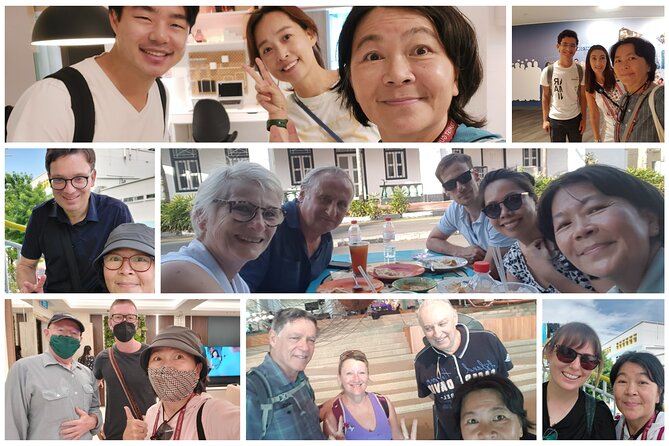
The next stop is a local coffee stall, where a light breakfast is included. You spend roughly 30 minutes here, enjoying the sort of morning meal that many residents know well.
This is one of the strongest parts of the experience because it gives the subject a human scale. HDB policy can sound abstract when you only see charts, models, and statistics. Sitting down for breakfast connects the housing system to ordinary routines: getting food, meeting people, and starting the day close to home.
The exact breakfast details are not specified, so you should think of it as a simple local meal rather than a full food tour. If breakfast is a major reason for booking, keep your expectations modest. The main purpose is to eat at a typical coffee stall and talk with your guide, not to sample a long list of dishes.
That said, the setting matters. You are not being taken to a restaurant designed for sightseeing. You are seeing a normal part of a heartland town, which helps explain how neighborhood life works.
HDB LivingSpace explains the housing system
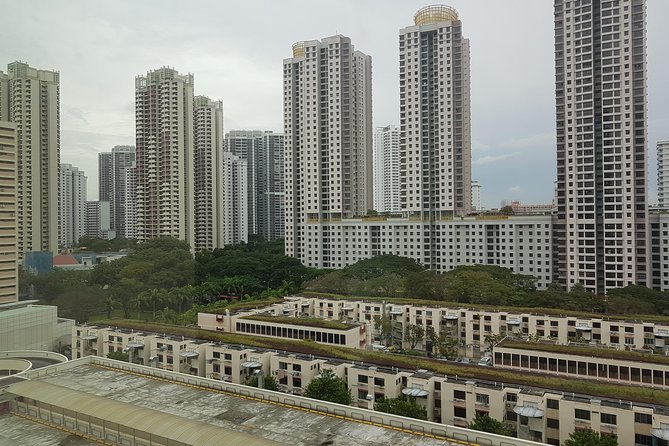
The largest stop is the HDB Gallery, also called LivingSpace, at HDB Hub. You spend about one hour here, making it the central educational part of the morning.
The gallery tells the story of the Housing and Development Board and its role in providing homes for millions. This is where the broad questions come into focus: how public housing developed, how towns are planned, and how government housing affects daily life in Singapore.
I like that the gallery gives you context before you visit the show apartments. Without that background, a model flat can seem like a display of furniture and floor plans. With it, you can pay attention to the decisions behind the homes and the way individual flats fit into larger communities.
The stop should appeal to students and professionals in urban planning and design, but you do not need a technical background. A strong guide can translate the subject into clear, practical terms. Jasmine is specifically praised for answering questions and adding personal stories about HDB life, so ask about the parts that interest you rather than quietly following the group.
Allow the full hour. This is not a quick photo stop. It is where you gain the facts needed to understand the rest of Toa Payoh.
Same island, a completely different afternoon:
- Lion City Bike Tour of Singapore
★ 5.0 · 6,211 reviews - Singapore: Gardens by the Bay Bundle Entry Ticket
★ 4.3 · 3,726 reviews - Singapore: Big Bus Hop-On Hop-Off Tour by Open-Top Bus
★ 4.5 · 3,261 reviews - Singapore: Lion City Highlights Bike Tour
★ 4.9 · 2,010 reviews
My Nice Home Gallery puts you inside a typical flat
At My Nice Home Gallery, you spend about 30 minutes looking at show units designed to represent typical HDB apartments. The gallery aims to give the public ideas for interior design and a sense of how these homes can be arranged.
This part is more practical than the main HDB gallery. You can see how space is used and how a standard flat might be made comfortable. The display apartments also help turn planning ideas into something you can picture at human scale.
I find this particularly useful because housing design is easy to discuss in terms of blocks, densities, and transport maps. A show unit brings the conversation indoors. You get a better sense of the everyday decisions involved in living in a compact urban home.
The limitation is that a display apartment is still a display apartment. It represents possibilities and design ideas, not every household’s actual experience. Treat it as an example rather than a complete picture of HDB interiors.
HDB Hub is the practical center of public housing
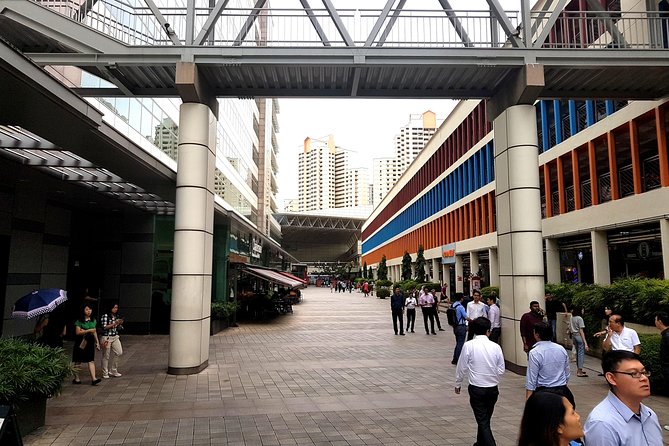
You then spend around 30 minutes at HDB Hub, the main administrative center for public housing. This is where prospective flat owners choose units and where resale transactions take place.
That detail gives the visit real value. You are seeing the place where the housing system becomes practical and personal. A public housing policy is one thing on paper. It becomes much more immediate when people are selecting a home or completing a resale transaction.
The stop also helps you understand that HDB is not only a design or construction agency. It is tied to the process of choosing and transferring homes. Your guide’s personal stories can add useful context here, particularly if you want to ask how residents think about the system in daily life.
The activity does not promise access to private transaction areas or a behind-the-scenes office visit, so keep your expectations focused on understanding HDB Hub’s role. It is an explanatory stop within an active public housing center.
Heartland Mall reveals everyday shopping and leisure
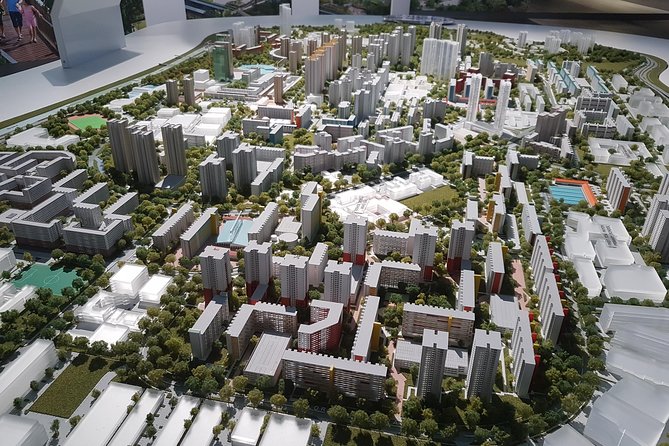
The route continues to a typical heartland mall, where you spend about 10 minutes seeing how residents eat, shop, play, and relax. The short visit gives you a quick look at the commercial side of an HDB town.
This is important because a housing estate is not just a place to sleep. Shops and food outlets need to be close enough for daily errands, and residents need places to spend time without crossing the city. The mall helps show how community life is built into the town center.
Ten minutes will not allow you to explore the mall in detail. Think of this as a guided observation, not free time for shopping. If you want to linger, you may need to return on your own after the tour ends.
The HDB Atrium adds a community angle
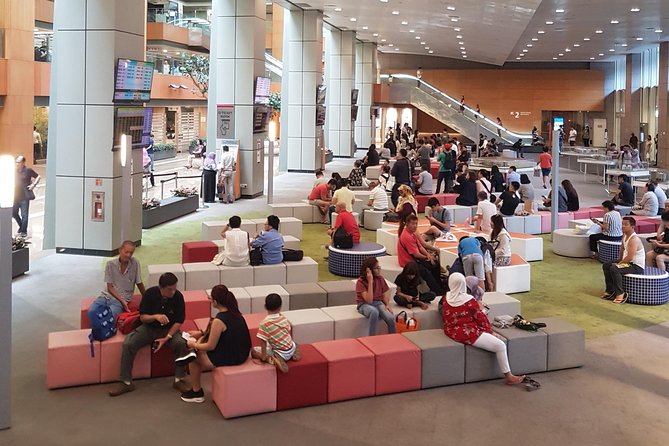
The last stop is the HDB Atrium, another short visit of about 10 minutes. This communal space regularly holds activities and exhibitions for local residents.
After seeing transport, housing displays, sales facilities, and shopping, the atrium completes the picture. It shows how public housing includes shared places for community events, not only private apartments and commercial services.
This stop is brief, and activities or exhibitions may vary. The supplied details do not promise a particular event on the day you visit. Still, the space matters because it shows how residents use common areas within the town.
The tour then returns to the original meeting point at Toa Payoh MRT Station. That makes the morning straightforward and reduces the need to arrange a separate pickup or return route.
What the $52.31 price gives you
At $52.31 per person, the experience is not the cheapest way to spend a morning in Singapore. You could walk through a heartland mall or eat at a coffee stall for much less. The value comes from the access, structure, small group, and explanation.
You are paying for roughly three hours of guided time, a local breakfast, entry to the HDB gallery and model-home displays, and a focused route through several parts of Toa Payoh. The group size is capped at eight, which is a meaningful advantage for a subject that depends on questions and conversation.
I would consider the price fair if you want more than a quick look at an HDB estate. It is less compelling if you prefer independent wandering or have no interest in housing, city planning, or local routines. The activity earns its cost through interpretation rather than expensive admission tickets.
The tour is booked, on average, 16 days ahead, so you should not leave it until the last morning of your Singapore stay if the timing matters. Confirmation arrives at booking, and the experience is near public transportation.
Who will get the most from this morning
I would recommend it most strongly to:
- People who want to understand how ordinary Singaporeans live
- Students of architecture, urban planning, and public design
- Visitors who have already seen the central sights and want a different part of the city
- Anyone curious about public housing policy and home ownership
- People who enjoy asking questions and comparing city systems
It is less suited to anyone seeking grand views, major historic monuments, or a food-focused outing. The tour is thoughtful and practical. It is not built around spectacle.
Most people can participate, according to the supplied tour information. You should still expect to move between several nearby stops during the three-hour morning. The group maximum of eight should make the pace easier to manage than a large coach outing.
A guide-led look at real daily life
The guide makes a major difference here. Jasmine is specifically noted for combining clear explanations with personal stories and for taking questions seriously. That matters because HDB housing can be misunderstood if it is reduced to statistics or official displays.
Use the time well. Ask about the relationship between housing and transport, what the model apartments represent, how residents use heartland malls, and how HDB Hub fits into the process of choosing or reselling a flat. The tour is strongest when you treat it as a conversation rather than a lecture.
The subject also invites comparison with housing in your own country. One person who took the experience came away wishing for a similar system at home. You may not reach the same conclusion, but the tour gives you enough detail to think more carefully about what public housing can do and where its limits may lie.
Should you book Public Housing: Into the HDB Heartlands?
Book it if you want a clear look at Singapore beyond the polished center. The coffee-stall breakfast, small group, model apartments, HDB displays, and guide-led discussion create a useful three-hour portrait of daily life in Toa Payoh.
I would give it priority if you study cities or simply want to understand how Singapore works. Skip it if you want a fast list of famous sights or a full culinary experience. For the right audience, $52.31 buys more than admission to several galleries. It buys context, conversation, and a look at the system that houses much of Singapore.
Free cancellation is available up to 24 hours before the 9:00 a.m. start time. Cancellations or changes made less than 24 hours ahead are not accepted for a refund.
FAQ
Where does the HDB heartlands experience begin?
It begins at Toa Payoh MRT Station, NS19, at 510 Lorong 6 Toa Payoh, Singapore 319398.
What time does the tour start?
The tour starts at 9:00 a.m.
How long does the experience last?
It lasts approximately three hours and ends back at the starting meeting point.
Is breakfast included?
Yes. A light local breakfast at a coffee stall is included.
How large is the group?
The activity has a maximum of eight participants.
Can I cancel for a full refund?
Yes, you can cancel up to 24 hours before the experience start time for a full refund. Changes or cancellations made less than 24 hours before the start time are not accepted for a refund.
Recently added around Singapore
- Singapore’s Marina Bay Wonders and Heritage Tales, Chinatown★ 5.0 · 5 reviews
- The Real Singapore Heartland Walking Food Tour★ 5.0 · 4 reviews
- Vegetarian Culinary Adventure in Singapore★ 5.0 · 7 reviews
- Singapore’s Hidden Treasures: A Cultural Private Tour★ 5.0 · 3 reviews
- Private Tour Singapore Street Food & Night Tour★ 5.0 · 4 reviews
- Singapore – Albatross Speedboat Adventures Cruising in Sentosa★ 5.0 · 3 reviews
- Small Group Full Day Singapore City Tour with Roundtrip Transfers★ 4.0 · 11 reviews
- Tastes of Chinatown★ 5.0 · 4 reviews
Singapore Hidden Gems Tours, compared.

Singapore PRIVATE TOUR: Highlights & Hidden Gems by CAR or Foot
Read our review →
Private Singapore Walking Tour: City Highlights & Hidden Gems
Read our review →
Off the Beaten Track in Singapore: Private City Tour
Read our review →
Singapore: Private Tour w/ Locals – Highlights & Hidden Gems
Read our review →
Singapore: 2.5-Hour Private City Tour Off the Beaten Track
Read our review →
Chinatown Hidden Treasures Local Guided Walking Tour
Read our review →Browse the lists this tour appears in