
Reviewed · SINGAPORE FOOD TOURS
Kopi & Loti
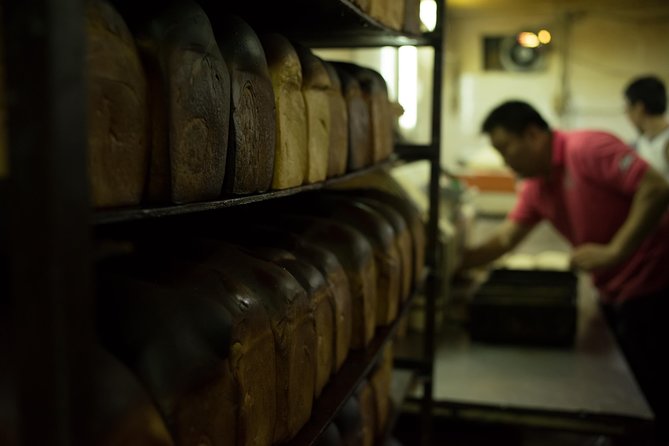
Singapore’s morning fuel is simple: kopi and loti, coffee and bread. This three-hour tour takes you behind the doors of a traditional coffee roastery in Bedok and one of the city’s few old-style bread factories in Paya Lebar. You see roasting methods, taste black kopi, and learn why factory-made bread is not quite the same.
I like the way the tour connects food with working history. I also like the chance to see old equipment and wooden boards still in use, rather than simply hearing a guide talk about the past. The main drawback is the price, $88.60 per person, which is a lot for a three-hour outing unless you value the factory access and personal guiding.
Key points at a glance
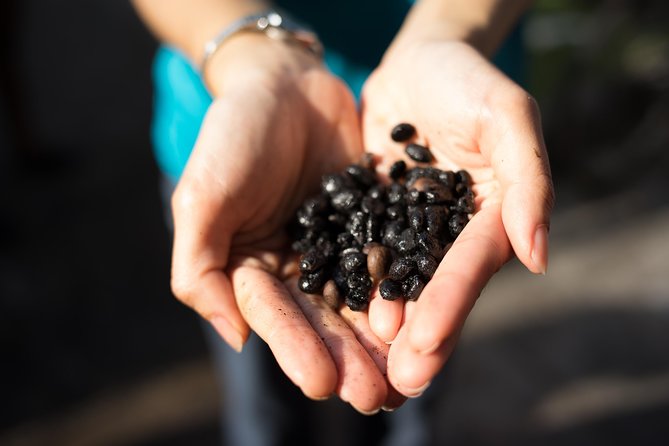
- Coffee-roasting visit in Bedok: Learn where beans come from, how they are roasted, and how local kopi is brewed.
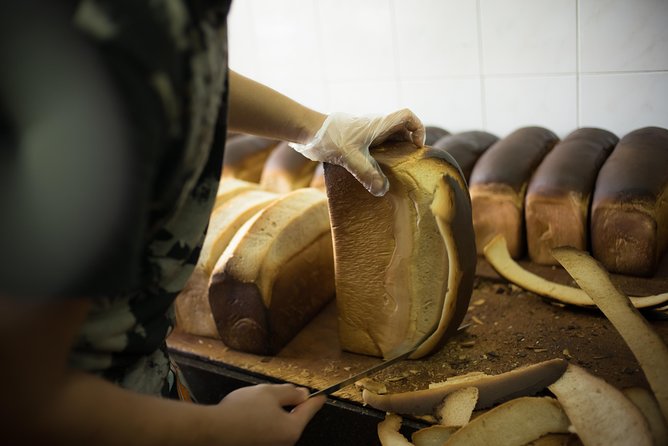
- Traditional bread factory in Paya Lebar: See old equipment and wooden boards at one of only a small number of surviving bakeries.
- Kopi tasting included: Try kopi O, the local black coffee style, during the roastery visit.
- Guides add local context: Boon, Helen, Kenneth, and Andros have led versions of the tour, with history, humor, quizzes, and food stories.
- Chinatown to Tai Seng: Meet at 69 Pagoda Street at 9 a.m. and finish near Tai Seng MRT Station.
- Private group format: The supplied details describe this as a private activity, with only your group participating.
Why kopi and loti tell Singapore’s story
Food tours often focus on eating. This one is more interested in how food gets made, and who still makes it the old way. Kopi and bread are everyday items, but the businesses behind them are becoming harder to find.
Singapore’s traditional coffee trade uses its own vocabulary, roasting habits, and brewing methods. The coffee stop gives you a practical introduction to that world. You are not just handed a cup. You learn about the beans, the roasting process, and the local approach to brewing before tasting kopi O.
The bread stop adds a second piece to the picture. The bakery is described as one of only five such factories remaining. That makes the visit less about a polished food demonstration and more about seeing a working trade before it fades away.
I find this pairing useful because the two stops balance each other. Coffee shows you a craft built around roasting and brewing. Bread shows you how older production methods still survive beside Singapore’s mass-produced food. Together, they give you a better sense of daily life than a standard sightseeing loop.
More food tours in Singapore:
- Small Group: Michelin and Local Hawker Food Tour with 9 tastings
★ 5.0 · 1,890 reviews - Small Group: Singapore Street Food & Night Tour with 9 tastings
★ 5.0 · 1,240 reviews - The Award-Winning PRIVATE Food Tour: 10 Tastings of 3 Cultures
★ 4.5 · 1,017 reviews
Starting in Chinatown at 9 a.m.
The tour begins at 69 Pagoda Street in Chinatown at 9 a.m. That early start matters. You finish around midday, so the experience fits neatly into a morning before lunch or another Singapore activity.
The meeting point is easy to identify by its Chinatown address, but pay close attention to the exact instructions you receive after booking. The tour then moves away from the starting point toward Bedok and Paya Lebar. The supplied details do not specify the transport arrangement, so you should confirm how the group travels between stops before setting out.
One version of the morning has included a local breakfast of bread and coffee from the places being visited. That is a particularly good way to begin, since you first taste the finished products and then see how they are made. The precise breakfast arrangement should be checked when booking, as the core itinerary specifically confirms the kopi sampling and bread-factory visit.
The guides give the tour much of its character. Boon has led versions with dry humor, small stories, and fun facts. Helen has used a coffee-language quiz to keep the group involved. Kenneth has guided broader disappearing-trades outings, and Andros has been praised for detailed explanations and keeping the schedule on time. Guide assignments can change, but these examples show the style you can expect: informal, local, and story-driven rather than formal and academic.
Bedok’s 45-minute coffee-roasting lesson
The first main stop is a coffee-roasting factory in Bedok. You spend about 45 minutes learning about Singapore’s kopi industry, including roasting techniques, trade practices, and the route from bean to cup.
The useful part here is the focus on process. You learn where coffee beans come from, what happens during roasting, and how the finished coffee is brewed. That gives your tasting some context. Instead of treating kopi as just a sweet drink in a small cup, you can pay attention to the roast and the brewing style.
The tasting is kopi O, or black coffee. It is a modest serving, not a full coffee flight, so do not book this expecting a specialty-coffee workshop with many varieties. The value is in seeing the operation and understanding a distinctly Singaporean coffee tradition.
I would take notes mentally rather than trying to turn this into a technical class. The tour is designed for general visitors, and its strength is the connection between coffee, local businesses, and changing work habits. If you enjoy asking questions, this is likely the stop where your curiosity will pay off most.
The factory setting may also feel more practical than polished. That is part of the appeal, but it means you should come ready for a working environment rather than a visitor center. The available description does not promise extensive seating, a large tasting menu, or a long roasting demonstration.
Paya Lebar’s old-style bread factory
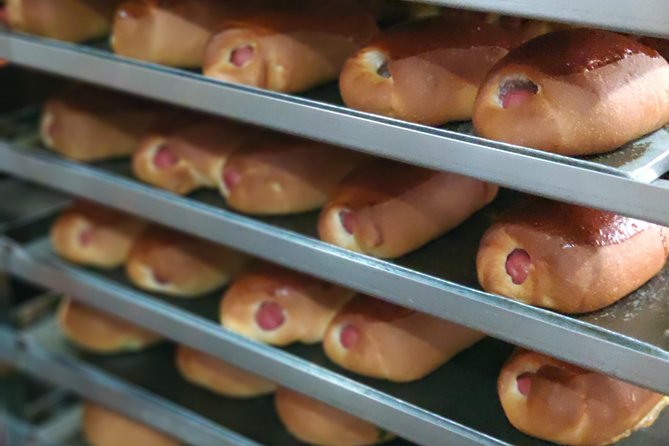
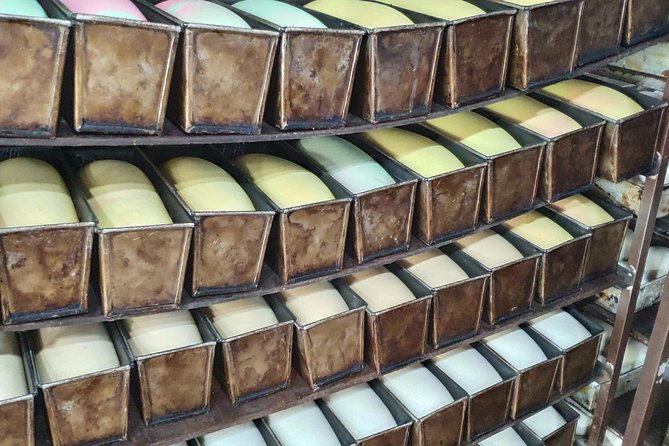
The bread factory in Paya Lebar receives about an hour, making it the longer and more substantial stop. Here, you get a behind-the-scenes walk through a traditional bakery and learn how its methods differ from mass-produced bread sold in shops.
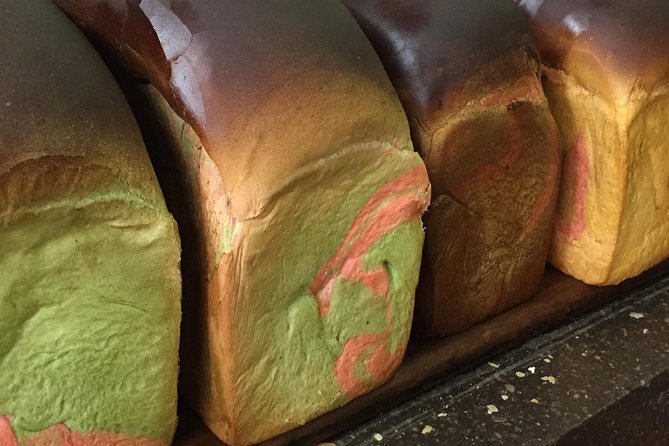
The most memorable details are the old machines and wooden boards. These physical objects make the trade easier to understand. A guide can explain that older baking methods are different, but seeing the tools still used gives you something concrete to remember.
The factory is one of only five such bakeries remaining, according to the tour details. That limited number changes the way you look at the visit. You are not simply touring another food business. You are seeing a type of production that is becoming rare in Singapore.
Do not expect a glossy modern bakery with elaborate displays. The attraction is the opposite: old-fashioned equipment, practical work surfaces, and a trade that has not been completely replaced by large-scale production. If you like retro machinery and disappearing local businesses, this will probably be the strongest stop.
There is also a useful contrast with the coffee factory. The coffee visit explains roasting and brewing. The bread visit shows the human and mechanical work involved in making a familiar staple. The guide can then place both trades within Singapore’s changing food culture.
Same island, a completely different afternoon:
- Lion City Bike Tour of Singapore
★ 5.0 · 6,211 reviews - Singapore: Gardens by the Bay Bundle Entry Ticket
★ 4.3 · 3,726 reviews - Singapore: Big Bus Hop-On Hop-Off Tour by Open-Top Bus
★ 4.5 · 3,261 reviews - Singapore: Lion City Highlights Bike Tour
★ 4.9 · 2,010 reviews
Guides who keep the morning lively
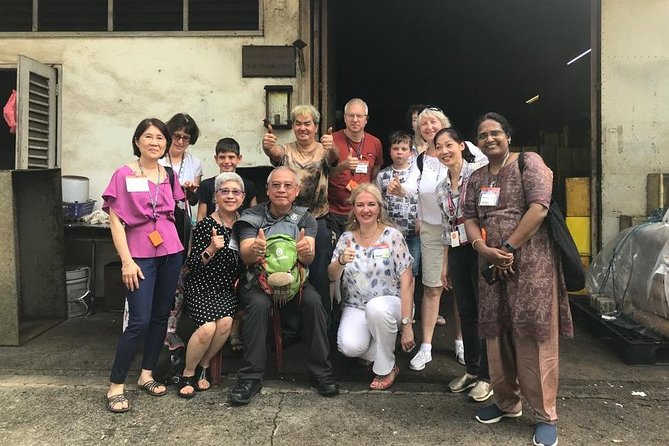
A food-and-industry tour can become dry if the guide only lists dates and techniques. The best versions of this experience depend on the person leading the group.
Boon’s style includes gentle humor, anecdotes, and small facts without overloading you. Helen has used a coffee-lingo quiz, which gives the group an easy way to remember new terms. Kenneth has focused on the wider subject of trades that are disappearing, while Andros has provided detailed explanations and kept the tour moving on schedule.
That range is worth considering when you book, although you may not be able to choose your guide. The common thread is engagement. You are encouraged to notice the food, the work, and the places around you, not simply stand in a factory while information is delivered.
The tour can also provide a wider look at Singapore beyond the usual attractions. The Chinatown starting point is familiar to many visitors, but Bedok and Paya Lebar offer a different setting. You see how the morning moves from an old urban district to working food businesses in the east.
What $88.60 buys you
At $88.60 per person, this is not a cheap breakfast outing. You need to decide how much you value access, guiding, and cultural explanation.
The price makes more sense if you want a small, focused experience with a private group. You are paying for the guide’s time, access to businesses that are not ordinary sightseeing stops, tastings, and the convenience of linking two locations in one morning. The private format also means only your group participates, according to the supplied information.
The price is harder to justify if you mainly want coffee and bread. Singapore offers less expensive ways to eat both, and the tour does not promise a large quantity of food. Its purpose is learning how these products are made and why the trades matter.
For a first visit to Singapore, I would compare this with your other plans. If you already have several food tours booked, the factory visits give this one a different angle. If your schedule is short and you want only major sights, the three-hour commitment and price may not fit.
The experience is booked, on average, 12 days ahead. That suggests you should reserve before your trip rather than leave it to the last morning, especially if you need a particular date or want to keep your plans fixed.
Route, timing, and practical points
The tour starts at 9 a.m. at 69 Pagoda Street and ends at Tai Seng MRT Station, near 33 Upper Paya Lebar Road. The bakery is the final stop on the standard route.
The advertised duration is about three hours. The two stated factory visits account for roughly one hour and 45 minutes, leaving the rest for introductions, tasting, explanations, and movement between districts. Allow some flexibility around the finish time if you have a tightly timed afternoon plan.
If you book the separate disappearing-trades version, the route continues to a Paper House stop and returns to Chinatown. That is not the standard ending described for Kopi & Loti, so check which version you have selected.
Most people can take part, and the activity is described as private for your group. A mobile ticket is provided. Confirmation arrives when you book.
Free cancellation is available if you cancel at least 24 hours before the start time. Cancellations or changes inside that window are not refunded. The tour also depends on good weather and a minimum number of participants. If the operator cancels for either reason, you are offered another date or experience, or a full refund.
Who will enjoy this most
I would recommend this tour to you if you like food with a clear sense of place. It suits visitors who want to understand local work, old businesses, and everyday habits rather than simply collect photographs.
It is also a good match for anyone interested in disappearing trades. The bread factory, in particular, gives you a look at a business model and set of tools that may not be around much longer.
Families and mixed-age groups may find the factory settings more engaging than a long museum visit, especially if the guide uses a quiz or stories. The private format can make it easier to ask questions and keep the pace comfortable for your group.
You may want to skip it if you dislike industrial settings, have no interest in coffee preparation, or expect a large meal. This is a guided cultural visit with tastings, not a full breakfast crawl or a high-end coffee course.
Should you book Kopi & Loti?
Book it if you want a close look at Singapore’s working food culture and you are willing to pay for access and explanation. The combination of kopi tasting, a Bedok roastery, and a rare Paya Lebar bread factory is specific enough to feel different from a standard Chinatown food walk.
I would be most likely to choose it for a first or second Singapore visit when I had already seen the main sights and wanted something more local. The old equipment, wooden boards, and stories from guides such as Boon or Helen give the morning a human scale.
Skip it if $88.60 feels too high for modest tastings, or if you need a perfectly predictable finish time. For the right visitor, though, this is a useful three-hour look at two everyday foods and the small businesses working to keep their old methods alive.
FAQ
How much does Kopi & Loti cost?
The price is $88.60 per person.
How long does the tour last?
The tour lasts approximately three hours.
What time does the tour start?
It starts at 9 a.m.
Where does the tour begin?
The meeting point is 69 Pagoda Street, Singapore 059228.
Where does the tour end?
The standard tour ends at Tai Seng MRT Station, at 33 Upper Paya Lebar Road, Singapore 534803.
What coffee will I taste?
The coffee stop includes a sampling of kopi O, which is black coffee.
What places does the tour visit?
The tour visits a coffee-roasting factory in Bedok and a traditional bread factory in Paya Lebar.
Is the tour private?
The activity is described as private, with only your group participating. The tour information also mentions an option to upgrade to a private tour, so confirm the exact booking type you select.
What is the cancellation policy?
You can cancel up to 24 hours before the start time for a full refund. Cancellations or changes made less than 24 hours before the start time are not refunded.
Recently added around Singapore
- The Real Singapore Heartland Walking Food Tour★ 5.0 · 4 reviews
- Vegetarian Culinary Adventure in Singapore★ 5.0 · 7 reviews
- Singapore’s Marina Bay Wonders and Heritage Tales, Chinatown★ 5.0 · 5 reviews
- Singapore’s Hidden Treasures: A Cultural Private Tour★ 5.0 · 3 reviews
- Private Tour Singapore Street Food & Night Tour★ 5.0 · 4 reviews
- Tastes of Chinatown★ 5.0 · 4 reviews
- Singapore – Albatross Speedboat Adventures Cruising in Sentosa★ 5.0 · 3 reviews
- Small Group Full Day Singapore City Tour with Roundtrip Transfers★ 4.0 · 11 reviews
Singapore Food Tours, compared.
Small Group: Michelin and Local Hawker Food Tour with 9 tastings
Read our review →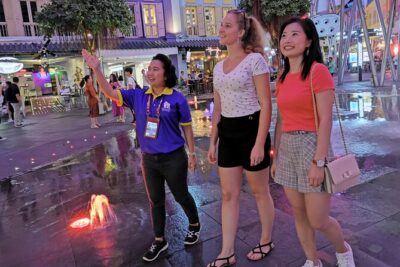
Small Group: Singapore Street Food & Night Tour with 9 tastings
Read our review →
The Award-Winning PRIVATE Food Tour: 10 Tastings of 3 Cultures
Read our review →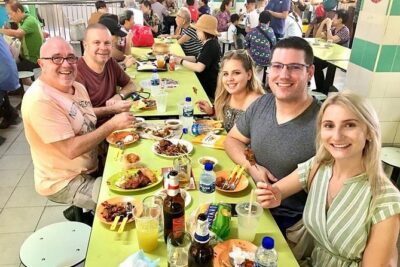
Singapore: Chinese, Indian & Arabic Quarters, Culture & Food Tour
Read our review →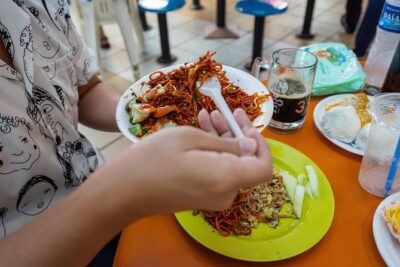
Singapore: UNESCO Street Food & Cultural Experience
Read our review →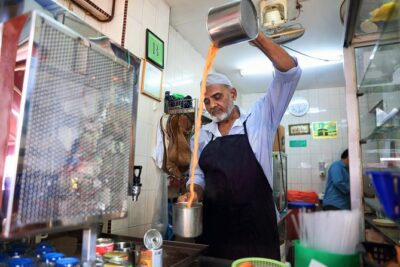
Small-Group Food Tour With Hawker Center: Eat Like A Local
Read our review →
Singapore Private Food, Culture and Heritage Tour with 9 tastings
Read our review →
Singapore: Foodie Experience Guided Tour with 5 Tastings
Read our review →Browse the lists this tour appears in