
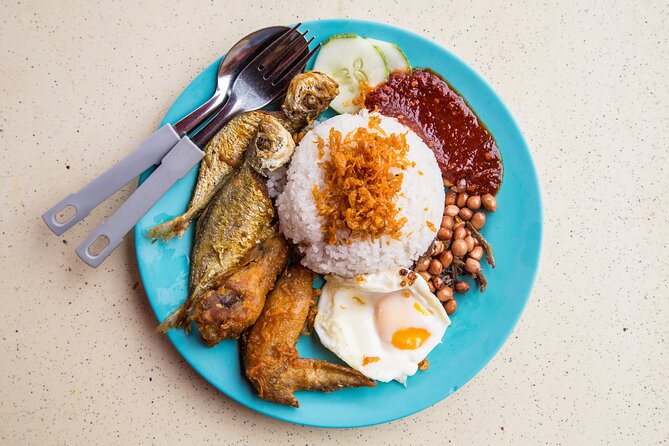
Reviewed · SINGAPORE STREET FOOD AND HAWKER TOURS
Authentic Singapore Street Food Tour
Singapore’s best food often comes from a modest stall, not a polished restaurant. This three-hour walk leads you into hawker centres where locals eat daily, with samples from award-winning and Michelin Bib Gourmand listed stalls, plus stories about family recipes and old food rivalries. Hawker culture is the main event, not a side stop.
I like two things right away: the small group size, capped at eight, and the flexible approach to spice, dietary needs, and must-try dishes. Guides including Cat, William, Raymond, and Aaron have helped make the tour personal, with William in particular adapting the evening to guests’ tastes and location.
The main consideration is that the route is not fixed in every detail. You may visit several food centres and neighbourhood stalls, but one unhappy customer reported being taken to a single location and expecting more of a night-market experience. Clarify your expectations when booking.
Key points at a glance
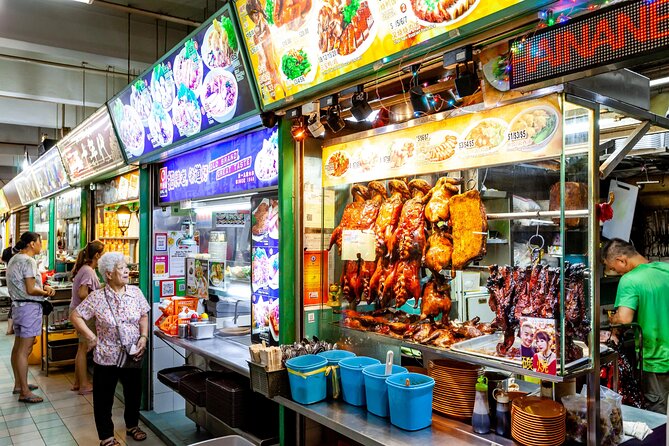
- Maxwell MRT to Lau Pa Sat: The usual start is at Maxwell MRT Station, with the end at Lau Pa Sat, though the final stop can change.
- Four food traditions in one walk: Expect food linked to Chinese, Malay, Indian, and Peranakan cooking.
- Guides shape the evening: Cat, William, Raymond, and Aaron have each led highly praised tours, with a strong focus on food and local culture.
- Small group, flexible choices: A maximum of eight people makes it easier to request milder spice, specific dishes, or help with dietary preferences.
- Food samples are included: The $60.53 price covers the guide, tastings, and insurance, but not public or private transport.
- Come hungry: The tastings can add up, and one useful piece of advice from the experience is not to eat a full meal beforehand.
Why Singapore’s hawker centres make a smart food tour
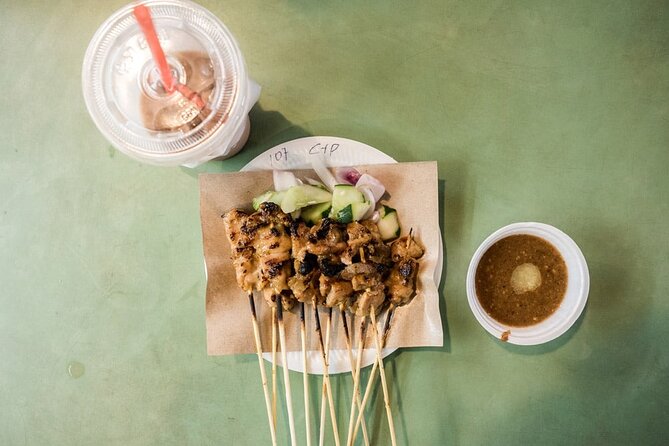
Singapore’s hawker centres are more than convenient places to eat. They are public dining rooms, working markets, and meeting places where cooking traditions have survived through family-run stalls and daily routines. The food may be inexpensive at the stall, but finding the right dishes, understanding what you are ordering, and choosing among hundreds of options can be hard on your own.
This tour gives you a guide to that system. You walk, stop, taste, and learn how food connects to Singapore’s Chinese, Malay, Indian, and Peranakan communities. That mix is valuable because the city’s food culture cannot be reduced to one famous dish or one ethnic tradition.
The setting also does much of the work. You can expect steaming woks, smoky cooking, colorful plates, clanging utensils, and the constant movement of people ordering meals. It is a sensory experience, but the best part is practical: you leave with a better idea of how to eat at a hawker centre after the tour ends.
The food sampling is not presented as a formal restaurant meal. Portions and dishes can vary, and the guide may adjust choices based on your preferences. Think of it as a guided tasting route with context, not a guaranteed menu printed in advance.
More hawker centre crawls:
- Small Group: Michelin and Local Hawker Food Tour with 9 tastings
★ 5.0 · 1,890 reviews - Small Group: Singapore Street Food & Night Tour with 9 tastings
★ 5.0 · 1,240 reviews - Singapore: UNESCO Street Food & Cultural Experience
★ 5.0 · 524 reviews
Starting at Maxwell MRT Station
The stated meeting point is Maxwell MRT Station, TE18, at 321 South Bridge Road. This puts you near Chinatown and gives the tour a useful starting point for exploring Singapore’s food and cultural centre.
From there, the guide leads a walking route through established hawker centres and smaller food stops. The exact sequence is partly customizable, so you may not follow the same path as another group. That flexibility is useful if you have a strong interest in certain foods, need to avoid particular ingredients, or want a gentler spice level.
Maxwell is also a sensible place to begin because it is easy to reach by public transport. The tour does not include private or public transportation, so you need to get to the meeting point yourself and plan your return from the final stop.
The walk is not just a transfer between meals. Along the way, the guide explains how hawker stalls develop loyal followings, how family recipes are passed down, and why some food disagreements become part of local culture. Raymond, for example, was praised for connecting the food with Singaporean history and culture rather than treating each sample as an isolated snack.
Tasting Chinese, Malay, Indian, and Peranakan cooking
The broad food mix is one of the tour’s strongest features. Rather than spending three hours on one category, you get a view of how several culinary traditions overlap in Singapore.
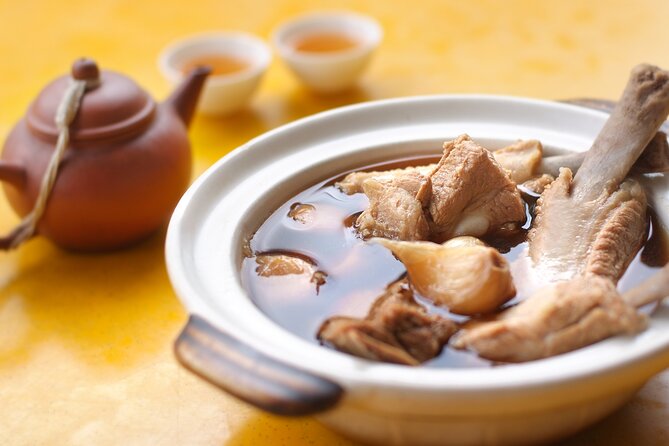
Chinese food may be represented through classic hawker cooking and long-running family stalls. Malay and Indian influences add different spices, cooking methods, and textures. Peranakan food brings another layer, shaped by the meeting of Chinese and Southeast Asian traditions.
The precise dishes are not guaranteed, so I would not book this expecting a fixed checklist. That is both a strength and a weakness. You get a better chance of a route suited to the group, but you give up the certainty of knowing every dish before you arrive.
The tour also invites you to try food that may be unfamiliar. The promise of unexpected textures and bold flavors is aimed at curious eaters, not only cautious samplers. If you like trying something once before deciding if you like it, this is a good format. If you want only familiar foods, tell the guide early.
Nanyang coffee is another small but telling inclusion. It gives you a taste of Singapore’s everyday café tradition, not just the dishes most often shown in tourist brochures. Cat was especially praised for bringing this local coffee experience into a Chinatown food walk.
Stories behind the stalls, not just food names
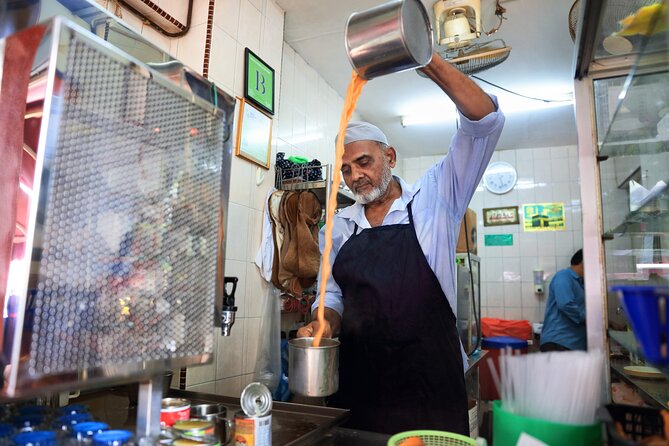
The guide’s role matters here. A food tour can easily become a list of ingredients and stall names. This one aims to explain the people and rivalries behind the food, including family legacies, secret recipes, and the competition that helps keep standards high.
That extra context changes how you look at a simple plate. You start to notice why a stall has a queue, why a recipe may be guarded, and why a hawker centre has meaning beyond its menu. Singapore’s hawker culture was placed on UNESCO’s Intangible Cultural Heritage list, and the tour uses that status as a way into the subject rather than as a slogan.
The strongest guide reports focus on clear communication and personal attention. William was praised for asking about food needs and reshaping the evening around them. Aaron was singled out for a friendly manner and for showing places that participants would not have found alone.
Those details matter more than a grand speech. A good guide should help you order, explain what you are tasting, and adjust the pace without making the group feel rushed. The small maximum of eight gives that style of guiding a fair chance.
More food tours in Singapore:
- The Award-Winning PRIVATE Food Tour: 10 Tastings of 3 Cultures
★ 4.5 · 1,017 reviews - Singapore: Chinese, Indian & Arabic Quarters, Culture & Food Tour
★ 5.0 · 789 reviews - Small-Group Food Tour With Hawker Center: Eat Like A Local
★ 5.0 · 420 reviews - Singapore Private Food, Culture and Heritage Tour with 9 tastings
★ 5.0 · 394 reviews
What the walking route can and cannot promise
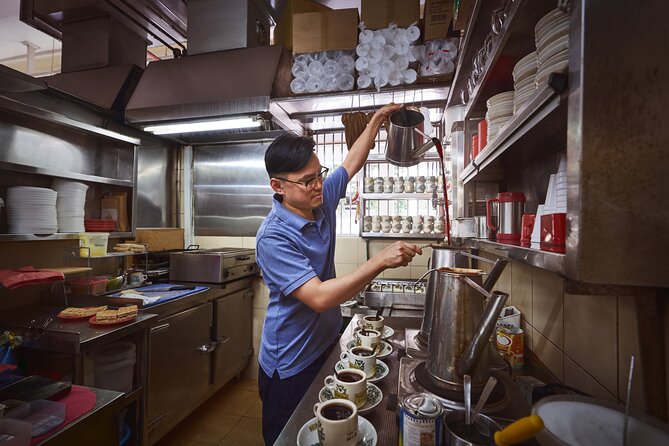
The headline route suggests a journey from Maxwell MRT Station toward Lau Pa Sat, at 18 Raffles Quay. Lau Pa Sat is the stated end point, but the final stop may change according to the route selected for your group.
That flexibility can work well if you want a neighbourhood food experience rather than a rigid sightseeing program. You might spend more time in Chinatown, visit a local hawker centre, or follow the guide’s judgment about where the most useful tastings are that day.
Still, you should understand the trade-off before paying. The description points to iconic hawker centres and smaller food stops, but it does not promise a night market, a particular number of centres, or a fixed number of dishes. One dissatisfied participant expected a more open, market-style evening and instead spent the experience at one location, seated away from the main activity.
That criticism does not cancel out the many successful guide-led experiences, but it gives you a practical question to ask: do you want a structured tasting in a selected food centre, or a moving route through several markets? If the second option matters, state it clearly when you meet the guide.
Is $60.53 good value?
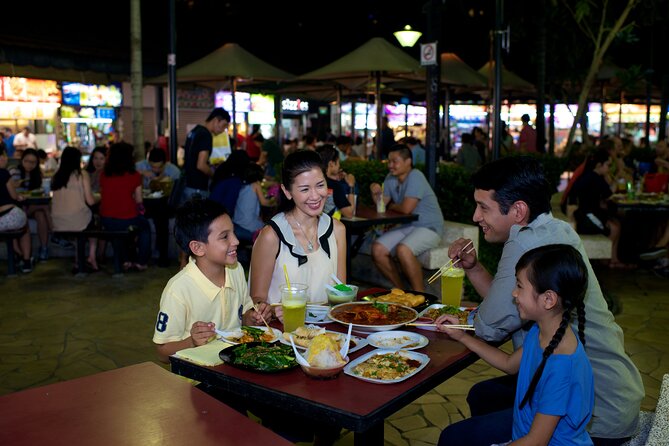
At $60.53 per person, this is not the cheapest way to eat hawker food. You could buy individual dishes for much less if you already know where to go and what to order.
The value comes from the guide, the selection, the explanations, and the time saved. You are paying to avoid guesswork, sample across several traditions, hear the background of the stalls, and adjust the food choices to the group. The price also includes insurance, which is useful but not the main reason to book.
I see the tour as better value for a first visit than for someone who already knows Singapore’s hawker centres well. If you have only a short stay, the guided introduction can help you understand the food culture quickly. If you are staying for weeks and enjoy researching stalls yourself, you may prefer to spend the money on more individual meals.
There is no included transportation, so factor in your own MRT or taxi costs to Maxwell and from the final stop. The three-hour length is long enough for a proper introduction without taking up an entire day, though you should keep your schedule flexible because walking and sampling can take the full allotted time.
Dietary needs and how to make the tour work for you
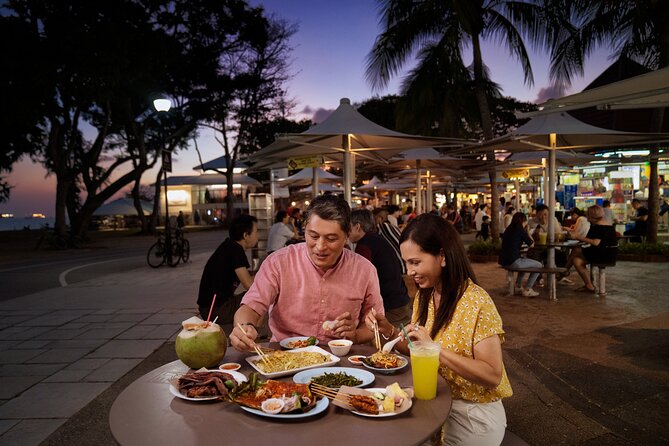
The experience is described as partly customizable. You can discuss spice levels, dietary preferences, and foods you especially want to try. That is a real benefit in a group food tour, where a fixed menu can leave someone with very little to eat.
Do not wait until the first stall to explain your needs. Tell the guide as early as possible, especially if you need to avoid particular ingredients. The available information does not promise that every dietary restriction can be accommodated, so treat the flexibility as an option to discuss, not a guarantee of a fully tailored menu.
The same advice applies to adventurous eating. If you want unusual textures and stronger flavors, say so. If you prefer a gentle introduction, the guide can use your preferences to shape the choices. William’s strong feedback came partly from this kind of communication.
I would plan a light meal or snack before the tour rather than arriving stuffed. The tastings may be spread over the three hours, and a full stomach will make it harder to try the variety that gives the tour its value.
How the guides shape the experience
The guide names connected with this experience include Cat, William, Raymond, and Aaron. You cannot choose a particular guide from the information provided, but their strengths give you a useful picture of the guiding style.
Cat is associated with Chinatown, Nanyang coffee, and a genuine local food introduction. William is linked with careful communication and custom routes based on tastes and where the group is staying. Raymond brought food together with Singapore’s history and culture. Aaron was praised for a welcoming manner and for taking the group to places that were easy to miss alone.
The common thread is personal attention. This is not a large coach tour where the guide has to deliver the same speech to everyone. With no more than eight people, you can ask questions and speak up about what you want to taste.
The experience will still depend on the guide assigned that day and the route available. That is why the tour is best for people who value conversation and local direction more than a guaranteed menu.
Who should book this food walk?
I would recommend it to first-time visitors who want a practical introduction to Singaporean food. It also suits couples, small families, and food-curious people who would rather have a local guide make the first choices.
It is a good match if you want:
- A small group capped at eight people
- A mix of Chinese, Malay, Indian, and Peranakan food
- Stories about stalls, recipes, and food culture
- Help with spice levels and food preferences
- A walking tour rather than a formal restaurant dinner
- A starting point near Chinatown and a possible finish at Lau Pa Sat
I would be more cautious if you want a fixed menu, guaranteed visits to several markets, or a lively night-market setting. The route can change, and the experience may focus on one main location rather than moving constantly between food centres.
The tour is also less useful for a repeat Singapore visitor who already knows the hawker centres and feels comfortable ordering alone. In that case, you may get more value from spending $60.53 on several independent meals.
Practical details before you book
The tour lasts about three hours and begins at Maxwell MRT Station, TE18, at 321 South Bridge Road. The stated end is Lau Pa Sat at 18 Raffles Quay, but the final point can vary.
A licensed tourist guide leads the experience. Food samples and insurance are included. Private and public transportation are not included, so you need to arrange your own way to and from the walking route.
Most people can participate, and the group maximum is eight. Confirmation arrives at booking, and the tour is close to public transport.
Free cancellation is available if you cancel at least 24 hours before the local start time. Cancellations or changes made inside that window are not refunded or accepted.
Should you book the Authentic Singapore Street Food Tour?
Book it if you want a guided first look at Singapore’s hawker culture, especially if choosing food on your own feels like work. The strongest reasons are the small group, the flexible food choices, the mix of culinary traditions, and guides who connect eating with daily life and local history.
Before booking, make sure your expectations fit the format. Ask about the likely route if visiting several hawker centres is important to you, and mention dietary needs or must-try foods early. If you want a fixed menu or a night market, this may not be the right choice.
For a first visit, I think the tour offers solid value when you treat it as a guided introduction rather than an all-you-can-eat meal. Come hungry, stay open to unfamiliar tastes, and let the guide show you how Singapore eats.
FAQ
How long does the Singapore street food tour last?
The tour lasts approximately three hours.
Where does the tour begin?
The stated meeting point is Maxwell MRT Station, TE18, at 321 South Bridge Road, Singapore 058841.
Where does the tour end?
The listed end point is Lau Pa Sat, 18 Raffles Quay, Singapore 048582. The end point may vary depending on the tour route.
What food traditions are included?
The tour covers food connected with Chinese, Malay, Indian, and Peranakan cuisines. Nanyang coffee is also mentioned as one of the possible local tastes.
Is transportation included?
No. Private and public transportation are not included. You need to arrange your own transport to the meeting point and from the end of the tour.
Can I cancel for a full refund?
Yes, if you cancel at least 24 hours before the experience start time. Cancellations made less than 24 hours in advance are not refunded.
Recently added around Singapore
- The Real Singapore Heartland Walking Food Tour★ 5.0 · 4 reviews
- Vegetarian Culinary Adventure in Singapore★ 5.0 · 7 reviews
- Singapore’s Marina Bay Wonders and Heritage Tales, Chinatown★ 5.0 · 5 reviews
- Singapore’s Hidden Treasures: A Cultural Private Tour★ 5.0 · 3 reviews
- Private Tour Singapore Street Food & Night Tour★ 5.0 · 4 reviews
- Singapore – Albatross Speedboat Adventures Cruising in Sentosa★ 5.0 · 3 reviews
- Small Group Full Day Singapore City Tour with Roundtrip Transfers★ 4.0 · 11 reviews
- Tastes of Chinatown★ 5.0 · 4 reviews
Singapore Street Food and Hawker Tours, compared.
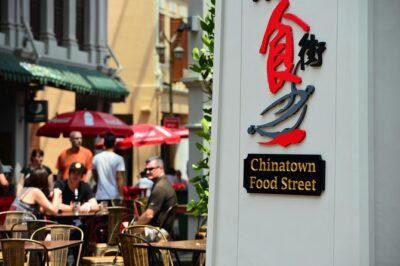
Small Group: Michelin and Local Hawker Food Tour with 9 tastings
Read our review →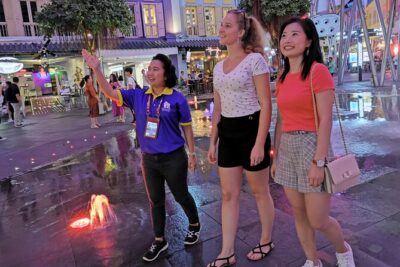
Small Group: Singapore Street Food & Night Tour with 9 tastings
Read our review →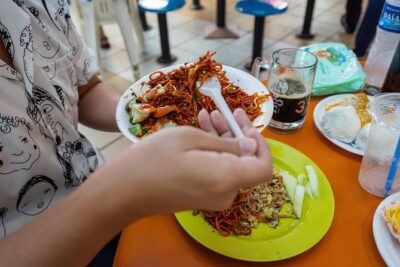
Singapore: UNESCO Street Food & Cultural Experience
Read our review →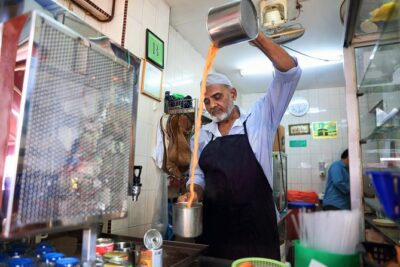
Small-Group Food Tour With Hawker Center: Eat Like A Local
Read our review →
Singapore: Chinatown Hawker Market Food Tour with 7 Food Tastings
Read our review →
Singapore: Local Hawker Food Tour with Tastings
Read our review →
Singapore Street Food Tour with a Local: A Feast for Foodies 100% Personalized
Read our review →
A Taste of Singapore: Hawker Center Private Customized Food Tour
Read our review →Browse the lists this tour appears in