
Reviewed · SINGAPORE STREET FOOD AND HAWKER TOURS
Singapore: Local Street Food Tasting Tour
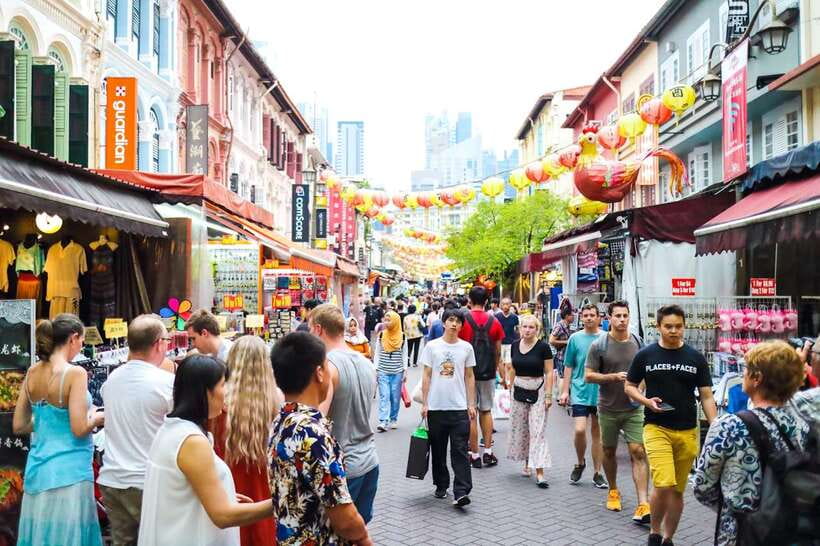
Singapore’s best food lessons often happen at a shared hawker table, not in a polished dining room. This private three-hour tour links Kampong Glam, Little India, and Chinatown, pairing local tastings with the stories of the communities that shaped each district.
I like the mix of nine food and drink samples and the included MRT ride, which turns the city’s public transport into part of the experience. I also like that the guide can adjust the pace and conversation to your interests, as guides such as Antony, Joseph, Freeman, and Khoo have done for past groups. The main drawback is that this is a walking tour through free-seating, non-air-conditioned food halls, so Singapore’s heat and humidity are part of the deal.
Key points to know before booking
- Three historic quarters in one outing: See Kampong Glam, Little India, and Chinatown in a compact route.
- Nine tastings at local food stops: Expect seven or eight snacks plus one or two locally brewed drinks, depending on the selected option.
- A real MRT ride included: You get around Singapore as locals do, rather than staying inside a sightseeing vehicle.
- Private English-speaking guide: The guide can explain food, religion, migration, customs, and city life in a way that fits your interests.
- About 1.8 kilometers of walking: The distance is manageable for many people, but heat, stairs, standing, and free-seating eateries still matter.
- Best for a short Singapore stay: It gives you a useful first look at the city’s food traditions and three major cultural districts.
Why this tour works as a first taste of Singapore
Singapore can seem polished and futuristic at first glance. The towers, spotless streets, and efficient trains are easy to notice. But the city makes more sense when you see how Malay, Indian, Chinese, and other communities built homes, businesses, places of worship, and food traditions here.
This tour gives you that context in a short block of time. You are not just shown a row of restaurants. You walk through three districts, hear how immigrant communities formed, and then taste food connected to each place. That link between street scene and plate is the heart of the experience.
I especially like the private format. Instead of following a large crowd, you can ask why a dish matters, request more time in one district, or tell your guide if you have a food concern. Past guides including Antony, Joseph, Suurjiyt, Khoo, Freeman, Grayson, and Angela were praised for combining local history with food knowledge and for adapting the route to individual interests.
The timing also suits a first or second day in Singapore. Symphonie found it useful at the beginning of a stay because the tour helps you understand the city before exploring on your own. If you have only two days, Wendy’s experience reflects the appeal: you can cover several cultural areas without spending hours working out the route yourself.
More hawker centre crawls:
- Small Group: Michelin and Local Hawker Food Tour with 9 tastings
★ 5.0 · 1,890 reviews - Small Group: Singapore Street Food & Night Tour with 9 tastings
★ 5.0 · 1,240 reviews - Singapore: UNESCO Street Food & Cultural Experience
★ 5.0 · 524 reviews
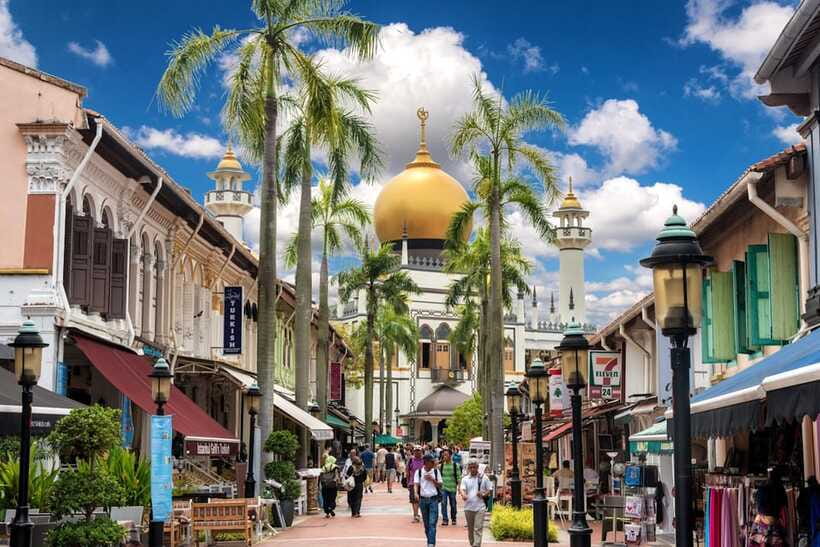
Starting in Kampong Glam
The tour begins according to the option you book. Without hotel pickup, the meeting point is outside the door of % Arabica Cafe. If you select the transfer option, your guide meets you in your hotel lobby at the start.
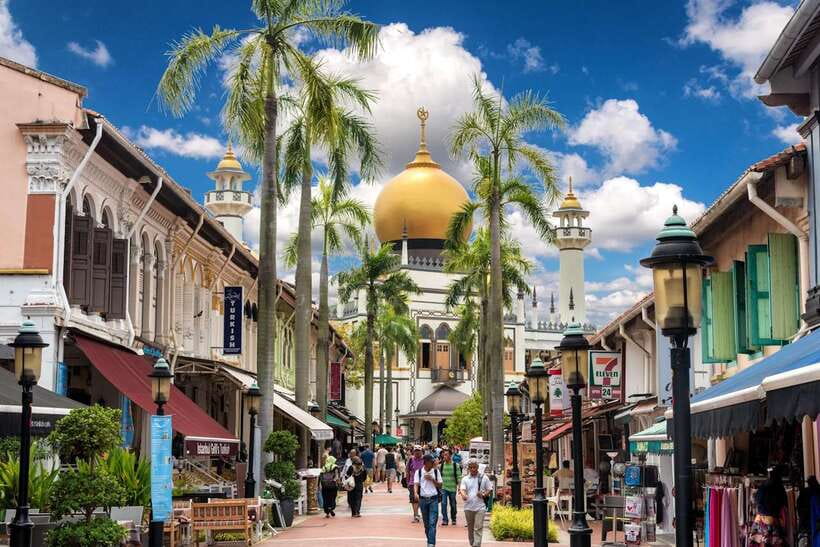
Kampong Glam is the opening district, and it sets the tone well. The area is associated with Singapore’s Malay and Muslim heritage, along with later influences from traders and immigrants. Your guide spends about 20 minutes walking through the neighborhood, then about 20 minutes on food tasting, followed by another 10 minutes of guided exploration.
That split matters. You are not rushed straight from one snack to the next. The first walk gives you a sense of the streets and buildings, then the food stop gives the history a practical anchor. After eating, you get another short look at the quarter before moving on.
The exact foods are not listed in advance, so you should not book this expecting a fixed menu. The useful part is the explanation that comes with each serving. Your guide explains what you are eating and why it belongs in the story of the district.
Kampong Glam is also a good place to start because it shows Singapore beyond its modern commercial center. I would arrive hungry but not starving. Nine tastings sound generous, and the tour is spread across three hours rather than served as one large meal.
Little India, where food and culture meet
The route continues to Little India for about 20 minutes of guided sightseeing and 30 minutes of tastings. This is the longest food stop of the tour, giving you time to try several items and ask questions.
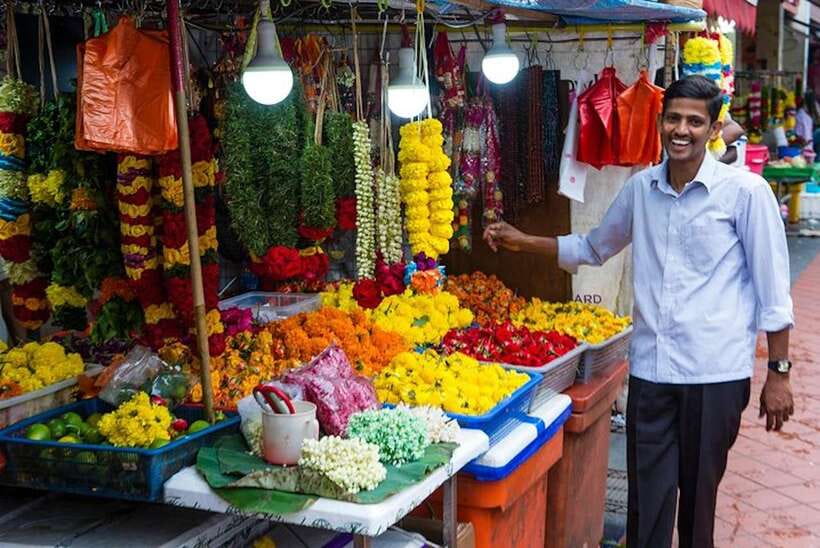
Little India brings a different set of sights, sounds, smells, and food traditions. Your guide helps you connect the neighborhood’s present-day activity with the Indian communities that established themselves in Singapore. The focus is not simply on taking photographs. You learn how the district works and why particular foods remain part of everyday life.
This is where the guide’s role becomes especially useful. If you walked through Little India alone, you could admire the colors and restaurant signs but miss the background behind them. The tour gives you a person to explain the details as you go, and the food provides an easy way to remember them.
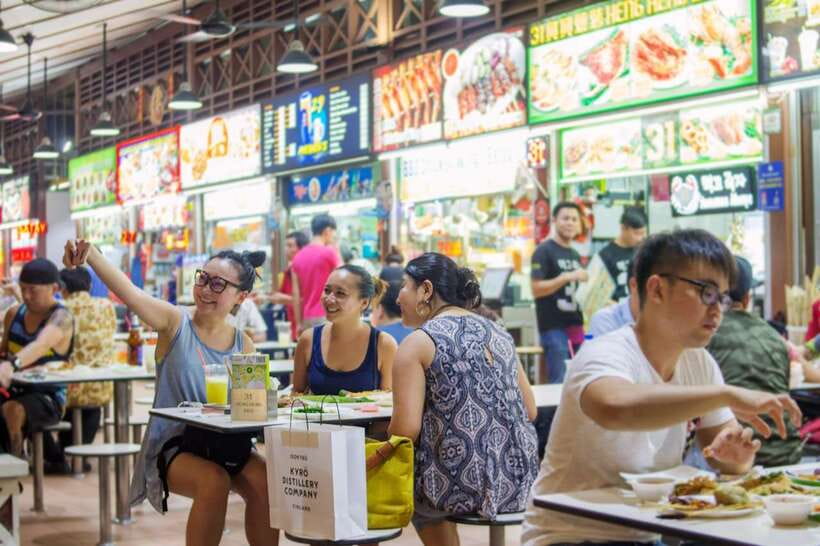
The tastings take place at a local eatery or hawker center. These are working food places, not staged tasting rooms. Seating is free choice, air conditioning is not provided, and other diners may be sharing the space. That is part of the local experience, but it also means you should be comfortable with a casual setting.
If you have dietary restrictions, contact the operator before booking or tell your guide at the beginning. The supplied information does not promise substitutions, so you should not assume every dish can be changed.
The MRT ride is part of the lesson
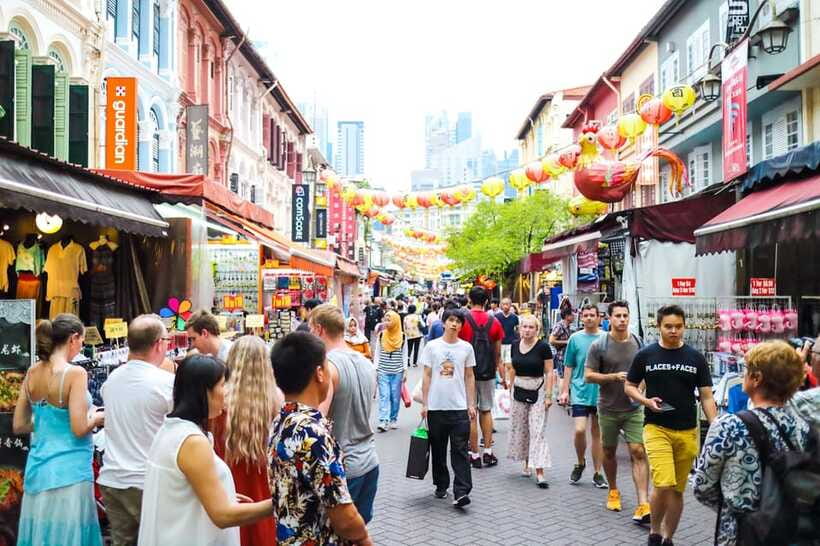
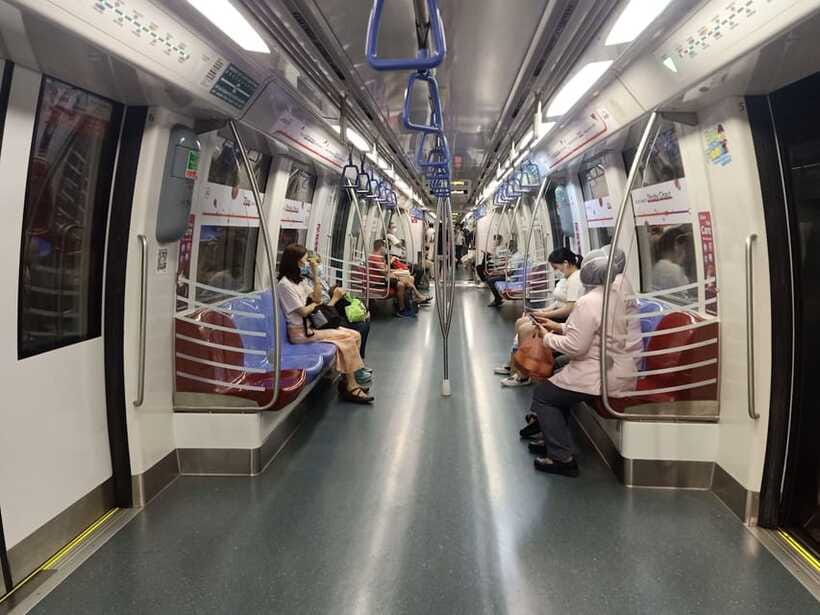
An MRT ride of about 15 minutes connects one ethnic quarter to another. This might sound like a small detail, but it improves the tour in two ways.
First, it keeps the route practical. The three districts are not treated as three disconnected photo stops. You move between them using the same public transport system that residents use. Second, the train ride gives you a break from walking and eating while keeping you in the rhythm of Singapore’s daily life.
Rosemary specifically enjoyed taking the train as part of the adventure. I can see why. A private vehicle would be easier, but it would remove one of the simplest ways to understand how the city functions. The MRT ride also gives your guide another chance to answer questions or help you plan later trips around town.
You should still expect some standing and movement around stations. The activity is not suitable for people with mobility impairments, and the operator describes it as mainly a walking tour. The total walking distance is about 1.8 kilometers, but distance alone does not tell the whole story. Heat, station access, uneven pacing, and time on your feet can make the outing feel more active.
More food tours in Singapore:
- The Award-Winning PRIVATE Food Tour: 10 Tastings of 3 Cultures
★ 4.5 · 1,017 reviews - Singapore: Chinese, Indian & Arabic Quarters, Culture & Food Tour
★ 5.0 · 789 reviews - Small-Group Food Tour With Hawker Center: Eat Like A Local
★ 5.0 · 420 reviews - Singapore Private Food, Culture and Heritage Tour with 9 tastings
★ 5.0 · 394 reviews
Chinatown and the final food stop
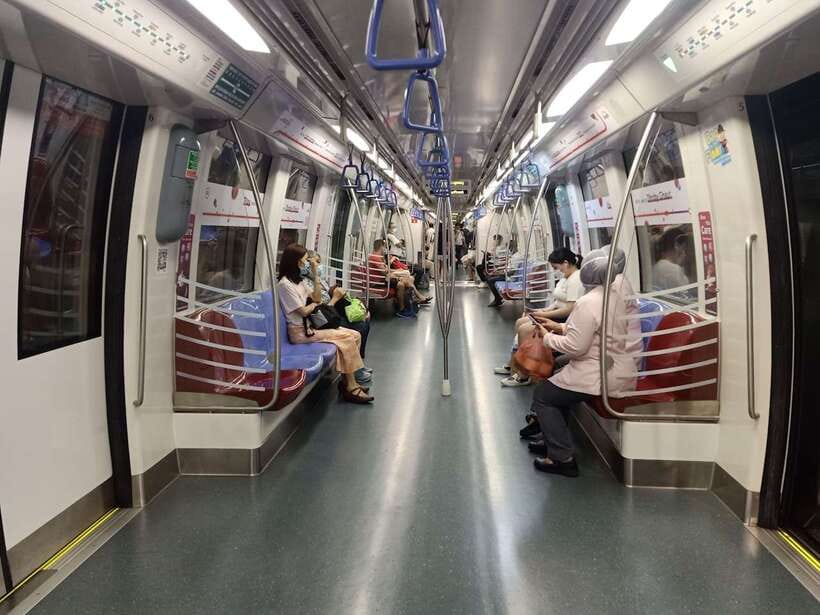
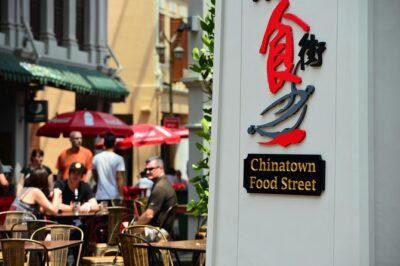
The last district is Chinatown, with about 20 minutes of guided sightseeing and 30 minutes of food tasting. The tour finishes at Chinatown Complex Market and Food Centre, a useful endpoint if you want to continue eating or exploring after the guide leaves.
Chinatown adds another layer to the city’s story. Your guide explains how Chinese communities contributed to Singapore’s development, then connects those ideas to the food you taste. As in the other districts, the goal is to help you understand the setting rather than simply collect samples.
Ending at a hawker center makes sense. By this point, you have seen three quarters and tasted food linked to each one. You can finish with the group at the food center, then decide on your own next move. The tour does not include extra food or drinks after the planned tastings, so bring money if you want to keep sampling.
The final stop also makes the experience useful for future meals. Once you understand how hawker centers work, you may feel more comfortable returning later without a guide. You will know that local eating often means choosing a stall, finding an open seat, and sharing a public dining area rather than waiting for table service.
What the nine tastings are really worth
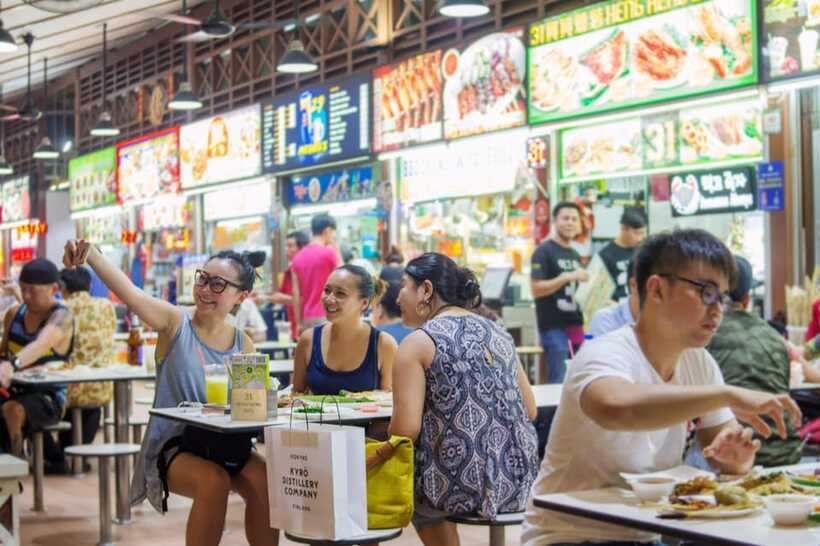
The price is $150 per person. That is not a cheap snack walk, especially if you compare it with the low prices of Singapore’s hawker food. The value comes from the private guide, the three districts, the cultural explanations, the route planning, and the chance to taste nine items without guessing what to order.
You receive eight or seven snacks and one or two local brewed drinks, depending on the selected version. Additional food and drinks are not included. Since the exact menu is not stated, the tour is better for someone who wants variety and explanation than for someone looking for a guaranteed list of signature dishes.
The private setup also changes the price calculation. A couple or small family can ask questions throughout the three hours, and the guide can adapt the conversation. That is more personal than a large group food walk, though a solo visitor will feel the price more sharply.
I would consider it good value if you have limited time, feel unsure about ordering local food, or want cultural background along with lunch-sized sampling. It is less compelling if you already know Singapore’s hawker centers well and mainly want the lowest-cost way to eat.
The tastings were described as plentiful and tasty by Rikki, while Karen appreciated how much she would have missed without explanations. Those are useful clues about the tour’s real strength: it is the combination of food and interpretation, not the food alone.
The guides make a real difference
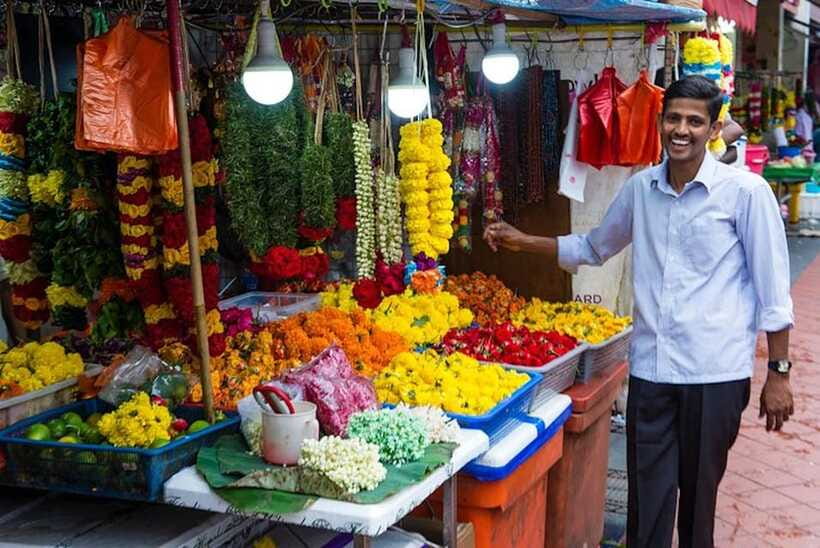
A food tour can be ordinary if the guide simply names dishes and points down the street. This experience depends heavily on the person leading it, and the guide names associated with it show a pattern of strong personal involvement.
Antony was praised for helping a short-stay visitor see several parts of Singapore. Joseph was noted for explaining both local history and food, including how different cultural groups fit together. Freeman adjusted the tour to match the group’s interests, while Kristopher reshaped the time around what the group hoped to see.
Suurjiyt helped one group notice details they would have missed walking alone. Khoo brought broad travel insight to the afternoon, and Angela was described as helping visitors see Singapore through a local point of view. Grayson was especially appreciated as a gentle, informative guide for a first day in the city.
That does not guarantee that every tour will feel identical. Guides have different personalities and the route may change with conditions. Still, the private format gives you a good chance to make the time your own. Tell the guide early if you care most about food, architecture, religion, migration, or practical advice for the rest of your trip.
Heat, seating, and pace: the practical tradeoffs
Wear comfortable shoes and breathable clothing. Singapore is warm and humid, and the tour runs in rain or shine. If rain arrives, umbrellas or ponchos can be bought nearby, though bringing your own is simpler.
The food stops are in authentic local eateries and hawker centers. Expect free seating and no air conditioning. This is exactly what makes the stops feel local, but it may not suit you if you need a quiet, cool, formal dining room.
The walking distance is approximately 1.8 kilometers, and the tour lasts three hours. That is not a marathon, yet you should avoid scheduling a tight flight, attraction reservation, or long transfer immediately afterward. The tour finishes in Chinatown, not at your hotel unless your selected option includes hotel drop-off.
Children under two are not suited to this activity. The operator also lists the tour as unsuitable for people with mobility impairments. For everyone else, the main question is comfort with walking, standing, public transport, and casual food venues.
Free cancellation is available up to 24 hours before the start, and you can reserve now and pay later. Those policies help if your Singapore plans are still shifting, but the bigger decision is whether you want a guided introduction or prefer to explore hawker centers independently.
Who should book this Singapore food tour
I would recommend it most strongly to first-time visitors, couples, families with older children, and anyone with only a short stay. It gives you a quick working map of three important districts and makes the city’s cultural mix easier to understand.
It also suits cautious eaters who want help choosing local food. You do not have to study menus in advance or decide which stall looks trustworthy. Your guide handles the route and explains the tastings as you go.
The tour is a good fit for curious food fans, but not necessarily for serious diners seeking long meals. Nine samples over three hours means small portions and movement between stops. You are sampling your way through Singapore, not sitting down for a full meal in each quarter.
I would skip it if you dislike humid weather, shared seating, public transport, or a flexible menu. I would also think twice if your main goal is a bargain meal. You can spend far less at hawker centers on your own, but you will give up the context and personal guidance.
Should you book the Kampong Glam, Little India, and Chinatown tour?
Book this tour if you want Singapore explained through food, neighborhoods, and everyday transport in one well-planned afternoon. The strongest reasons are the private guide, nine tastings, three cultural districts, and the chance to ask questions as you go.
For the best experience, schedule it near the start of your stay, wear light clothing, arrive ready to walk, and leave room for extra food after the final stop. Tell your guide what interests you, since past tours have been adjusted successfully around personal priorities.
Skip it if you already know these districts well or want a fixed menu and air-conditioned dining. For most first-time visitors, though, the $150 price buys more than snacks. It buys a useful introduction to how Singapore’s communities, public transport, and food traditions fit together.
FAQ
How long does the Singapore street food tour last?
The tour lasts three hours, including walking, food tastings, guided visits to three districts, and one MRT ride.
Which areas does the tour visit?
The route includes Kampong Glam, Little India, and Chinatown.
How much walking is involved?
The tour is mainly on foot, with an approximate total walking distance of 1.8 kilometers. It also includes an MRT ride between districts.
How many tastings are included?
You receive nine tastings in total. Depending on the selected option, this includes one or two local brewed drinks and seven or eight snacks.
Where does the tour meet?
The meeting point is outside the door of % Arabica Cafe, unless you select an option with hotel pickup.
Where does the tour finish?
The tour finishes at Chinatown Complex Market and Food Centre in Singapore.
Is hotel pickup included?
Hotel pickup and drop-off are included only if you select the hotel transfer option. Otherwise, you meet the guide at the stated meeting point.
Is the tour suitable for people with mobility impairments?
No. The activity is listed as unsuitable for people with mobility impairments and includes walking, standing, and an MRT ride.
What happens if it rains?
The tour operates in rain or shine. You can bring an umbrella, or buy an umbrella or poncho from a nearby store if needed.
Recently added around Singapore
- The Real Singapore Heartland Walking Food Tour★ 5.0 · 4 reviews
- Vegetarian Culinary Adventure in Singapore★ 5.0 · 7 reviews
- Singapore’s Marina Bay Wonders and Heritage Tales, Chinatown★ 5.0 · 5 reviews
- Singapore’s Hidden Treasures: A Cultural Private Tour★ 5.0 · 3 reviews
- Private Tour Singapore Street Food & Night Tour★ 5.0 · 4 reviews
- Small Group Full Day Singapore City Tour with Roundtrip Transfers★ 4.0 · 11 reviews
- Tastes of Chinatown★ 5.0 · 4 reviews
- Singapore – Albatross Speedboat Adventures Cruising in Sentosa★ 5.0 · 3 reviews
Singapore Street Food and Hawker Tours, compared.
Small Group: Michelin and Local Hawker Food Tour with 9 tastings
Read our review →
Small Group: Singapore Street Food & Night Tour with 9 tastings
Read our review →
Singapore: UNESCO Street Food & Cultural Experience
Read our review →
Small-Group Food Tour With Hawker Center: Eat Like A Local
Read our review →
Singapore: Chinatown Hawker Market Food Tour with 7 Food Tastings
Read our review →
Singapore: Local Hawker Food Tour with Tastings
Read our review →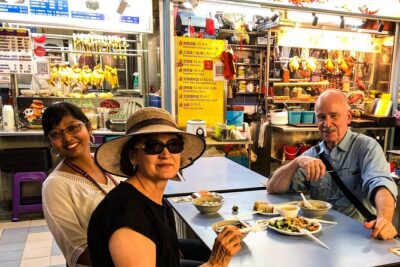
Singapore Street Food Tour with a Local: A Feast for Foodies 100% Personalized
Read our review →
A Taste of Singapore: Hawker Center Private Customized Food Tour
Read our review →Browse the lists this tour appears in