Reviewed · TOURS
The Race & Religion Tour
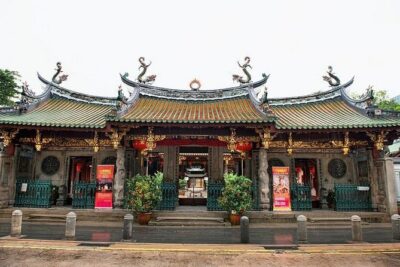
Singapore’s most interesting story is not found in one monument. It is found in the way several faiths and ethnic communities share a small city. This tour follows that story through Little India, Kampong Glam, and Waterloo Street, then adds a visit to the Khalsa Dharmak Sabha Sikh temple.
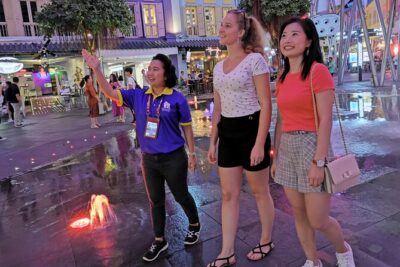
I like the clear focus on race and religion, rather than a quick parade of photo stops. I also like the small maximum group of 12 and the private transport between areas, which should give you more time to ask questions and less time figuring out the city.
The main concern is serious: repeated bookings have reportedly been affected by guides not showing up, missed meeting-point changes, and unanswered phone calls. The tour has a 3.6 rating from 17 ratings, so I would confirm the meeting details before setting aside your morning.
Key details before you book
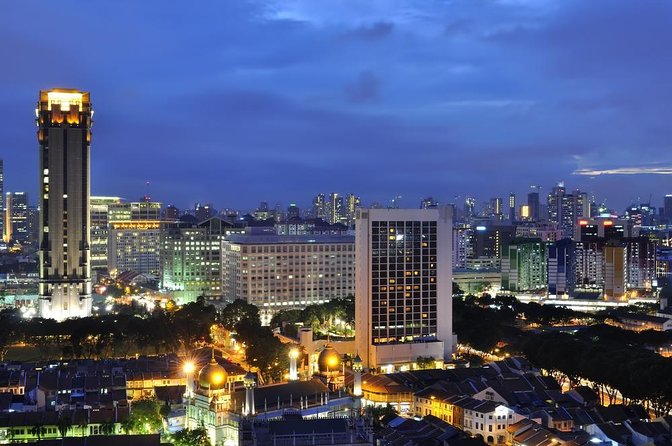
- Four cultural areas in 2.5 hours: You visit Little India, Kampong Glam, Waterloo Street, and the Khalsa Dharmak Sabha Gurudwara.
- A tour about coexistence: The subject is how Singapore’s ethnic and religious communities live together, not simply where to take photographs.
- Private transport between stops: This saves time when moving from one district to another.
- Small group of up to 12: The format should make conversation with the English-speaking guide easier.
- Starts at 10:00 am in Little India: You meet in Singapore’s Indian quarter and return to the same meeting point.
- Check the operator carefully: Several bookings have reportedly faced no-show or communication problems, which is the biggest practical risk.
Why this Singapore tour is worth considering
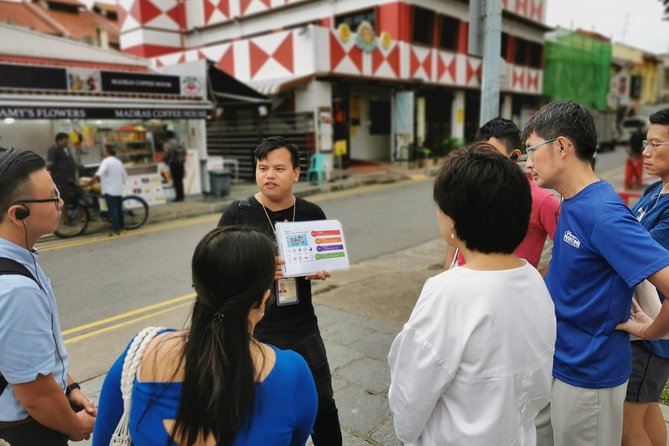
Singapore is compact, but its cultural makeup is not simple. Indian, Malay, Chinese, Sikh, Hindu, Buddhist, Muslim, and Christian traditions all form part of the city’s public life. A tour built around race and religion can help you connect places that otherwise seem like separate sightseeing stops.
I like that this experience moves beyond a standard city introduction. You are not only looking at architecture or eating your way through neighborhoods. You are being asked to notice how religious buildings, ethnic districts, and public streets fit together.
That focus can be useful if you have already seen Singapore’s main landmarks. It gives you a different way to read the city. Instead of treating Little India and Kampong Glam as decorative quarters, you can consider why they exist, what they represent, and how they contribute to Singapore’s shared civic identity.
The cost is $31.78 per person. For 2 hours and 30 minutes, that is a reasonable price if the guide adds useful context and the transport works as planned. You are paying for an English-speaking local guide, private transport, and a small group rather than admission to major paid attractions.
The tour does not include personal expenses, hotel transfers, or a tip for the guide. The stops themselves have no admission charge listed, so you are mainly paying for the guiding, organization, transport, and the chance to ask questions in a compact group.
Other Singapore outings people line up beside this one:
- Lion City Bike Tour of Singapore
★ 5.0 · 6,211 reviews - Singapore: Gardens by the Bay Bundle Entry Ticket
★ 4.3 · 3,726 reviews - Singapore: Big Bus Hop-On Hop-Off Tour by Open-Top Bus
★ 4.5 · 3,261 reviews
Starting in Little India for 45 minutes
The tour begins at 10:00 am in Little India. You spend about 45 minutes exploring Singapore’s Indian ethnic quarter, with no admission ticket required.
This is a good starting point because it gives the tour an immediate sense of place. Little India is not treated simply as a restaurant and shopping district. Under this theme, the area becomes a starting point for understanding Singapore’s Indian community and the role of religion in daily life.
I would use this first section to listen for practical explanations. Ask the guide how the district fits into modern Singapore, how the city defines ethnic communities, and what visitors often misunderstand about the area. The small group should help if the guide invites questions.
Forty-five minutes is long enough for a useful orientation, but not long enough for a slow, detailed walk through every corner. You should expect a focused introduction rather than a full neighborhood tour. Wear comfortable shoes and be ready to keep moving.
The meeting instructions identify Little India as both the starting area and the return point. Since no hotel pickup is included, you need to make your own way there. The experience is near public transportation, which helps, but the exact meeting details deserve close attention before the morning of the tour.
Moving to Kampong Glam for 30 minutes
The next stop is Kampong Glam, where you spend about 30 minutes exploring Singapore’s Malay ethnic quarter.
This shorter visit gives the tour a useful contrast. Little India and Kampong Glam are not interchangeable cultural districts, and placing them in the same morning lets you compare how different communities are represented in the city.
The guide’s role matters here. A good explanation can connect the district to Singapore’s Malay identity and to the wider question of how the city presents cultural difference. You may find this stop especially useful if you want more than a quick walk past colorful buildings.
Thirty minutes is a tight schedule. I would expect a concise explanation and a few key points rather than a long, unhurried visit. If photography is your main goal, the short timing may feel restrictive. If your priority is context, the quick pace may be acceptable because the tour has several distinct areas to cover.
The private transport is important at this point. It avoids making you navigate between districts during a short experience, and it lets the guide keep the attention on the subject rather than on directions. The tour description does not specify the vehicle or exact transfer times, so you should not assume that every minute between stops will be used for sightseeing.
Waterloo Street and Singapore’s shared religious life
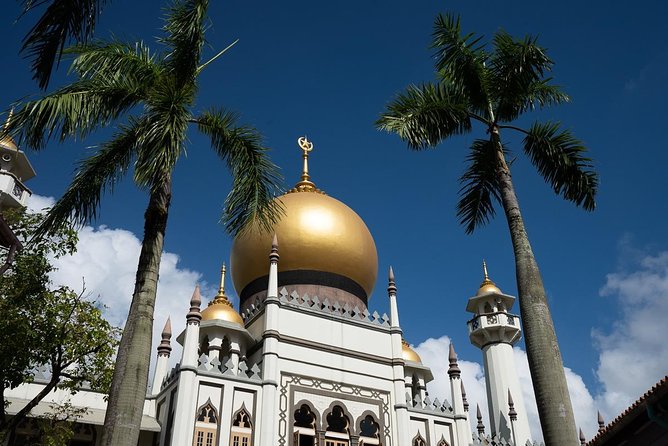
Waterloo Street receives about 45 minutes and is presented as Singapore’s Harmony Street. This is likely the central part of the tour’s theme because the stop brings different religious traditions into one urban setting.
The value here is comparison. You are not looking at one community in isolation. You are considering how several faiths share a city and how that coexistence becomes visible in streets, places of worship, and public space.
I would pay close attention to the guide’s explanations at this stop. Ask how the area reflects Singapore’s approach to religious and ethnic harmony. The supplied information does not identify specific buildings visited on Waterloo Street, so you should treat this as a guided area exploration rather than a guaranteed list of individual interiors.
The name Harmony Street signals the tour’s main idea, but the experience will only be as strong as the explanation. This is one reason the maximum group size of 12 matters. A guide who encourages discussion can make the stop feel personal and clear. A guide who only points out buildings may leave the central topic feeling thin.
You should also remember that this is a walking and transport-based cultural tour, not a formal lecture. The schedule gives you short windows at each place. I would bring a few questions of my own so the time produces more than a series of quick facts.
Same island, a completely different afternoon:
- Singapore: Lion City Highlights Bike Tour
★ 4.9 · 2,010 reviews - Small Group: Michelin and Local Hawker Food Tour with 9 tastings
★ 5.0 · 1,890 reviews - Morning at the Zoo with 1-way Transfer (Free & Easy)
★ 4.0 · 1,882 reviews - Experience Singapore: Cultural Cooking Class
★ 5.0 · 1,514 reviews
Entering the Khalsa Dharmak Sabha Gurudwara
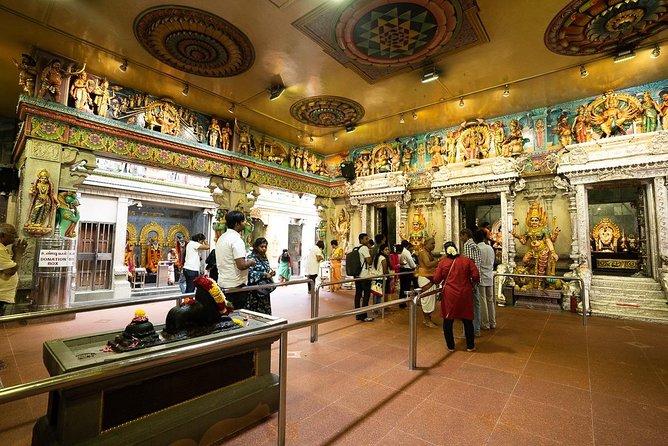
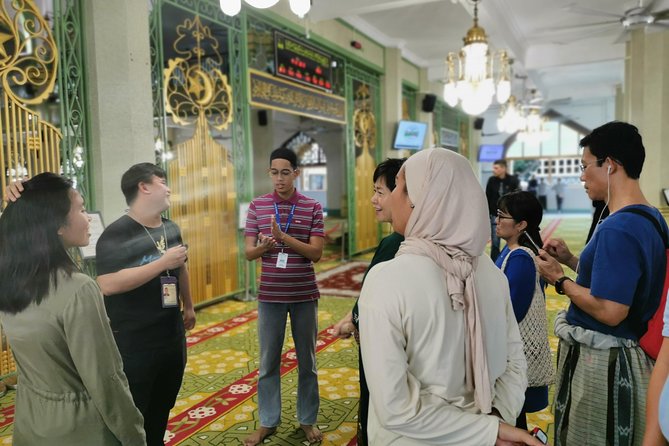
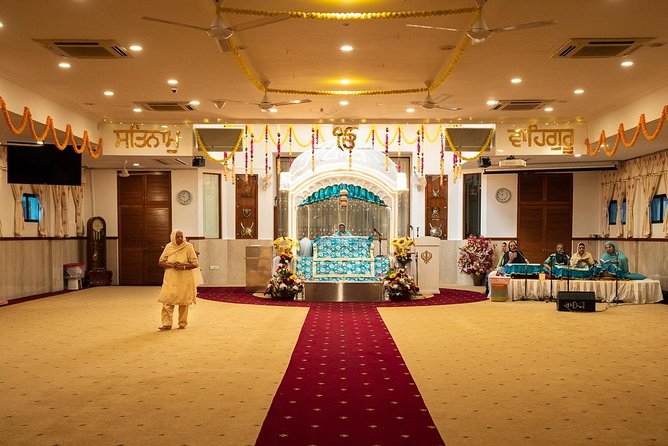
The final stop lasts about 30 minutes and takes you to the Khalsa Dharmak Sabha Gurudwara, a Sikh temple.
This is the tour’s most distinctive stop. Sikhism is often less familiar to first-time visitors than the major religious traditions commonly associated with Singapore, so a visit to a Sikh temple can add a new layer to the discussion of faith and community.
The temple visit also gives the tour a clear ending. You begin with ethnic districts, move through a shared street, and finish with a specific place of worship. That progression helps connect broad ideas about race and religion to a real community space.
The information provided does not specify whether the visit includes an interior tour, a service, or particular temple customs. I would follow the guide’s instructions closely and dress and behave respectfully. The tour is described as an exploration of the temple, but you should not assume every part of the building is open to visitors.
Thirty minutes is enough for an introduction, though it may feel brief if you want a detailed explanation of Sikh beliefs or temple practices. Ask direct questions while you have the opportunity. This may be the stop where the small-group format pays off most.
What the small group and transport actually add
The group maximum is 12 people. That is not a private tour, but it is much more manageable than a large coach group. You should have a better chance of hearing the guide, asking follow-up questions, and staying together as the tour moves between districts.
Private transport is another practical advantage. Singapore’s public transport is excellent, but a 2.5-hour tour can lose a lot of time to transfers and station navigation. Having transport arranged keeps the route focused.
There are limits. The information does not explain the vehicle, transfer length, or whether the transport is used for every move. It also does not include hotel pickup or drop-off. You must reach Little India on your own and return there at the end.
The activity ends back at the meeting point. That is useful if you plan lunch or another visit nearby, but it gives you less flexibility than a tour that finishes in Kampong Glam or Waterloo Street. Plan the rest of your day from Little India rather than from the final stop.
The reliability problem you should take seriously
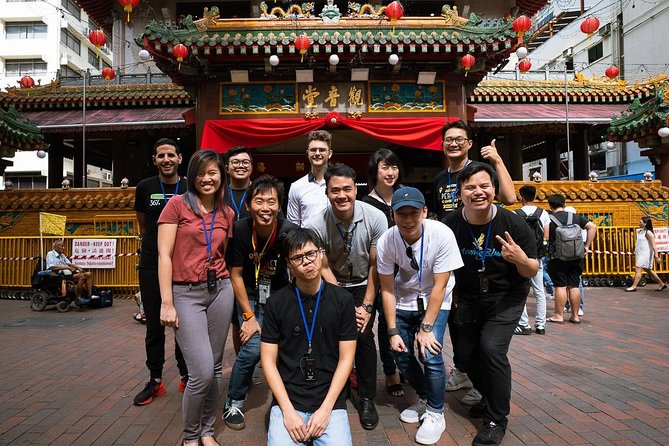
The biggest weakness is not the subject, route, or price. It is the reported operation of the tour.
Several bookings have been affected by a guide who did not arrive. One booking involved an attempt to contact the local company before the arranged time without receiving a response. Another involved a change to the meeting point that was not noticed, leaving the booking party to spend the morning trying to locate the tour.
There were also reports of unanswered phone calls and no explanation or apology after a missed departure. In at least one case, a refund was eventually provided in a reasonable time, but that does not recover a lost morning in Singapore.
I would not ignore this pattern. Before you leave for Little India, confirm the meeting point, start time, and current contact details. The supplied information lists a 10:00 am start, but one reported booking used an 8:30 am meeting time and was also affected by a meeting-point issue. That makes written confirmation especially important.
The tour is operated by Nas Tours. If you book, save the confirmation and keep your phone available on the morning of the experience. This is simple advice, but here it can make the difference between finding the group and losing your morning.
Who will get the most from this experience
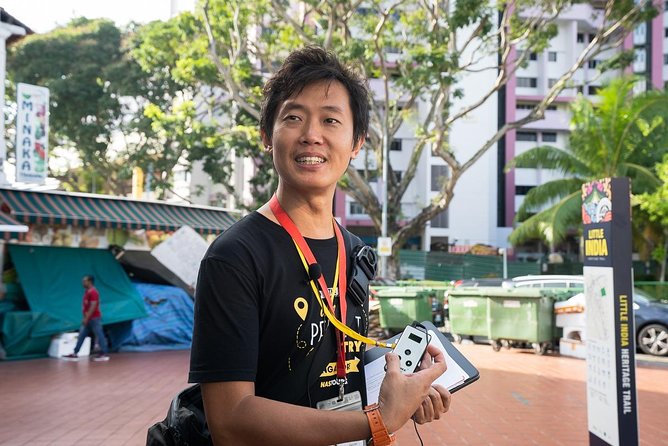
I would recommend this tour to someone who wants a short, focused introduction to Singapore’s ethnic and religious communities. It suits a first visit if you want social and cultural context alongside the usual landmarks.
It also fits people who prefer conversation to a large sightseeing bus. The small group, English-speaking guide, and private transport offer a practical way to cover several areas in one morning.
Families and older adults may appreciate the limited duration and arranged transport, though the experience still includes movement through neighborhoods. The supplied information says most people can participate, but it does not give detailed accessibility information.
I would be more cautious if you want long visits inside religious buildings, extensive free time, or a relaxed pace. The schedule is tightly divided among four stops. It is also a poor choice if a missed tour would seriously disrupt a short Singapore visit.
Price, timing, and cancellation
At $31.78 per person, the price is fair for a 2.5-hour guided outing with private transport and a group capped at 12. The value depends heavily on the guide arriving and providing meaningful explanations. Since the stops have no admission charges listed, the guiding and organization are the main reasons to pay rather than explore these districts independently.
The tour starts at 10:00 am and returns to Little India. It is booked an average of 14 days ahead, which suggests planning early may be sensible, especially if your Singapore schedule is tight.
Free cancellation is available up to 24 hours before the start time for a full refund. Cancellations or changes made less than 24 hours before the start are not refunded. The experience requires good weather, and a weather cancellation offers either another date or a full refund.
Should you book The Race & Religion Tour?
I would book it for the subject and route, not for a guaranteed polished operation. Little India, Kampong Glam, Waterloo Street, and a Sikh temple create a strong cultural framework, and the small group could make the discussion worthwhile.
I would book only after confirming the meeting point and start time with Nas Tours. If the company responds clearly, $31.78 is a reasonable price for a compact introduction to Singapore’s cultural mix. If you receive no reply, I would choose another activity, especially if you have only one or two days in the city.
FAQ
Where does The Race & Religion Tour start?
It starts in Little India, Singapore, at 10:00 am.
Where does the tour finish?
The activity ends back at the meeting point in Little India.
How long does the tour last?
The tour lasts approximately 2 hours and 30 minutes.
What areas does the tour visit?
It visits Little India, Kampong Glam, Waterloo Street, and the Khalsa Dharmak Sabha Gurudwara.
What is the tour about?
The tour focuses on race and religion in Singapore and explains how different ethnic and religious communities coexist.
Is transport included?
Yes. Private transport for the tour is included.
Is hotel pickup included?
No. Hotel transfers are not included, so you must make your own way to the meeting point.
How large is the group?
The tour has a maximum of 12 participants.
Is the tour offered in English?
Yes. An English-speaking local guide is included.
Can I cancel for a full refund?
Yes, if you cancel at least 24 hours before the experience start time. Cancellations or changes made less than 24 hours before the start are not refunded.
Recently added around Singapore
- The Real Singapore Heartland Walking Food Tour★ 5.0 · 4 reviews
- Vegetarian Culinary Adventure in Singapore★ 5.0 · 7 reviews
- Singapore’s Marina Bay Wonders and Heritage Tales, Chinatown★ 5.0 · 5 reviews
- Private Tour Singapore Street Food & Night Tour★ 5.0 · 4 reviews
- Singapore’s Hidden Treasures: A Cultural Private Tour★ 5.0 · 3 reviews
- Singapore – Albatross Speedboat Adventures Cruising in Sentosa★ 5.0 · 3 reviews
- Small Group Full Day Singapore City Tour with Roundtrip Transfers★ 4.0 · 11 reviews
- Tastes of Chinatown★ 5.0 · 4 reviews
Tours, compared.

Singapore: Big Bus Hop-On Hop-Off Tour by Open-Top Bus
Read our review →
Small Group: Michelin and Local Hawker Food Tour with 9 tastings
Read our review →
Historical Singapore Bike Tour on Full-Sized Bicycles
Read our review →