
Reviewed · SINGAPORE FOOD TOURS
Ultimate Food Journey
Singapore’s food culture makes the most sense when you see the ingredients before they reach the plate. This morning tour begins at Geylang Serai New Market, moves through Katong and Joo Chiat, and mixes tastings with hands-on cooking.
I like the tiny group size of five, which gives you room to ask questions and keeps the market walk personal. I also like the mix of eating and making, especially popiah and kueh pie tee, rather than simply sitting down for a fixed meal.
The main drawback is the short three-hour schedule. You will get a useful introduction, but not a full survey of Singapore’s food scene, and the early 9:00 am start may feel brisk if you are still adjusting to the city.
Key points to know before booking
- Geylang Serai comes first: You begin in a Malay market with wet and dry sections, produce, spices, and local food traditions.
- Popiah is the hands-on highlight: You make this fresh spring roll yourself, rather than only sampling it.
- The route includes Katong and Joo Chiat: These neighborhoods add context about Malay and Peranakan food culture.
- Tastings go beyond one dish: Expect local bites such as putu piring, curry puffs, and hawker-center specialties.
- The group is capped at five: That is a real advantage in crowded market aisles and during the cooking portion.
- The price reflects more than food: At $104.91 per person, you are paying for a guide, tastings, market interpretation, and a cooking session.
Starting at Geylang Serai New Market
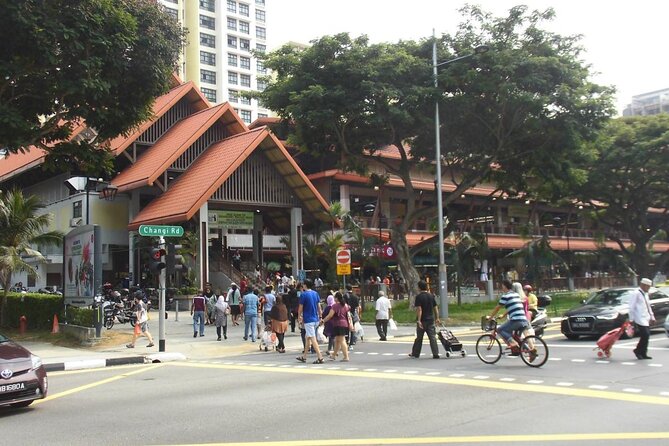
The tour starts at 9:00 am at Geylang Serai, one of the best places in Singapore to get a first look at Malay food culture. You meet your guide here and begin on foot, so wear shoes that are comfortable for several hours of walking and standing.
The market experience is split between wet and dry areas. In the wet market, you might see fresh ingredients and produce used in everyday cooking. The dry side brings in spices, packaged goods, and other pantry items. The value of this stop is not just visual. Your guide connects the ingredients to the dishes you will encounter later.
This is where guides such as Veronica and Kenneth have made a strong impression. Veronica has led visitors through the market’s produce, spices, and cooking ingredients, while Kenneth has explained Malay customs and the food traditions tied to Geylang Serai. Kenneth speaks English and Malay, which is useful in a neighborhood where language and culture are part of the experience.
You should expect explanation rather than a rushed march from stall to stall. The tour focuses on what foods are used for, how they fit into Singapore’s mixed food culture, and how local markets support everyday cooking.
There is a practical limit here. Market conditions can be busy, and the three-hour tour cannot stop at every stall or explain every ingredient. Still, for a first visit to Singapore, this is a smart opening because it gives you a framework for understanding later tastings.
More food tours in Singapore:
- Small Group: Michelin and Local Hawker Food Tour with 9 tastings
★ 5.0 · 1,890 reviews - Small Group: Singapore Street Food & Night Tour with 9 tastings
★ 5.0 · 1,240 reviews - The Award-Winning PRIVATE Food Tour: 10 Tastings of 3 Cultures
★ 4.5 · 1,017 reviews
Walking through Katong and Joo Chiat
From Geylang Serai, the experience continues into Katong and Joo Chiat. These areas are closely associated with Malay and Peranakan culture, and the route gives you a look at food beyond the market itself.
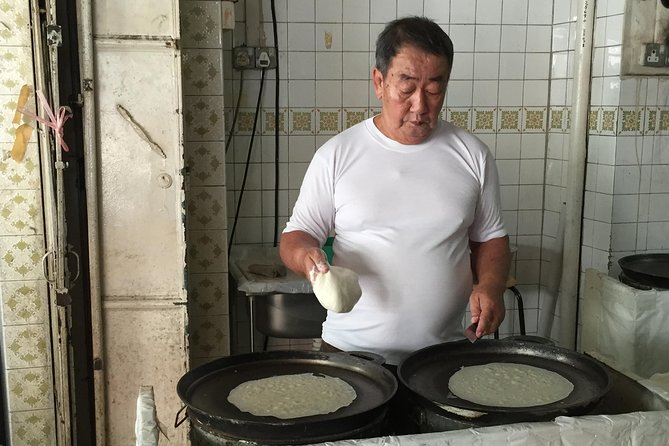
The tour includes local shops and family-run food businesses. One especially useful detail is the chance to see how curry puffs and popiah skins are made. That behind-the-scenes element adds something a standard food stop cannot. You see the work involved before you taste the finished food.
Joo Chiat also helps explain why Singaporean food cannot be reduced to one national style. Malay, Chinese, and Peranakan influences overlap in the dishes, ingredients, and cooking methods. Your guide provides the cultural background as you move through the neighborhood, so the food has a place and a story rather than appearing as a random list of samples.
Anthony, another guide associated with the experience, has led food walks that include Chinatown Complex. The available route information points to Geylang Serai and Katong-Joo Chiat, so you should confirm your exact departure details when booking if a particular guide or neighborhood matters to you.
The walking portion is a good fit if you want to see ordinary food businesses and local streets. It is less suitable if you want a sit-down culinary class with a polished kitchen and a long menu. This is a moving food lesson, with the city itself serving as part of the classroom.
Tasting putu piring, curry puffs, and hawker food
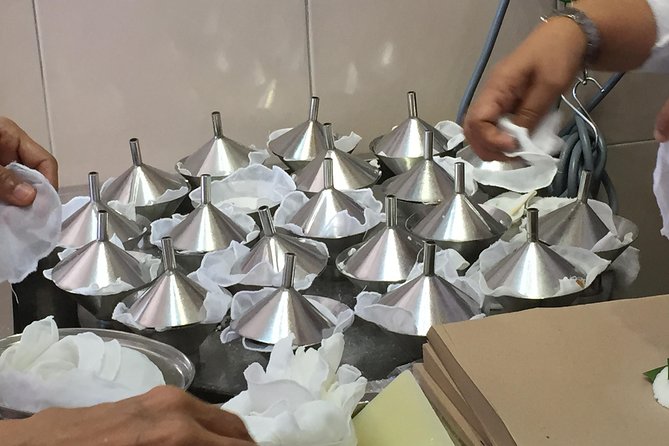
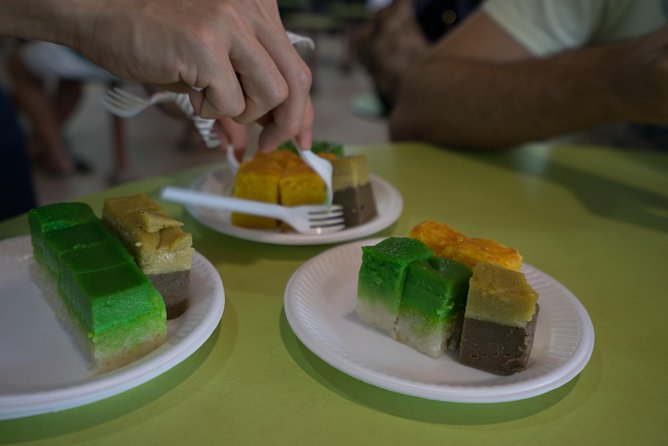
Food is served throughout the morning, but the exact tasting sequence may vary. The experience specifically features putu piring, a sweet rice flour snack, along with other local dishes and hawker-center food.
Putu piring is worth paying attention to because it is not the kind of item most first-time visitors would necessarily find on their own. Its presence also shows the tour’s interest in traditional snacks, not just famous restaurant dishes.
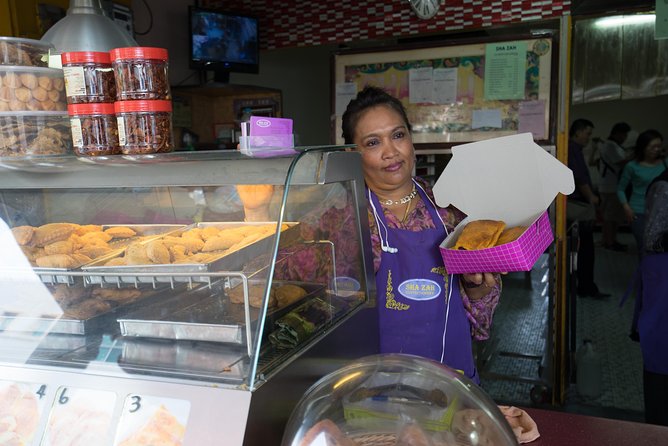
Curry puffs and other market foods may also appear. The point is comparison: you taste prepared food, see the ingredients behind it, and then learn how local eating habits work. The tour also introduces hawker culture, where inexpensive meals and snacks are a central part of daily life in Singapore.
I like this format because it helps you decide what to seek out later. A guide can explain what is sweet, savory, spicy, or texturally unusual before you take a bite. If you are cautious with unfamiliar food, that context makes sampling easier.
There are two things to keep in mind. First, the food is local in style, so it may not suit every palate. Second, the listing does not provide a fixed dish-by-dish menu. If you have allergies, dietary restrictions, or foods you cannot eat, ask the operator before booking rather than assuming substitutions will be available.
Making your own popiah
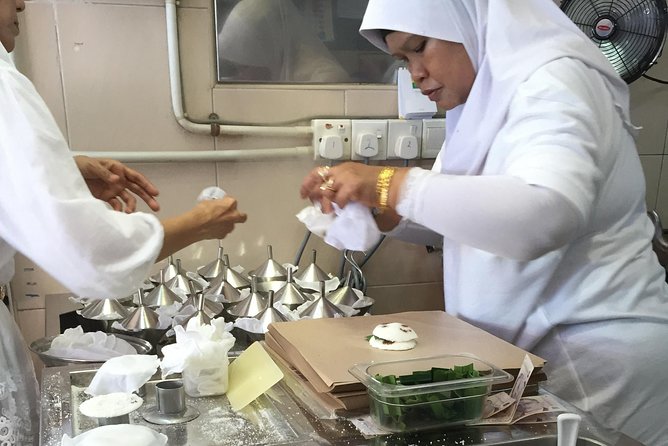
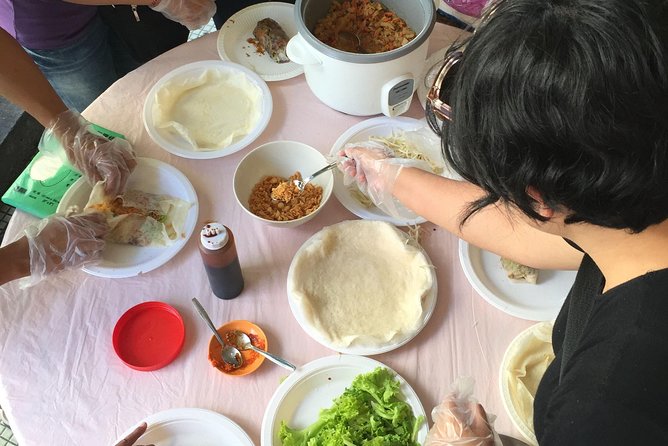
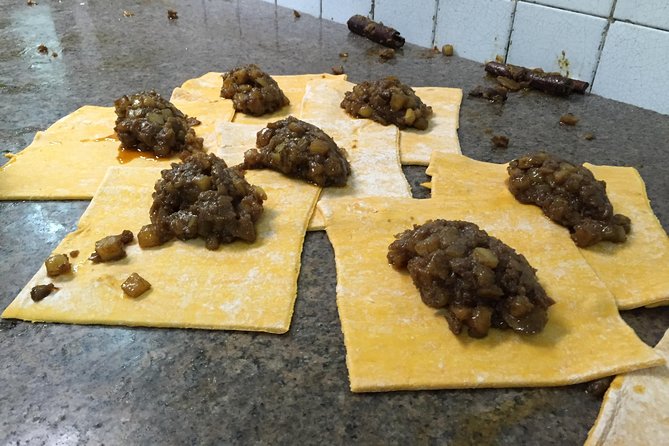
The hands-on cooking portion is the clearest reason to choose this experience instead of a basic food walk. You learn to make popiah, a fresh spring roll sometimes described here as an Asian crepe.
You do not simply watch a demonstration. You handle the ingredients and assemble your own roll, which makes the dish easier to remember and reproduce later. The process also helps you understand how a familiar snack comes together, from the wrapper to the filling and final fold.
This is particularly useful for first-time visitors because popiah is both approachable and tied to local food traditions. The tour’s food focus is not limited to eating something once. You leave with a better idea of how the dish is prepared and why it matters.
The small group makes a difference during this part. With no more than five people, your guide can give individual help, answer questions, and watch how each person is assembling the food. In a larger class, this activity could become a quick demonstration followed by a line of people waiting for assistance.
The cooking section is still one part of a larger morning. Do not book this expecting a long recipe workshop or a take-home cooking course. The appeal is the combination of a short lesson, local context, and immediate eating.
Same island, a completely different afternoon:
- Lion City Bike Tour of Singapore
★ 5.0 · 6,211 reviews - Singapore: Gardens by the Bay Bundle Entry Ticket
★ 4.3 · 3,726 reviews - Singapore: Big Bus Hop-On Hop-Off Tour by Open-Top Bus
★ 4.5 · 3,261 reviews - Singapore: Lion City Highlights Bike Tour
★ 4.9 · 2,010 reviews
Trying kueh pie tee and other local specialties
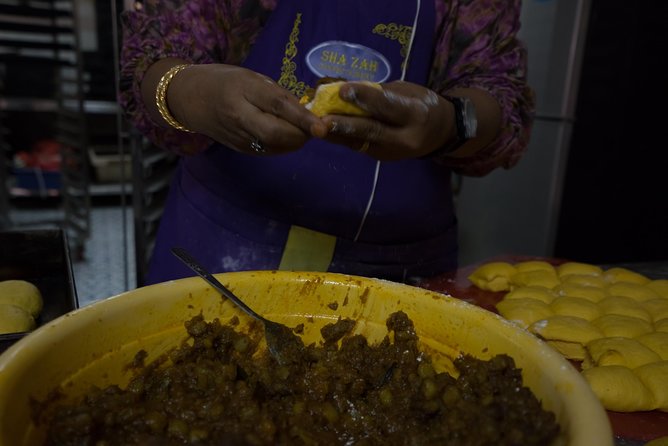
Kueh pie tee is another featured food. It is a savory tart with a crisp shell and filling, and it gives the tour a second hands-on or tasting element beyond popiah.
Together, popiah and kueh pie tee show two different ways that local food uses wrappers, fillings, and contrasting textures. That makes the cooking portion more interesting than learning one recipe in isolation.
The experience also gives you the chance to sample food at local hawker centers. Hawker food is a key part of eating in Singapore, and a guided visit can help you understand how these centers work. You get more than a meal. You learn what kinds of stalls to notice and how traditional foods fit into the city’s daily routine.
The information provided does not promise a specific number of tastings or a complete meal. I would treat the tour as a substantial morning of sampling, but not assume it replaces lunch for everyone. If you have a large appetite, plan to eat again afterward.
One appealing feature is the balance between familiar and less familiar foods. You might recognize the general idea of a spring roll or tart, but the local ingredients and preparation give them a different character. That makes this a good choice if you want an introduction that is friendly without being overly generic.
What the three-hour format really gives you
Three hours is long enough for a useful introduction but short enough to fit into a busy Singapore itinerary. Since the tour starts in the morning, you can spend the afternoon at another part of the city.
The schedule also keeps the food fresh in your mind. You move from market ingredients to shops, then to tastings and preparation. That progression makes more sense than visiting unrelated restaurants across town.
The trade-off is pace. You will be walking, listening, tasting, and taking part in a cooking activity within one morning. If you like slow meals or want lengthy conversations at each stop, the schedule may feel compressed.
I would especially recommend it during your first few days in Singapore. You can use what you learn afterward when ordering at hawker centers or shopping for snacks. If you already know Singapore’s food scene well, the value depends on how much you want the market access and popiah lesson.
Is $104.91 a fair price?
At $104.91 per person, this is not a cheap way to eat breakfast. Singapore’s hawker centers offer inexpensive food, so you could spend much less by exploring alone.
The price makes more sense when you separate the food cost from the service. You are paying for a small group of no more than five, a guide, interpretation of the wet and dry markets, visits to shops and hawker centers, several tastings, and a cooking activity. For a visitor who would otherwise feel unsure about what to order or how to read the food culture, that guidance has real value.
I would not choose this tour only for the quantity of food. Choose it for access, explanation, and the chance to make popiah and kueh pie tee. The advertised rating is 4.5 out of 5, with 90 percent recommending the experience, and the strongest praise centers on the guides, the market explanations, the local food, and the popiah activity.
The value is best for first-time visitors, food-focused travelers, and people who prefer a personal guide over independent trial and error. It is weaker for budget-minded visitors who are comfortable eating alone at hawker centers or for anyone seeking a full-day culinary program.
Guide style and the small-group advantage
The guide can shape this experience more than the food list does. Veronica has led the Geylang Serai walk and popiah-making sessions. Kenneth has shared Malay language and cultural context, while Anthony has guided food-focused visits through Chinatown Complex.
Because the group is capped at five, you should have a better chance to ask about unfamiliar ingredients, cooking methods, and local customs. That matters in a market, where a large group can block aisles or make it hard to hear.
The experience does not promise a specific guide, so you should not book solely to meet Veronica, Kenneth, or Anthony. Their names are useful indicators of the kind of guide you may receive: someone who connects food with place, culture, and everyday life.
The tour has received especially warm praise for the hosts and for the clear explanations of market foods. That is a key strength. The dishes are important, but the guide is what turns a tasting route into a useful introduction to Singapore.
Practical details before you go
You meet at Geylang Serai in Singapore at 9:00 am, and the activity ends back at the meeting point. Since the route includes walking through markets, shops, and neighborhoods, comfortable footwear is a sensible choice.
A mobile ticket is provided, and confirmation is received when you book. Most people can take part, but the experience requires good weather and a minimum number of participants. If poor weather or low enrollment causes a cancellation, you can choose another date or experience, or receive a full refund.
You can cancel for a full refund up to 24 hours before the start time. Changes or cancellations made less than 24 hours before the start time are not accepted for a refund, and the cut-off follows Singapore local time.
Ask about food restrictions before booking. The tour includes several local dishes, but no dietary substitutions are promised in the available information.
Who should book Ultimate Food Journey?
I would book this for a first visit to Singapore, especially if you want an easy introduction to Malay and Peranakan food without spending a day planning market stops. The small group, local guides, and cooking activity give it more substance than a simple tasting walk.
It is also a good fit if you learn best by doing. Making your own popiah and seeing how food businesses prepare curry puffs or popiah skins gives you details you are more likely to remember.
I would skip it if your main goal is a bargain meal, a long formal cooking class, or a fixed menu with guaranteed dishes. The route is short, the food list can vary, and the price is high compared with eating independently.
For most first-time food explorers, I think the balance is worthwhile. You get a market, neighborhood walk, hawker culture, tastings, and hands-on preparation in one morning. Just arrive ready to walk, eat a range of local foods, and ask questions.
FAQ
Where does the Ultimate Food Journey begin?
The tour begins at Geylang Serai in Singapore.
What time does the experience start?
The start time is 9:00 am.
Where does the activity end?
The activity ends back at the meeting point.
How long does the tour last?
The experience lasts approximately three hours.
What places are included?
The route includes Geylang Serai New Market and stops in Katong-Joo Chiat. It also includes local shops and hawker centers.
What food can I expect to try?
Featured foods include putu piring, popiah, kueh pie tee, and other local dishes. The exact tasting sequence is not specified.
Do I get to cook during the tour?
Yes. You learn to make popiah, and the experience also features kueh pie tee.
How many people can join?
The tour has a maximum of five participants.
Can I cancel for a refund?
Yes. You can cancel at least 24 hours before the start time for a full refund. Cancellations or changes made less than 24 hours before the start time are not accepted for a refund.
Recently added around Singapore
- The Real Singapore Heartland Walking Food Tour★ 5.0 · 4 reviews
- Vegetarian Culinary Adventure in Singapore★ 5.0 · 7 reviews
- Singapore’s Marina Bay Wonders and Heritage Tales, Chinatown★ 5.0 · 5 reviews
- Singapore’s Hidden Treasures: A Cultural Private Tour★ 5.0 · 3 reviews
- Private Tour Singapore Street Food & Night Tour★ 5.0 · 4 reviews
- Singapore – Albatross Speedboat Adventures Cruising in Sentosa★ 5.0 · 3 reviews
- Small Group Full Day Singapore City Tour with Roundtrip Transfers★ 4.0 · 11 reviews
- Tastes of Chinatown★ 5.0 · 4 reviews
Singapore Food Tours, compared.
Small Group: Michelin and Local Hawker Food Tour with 9 tastings
Read our review →
Small Group: Singapore Street Food & Night Tour with 9 tastings
Read our review →
The Award-Winning PRIVATE Food Tour: 10 Tastings of 3 Cultures
Read our review →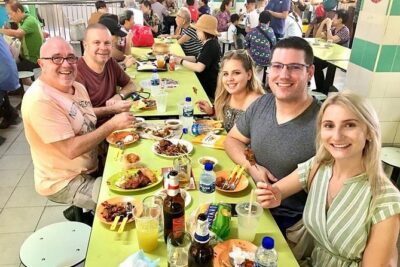
Singapore: Chinese, Indian & Arabic Quarters, Culture & Food Tour
Read our review →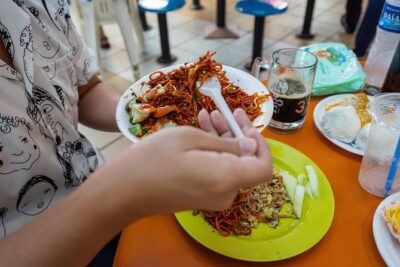
Singapore: UNESCO Street Food & Cultural Experience
Read our review →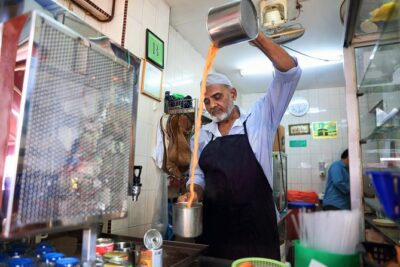
Small-Group Food Tour With Hawker Center: Eat Like A Local
Read our review →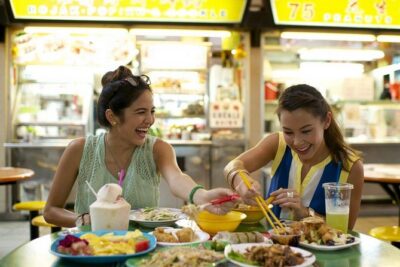
Singapore Private Food, Culture and Heritage Tour with 9 tastings
Read our review →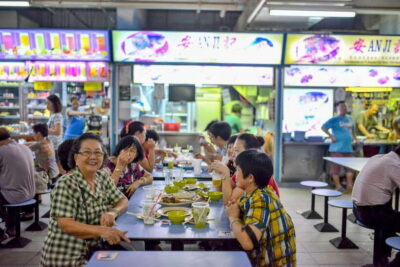
Singapore: Foodie Experience Guided Tour with 5 Tastings
Read our review →Browse the lists this tour appears in