
Reviewed · SINGAPORE CHINATOWN TOURS
5 hours Little India, Kampong Glam, Chinatown with 9 Food Tasting
Singapore’s food culture makes more sense when you eat it street by street. This five-hour walk links Little India, Kampong Glam, and Chinatown, with nine to 10 tastings along the way, from Indian breakfast and Malay sweets to Singaporean coffee and chicken rice.
I like the small group, capped at 10, and the way the tour joins food with temples, mosques, markets, and local history. Guides such as Ronnie, Kelvin, and Jeanette are praised for turning the walk into a useful introduction to Singapore. The main concern is value: at $141.29, you are paying for guidance and context, not a luxury restaurant meal, and some tastings may lean heavily on rice.
Key points at a glance
- Three districts in five hours: Cover Little India, Kampong Glam, and Chinatown without planning separate outings.
- Nine to 10 food and drink tastings: Expect a broad sample of local hawker and neighborhood specialties.
- Small group of up to 10: A manageable size for questions, shared plates, and easier movement through busy areas.
- Strong cultural focus: See Sri Veeramakaliamman Temple, Sultan Mosque, and the Buddha Tooth Relic Temple and Museum.
- Come hungry, but not overfull: The food builds through the day, and some of the tastings arrive later.
- Tell the guide about dietary needs: Advance notice is important, but you should also remind the guide at each food stop.
Why three neighborhoods make a useful first look at Singapore
This tour works because Singapore’s cultures are not presented in a museum row. You walk through the districts where Indian, Malay, and Chinese traditions remain part of daily life, then taste food connected to each place.
You begin in Little India and finish at Chinatown Complex on Smith Street. Kampong Glam sits between them in the day’s route. The order gives you a broad sense of the city, though it also means a fair amount of walking in Singapore’s heat.
The guide provides the thread that ties the stops together. Ronnie, Kelvin, Jeanette, and Wee Soon have all led this experience, and the strongest guiding seems to come from their stories about Singapore’s political development, social life, food customs, and cultural mix.
The tour is not just a list of dishes. You stop at religious buildings and markets, hear why the neighborhoods developed as they did, and learn how ordinary food fits into local life. That matters because a plate of rice or a cup of coffee can seem plain without context. With explanation, it becomes part of a larger story about migration, trade, family habits, and modern Singapore.
More Little India walks:
- Chinatown, Little India, Kampong Gelam City Highlights Tour
★ 5.0 · 224 reviews - Singapore: Chinatown and Little India Guided Walking Tour
★ 4.8 · 190 reviews - Kampong Glam, Little India & Chinatown with Local Street Food Tastings
★ 4.5 · 70 reviews
Little India: temple color and a taste of Indian breakfast
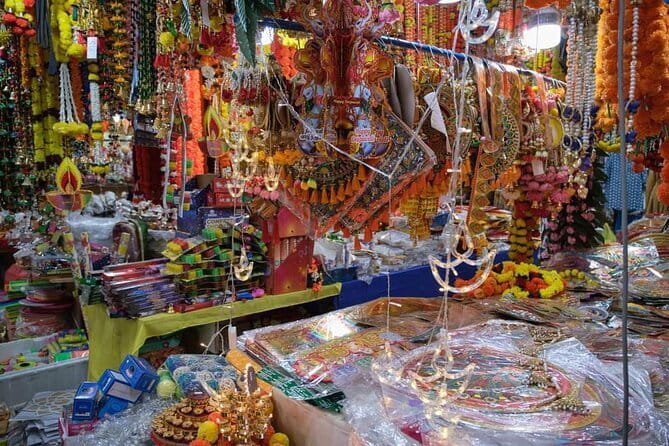
The first stop lasts about 90 minutes. Sri Veeramakaliamman Temple gives the area an immediate sense of place, with its colorful exterior and detailed sculptures dedicated to the goddess Kali.
The temple is an important visual start because it shows you a living place of worship rather than a grand government monument. You should dress and behave respectfully, and follow the guide’s instructions about entering or viewing the temple.
The food portion includes Indian flavors and may begin with chai and a light Indian breakfast. Other tastings connected with the day can include vegetarian curries and Indian market dishes. The exact selection can change, but the point is variety rather than one large meal.
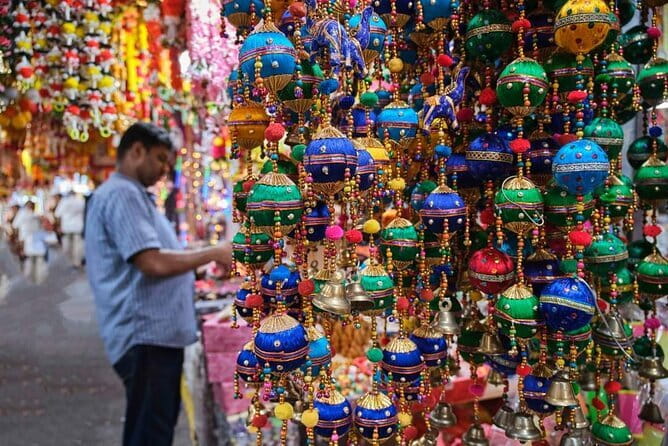
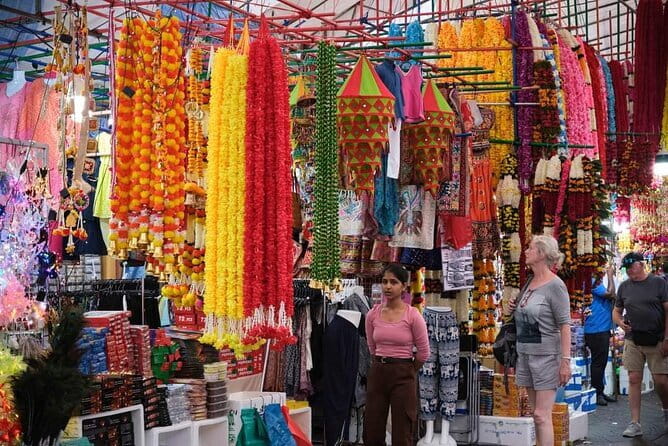
Tekka Centre is another key stop. It is a working market and food center, so the experience is less polished than a restaurant tasting. That is part of its value. You get a look at the everyday setting where inexpensive local meals are bought and eaten.
I like this opening because it gives you both a landmark and a market. The temple explains identity and faith. Tekka Centre shows how food fits into ordinary routines. If you have never tried Indian hawker food, the guide can help you understand what is on the plate instead of leaving you to guess.
Little India can also be one of the more tiring parts of the morning. Heat, walking, crowds, and strong food flavors arrive early. Wear light clothing and comfortable shoes, and do not assume a small breakfast means the food stops there.
Kampong Glam: Haji Lane, Sultan Mosque, and Malay flavors
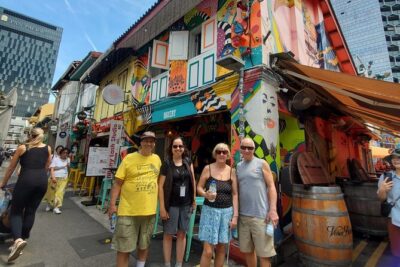
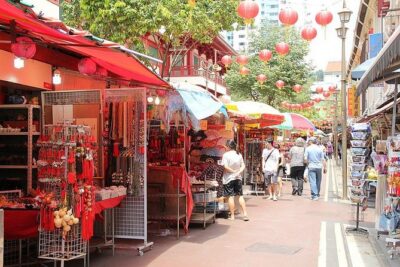
The second neighborhood takes about 90 minutes. The walk includes Haji Lane, known for its colorful murals, small boutiques, and narrow alleyway atmosphere. It is a change of pace from Little India, with a more compact route and plenty to look at between tastings.
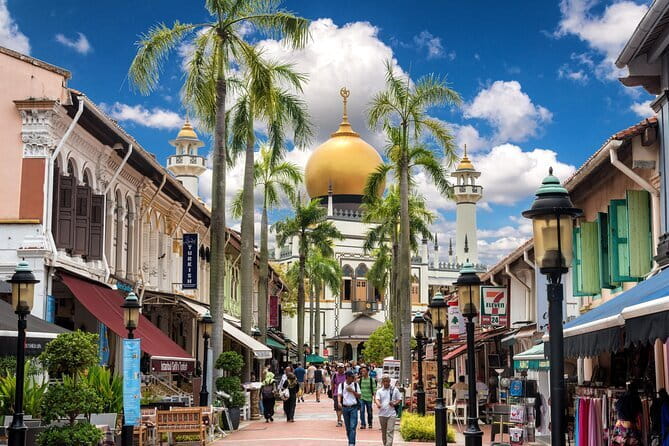
Sultan Mosque gives Kampong Glam its major landmark. The mosque’s golden domes and broad facade are hard to miss, but the guide’s explanation is more useful than a quick photograph. You learn how the district connects to Malay and Muslim life in Singapore.
The food here may include traditional Malay vegetarian curries and desserts. These tastings help balance the day because the flavors and textures differ from the Indian food earlier. Shared plates are part of the format, so you should be comfortable trying small portions with the group.
One practical note: the tour description refers to Jalan Besar Road as part of the area, but the route may include short neighborhood walks and unplanned pauses rather than a rigid parade from one sight to the next. Guides have sometimes allowed extra stops for questions or photographs, though the full experience can run beyond five hours.
Kampong Glam is also where the value of a guide becomes clear. You can walk Haji Lane on your own easily. It is harder to understand how the mosque, old neighborhood streets, shops, and food traditions fit together in a short visit. A good guide turns separate sights into a connected place.
Chinatown: temples, hawker food, and the final meal
Chinatown receives the longest portion of the tour, about two hours. The area includes the Buddha Tooth Relic Temple and Museum, one of Singapore’s most striking religious buildings.
The temple is a major visual highlight, with elaborate design and a strong sense of ceremony. Its presence makes the Chinatown stop more than a food crawl. You have time to look around, ask questions, and connect the building with the Chinese traditions that shaped the district.
The tour ends at Chinatown Complex, at 335 Smith Street, near Maxwell MRT exit 1. The final food selections may include Hainanese toast, pandan cake, Singaporean coffee, chicken rice, and coconut milk. These examples show the range of the day: snacks, drinks, sweets, and a more filling dish.
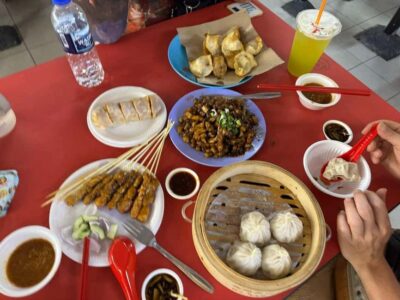
The Chinatown tastings can also be the heaviest part of the experience. One detailed account described four dishes, three drinks, and a snack, with much of the food arriving toward the end. That is useful planning advice. Do not eat a large breakfast before the tour, but do not expect the first few tastings to carry you through the morning either.
The finish at Chinatown Complex makes sense. You end in a food center where you can continue exploring after the guide leaves, although any extra purchases are your responsibility. The tour itself includes the listed tastings and one bottle of mineral water, not additional meals or personal spending.
More Kampong Glam and Arab Street walks:
- #instawalk: Bugis, Waterloo, Kampong Glam
★ 5.0 · 60 reviews - Tasting Trails: Chinatown OR with Kampong Glam, Little India
★ 5.0 · 59 reviews - Singapore: Kampong Glam & Civic District Vespa Sidecar Ride
★ 4.9 · 49 reviews - 4-hour Chinatown, Little India, and Arab Street Walking Tour
★ 5.0 · 32 reviews
What the food is really like
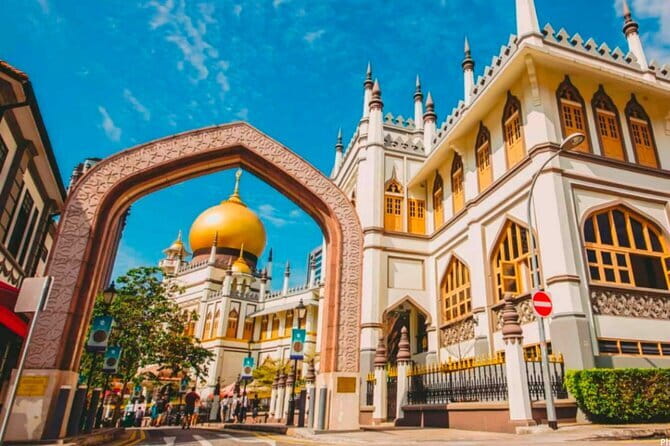
This is an introduction to Singaporean food, not an upscale dining experience. The included dishes are described as must-try or Michelin-recommended foods, but the setting is largely local food centers and neighborhood eateries.
That distinction matters at this price. You are paying $141.29 per person for a licensed guide, a five-hour route, nine to 10 tastings, cultural explanations, and the convenience of having the choices made for you. If you only want to buy inexpensive hawker meals, the price will feel high.
I think the cost makes more sense for a first visit, especially if you want to understand what you are eating. The guide helps you sample dishes you might skip on your own and explains how the three districts relate to Singapore’s wider story.
The food selection is broad, but it may not satisfy someone looking for a carefully balanced tasting menu. Some food can be rice-based, with limited protein or vegetables depending on the day’s choices. If you want adventurous seafood, meat-heavy dishes, or a restaurant-style meal, ask about the current tasting plan before booking.
Dietary needs require extra care. The tour information does not promise a special menu. You should give advance notice when booking and repeat your requirements every time food is served. A guide may be helpful, but substitutions are not guaranteed.
The guide can shape the whole experience
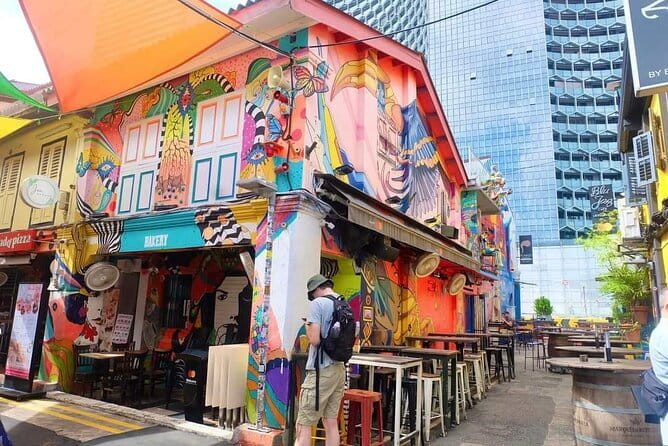
The guide is the most important variable here. The strongest descriptions of Ronnie focus on his warmth, historical stories, photography help, and willingness to answer questions. Kelvin is praised for explaining both food and Singapore’s social development. Jeanette is noted for her clear account of the country’s political and cultural changes, while Wee Soon is described as attentive and personal.
Those details tell you what to look for. The best version of this tour is not simply nine plates handed to you. It is a walking conversation about why Singapore looks and tastes the way it does.
Some guides have allowed the day to extend to six hours when the group fell behind or wanted more explanation. That sounds generous, but it can also affect your plans. Avoid booking a tight appointment immediately afterward.
The group limit of 10 is a real advantage. You can hear the guide more easily than in a large coach group, and shared dishes are less awkward. A small group also makes it easier to stop in narrow lanes and move between food counters.
Walking, heat, and timing
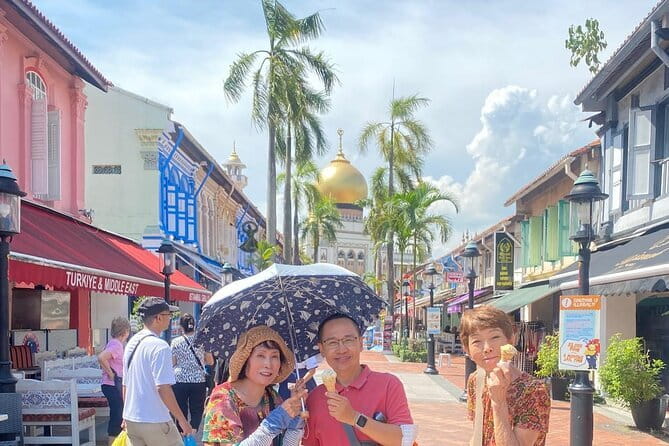
The tour lasts about five hours and covers three districts, so this is a walking experience first and a food experience second. There are breaks, but you should still expect steady movement and time outdoors.
Comfortable shoes matter. So does water, even though one bottle is included. Singapore’s heat can make the day feel longer, especially when you are full from repeated tastings.
One interesting feature is that the route may include public transportation. A guide has taken groups on the mass transit system as part of understanding everyday Singapore, though the supplied details do not specify whether this happens on every departure or whether fares are included.
The meeting point is in Little India, while the end point is Chinatown Complex. That one-way route is efficient because you do not waste time returning to where you began. It also means you should plan your next activity from Chinatown rather than Little India.
Most people can participate, but the walking and heat may be tiring for anyone who has trouble standing or moving for several hours. The information does not promise wheelchair access or a specific mobility arrangement, so ask the operator before booking if that is important to you.
Who should book this food walk?
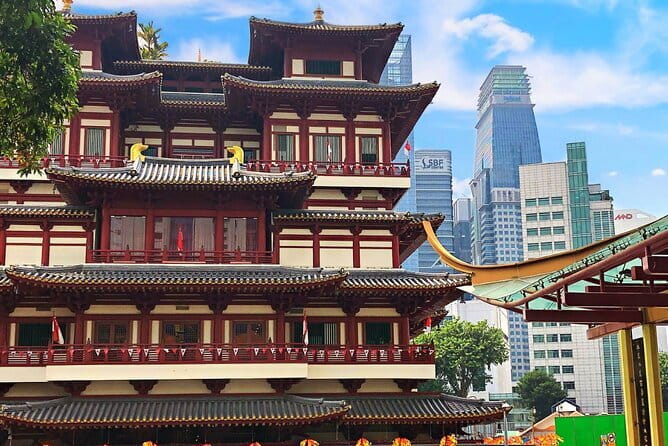
I would choose this tour for a first visit to Singapore, especially if you want a useful orientation in one day. It suits people who like history with their meals, enjoy trying small portions, and would rather have a local guide choose the food than study menus alone.
It is also a good fit for a short stay. You see three important districts, several major religious sites, a market, neighborhood streets, and a wide range of dishes in five hours.
Families can join, but note the child ticket rule. One adult can buy a maximum of one child ticket, two adults can buy a maximum of two child tickets, and additional children must pay the adult price.
I would hesitate if you want a luxury food tour, have strict allergies, dislike shared plates, or cannot manage a long walk in the heat. The tour focuses on local hawker food, and personal food preferences may not always be accommodated.
The activity has a 98 percent recommendation rate and a 4.9 rating from 58 reviews, which supports the idea that the format works well for most people. Still, the one detailed negative account raises a fair point: at this price, expectations should be clear. You are buying access, explanation, and structure, not expensive ingredients.
Should you book it?
Book it if you want a compact first look at Singapore through food, faith, and neighborhood life. The small group, strong guides, and wide range of tastings give you a practical base for later exploring on your own.
Skip it if your main goal is a high-end meal or a tightly controlled dietary menu. For the best experience, arrive ready to walk, keep breakfast light, tell the operator about allergies in advance, and remind the guide about them at each stop.
Free cancellation is available if you cancel at least 24 hours before the start time. Changes made within 24 hours are not accepted, and if the minimum group size is not reached, you will be offered another date or experience, or a full refund.
FAQ
How long does the Singapore food tour last?
The scheduled duration is approximately five hours. Some departures may run longer, with one account describing a six-hour experience.
Which neighborhoods does the tour visit?
The route visits Little India, Kampong Glam, and Chinatown.
How many food tastings are included?
The tour includes nine to 10 must-try or Michelin-recommended food and drink tastings.
What sights are included?
The route includes Sri Veeramakaliamman Temple, Tekka Centre, Haji Lane, Sultan Mosque, and the Buddha Tooth Relic Temple and Museum.
Where does the tour start and end?
It starts in Little India, Singapore, and ends at Chinatown Complex, 335 Smith Street, near Maxwell MRT exit 1.
How large is the group?
The group has a maximum of 10 travelers.
Is bottled water included?
Yes. One bottle of mineral water is included.
Can I cancel for a full refund?
Yes, if you cancel at least 24 hours before the experience start time. Cancellations made less than 24 hours in advance are not refundable.
More Food Tours in Singapore
- Small Group: Michelin and Local Hawker Food Tour with 9 tastings
★ 5.0 · 1,890 reviews - Small Group: Singapore Street Food & Night Tour with 9 tastings
★ 5.0 · 1,240 reviews - The Award-Winning PRIVATE Food Tour: 10 Tastings of 3 Cultures
★ 4.5 · 1,017 reviews - Singapore: Chinese, Indian & Arabic Quarters, Culture & Food Tour
★ 5.0 · 789 reviews
More Chinatown Tours in Singapore
- Singapore: Chinatown Hawker Market Food Tour with 7 Food Tastings
★ 5.0 · 213 reviews - Singapore: Chinatown Historic Walking Tour with Lunch
★ 5.0 · 134 reviews - Singapore: Chinatown Hawker Food Tasting Tour
★ 5.0 · 96 reviews - Chinatown Heritage Centre (Admission Ticket)
★ 5.0 · 65 reviews
Recently added around Singapore
- The Real Singapore Heartland Walking Food Tour★ 5.0 · 4 reviews
- Vegetarian Culinary Adventure in Singapore★ 5.0 · 7 reviews
- Singapore’s Marina Bay Wonders and Heritage Tales, Chinatown★ 5.0 · 5 reviews
- Singapore’s Hidden Treasures: A Cultural Private Tour★ 5.0 · 3 reviews
- Private Tour Singapore Street Food & Night Tour★ 5.0 · 4 reviews
- Singapore – Albatross Speedboat Adventures Cruising in Sentosa★ 5.0 · 3 reviews
- Small Group Full Day Singapore City Tour with Roundtrip Transfers★ 4.0 · 11 reviews
- Tastes of Chinatown★ 5.0 · 4 reviews
Singapore Chinatown Tours, compared.
Chinatown, Little India, Kampong Gelam City Highlights Tour
Read our review →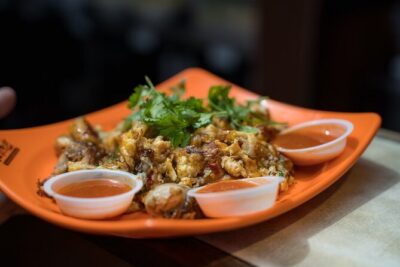
Singapore: Chinatown Hawker Market Food Tour with 7 Food Tastings
Read our review →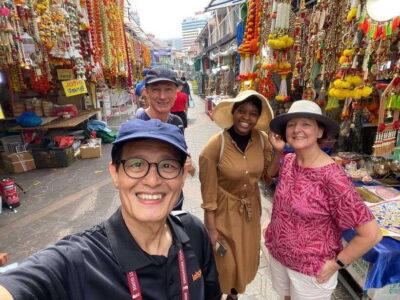
Singapore: Chinatown and Little India Guided Walking Tour
Read our review →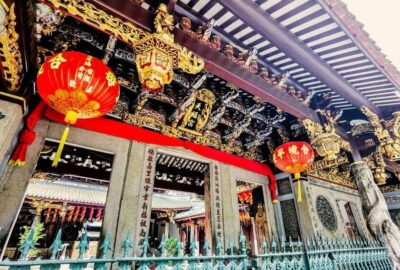
Singapore: Chinatown Historic Walking Tour with Lunch
Read our review →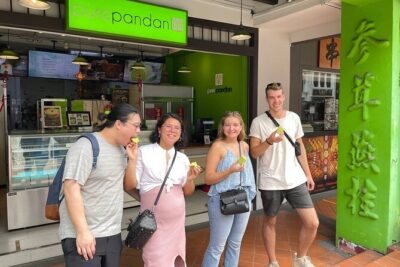
Kampong Glam, Little India & Chinatown with Local Street Food Tastings
Read our review →
Tasting Trails: Chinatown OR with Kampong Glam, Little India
Read our review →Browse the lists this tour appears in