
Reviewed · SINGAPORE CHINATOWN TOURS
Tasting Trails: Chinatown OR with Kampong Glam, Little India
Singapore’s food culture makes most sense one bite at a time, and this tour links the city’s Chinese, Malay, and Indian quarters through food, street life, and local stories. You may begin with roasted meats and kopi in Chinatown, then continue to Malay snacks in Kampong Glam and dosai near Little India.
I like the small-group format, which gives guides room to explain unfamiliar dishes and adjust the pace. I also like the three-district option, since it turns a food outing into a useful first look at several key neighborhoods. The catch is that the longer route covers plenty of ground, includes subway travel, and may feel like a lot of walking in Singapore’s heat.
Key points at a glance
- Choose your scale: Spend three hours in Chinatown, or take the longer route through Chinatown, Kampong Glam, and Little India.
- Eight to ten tastings: Expect food and drinks from hawker centers, heritage eateries, coffee shops, and family-run stalls.
- Guides who add context: Guides including Dawn, Jeanette, Kelvin, Leo, and Lee are praised for pairing dishes with stories about Singapore’s people and past.
- Real hawker dining: Seating is usually first-come, first-served, so you eat as locals do rather than at reserved restaurant tables.
- A full stomach is part of the plan: Eat lightly beforehand, especially for the longer route.
- Bring practical gear: Comfortable shoes, sunscreen, a hat, and an umbrella matter in Singapore’s hot, wet weather.
Start in Chinatown with roasted meats and old coffee shops
The three-hour Chinatown route is the simpler choice, especially if you have a short stay or want to keep your first food tour manageable. The meeting point may be at Bee Cheng Hiang on Pagoda Street, though the exact starting place depends on the option you book.
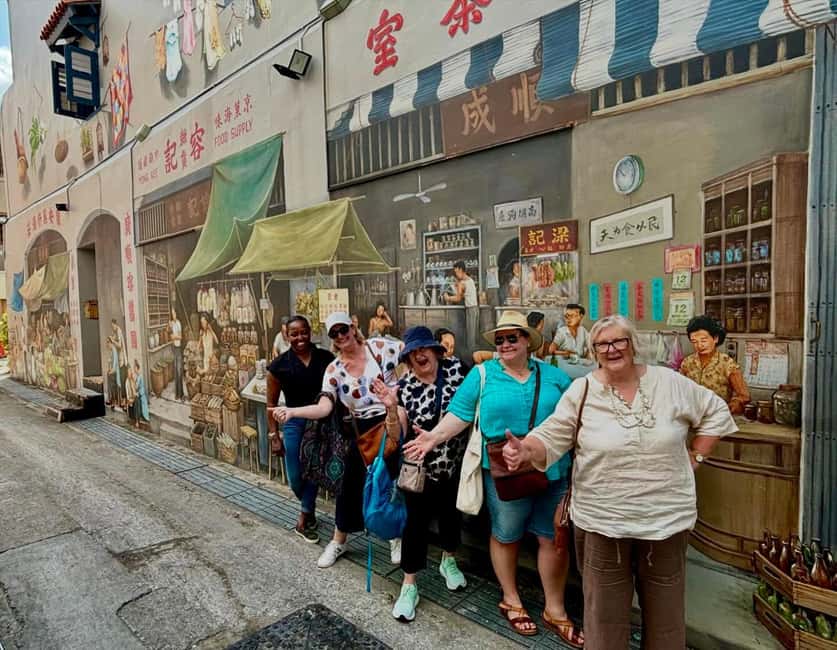
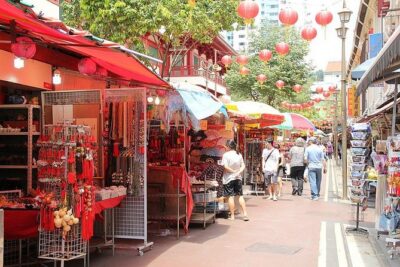
The first tasting begins near 69 Pagoda Street, in the heart of Chinatown. From there, you move through the Chinatown Heritage Centre area, Smith Street, and Pagoda Street. These are not just backdrops for food. The narrow lanes, old shopfronts, murals, temples, and herbal stores help explain how different communities shaped the district.
Look for murals by Singapore artist Yip Yew Chong along the way. They add small, human details to the streets and give your guide a useful opening for talking about everyday life in older Chinatown.
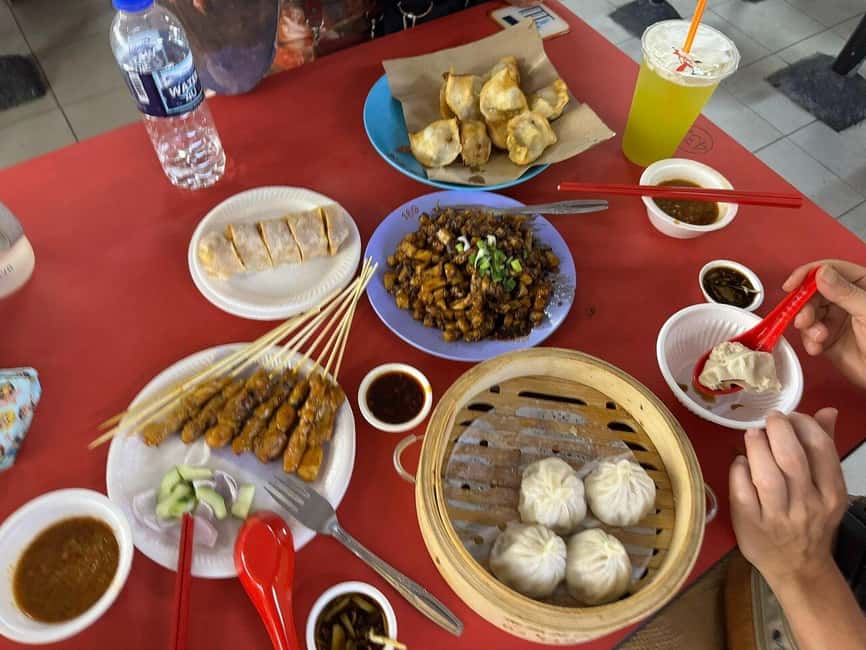
Food stops focus on familiar local staples, but the useful part is learning how to approach them. You may taste charcoal-roasted meats, dim sum, traditional snacks, and local coffee. The guide explains what you are eating and how Singaporeans order coffee and tea, a small lesson that can save you from pointing at a menu and hoping for the best later.
At Nanyang Old Coffee, expect a short break and another tasting. This kind of coffee shop stop is valuable because it gives you a look at a long-running local habit, not simply another restaurant meal. Coffee and tea in Singapore come with their own vocabulary and preparation styles, and the guide can help you understand the choices.
The walk then reaches Ann Siang Hill, where the older Chinatown setting shifts toward restored shophouses and atmospheric lanes. After that, Maxwell Food Centre provides a larger tasting stop. You may sample several dishes here, with time for your guide to explain ingredients, cooking methods, and the role of hawker centers in daily Singapore life.
The Chinatown portion finishes with the Buddha Tooth Relic Temple and Chinatown Complex. The temple is a major visual landmark, while Chinatown Complex gives you a more practical sense of how a large hawker center works. You should expect shared seating and busy tables rather than a private place held for your group.
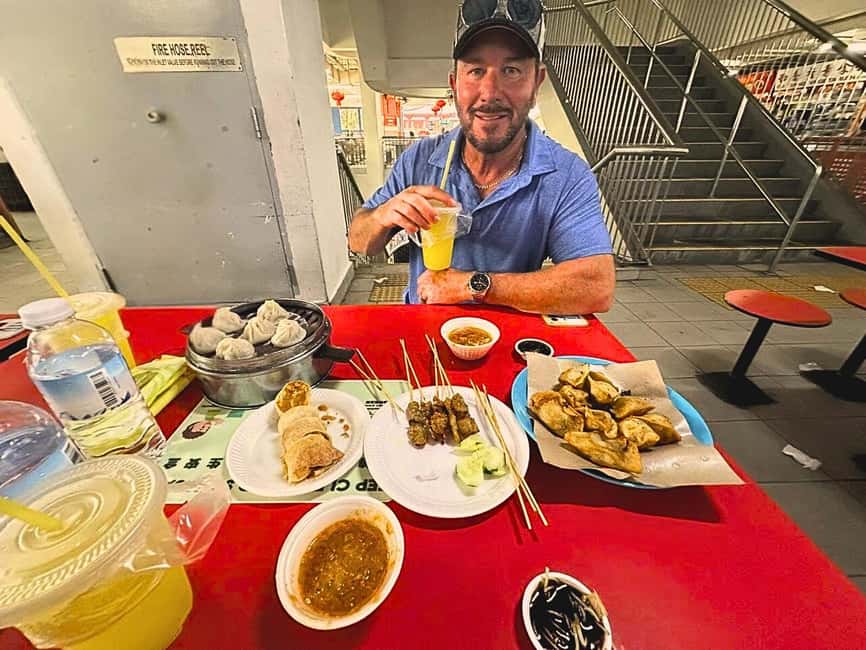
That seating arrangement is worth understanding before you book. This is a real hawker experience, so seating can be first-come, first-served. You may share a table or wait briefly during a busy period. In return, you get the ordinary rhythm of local dining rather than a polished restaurant version of it.
More Little India walks:
- Chinatown, Little India, Kampong Gelam City Highlights Tour
★ 5.0 · 224 reviews - Singapore: Chinatown and Little India Guided Walking Tour
★ 4.8 · 190 reviews - Kampong Glam, Little India & Chinatown with Local Street Food Tastings
★ 4.5 · 70 reviews
Continue to Kampong Glam for Malay snacks and street art
The longer option adds Kampong Glam and Little India to the Chinatown route. Public transport connects the districts, and the itinerary includes subway rides of roughly 10 to 15 minutes. Your $67 price includes the food, drinks, guide, and a bottle of mineral water, but you pay separately for buses, trains, taxis, or other personal costs.
Kampong Glam brings a different set of flavors and visual cues. The route includes Haji Lane, Muscat Street, and the area around Sultan Mosque. You will see the mosque’s golden dome and hear about the Malay and Muslim traditions tied to this part of the city.
Food here may include seasonal tropical fruit and kuih from family-run Malay stalls. Kuih covers a wide range of colorful Malay sweets and snacks, so this portion can offer a welcome change from the roast meats and savory hawker dishes of Chinatown.
Haji Lane adds street art and independent storefronts, while Muscat Street provides a more traditional setting near the mosque. The contrast is part of the appeal. You get a compact lesson in how Singapore protects older districts while allowing new businesses and creative spaces to move in.
The longer route is best for someone who wants a broad introduction to Singapore’s cultural quarters in one day. It is less suitable if you prefer to linger at each stop, take long photographs, or sit down for a full meal. Food tours work best when you treat each item as a shared taste rather than ordering a complete plate for yourself.
Finish in Little India with spices, flowers, and dosai
Little India is the final district on the extended route. The walk lasts about 45 minutes, taking in spice shops, flower garlands, colorful shophouses, and the area around Tekka Centre.
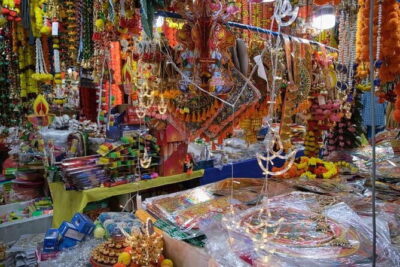
This is a sensory change from Chinatown and Kampong Glam. Incense, music, bright fabrics, and open displays create a lively street experience, while the food leans toward bold spices, crisp textures, and vegetarian-friendly Indian dishes. The tour specifically points to lesser-known dosai stops, giving you a chance to try a South Indian specialty that you might otherwise overlook.
You may also see Tan Teng Niah, one of Little India’s most recognizable shophouses. The building makes a good photo stop, but the guide’s explanation gives it more meaning than a quick picture would. Along with the food, you learn how the district developed and how its shops and religious traditions fit into present-day Singapore.
Tekka Centre is another useful stop for understanding the neighborhood. It is a working market and food center, not a set built for sightseeing. That distinction matters. You are seeing where people shop and eat, with all the practical noise, shared tables, and changing stall availability that come with it.
The route finishes at Maxwell MRT Station, listed as TE18. Since the extended option begins in one district and ends in another, you should plan your onward route before setting out. The subway makes the transfer possible, but public transport costs are not included.
What the guides add to each tasting
Food alone would not justify several hours of walking and transfers. The guide is the part that connects the stops.
Dawn is praised for being warm and for knowing the food and history of the three districts. Jeanette is frequently described as attentive and especially strong at explaining Singaporean culture, ingredients, and traditions. Kelvin is noted for a friendly manner, thoughtful food choices, and a relaxed pace.
Leo is a good match for anyone who wants plenty of background. He explains the city’s many cultures, points out details you might pass without noticing, and helps with ordering coffee and tea. One particularly unusual subject he has explained is bird’s nest, an ingredient used in a special soup.
Other named guides include Lee, Liang, Paul, Aaron, Jess, Sylvia, Silvia, and Liang. Guide assignment is not guaranteed, but the pattern is clear: this experience depends heavily on the person leading it. A good guide does more than name a dish. They explain why it is eaten, how it is made, and where it fits in Singaporean life.
Guides also help with the social side of hawker centers. They can choose portions, explain unfamiliar ingredients, find seats when possible, and make sure the group understands how to share dishes. One guide was even praised for carrying wet wipes and tissues and cleaning tables before the group sat down. Those are modest details, but they matter when you are eating several times during a walking tour.
More Kampong Glam and Arab Street walks:
- #instawalk: Bugis, Waterloo, Kampong Glam
★ 5.0 · 60 reviews - 5 hours Little India, Kampong Glam, Chinatown with 9 Food Tasting
★ 5.0 · 58 reviews - Singapore: Kampong Glam & Civic District Vespa Sidecar Ride
★ 4.9 · 49 reviews - 4-hour Chinatown, Little India, and Arab Street Walking Tour
★ 5.0 · 32 reviews
How much food do you actually get?
The tour includes eight to ten handpicked local foods and drinks. That number sounds modest until you remember that many tastings are shared. Several stops at Maxwell Food Centre or Chinatown Complex can add up quickly, and the longer route includes food in three districts.
You should not eat a large meal before the tour. One guide has been known to send people away full enough not to need dinner, and that is a useful warning. The experience is designed around variety, not restraint.
The precise dishes can change with stall availability, season, and route. You might taste roasted meats, dim sum, kopi, Malay kuih, tropical fruit, dosai, and other traditional savory or sweet items. The strength of this approach is variety. The limitation is that you cannot expect a fixed tasting menu with every dish guaranteed.
Vegetarians can join, but choices are limited because the tour focuses partly on meat-based food. Some vegetarian items are available, depending on the route and stalls. If you have a serious allergy, tell the operator in advance. Food comes from outside vendors, and the company cannot promise allergen-free meals. Common concerns include nuts, gluten, shellfish, dairy, and soy.
The walking, weather, and group experience
The Chinatown option lasts about three hours. The extended route is described as roughly four hours in its main option, though the activity may show a duration range of three to seven hours depending on availability and the selected format. Confirm the exact timing when booking.
You will walk through several districts and use the subway between them. Wear comfortable shoes, and bring sunscreen, a hat, and an umbrella. Singapore can be hot and rainy, and the tour runs in either condition.
Families are welcome, including children as young as three. The educational side works well for children who enjoy street life and trying unfamiliar foods, but parents should remember that hawker seating is informal and the route includes walking and public transport.
Private and small-group formats are available. A smaller group makes it easier to ask questions and share dishes, while a private booking gives you more control over the pace and food discussion. The minimum is two full-paying guests, and the operator may cancel or reschedule if that minimum is not met.
Is $67 good value?
At $67 per person, this is not the cheapest way to buy lunch in Singapore. Hawker food itself is usually inexpensive, and you could visit Maxwell Food Centre or Tekka Centre on your own for far less.
You are paying for the guide, the planning, the explanations, and the ability to try several foods without spending time guessing what to order. You also get transport between districts built into the route, although the actual public transport fare is extra.
I see the best value for a first visit, a solo visitor, or anyone who wants help getting comfortable with Singapore’s food centers. The tour can also save time. Instead of researching stalls, learning local food terms, and finding your way among three neighborhoods, you follow one planned route.
The value drops if you already know Singapore’s hawker centers well or prefer to choose every dish yourself. It also drops if your dietary restrictions make most of the tastings unsuitable. Ask about your needs before booking rather than expecting the guide to solve every food issue at the table.
Cancellation is free up to 24 hours before the experience, and you can reserve now and pay later. Those policies help if your Singapore plans are still moving around.
Who should book the Chinatown option?
Choose the three-hour route if you want a focused introduction without committing most of an afternoon. It gives you Chinatown’s heritage lanes, coffee culture, hawker centers, temple, and food traditions in a compact format.
This is also the better pick for young children, visitors arriving after a flight, and people who want room for another attraction afterward. You still get several tastings, but there is less changing districts and less transit.
Who should take all three districts?
Choose the longer route if your main goal is to understand how Chinese, Malay, and Indian influences meet in Singapore. Chinatown, Kampong Glam, and Little India each bring different streets, food habits, religious landmarks, and visual details.
You should be ready for a full outing. Start hungry but not empty, wear proper walking shoes, and expect shared hawker seating. If you want a broad introduction to the city’s food culture on your first day, this option gives you useful ideas for later meals.
Final call: book it if you want context with your food
I would book this tour if you want Singapore’s food explained as part of daily life rather than served as a string of anonymous samples. The strongest parts are the guide-led stories, the access to local hawker food, and the chance to connect Chinatown, Kampong Glam, and Little India in one practical route.
Pick Chinatown for a shorter, easier afternoon. Pick the three-district option if you want more variety and do not mind walking, subway transfers, heat, and an extremely full stomach. Skip it if you need a fixed menu, reserved seating, or a fully vegetarian or allergy-free experience.
FAQ
How many food tastings are included?
The tour includes eight to ten local food and drink tastings at hawker centers, heritage eateries, coffee shops, and local stalls.
Can I choose between Chinatown and the three-district route?
Yes. You can choose a three-hour Chinatown experience or a longer route that also includes Kampong Glam and Little India.
How long does the tour last?
The Chinatown option lasts about three hours. The activity offers durations from three to seven hours depending on the selected option and availability, so confirm the exact timing when booking.
Is public transport included in the price?
No. The route uses subway or other public transport between districts, but bus, MRT, taxi, and other transport costs are not included.
Are vegetarian options available?
Yes, but choices are limited because the tour includes meat-based dishes. Vegetarian availability depends on the route and the stalls operating that day.
Can I join if I have a food allergy?
You should tell the operator in advance. The food comes from outside vendors, so allergen-free meals cannot be guaranteed. Possible allergens include nuts, gluten, shellfish, dairy, and soy.
Is the tour suitable for children?
Yes. Families are welcome, and children as young as three have joined. Keep in mind that the tour includes walking, public transport, and informal hawker-center seating.
Are seats reserved at the food stops?
No. Most stops use local hawker stalls with first-come, first-served seating. You may share a table or wait briefly during busy periods.
What happens if it rains?
The tour runs rain or shine. Bring an umbrella, comfortable shoes, sunscreen, a hat, and water so you are prepared for Singapore’s changing weather.
More Food Tours in Singapore
- Small Group: Michelin and Local Hawker Food Tour with 9 tastings
★ 5.0 · 1,890 reviews - Small Group: Singapore Street Food & Night Tour with 9 tastings
★ 5.0 · 1,240 reviews - The Award-Winning PRIVATE Food Tour: 10 Tastings of 3 Cultures
★ 4.5 · 1,017 reviews - Singapore: Chinese, Indian & Arabic Quarters, Culture & Food Tour
★ 5.0 · 789 reviews
More Chinatown Tours in Singapore
- Singapore: Chinatown Hawker Market Food Tour with 7 Food Tastings
★ 5.0 · 213 reviews - Singapore: Chinatown Historic Walking Tour with Lunch
★ 5.0 · 134 reviews - Singapore: Chinatown Hawker Food Tasting Tour
★ 5.0 · 96 reviews - Chinatown Heritage Centre (Admission Ticket)
★ 5.0 · 65 reviews
Recently added around Singapore
- The Real Singapore Heartland Walking Food Tour★ 5.0 · 4 reviews
- Vegetarian Culinary Adventure in Singapore★ 5.0 · 7 reviews
- Singapore’s Marina Bay Wonders and Heritage Tales, Chinatown★ 5.0 · 5 reviews
- Private Tour Singapore Street Food & Night Tour★ 5.0 · 4 reviews
- Singapore’s Hidden Treasures: A Cultural Private Tour★ 5.0 · 3 reviews
- Singapore – Albatross Speedboat Adventures Cruising in Sentosa★ 5.0 · 3 reviews
- Small Group Full Day Singapore City Tour with Roundtrip Transfers★ 4.0 · 11 reviews
- Tastes of Chinatown★ 5.0 · 4 reviews
Singapore Chinatown Tours, compared.
Chinatown, Little India, Kampong Gelam City Highlights Tour
Read our review →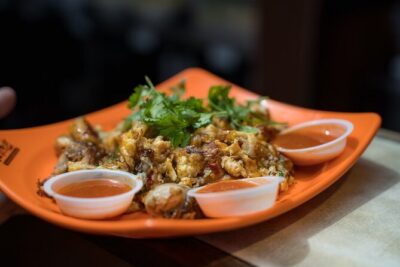
Singapore: Chinatown Hawker Market Food Tour with 7 Food Tastings
Read our review →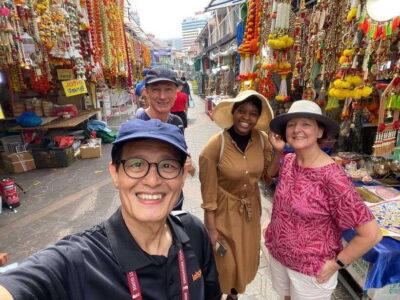
Singapore: Chinatown and Little India Guided Walking Tour
Read our review →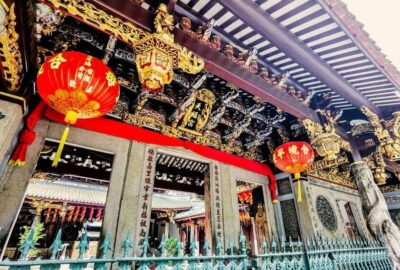
Singapore: Chinatown Historic Walking Tour with Lunch
Read our review →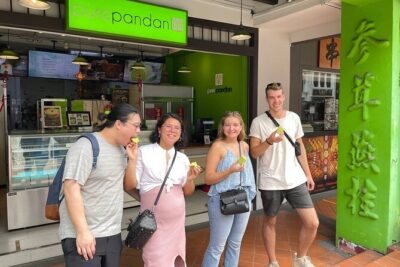
Kampong Glam, Little India & Chinatown with Local Street Food Tastings
Read our review →
5 hours Little India, Kampong Glam, Chinatown with 9 Food Tasting
Read our review →Browse the lists this tour appears in