
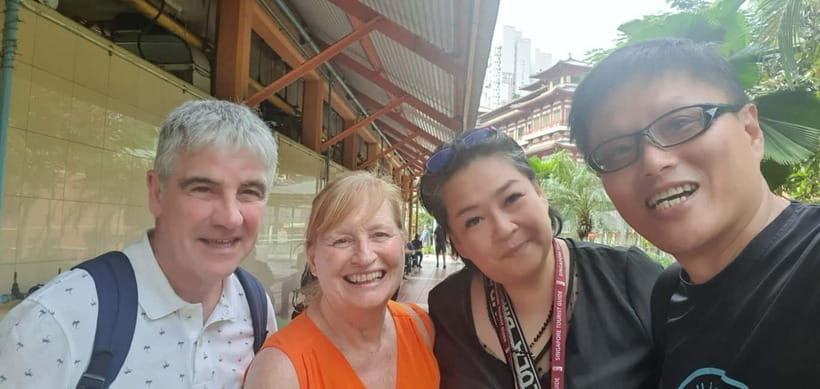
Reviewed · SINGAPORE CHINATOWN TOURS
Chinatown Heritage Walk & Street Food Tasting (Small Group)
Singapore’s food culture makes the most sense when you eat it where people actually gather, and this tour puts you in the middle of Chinatown’s food scene. You’ll walk with an English-speaking guide, hear the stories behind local dishes, and try 7 to 8 food and drink samples in a group limited to 10 people.
I like the mix of street food and cultural context, rather than a meal with no explanation. I also like the short format, which works well when you have only a few days in Singapore. The main drawback is that you need to arrive ready for a fair amount of walking, heat, and unfamiliar flavors, and the tour is not suitable for wheelchair users.
Key points at a glance
- Maxwell MRT meeting point: Wait near the Cheers convenience store inside the station, close to Exit 2.
- Small group size: The group is limited to 10 participants, making it easier to ask questions and keep track of the guide.
- Seven to eight tastings: Expect a broad sample of local food and drink rather than one large sit-down meal.
- Chinatown in two parts: The experience combines about 1.5 hours of guided sightseeing with about an hour devoted to food tasting.
- Guides with a personal touch: Jason and James have led this experience, with Jason especially praised for food knowledge, friendly care, photos, and dietary adjustments.
- Come hungry and prepared: Bring sunscreen, a hat, and an umbrella. One particularly useful tip is to leave room for durian if it is offered.
Why a Chinatown food walk works so well
Chinatown is a good place to begin understanding Singapore because food here reflects several cultures at once. Chinese cooking sits beside Malay, Indian, and Peranakan influences, and the result is not a tidy single tradition. It is a practical, everyday food culture shaped by migration, family recipes, religious customs, and modern city life.
I like tours that explain what I am eating instead of handing me a plate and moving on. Here, the guide connects the dishes with local habits and Chinatown’s past, so chicken rice or laksa becomes more than a quick snack. You get a sense of why these foods matter and how Singaporeans think about eating.
The small size is important. With no more than 10 people, you should have room to hear the guide and ask about ingredients, customs, or places to return later. It also makes the walk feel less like a group procession through the streets.
The experience is not designed as a formal cooking class or a long restaurant meal. Think of it as a guided food walk with sightseeing built in. You will taste several items, but portion sizes and exact dishes may vary.
More Chinatown walks and food stops:
- Chinatown, Little India, Kampong Gelam City Highlights Tour
★ 5.0 · 224 reviews - Singapore: Chinatown Hawker Market Food Tour with 7 Food Tastings
★ 5.0 · 213 reviews - Singapore: Chinatown and Little India Guided Walking Tour
★ 4.8 · 190 reviews
Meeting at Maxwell MRT Station
The tour begins at Maxwell MRT Station, officially identified as TE18. You wait near the Cheers convenience store inside the station, close to Exit 2. This is a simple meeting point, but give yourself enough time to find the correct exit and locate the store before the start.
No transport is included, so you handle your own journey to the station. Once the group gathers, the guide leads you into Chinatown for the walking portion.
I appreciate the central meeting point because it keeps the start clear and easy to reach by public transit. Still, do not assume that being at the station means you can arrive at the last minute. Singapore’s MRT stations can have several exits and connecting passages, so checking your route beforehand will make the first few minutes calmer.
Wear shoes that are comfortable for walking. The information provided does not give a precise walking distance, but the tour includes about 1.5 hours of sightseeing before the main tasting period. In Singapore’s heat, that matters.
The first 90 minutes: Chinatown through local eyes
The guided Chinatown portion lasts about 1.5 hours. You will walk through the area while your guide points out important places and explains the neighborhood’s food, culture, and past.
The strongest part of this format is the connection between place and plate. A food stall is easier to understand when you know something about the community that created the dish. The guide can also provide useful context about daily life, local customs, and how Singaporeans approach food.
Jason has been especially praised for making this part relaxed and personal. He has taken photos for people at major sights, answered questions about Singaporean life, and allowed time for requests such as trying durian. James has also been described as friendly and entertaining, with a knack for adding stories and humor.
Those names are useful to know, but your guide may be someone else. The listed language is English, and the experience is led by a live guide rather than an audio recording. That gives you the best chance to ask about a dish as soon as something catches your attention.
The tour does not promise a fixed list of landmarks, so you should not book it expecting a detailed architectural tour of every Chinatown sight. Its focus is food, local stories, and a useful introduction to the district.
The food hour: what you may taste
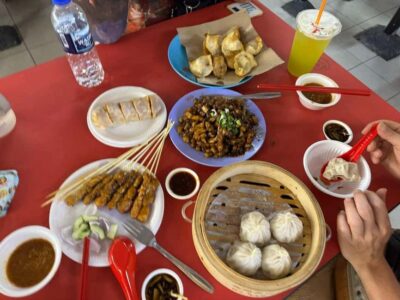
The tasting portion lasts about one hour and includes 7 to 8 local food and drink samples. That is enough variety to give you a first look at Singaporean eating habits without turning the afternoon into a single heavy meal.
The listed examples include:
- Hainanese chicken rice: A well-known Singaporean favorite, valued for its simple ingredients and careful preparation.
- Laksa: A spicy, aromatic noodle dish with strong Malay and Chinese influences.
- Spring rolls: A familiar snack that fits neatly into a tasting route.
- Traditional local delights: Colorful sweets or snacks may appear among the samples.
- Durian: One guide has accommodated a request to stop for it, and one particularly enthusiastic food account advised not skipping it.
The exact menu is not guaranteed, so treat these as examples rather than promises. That is normal for a street food walk, where availability, stall opening times, and the guide’s route can affect what you receive.
You should arrive hungry. The tasting includes several different foods, and even small portions can add up. At the same time, do not expect seven or eight full meals. This is a sampling experience, designed to help you compare flavors and learn what you may want to seek out later.
I like the chance to try foods I might otherwise pass by. A local guide can explain how a dish is eaten, what flavors to notice, and why it is common in Singapore. That information has real value because it helps you make better choices when you return to Chinatown on your own.
More hawker centre crawls:
- Small Group: Michelin and Local Hawker Food Tour with 9 tastings
★ 5.0 · 1,890 reviews - Small Group: Singapore Street Food & Night Tour with 9 tastings
★ 5.0 · 1,240 reviews - Singapore: UNESCO Street Food & Cultural Experience
★ 5.0 · 524 reviews - Small-Group Food Tour With Hawker Center: Eat Like A Local
★ 5.0 · 420 reviews
The cultural value behind the snacks
The food is the obvious draw, but the explanations may be the lasting benefit. Singapore’s cooking traditions do not fit into one national box. Chinese, Malay, Indian, and Peranakan influences overlap, and the tour presents that mix through food rather than a classroom lecture.
The guide also shares stories about local attitudes and everyday life. Some stories may be humorous or informal, so you should enjoy them as conversation rather than treating every anecdote as a formal historical claim. That relaxed tone seems to suit the tour’s purpose: helping you feel more at ease in Chinatown.
This is especially useful during a short Singapore visit. If you have only two days, you can see several parts of Chinatown, taste a range of local items, and gather ideas for a return visit in 150 minutes. One useful outcome is knowing which food centre or stall area deserves more of your own time later.
The tour can also help cautious eaters. You get to sample before committing to a full portion, and the guide can explain unfamiliar ingredients. For adventurous eaters, it provides a gentle push toward less familiar choices, including durian.
Dietary needs and food expectations
One recorded group included a vegan and a vegetarian, and Jason adjusted the food choices very well. That is encouraging, but the activity details do not promise a specific dietary menu or guarantee that every guide can make the same arrangements.
If you have dietary restrictions, tell the provider before booking or as early as possible. Do not assume that every sample will suit your needs. The tasting may include meat, seafood, dairy, or other ingredients, and the supplied details do not provide an allergen list.
For most people, the best approach is to see the food as a guided introduction. You do not need to like every item, and you should not feel pressured to finish something that does not suit you. The small group should make it easier to explain your needs directly to the guide.
Is $51 a fair price?
At $51 per person, the tour costs more than simply buying a few hawker dishes yourself. That comparison is fair, but it misses the main point. You are paying for the guide, the route, the cultural explanations, the convenience of several tastings, and the chance to avoid guessing your way through Chinatown.
If you already know Singapore well and are comfortable ordering at food centres, you may get better value by eating independently. You can choose larger portions and control your spending.
For a first visit, I think the price is easier to justify. Seven to eight tastings can cost a noticeable amount when bought separately, and the guide adds context that you cannot get from a menu alone. A small group also gives the experience a more personal feel than a large coach tour.
The value is strongest for someone who wants orientation. After the tour, you can return to Chinatown with a better sense of what to order and where to look. It is less useful for someone seeking a full lunch, a cooking lesson, or a highly structured museum-style tour.
Heat, walking, and practical comfort
Singapore’s climate makes basic preparation important. Bring sunscreen, a sun hat, and an umbrella, as requested for the activity. The umbrella can help with both sun and rain.
The experience lasts 150 minutes, with the guided walk and food tasting taking place outdoors or around food areas. The tour details do not promise air-conditioned stops or seating throughout, so plan for a warm, active afternoon.
The activity is not suitable for wheelchair users. The information also excludes people over 95, so check this restriction before booking. No transport or personal expenses are included, which means you should budget for your route to and from Maxwell MRT Station and any extra purchases you choose to make.
I would also avoid scheduling your biggest meal immediately before the tour. You want enough appetite to try the samples, especially since the range may include rich, spicy, or strongly flavored foods.
Who will get the most from this tour?
I would recommend it most strongly to first-time visitors, short-stay visitors, and curious eaters who want an introduction without spending an entire day on food. It suits people who enjoy asking questions and learning the story behind a dish.
It is also a good match for solo visitors and couples who prefer a small group. A limit of 10 participants is large enough to feel social but small enough for direct conversation with the guide.
Families with older children may enjoy the tasting element, though the heat, walking, and unfamiliar flavors are worth considering. Anyone with limited mobility should choose a different activity because wheelchair users are specifically excluded.
Experienced Singapore visitors may find it less essential, especially if they already know Chinatown and hawker culture. Even then, the guide may take you to local spots you would not have found on your own, which was a repeated strength of the experience.
Booking flexibility and the final decision
You can cancel up to 24 hours before the activity for a full refund, and you can reserve now while paying later. That is useful if your Singapore schedule may change.
I would book this tour if you want three things in one compact outing: Chinatown sightseeing, a guided introduction to local food, and several small tastings. The most praised qualities are the guides’ friendly care, clear explanations, willingness to answer questions, and ability to make the route feel personal.
I would skip it if you want a large, guaranteed meal, a fixed menu, or a completely accessible route. You should also choose another plan if you dislike spicy foods, strong flavors, or walking in hot weather.
For everyone else, $51 is a reasonable price for a well-organized first look at Singapore’s food culture. Come hungry, wear comfortable shoes, protect yourself from the sun, and leave room for the possibility of durian.
FAQ
Where does the Chinatown food tour begin?
The meeting point is near the Cheers convenience store inside Maxwell MRT Station, close to Exit 2.
How long does the experience last?
The total duration is 150 minutes, or two and a half hours.
How many people can join the group?
The group is limited to 10 participants.
What language is the tour conducted in?
The live tour guide speaks English.
How many food samples are included?
The experience includes 7 to 8 local food and drink tastings.
What foods might I try?
Examples include Hainanese chicken rice, laksa, spring rolls, colorful traditional local treats, and possibly durian. The exact selection is not guaranteed.
Is transport included?
No. Transport and personal expenses are not included, so you arrange your own travel to and from Maxwell MRT Station.
Is the tour suitable for wheelchair users?
No. The activity is listed as unsuitable for wheelchair users.
Can I cancel the booking for a refund?
Yes. You can cancel up to 24 hours in advance for a full refund. You can also reserve now and pay later.
More Walking Tours in Singapore
- Singapore: Private Walking Tour with a Local
★ 4.7 · 410 reviews - Private Customised Singapore Walking Tour
★ 5.0 · 370 reviews - Singapore: Customized Private Tours (Car/Bus/Walking)
★ 5.0 · 181 reviews - Eat Snap Katong Walking Food Tour
★ 5.0 · 174 reviews
More Food Tours in Singapore
- The Award-Winning PRIVATE Food Tour: 10 Tastings of 3 Cultures
★ 4.5 · 1,017 reviews - Singapore: Chinese, Indian & Arabic Quarters, Culture & Food Tour
★ 5.0 · 789 reviews - Singapore Private Food, Culture and Heritage Tour with 9 tastings
★ 5.0 · 394 reviews - Singapore: Foodie Experience Guided Tour with 5 Tastings
★ 4.7 · 291 reviews
Recently added around Singapore
- The Real Singapore Heartland Walking Food Tour★ 5.0 · 4 reviews
- Vegetarian Culinary Adventure in Singapore★ 5.0 · 7 reviews
- Singapore’s Marina Bay Wonders and Heritage Tales, Chinatown★ 5.0 · 5 reviews
- Singapore’s Hidden Treasures: A Cultural Private Tour★ 5.0 · 3 reviews
- Private Tour Singapore Street Food & Night Tour★ 5.0 · 4 reviews
- Singapore – Albatross Speedboat Adventures Cruising in Sentosa★ 5.0 · 3 reviews
- Small Group Full Day Singapore City Tour with Roundtrip Transfers★ 4.0 · 11 reviews
- Tastes of Chinatown★ 5.0 · 4 reviews
Singapore Chinatown Tours, compared.
Chinatown, Little India, Kampong Gelam City Highlights Tour
Read our review →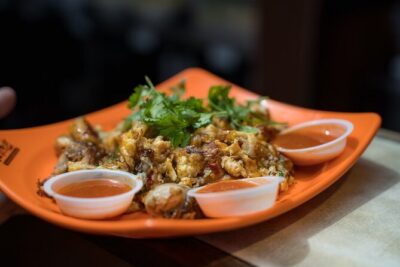
Singapore: Chinatown Hawker Market Food Tour with 7 Food Tastings
Read our review →
Singapore: Chinatown and Little India Guided Walking Tour
Read our review →
Singapore: Chinatown Historic Walking Tour with Lunch
Read our review →
Kampong Glam, Little India & Chinatown with Local Street Food Tastings
Read our review →
Tasting Trails: Chinatown OR with Kampong Glam, Little India
Read our review →Browse the lists this tour appears in