
Reviewed · SINGAPORE CHINATOWN TOURS
Chinatown Heritage Centre (Admission Ticket)
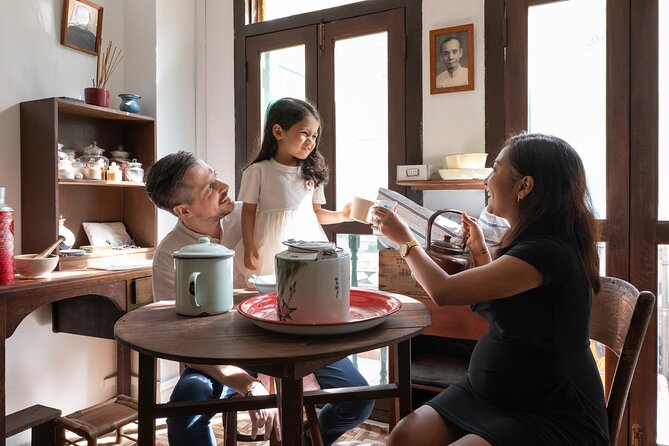
Singapore’s Chinatown Heritage Centre puts you inside the old shophouse world, not just in front of display cases. You move through recreated living quarters, shops, kitchens, and work spaces that show how early Chinese settlers built a life in a crowded new community. I like the three-floor layout and the way ordinary trades, from tailoring to street barbering, make the past feel close. I also like the self-guided format, which lets you set your own pace and use QR codes for added stories.
The main drawback is its size. You can see the Centre in about an hour, so it is not a full-day museum. Your ticket is also tied to a date and entry time, with no re-entry and no late admission after 6:00 PM. Plan this visit as a focused Chinatown stop, not as your only major attraction in Singapore.
Key points to know before you go
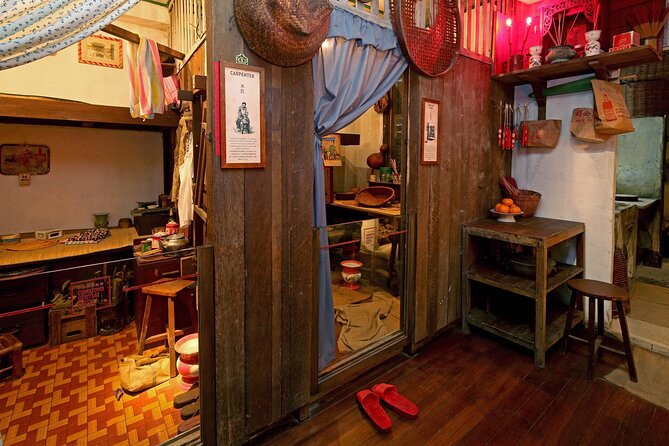
- Three floors in a real shophouse: The building itself helps explain how Chinatown once worked, with homes, shops, and cramped living spaces stacked together.
- Everyday life takes center stage: Look for recreated rooms, kitchens, tailoring areas, barbering, opera-related displays, and household objects.
- QR audio content is available: Bring your own phone and earpiece for free audio material, or rent a multimedia guide at the Centre.
- Allow one to two hours: Many people will finish in about an hour, but you can take longer if you stop for the audio content and small details.
- Chin Yee is a helpful staff contact: A staff member named Chin Yee has been singled out for friendly, useful service, adding a personal touch to the visit.
- Book carefully: Your mobile confirmation is not the official ticket. The official ticket arrives within 24 hours, and the booking cannot be changed or refunded inside the final 24 hours.
Entering Chinatown through its old shophouses
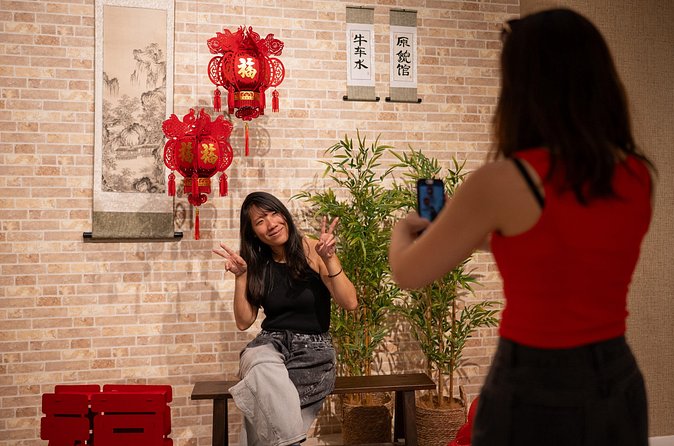
The Chinatown Heritage Centre sits in the middle of Singapore’s Chinatown, making it easy to fit between food stops, temple visits, and a walk through the district. You are not entering a large modern museum. You are stepping into a compact shophouse-based centre where the narrow rooms and stacked floors help explain the way people once lived and worked.
That setting matters. A standard gallery can show you an old cooking pot or a work tool, but the Centre places such objects in rooms that suggest daily use. Small spaces, shared facilities, and basic furnishings give you a clearer sense of the pressure faced by early Chinese settlers than a simple timeline on a wall.
The focus is social history. You learn about people who came from China, the difficulties they faced, and the jobs and community networks that helped Chinatown grow. The displays are not only about famous figures or grand buildings. They pay attention to workers, families, trades, and the practical business of getting through each day.
I would start with the building itself. Notice the shophouse arrangement as you move upward. The relationship between commercial space and living space is one of the Centre’s strongest teaching tools, and it helps you read the surrounding streets with more understanding once you leave.
More Chinatown walks and food stops:
- Chinatown, Little India, Kampong Gelam City Highlights Tour
★ 5.0 · 224 reviews - Singapore: Chinatown Hawker Market Food Tour with 7 Food Tastings
★ 5.0 · 213 reviews - Singapore: Chinatown and Little India Guided Walking Tour
★ 4.8 · 190 reviews
Three floors of rooms, trades, and household life
The exhibition area is the heart of the visit. You can expect displays spread over three floors, with reconstructed rooms and objects connected to the older Chinatown community. The route presents a gradual move back in time, showing how the district took shape and how its residents earned a living.
Several scenes give the Centre its strongest sense of place. A tailor shop shows one kind of skilled work. A kitchen brings the focus back to home life. A small cubicle demonstrates how limited personal space could be. You will also find displays connected with a street barber and an opera house, offering glimpses of work and entertainment beyond the family room.
These details are valuable because they keep the story grounded. A history lesson about migration can feel distant if it only gives dates and population figures. Here, the subject becomes a barber standing over a customer, a tailor working in a tight shop, or a family using a compact kitchen. The Centre asks you to think about the people behind Chinatown’s growth.
The objects are often small, so take your time. Do not rush from one room to the next just to complete the route. The best moments may be the less dramatic ones: an old household item, the layout of a sleeping space, or the way a work area is arranged. These details help you picture the routines that shaped the community.
The rooms also have a nostalgic quality for anyone familiar with older Chinatown streets or with Singapore in the 1970s. That feeling is personal, but it does not exclude first-time visitors. You can appreciate the displays as a newcomer while still seeing why the Centre may stir memories for someone who grew up around older shop houses.
Stories of migration and community building
The Centre’s broader purpose is to explain how early Chinese settlers reached Singapore and established a community. The journey was difficult, and the displays place attention on the risks and struggles behind the familiar streets of modern Chinatown.
You will not get a long guided lecture as part of this admission ticket. Instead, you move independently and take in the information at your own speed. That suits visitors who like to stop for certain subjects and move quickly through others. It also means you need to make some effort. If you simply walk through without reading or listening, you may miss much of the social context.
The newer part of the experience takes you further back into the community’s early days. It focuses on the people and professions that helped form Chinatown. This is a useful addition because it links migration with practical community building. Arriving in Singapore was only the first step. Finding work, forming networks, creating homes, and supporting local services were just as important.
I especially like this people-first approach. Chinatown is often presented through food, architecture, and shopping. Those are enjoyable reasons to visit the district, but the Heritage Centre gives you the harder story underneath. It shows how a neighbourhood becomes a community through work, family life, shared customs, and the persistence of ordinary people.
Using the QR audio content and guides
You can use your own mobile device and earpiece to access free audio content through QR codes. This adds useful explanation without requiring you to join a group or wait for a scheduled guide. Bring your phone charged and have your earpiece ready if you want the full benefit.
The QR system is also helpful for the small scale of the displays. A short audio segment can explain the importance of a room or object without filling the space with long printed panels. You can pause, replay, and continue at a pace that works for you.
If you prefer a dedicated device, multimedia guides are available to rent on-site. The admission ticket itself includes the exhibition area, but guide rental is a separate consideration. Decide before you arrive whether you want the phone-based option or a rented guide.
Staff can also add warmth to the visit. Chin Yee is specifically associated with friendly and helpful service. If Chin Yee is working during your visit, do not hesitate to ask for assistance with the displays or the audio material. The Centre is compact, and a little help at the entrance can make the route easier to follow.
There is no large-group tour built into this ticket. That gives you privacy and flexibility, but it also means the experience depends on your own attention. I would allow extra time for the audio content rather than treating it as a quick photo stop.
More heritage tours in Singapore:
- Historical Singapore Bike Tour on Full-Sized Bicycles
★ 5.0 · 1,421 reviews - Singapore: Historical Half-Day Bike Tour
★ 4.8 · 399 reviews - Singapore Private Food, Culture and Heritage Tour with 9 tastings
★ 5.0 · 394 reviews - Singapore Group History & Culture Walking Tour
★ 5.0 · 160 reviews
How long the visit takes and where it fits

The stated visit length is one to two hours. In practice, an attentive visit may take about an hour, especially if you read the displays but do not use every audio feature. Add time if you like reconstructed rooms, want to listen to the QR content, or pause to examine the old objects.
This compact timing is a real advantage in Singapore. You can visit the Centre before lunch, after exploring Chinatown’s streets, or as part of a wider day in the city. It does not consume the schedule in the way a large museum can.
The timing also shapes your expectations. Do not buy this ticket expecting a long, elaborate attraction with endless galleries. Think of it as a focused historical experience that gives meaning to the neighbourhood outside.
Because the Centre is near public transportation, you can reach it without building a complicated transport plan. It is also suitable for most people to participate. Children under 12 must be with an adult, and children under 3 enter free.
Keep an eye on the clock. Last admission is at 6:00 PM, and late arrivals cannot be accommodated. Since re-entry is not allowed, finish your visit before leaving the building. A good plan is to arrive with enough time to see the exhibition rather than choosing the final possible entry.
Is the $20.18 price good value?

At $20.18 per person, this is not a bargain-priced free museum stop, but the value is reasonable if you care about Singapore’s social history. The ticket buys access to a carefully arranged exhibition in an authentic shophouse setting, and the visit can fill a useful hour or two in your Chinatown schedule.
The price works best when you use the Centre as background for the neighbourhood. Afterward, the street names, shop houses, trades, and cultural sites around Chinatown have more meaning. You are paying for context, not just for a room full of old objects.
The value is weaker if you want a large museum or a broad survey of all Singaporean history. The Centre has a clear focus on Chinatown and early Chinese settlers. Its compact size may leave you wanting more if you prefer long, detailed museum visits.
Some sightseeing passes include the Centre, which can improve the value if you already have one. If you are buying a separate ticket, compare the $20.18 cost with the time you have available and your interest in local history. For someone with only a few hours in Chinatown, the location and short duration make the decision easier.
Practical rules that affect your visit
Your booking confirmation arrives at the time of purchase, but the Viator or TripAdvisor confirmation is not the official ticket. The official ticket is sent within 24 hours. Check that ticket before heading out, especially if you booked close to your visit date.
Each ticket admits one person and is checked at entry. It is valid only on the specified date. Tickets cannot be transferred, refunded, or rescheduled, and an altered or duplicated ticket is void.
You can cancel for a full refund if you do so at least 24 hours before the experience start time. Inside that period, the amount paid is not refunded, and changes are not accepted. The cut-off follows Singapore local time, so do not wait until the last minute if your plans are uncertain.
Flash photography, food, and drinks are not allowed inside. You can take photographs without flash where permitted, but the restrictions protect the displays. The Centre may also change its opening hours, limit entry, or close without advance notice because of capacity limits, special events, weather, or other conditions.
By entering, you consent to photographs or video taken on the premises being used for promotional or commercial purposes. The Centre also states that it is not liable for injury, damage, or loss during the visit.
Who will enjoy this Chinatown stop?
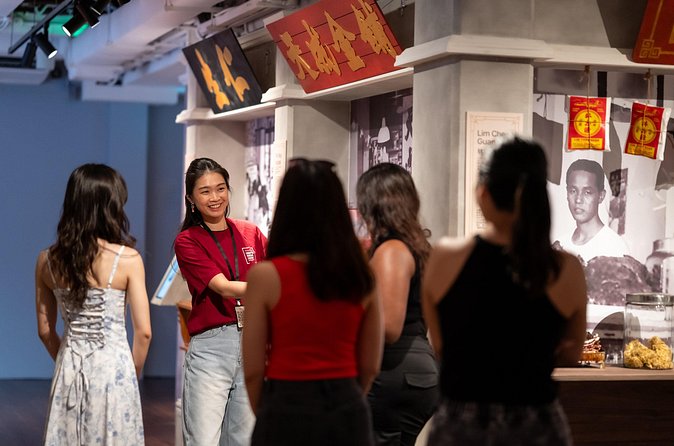
I would recommend the Centre to anyone who wants more than food and shopping from Chinatown. It suits history-minded visitors, families with older children, and people interested in migration, work, housing, and community life.
It is also a good choice for visitors who prefer independent sightseeing. You are not tied to a guide’s pace or a fixed group route. You can spend longer in the kitchen, tailor shop, or small cubicle, then move on when you are ready.
Families should note the adult requirement for children under 12. Young children may enjoy the room settings, but the historical material is likely to be more useful for older children and adults. The no-food rule and no re-entry policy are worth keeping in mind when planning around meals.
I would skip it if your schedule is extremely tight or if you are looking only for a large, highly interactive attraction. The Centre is compact and best appreciated by people willing to read, listen, and notice how the rooms are arranged.
Should you book the Chinatown Heritage Centre?
Book it if you want to understand the people and working lives behind Singapore’s Chinatown. The restored rooms, old trades, household objects, QR audio content, and shophouse setting give you a grounded look at how the district developed.
The best plan is to reserve a time that leaves room for a full hour inside, arrive before the 6:00 PM last admission, and bring your phone and earpiece. At $20.18, the ticket is fair for a focused museum visit, especially when combined with a wider Chinatown walk.
Skip it only if you need a large attraction or cannot commit to a fixed date and time. For most visitors interested in Singapore’s past, this is a compact and worthwhile stop that adds human scale to one of the city’s best-known districts.
FAQ
How long does the Chinatown Heritage Centre visit take?
The visit takes about one to two hours. Many people can see the Centre in around an hour, while the QR audio content and close attention to the displays can make the visit longer.
What does the admission ticket include?
The ticket includes admission to the exhibition area and the Centre’s galleries. Multimedia guide rental, if you choose it, is available on-site and is not listed as part of the admission inclusion.
Can I use my phone for audio content?
Yes. You may use your own mobile device and earpiece for free audio content accessed through QR codes. Multimedia guides are also available to rent on-site.
What time is the last admission?
Last admission is at 6:00 PM. Late arrivals cannot be accommodated, so choose an arrival time that gives you enough time to enter and see the exhibition.
Are children allowed to visit?
Yes. Children under 12 must be accompanied by an adult. Children under 3 receive free admission.
Can I cancel or change my booking?
You can cancel for a full refund up to 24 hours before the experience start time. Cancellations or changes made less than 24 hours before the start time are not accepted, and the ticket cannot be rescheduled inside that period.
Recently added around Singapore
- The Real Singapore Heartland Walking Food Tour★ 5.0 · 4 reviews
- Vegetarian Culinary Adventure in Singapore★ 5.0 · 7 reviews
- Singapore’s Marina Bay Wonders and Heritage Tales, Chinatown★ 5.0 · 5 reviews
- Singapore’s Hidden Treasures: A Cultural Private Tour★ 5.0 · 3 reviews
- Private Tour Singapore Street Food & Night Tour★ 5.0 · 4 reviews
- Singapore – Albatross Speedboat Adventures Cruising in Sentosa★ 5.0 · 3 reviews
- Small Group Full Day Singapore City Tour with Roundtrip Transfers★ 4.0 · 11 reviews
- Tastes of Chinatown★ 5.0 · 4 reviews
Singapore Chinatown Tours, compared.
Chinatown, Little India, Kampong Gelam City Highlights Tour
Read our review →
Singapore: Chinatown Hawker Market Food Tour with 7 Food Tastings
Read our review →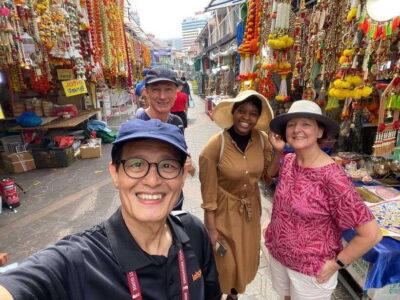
Singapore: Chinatown and Little India Guided Walking Tour
Read our review →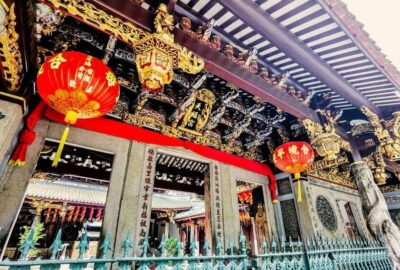
Singapore: Chinatown Historic Walking Tour with Lunch
Read our review →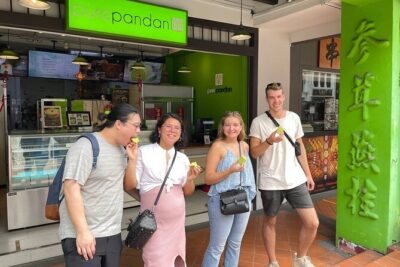
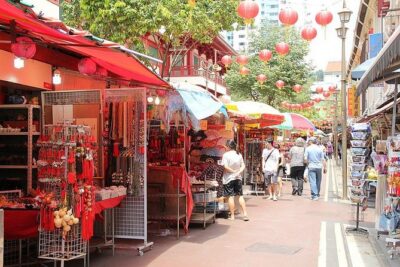
Kampong Glam, Little India & Chinatown with Local Street Food Tastings
Read our review →
Tasting Trails: Chinatown OR with Kampong Glam, Little India
Read our review →
5 hours Little India, Kampong Glam, Chinatown with 9 Food Tasting
Read our review →Browse the lists this tour appears in