
Reviewed · SINGAPORE CHINATOWN TOURS
Singapore’s Chinatown “Off The Beaten Track” Foodie Tour
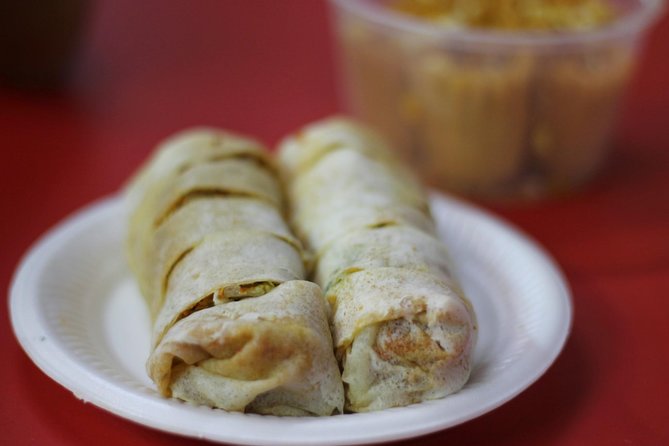
Singapore’s Chinatown “Off The Beaten Track” tour turns a morning walk into a full food lesson. You’ll inspect herbs, seafood, spices, and unfamiliar ingredients at a wet market, then taste local breakfast food, hawker-center classics, fruit desserts, and fine tea. The small group keeps the experience personal, with no more than 10 people.
I like the mix of eating and context. You are not simply handed a plate of food. You learn where ingredients are sold, how traditional Chinese delicacies are used, and why Singapore’s hawker food matters. I also like the calm change of pace at the Zen tea ceremony. The main drawback is the price, $137.19 per person, which is a serious sum for a three-hour food walk, especially if you already know Singapore’s hawker centers.
- Wet-market introduction: Learn about herbs, spices, seafood, and other ingredients used in Singapore cooking.
- Three-part tasting: Sample breakfast food, hawker-center dishes and drinks, then a shaved-ice or fruit-based dessert.
- Chinese specialty shop: See banquet ingredients and herbs associated with traditional Chinese medicine.
- Tea appreciation: Slow down at a traditional teahouse for a Zen-style tea experience.
- Small-group format: The tour accepts a maximum of 10 people, giving the guide room to answer questions.
- Friendly named guides: Angel, Kim, and Jan are specifically praised for their warmth, food knowledge, and ability to explain local culture.
Starting at 62 Smith Street with a market lesson
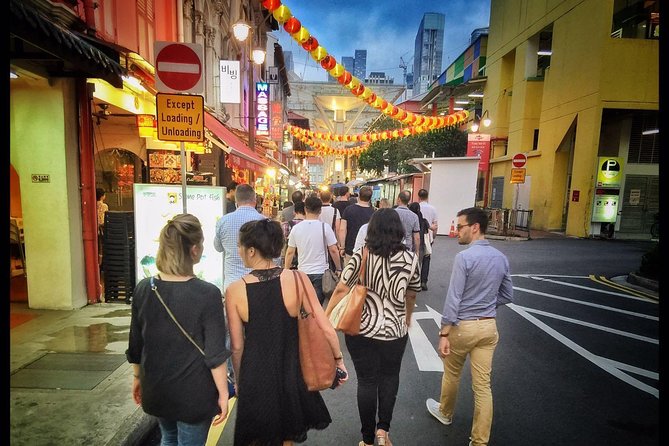
The tour begins at 9:30 a.m. at 62 Smith Street, in the heart of Chinatown. That early start makes sense: you begin with breakfast and see food shopping at a useful time of day, rather than arriving after the morning trade has wound down.
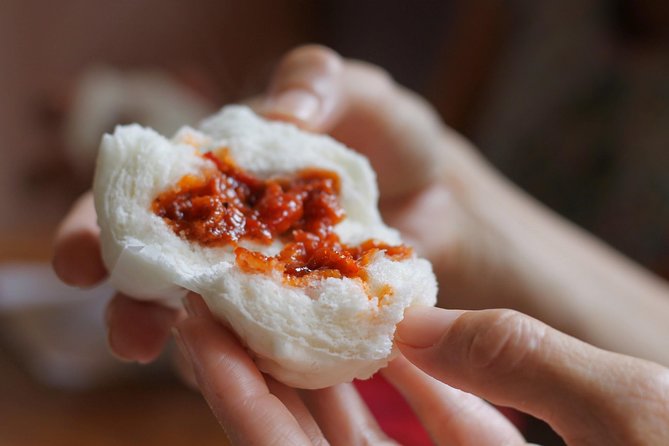
Your guide leads you through a wet market and explains the ingredients behind Singapore cooking. Expect a look at spices, herbs, seafood, and other less familiar products. This is one of the best reasons to choose this tour instead of simply wandering Chinatown on your own. A market can be visually impressive but confusing when labels and ingredients are unfamiliar. Here, you get a person who can explain what you are seeing and connect it to the food you will eat later.
I especially like this order. You first see the raw materials, then taste the finished dishes. That gives the morning a clear thread. You are not just collecting snacks. You are learning how ingredients move from market stall to kitchen.
The market portion may not suit you if you dislike strong smells, wet floors, seafood displays, or the close quarters common to working food markets. The description does not promise a long market visit, so think of this as an introduction rather than a full culinary class or shopping trip.
A local breakfast before the main hawker tasting
After the market, you sample a local breakfast snack. The exact dish is not fixed in the tour details, which is useful in one way: the experience can focus on what is available and suitable that morning. It also means you should not book expecting one specific famous breakfast item.
This first bite helps you understand Singapore’s habit of eating out at all hours. Food is not reserved for formal restaurants. Small dishes, drinks, noodles, rice, dumplings, and other quick foods are part of everyday life, and your guide explains how locals choose among them.
The tour is designed to include enough tastings to cover breakfast, lunch, and dessert in roughly three hours. That does not mean three full restaurant meals. You should expect samples and shared tastings rather than large individual portions. If you have a very large appetite, you may want to buy an extra snack, but the supplied details do not state that extra purchases are required.
Specific dietary needs should be given when you book. This matters on a food walk because the menu can include seafood, meat, dairy, fruit, spices, and unusual ingredients. The provider says most people can take part, but no detailed allergy or substitution policy is provided, so you should ask clearly about serious allergies before paying.
More Chinatown walks and food stops:
- Chinatown, Little India, Kampong Gelam City Highlights Tour
★ 5.0 · 224 reviews - Singapore: Chinatown Hawker Market Food Tour with 7 Food Tastings
★ 5.0 · 213 reviews - Singapore: Chinatown and Little India Guided Walking Tour
★ 4.8 · 190 reviews
Hawker-center classics and Singapore food basics
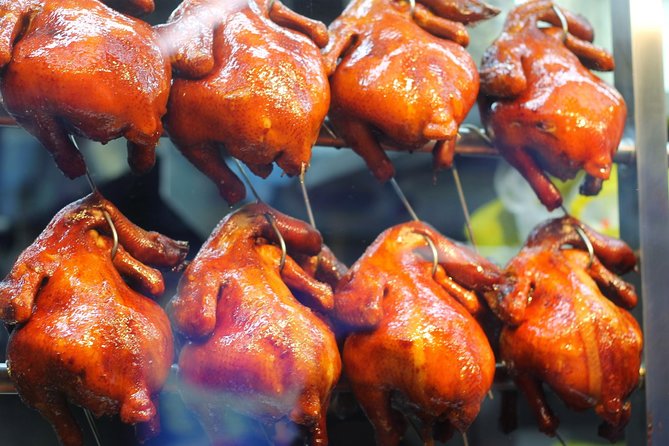
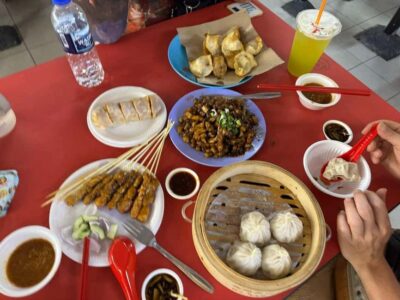
The hawker-center stop is the central food lesson. You sample signature dishes and drinks associated with Singapore, while the guide points you toward local favorites such as chicken rice, laksa, dumplings, popiah, and noodle dishes. The precise tasting menu may change, but these examples show the range you are likely to discuss.
This part is valuable for first-time visitors because Singapore’s food courts can feel like a wall of choices. You may see dozens of stalls, unfamiliar names, and long lines without knowing what to order. A good guide gives you a starting point and explains what makes each dish worth trying.
I would use this tour early in a Singapore visit. One of the family groups who took the walk used it on their first day, which is sensible. After three hours, you have a better idea of local eating habits and a list of dishes to seek out later. You can return to a hawker center on your own with more confidence, rather than spending your first few meals choosing at random.
The food is also a good fit for curious eaters. A guide can explain the difference between a familiar dish and the local version, point out ingredients you may otherwise miss, and suggest where to find chicken rice, laksa, dumplings, popiah, or noodles after the tour.
There is a tradeoff. If you already have a carefully planned hawker itinerary, you may find some overlap. The value then rests less on the food alone and more on the explanations, market visit, specialty shop, and tea ceremony.
Dessert with shaved ice and Southeast Asian fruit
The sweet course shifts the mood again. You sample desserts based on shaved ice and fruit from Southeast Asia. These are useful tastes for anyone who normally sticks to familiar Western desserts, since the textures and flavors can be quite different from cake, pastry, or ice cream.
The fruit component can also be a chance to encounter durian. One account of the tour specifically mentions trying it and finding it less challenging than expected. Durian has a reputation that can overshadow the fruit itself, so having a guide explain it and offer a small taste is a gentler introduction than buying a whole portion on your own.
Still, do not assume durian is guaranteed on every departure. It appears in one food experience, but the published tour details promise shaved-ice and fruit-based desserts rather than a fixed durian tasting. If trying durian is your main goal, ask before booking.
Dessert also helps pace the morning. After the savory market and hawker dishes, the cold, sweet course gives you a clear change in flavor. It is a small detail, but good food walks need that kind of rhythm.
A Chinese specialty store full of clues
The tour visits a Chinese delicacy shop selling ingredients used in Chinese banquets and herbs linked to traditional Chinese medicine. This stop is less about eating a large amount and more about understanding what sits behind formal Chinese cooking and home remedies.
You may see products that are hard to identify without help. The guide can explain what they are used for and how they fit into Chinese food culture. That makes the shop more than a retail stop. It connects the wet market’s fresh ingredients with the dried, preserved, and specialty products used for particular dishes.
The phrase best ingredients is promotional language, so I would keep expectations practical. This is not presented as a cooking demonstration or a chance to build a complete banquet menu. It is a short cultural stop that adds another layer to the morning.
Some people will find this section fascinating. Others may prefer more time eating. If you are choosing between this tour and a simple hawker crawl, know that this experience spends part of its three hours on food culture, not just food consumption.
More food tours in Singapore:
- Small Group: Michelin and Local Hawker Food Tour with 9 tastings
★ 5.0 · 1,890 reviews - Small Group: Singapore Street Food & Night Tour with 9 tastings
★ 5.0 · 1,240 reviews - The Award-Winning PRIVATE Food Tour: 10 Tastings of 3 Cultures
★ 4.5 · 1,017 reviews - Singapore: Chinese, Indian & Arabic Quarters, Culture & Food Tour
★ 5.0 · 789 reviews
Quiet tea after the noise of Chinatown
The traditional teahouse visit provides the tour’s most peaceful moment. You take part in tea appreciation with a Zen-style approach, learning about fine teas and the care involved in preparing and tasting them.
I like this contrast. Chinatown can be crowded and noisy, while tea asks you to slow down and pay attention. The ceremony gives the tour a cultural balance that many food walks lack. You are not rushing from one bite to the next.
The tea stop should not be confused with a long formal religious ceremony. The description presents it as a tea appreciation experience at a traditional teahouse. Expect an introduction to tea and a quiet tasting, not a full spiritual retreat.
This is also a useful stop for people who do not want every moment of a tour to involve eating. The morning has several food samples, but the tea session gives you time to listen and ask questions.
Angel, Kim, and Jan as part of the experience
The guide can make or break a food walk, and the named guides receive unusually warm attention. Angel is praised for explaining the food and for making the experience feel essential to a Singapore visit. Kim is described as engaging and full of useful information, with her handling of the durian tasting singled out. Jan and Kim are also credited with making a family group feel welcome and helping them learn about local culture.
That matters because this tour depends on conversation. The ingredients are only half the experience. You need someone who can explain what you are seeing, answer questions without rushing, and make unfamiliar food feel approachable.
The group limit of 10 is another advantage. It is small enough for direct questions and easier movement through markets and food courts. It is not a private tour, so you will still share the pace and choices with other people, but it should feel more personal than a large coach-style outing.
The tour has also worked for a couple traveling with two teenagers, according to the supplied experience details. That suggests it can suit families with older children who are willing to try new foods, though young children with strict eating habits may not get as much from it.
Is $137.19 a fair price?
At $137.19 per person, this is not a cheap way to eat in Chinatown. You could buy individual hawker dishes for far less, and you would not need a paid tour to walk through the neighborhood.
The price makes more sense if you value the guide and the range of arranged stops. You are paying for multiple tastings, drinks, bottled water, snacks, market interpretation, a specialty-shop visit, and a tea experience. You are also paying to avoid the uncertainty of choosing unfamiliar dishes alone.
Group discounts may improve the price for larger bookings. The tour accepts up to 10 people, and the provider offers group discounts, though no discount amount is supplied. You should check the final total before booking rather than assume a particular saving.
I would call the value fair for a first visit if you want food plus context and prefer a small group. I would call it expensive if your main aim is simply to eat as much as possible. The three-hour length also means the value depends on how much you use the advice afterward. If you follow the guide’s suggestions for the rest of your stay, the tour can keep paying off beyond the morning itself.
Timing, meeting point, and cancellation
You meet at 62 Smith Street at 9:30 a.m., and the activity ends back at the same meeting point. The walk lasts about three hours. Since the route includes tastings and market time, wear comfortable clothing and arrive ready to eat, although the supplied details do not state a required dress code.
Bottled water and snacks are included. The food and drink tastings are included too, but additional personal purchases are not specified, so carry a payment method if you want to buy something beyond the planned experience.
You receive confirmation when booking in most cases. If you book within one day of the start, confirmation comes as soon as possible and depends on availability. Free cancellation is available up to 24 hours before the start time for a full refund. Changes or cancellations inside that 24-hour window are not accepted for a refund.
Who should book this Chinatown food walk?
I would recommend it to a first-time Singapore visitor who wants a friendly introduction to local food without having to research every stall. It also suits curious eaters who want to understand ingredients, not merely collect photographs of dishes.
Families with teenagers, couples, and small groups should find the format workable. The experience is especially useful on your first or second day, when you still need help deciding what to eat later.
I would hesitate if you have serious dietary restrictions that were not discussed before booking, dislike markets, or want a large meal at every stop. I would also compare prices carefully if you already have strong hawker-center experience.
Final call: book it for guidance, not just food
Book this tour if you want a compact Chinatown orientation with food, markets, specialty ingredients, and tea in one morning. The strongest reasons are the small group, the practical hawker advice, and the guides’ warm, engaging style, especially Angel, Kim, and Jan.
Skip it if you only want the lowest-cost route to chicken rice, laksa, or dessert. You can eat more cheaply on your own. But if you want someone to explain what is on the table, help you try unfamiliar foods such as durian, and show you the food world behind the stalls, the $137.19 price has a clear purpose.
FAQ
Where does the tour begin?
The tour begins at 62 Smith Street, Singapore 058964.
What time does the tour start?
The start time is 9:30 a.m.
How long does the experience last?
The tour lasts approximately three hours.
Where does the tour end?
The activity ends back at the meeting point at 62 Smith Street.
How many people can join the tour?
The group has a maximum of 10 people.
Are food and drinks included?
Yes. Food and drink tastings, snacks, and bottled water are included.
Can I cancel for a full refund?
Yes. You can cancel at least 24 hours before the experience start time for a full refund. Cancellations or changes made less than 24 hours before the start time are not refunded.
More Hidden Gems Tours in Singapore
- Private Singapore Tour with a Local, Highlights & Hidden Gems 100% Personalised
★ 5.0 · 475 reviews - Singapore PRIVATE TOUR: Highlights & Hidden Gems by CAR or Foot
★ 5.0 · 227 reviews - Disappearing Trades
★ 4.5 · 126 reviews - Private Singapore Walking Tour: City Highlights & Hidden Gems
★ 5.0 · 84 reviews
Recently added around Singapore
- The Real Singapore Heartland Walking Food Tour★ 5.0 · 4 reviews
- Vegetarian Culinary Adventure in Singapore★ 5.0 · 7 reviews
- Singapore’s Marina Bay Wonders and Heritage Tales, Chinatown★ 5.0 · 5 reviews
- Singapore’s Hidden Treasures: A Cultural Private Tour★ 5.0 · 3 reviews
- Private Tour Singapore Street Food & Night Tour★ 5.0 · 4 reviews
- Singapore – Albatross Speedboat Adventures Cruising in Sentosa★ 5.0 · 3 reviews
- Small Group Full Day Singapore City Tour with Roundtrip Transfers★ 4.0 · 11 reviews
- Tastes of Chinatown★ 5.0 · 4 reviews
Singapore Chinatown Tours, compared.
Chinatown, Little India, Kampong Gelam City Highlights Tour
Read our review →
Singapore: Chinatown Hawker Market Food Tour with 7 Food Tastings
Read our review →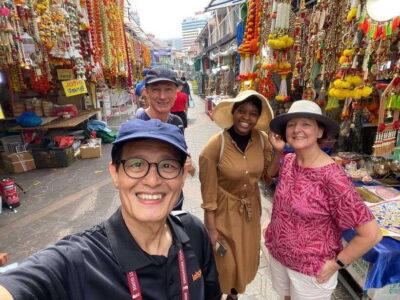
Singapore: Chinatown and Little India Guided Walking Tour
Read our review →
Singapore: Chinatown Historic Walking Tour with Lunch
Read our review →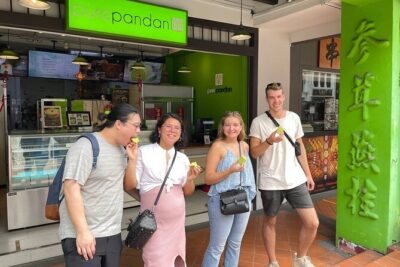
Kampong Glam, Little India & Chinatown with Local Street Food Tastings
Read our review →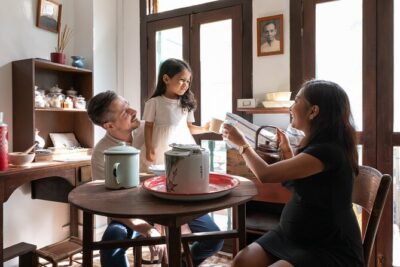
Tasting Trails: Chinatown OR with Kampong Glam, Little India
Read our review →Browse the lists this tour appears in