
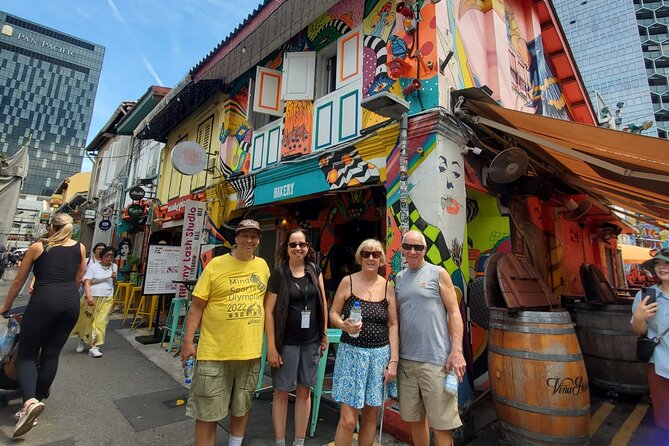
Reviewed · SINGAPORE CHINATOWN TOURS
Chinatown, Little India, Kampong Gelam City Highlights Tour
Singapore’s three main cultural districts come together on this three-hour walking tour, which moves from Kampong Glam to Little India and Chinatown. You’ll see the city at street level, visit the Buddha Tooth Relic Temple and Tekka Center, and use the MRT between areas rather than losing time to traffic. I like the efficient route and the chance to understand how Chinese, Indian, and Malay communities shaped Singapore.
I also like the strong guides. Cheyenne, Yap, Yong, Angel, Corliss, Chan, Wadi, and Alfie are among the guides praised for clear explanations, humor, good pacing, and practical food advice. The main drawback is that this is a history and culture tour, not a shopping tour. You may have little time to buy snacks, souvenirs, or explore each stop on your own, and the heat can make the walking tiring.
Key points to know before you book
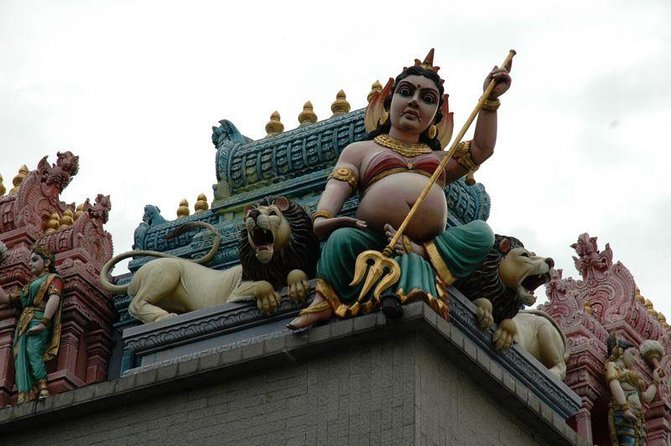
- Three districts in three hours: Kampong Glam, Little India, and Chinatown give you a fast introduction to Singapore’s main cultural communities.
- A street-level experience: Expect murals, temples, market stalls, architecture, and everyday neighborhood scenes rather than a bus tour viewed through glass.
- The MRT is part of the route: Rides between districts break up the walking and show you how clean and practical Singapore’s public transport can be.
- Strong emphasis on history: Guides explain religion, architecture, migration, government, daily life, and Singapore’s rapid change.
- Good photo opportunities: Murals, temples, street scenes, and commemorative statues are built into the route.
- Prepare for heat: Wear good walking shoes, bring a hat, and expect about three miles of walking in some versions of the route.
Three cultures, one compact morning
Singapore can feel polished and modern from the main avenues, but its older districts tell a more human story. This tour takes you away from the skyline and into neighborhoods shaped by Malay, Indian, and Chinese communities.
The order begins in Kampong Glam, continues to Little India, and finishes in Chinatown. Each area gets about one hour, although the exact pace depends on the group, the guide, weather, and how much time is needed for questions.
I like this format for a first day in Singapore. You get your bearings quickly, learn how the districts connect, and collect ideas for places to revisit later. You will not see every shop, shrine, or food stall, but you will understand what you are looking at when you return independently.
The group can include up to 20 people, though some departures have been much smaller. A small group makes it easier to ask questions and adjust the walking pace. The tour is led in English by a licensed guide, and past guides have included Cheyenne, Yap, Yong, Angel, Corliss, Chan, Wadi, and Alfie.
More Little India walks:
- Singapore: Chinatown and Little India Guided Walking Tour
★ 4.8 · 190 reviews - Kampong Glam, Little India & Chinatown with Local Street Food Tastings
★ 4.5 · 70 reviews - Tasting Trails: Chinatown OR with Kampong Glam, Little India
★ 5.0 · 59 reviews
Kampong Glam: murals, Malay heritage, and street life
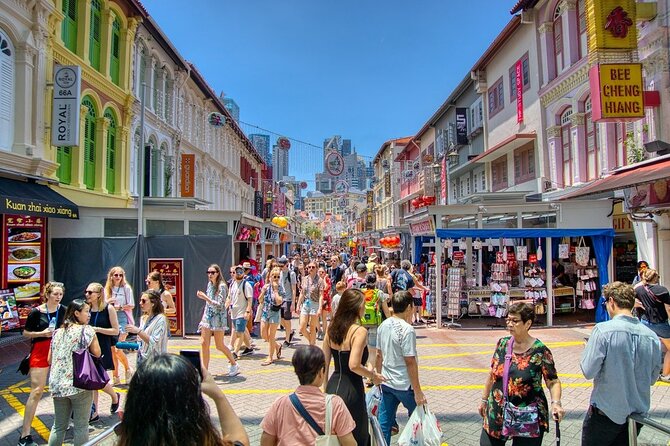
Kampong Glam is the first stop, with about an hour devoted to its murals and temple. The neighborhood gives you an introduction to Singapore’s Malay and Muslim heritage, along with colorful walls that make natural photo stops.
The murals are one of the most appealing parts of the route. They add color and local character, but the guide’s explanation gives them more meaning than a quick photo stop would on its own. You may also see how older cultural buildings sit beside newer businesses and contemporary street art.
This is a good place to begin because the area is visually immediate. You can take photographs while your guide explains the community’s place in Singapore’s past and present. Guides also answer broader questions about religion, languages, taxation, public services, and everyday life, so the tour is not limited to architecture.
The trade-off is time. An hour passes quickly, especially if you want to take photographs and inspect the shops. The schedule does not set aside a shopping period, so plan to return later if you want to browse carefully or buy something.
Little India: Tekka Center and the food conversation
The middle hour takes you into Little India, where the focus shifts to Indian culture, market life, and the food that makes this district such an easy place to explore on your own later.
Tekka Center is the main practical stop. The guide introduces the market and various stalls, helping you understand what you are seeing instead of sending you into a crowded food hall without context. Depending on the pace, you might have a short break or a chance to try a snack, but you should not assume that a full meal is included.
This part of the tour is especially useful if you plan to eat independently after the walk. Guides have offered restaurant suggestions and local food advice, including recommendations that led participants to places such as Lau Pa Sat later in the day.
I appreciate that the tour treats food as part of culture rather than decoration. You learn about daily life and the role of markets, not just where to take a photograph. Still, anyone hoping to sit down for a long meal should plan that separately. The official time here is about one hour, and the group needs to keep moving.
Little India can also be one of the more demanding parts of the walk if the weather is hot. You may spend time outdoors around the market and surrounding streets, so a hat, water, and light clothing are sensible. One version of the walk covered more than three miles in three hours, with the weather making the distance feel longer.
Chinatown: temple details and Singapore’s Chinese story
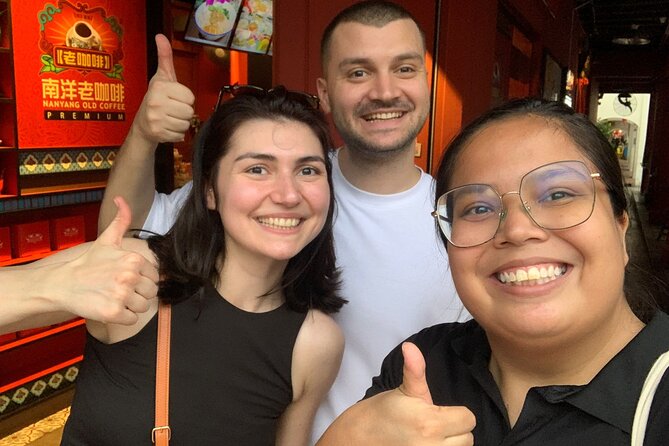
The final stop is Chinatown, ending at the Chinatown Complex on Smith Street. Here you visit the Buddha Tooth Relic Temple and Museum and learn more about Singapore’s Chinese community.
The temple gives the final hour a clear focal point. It is more than a quick exterior photograph, since the route takes you inside and connects the building to Chinese religious and cultural life. The guide can also help you read the neighborhood beyond the temple, from architecture to public memorials and changing living conditions.
One particularly memorable detail is the discussion of the Samsui women, represented by a statue of a woman wearing a red head covering. The story adds a human scale to Singapore’s development and helps you picture the workers who helped build the city.
Chinatown is also where the tour’s limitations become clearest. The district has plenty to tempt you, from food to souvenirs, but the group is still on a schedule. You may leave with a list of places to return to rather than time to shop right away.
The tour ends at Chinatown Complex, which is useful if you want to continue exploring, find food, or retrace part of the route independently. It does not return you to the starting point, so plan the rest of your day from Chinatown.
More Kampong Glam and Arab Street walks:
- #instawalk: Bugis, Waterloo, Kampong Glam
★ 5.0 · 60 reviews - 5 hours Little India, Kampong Glam, Chinatown with 9 Food Tasting
★ 5.0 · 58 reviews - Singapore: Kampong Glam & Civic District Vespa Sidecar Ride
★ 4.9 · 49 reviews - 4-hour Chinatown, Little India, and Arab Street Walking Tour
★ 5.0 · 32 reviews
Why the MRT rides matter
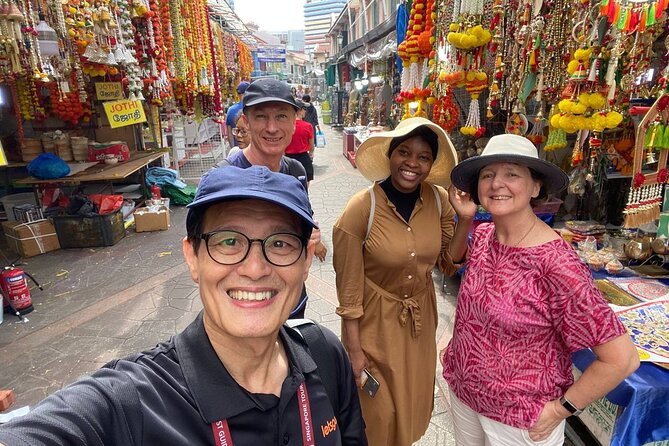
This is described as a walking tour, but the MRT is part of the practical design. The route between the districts has included two train rides, which break up the distance and introduce you to Singapore’s clean, safe, and efficient public transport system.
That matters because the three neighborhoods are not arranged as one continuous stroll. Using the train lets you cover more ground in a short time and gives your feet a brief rest. It also turns the tour into a useful orientation lesson for the rest of your stay.
Your guide handles the movement between areas and can explain how the system works. If you are nervous about using public transport in a new city, this is a low-pressure way to see it in action.
The walking remains real, though. Some departures have covered roughly three and a half miles, including the station connections and neighborhood streets. Most people can take part, but the combination of heat, humidity, stairs, and steady movement may be tiring for anyone who prefers a slow sightseeing pace.
A history-focused tour with helpful local advice
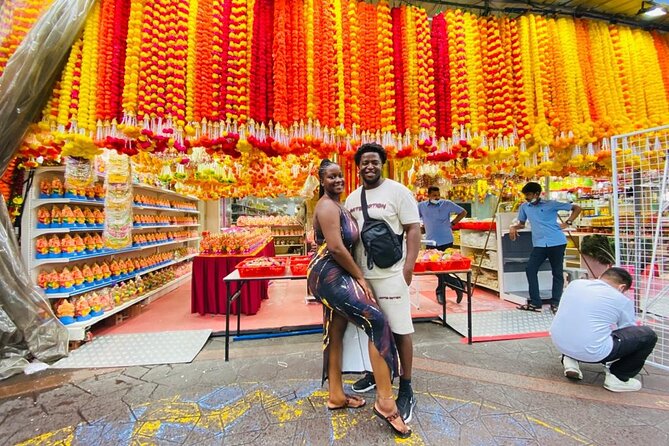
The best reason to book this experience is the guide. The route itself is useful, but the quality of the explanations shapes the day.
Cheyenne has been praised for being friendly, flexible, attentive to the heat, and willing to answer questions about Singapore’s laws, taxation, languages, health services, and daily life. Yap has been praised for explaining how the three districts changed over the past 50 years. Yong has been described as thoughtful and helpful, while Corliss has taken photos and adjusted the experience to the group.
Chan brings a historian’s approach. That can be a real strength if you want context about politics, religion, economics, migration, and social change. It can feel heavy if you hoped for a lighter outing built around browsing and snacks.
Other guides, including Angel, Wadi, and Alfie, have been praised for warmth, humor, practical food recommendations, and good photo stops. Because the guide may vary by departure, you should book this for the route and subject rather than expecting one particular person.
The photo help is a nice extra. Guides have taken pictures for groups and sent them later the same day. That is useful when you are traveling alone or when everyone in your party wants to appear in the picture.
The $80.81 price and what you receive
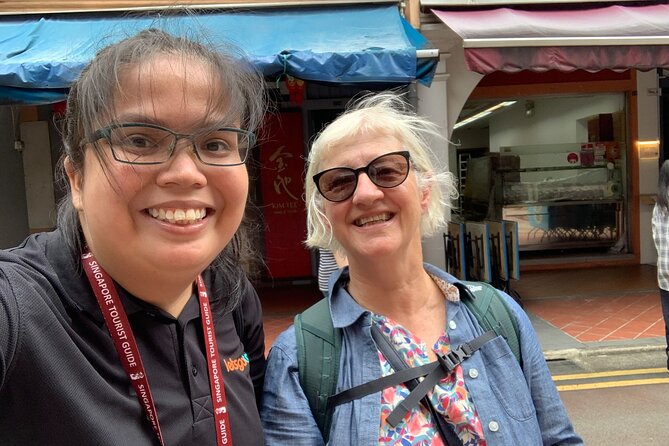
At $80.81 per person, the tour is not the cheapest way to walk through these neighborhoods. You could visit the districts independently using public transport, and the main sights listed here do not carry an admission charge.
The value comes from the time saved and the interpretation. In three hours, you cover three areas, learn how to use the MRT between them, see selected photo locations, enter the Buddha Tooth Relic Temple and Museum, visit Tekka Center, and get ideas for food and further sightseeing.
For a short Singapore stay, that can be worthwhile. You avoid spending your first morning figuring out how the districts connect, and you get a framework for returning to the places that interest you most.
The price is harder to justify if you mainly want free time. You are paying for a guided cultural introduction, not for shopping, a meal, or private transportation. If you want to linger at every market stall, buy souvenirs, and set your own pace, independent exploration may suit you better.
Group discounts are available, and the maximum group size is 20. A smaller departure can make the price feel more reasonable because you have more room for questions and personal attention.
Heat, footwear, and the practical side of the walk
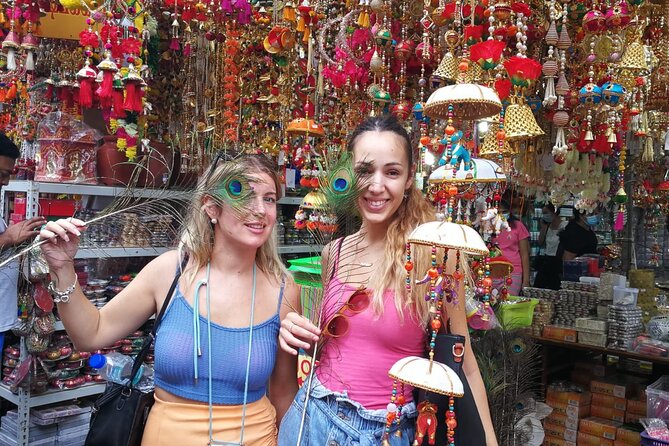
Singapore’s heat and humidity are the biggest practical concern. The route spends substantial time outdoors, and one version covered more than three miles in three hours. Wear comfortable walking shoes, carry a hat, and be ready for regular sun and heat.
The guides have adjusted the pace, added shade or air-conditioned pauses, and checked on people during difficult weather. That helps, but it does not remove the physical demands of the route.
The tour starts at Let’s Go Tour Singapore, Block 462 Crawford Lane, #01-57, Singapore 190462. It finishes at Chinatown Complex, 335 Smith Street, Singapore 050335. Both points are near public transportation, and the ending location lets you continue into Chinatown rather than backtracking.
Confirmation is sent within 48 hours, subject to availability. You can cancel for a full refund up to 24 hours before the start time. Late cancellations and changes are not accepted, and a departure may be changed or refunded if the minimum number of participants is not reached.
Who should book this Singapore walking tour?
I would choose this tour if you have only half a day, are visiting Singapore for the first time, or want context before exploring on your own. It is also a good match if you like asking questions and want more than a checklist of photo stops.
It suits people interested in architecture, religion, migration, food culture, and the way Singapore has changed. The route is efficient, and the guides add useful details about daily life that are easy to miss when walking alone.
I would hesitate if shopping is your main goal. You will pass through markets and commercial streets, but the schedule does not promise time to browse. I would also think twice if you dislike heat or long walks, even though the MRT rides provide useful breaks.
Should you book it?
Book this tour if you want a fast, well-explained introduction to Kampong Glam, Little India, and Chinatown. The strongest features are the guides, the efficient MRT connections, the temple and market visits, and the way the tour links street scenes to Singapore’s Chinese, Indian, and Malay communities.
Skip it if you want a relaxed shopping stroll or a food tour. For the right person, the $80.81 cost buys a useful first map of the city and saves you several hours of planning. For someone who wants to linger, eat, and shop, it is better used as a source of ideas for your own second visit to these districts.
FAQ
How long does the Chinatown, Little India, and Kampong Glam tour last?
The tour lasts approximately three hours, with about one hour allocated to each district.
Where does the tour start?
It starts at Let’s Go Tour Singapore, Block 462 Crawford Lane, #01-57, Singapore 190462.
Where does the tour finish?
The tour ends at Chinatown Complex, 335 Smith Street, Singapore 050335.
Which places are visited?
The route includes murals and a temple in Kampong Glam, Tekka Center and nearby stalls in Little India, and the Buddha Tooth Relic Temple and Museum in Chinatown.
Is transportation included during the tour?
The route is primarily on foot, and the experience has included MRT rides between districts. The MRT helps break up the walking and connect the three areas efficiently.
Is shopping time included?
No dedicated shopping time is allocated. You can see markets and stalls, but the focus is cultural explanation, history, and neighborhood sightseeing.
What happens if I need to cancel?
You can cancel at least 24 hours before the start time for a full refund. Cancellations or changes made less than 24 hours before the start time are not accepted for a refund.
More Chinatown Tours in Singapore
- Singapore: Chinatown Hawker Market Food Tour with 7 Food Tastings
★ 5.0 · 213 reviews - Singapore: Chinatown Historic Walking Tour with Lunch
★ 5.0 · 134 reviews - Singapore: Chinatown Hawker Food Tasting Tour
★ 5.0 · 96 reviews - Chinatown Heritage Centre (Admission Ticket)
★ 5.0 · 65 reviews
Recently added around Singapore
- The Real Singapore Heartland Walking Food Tour★ 5.0 · 4 reviews
- Vegetarian Culinary Adventure in Singapore★ 5.0 · 7 reviews
- Singapore’s Marina Bay Wonders and Heritage Tales, Chinatown★ 5.0 · 5 reviews
- Singapore’s Hidden Treasures: A Cultural Private Tour★ 5.0 · 3 reviews
- Private Tour Singapore Street Food & Night Tour★ 5.0 · 4 reviews
- Tastes of Chinatown★ 5.0 · 4 reviews
- Singapore – Albatross Speedboat Adventures Cruising in Sentosa★ 5.0 · 3 reviews
- Small Group Full Day Singapore City Tour with Roundtrip Transfers★ 4.0 · 11 reviews
Singapore Chinatown Tours, compared.
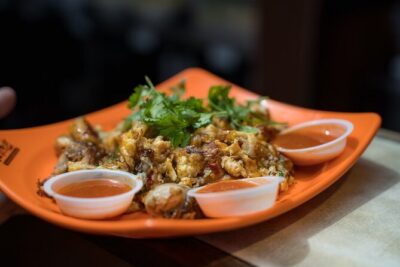
Singapore: Chinatown Hawker Market Food Tour with 7 Food Tastings
Read our review →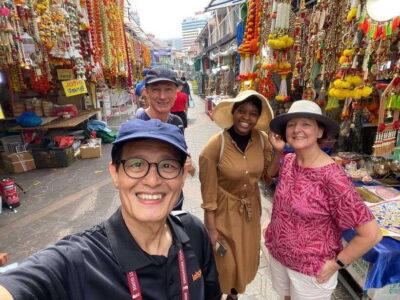
Singapore: Chinatown and Little India Guided Walking Tour
Read our review →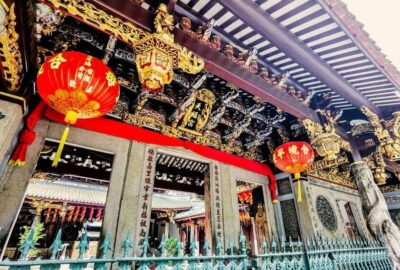
Singapore: Chinatown Historic Walking Tour with Lunch
Read our review →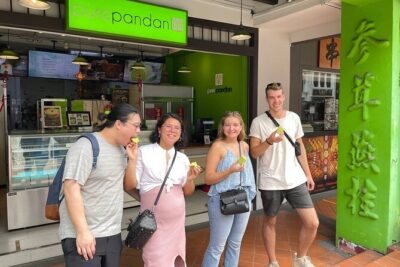
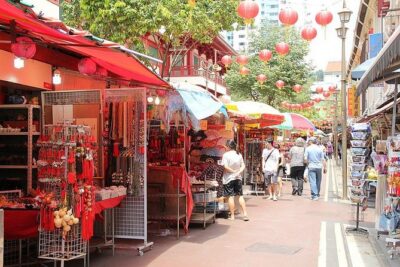
Kampong Glam, Little India & Chinatown with Local Street Food Tastings
Read our review →
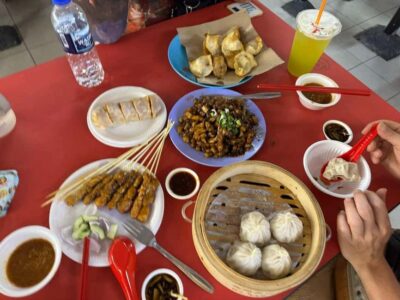
Tasting Trails: Chinatown OR with Kampong Glam, Little India
Read our review →
5 hours Little India, Kampong Glam, Chinatown with 9 Food Tasting
Read our review →Browse the lists this tour appears in