
Reviewed · SINGAPORE CHINATOWN TOURS
Michelin Premium Food Tour with Hawker Centre & Chinatown Tour
Singapore’s Michelin-recognized hawker stalls are the star here, but the meal is only half the story. You’ll walk through Chinatown, visit the oldest Hindu temple in Singapore, browse a wet market, and taste food shaped by Chinese, Malay, Indian, and other influences.
I like the small maximum of eight people, which gives guides such as Sam, Tang, Desmond, Francis, Cheryl, and Jasmine room to answer questions and manage the food orders. I also like the four-stop format: two Michelin-rated dishes are joined by an egg tart and a local dessert, so you get more than one big plate and a quick photo stop.
The main caution is the word premium. The food is famous and local, but it is still hawker-centre food, not a polished restaurant meal. You should also be comfortable walking, sharing casual seating, and managing simple facilities. Special dietary restrictions may make this tour a poor fit.
Key points at a glance
- Four food stops: Two Michelin-rated dishes, a famous egg tart, and a local dessert are included.
- Chinatown beyond the food: The walk includes Sri Mariamman Temple, the former Street of the Dead, a wet market, and the Chinatown hawker centre.
- Small group size: The tour accepts no more than eight people, with plenty of space for questions and conversation.
- Strong guide element: Guides including Sam, Tang, Desmond, Francis, Cheryl, and Jasmine lead the experience, depending on the date.
- Three-hour evening plan: The tour begins at 4:30 pm at Chinatown Point and finishes back at the meeting point.
- Casual local setting: Expect hawker seating, market activity, and basic public facilities rather than fine-dining comfort.
What the Michelin label really means here
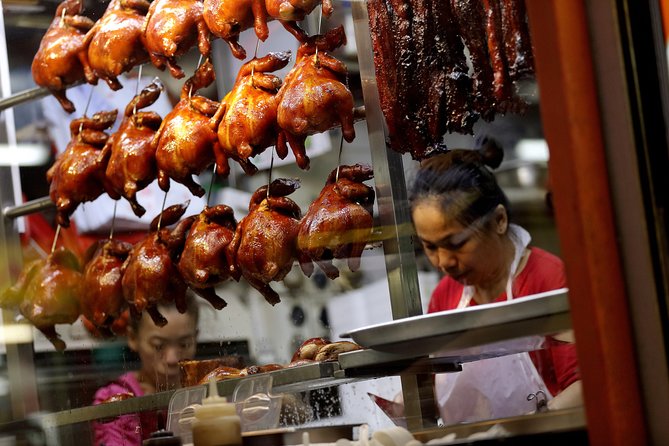
Michelin recognition can sound grander than the actual setting. In Singapore, the Michelin Guide gives attention to humble hawker stalls as well as formal restaurants. That is the point of this experience: you eat food made for everyday local life, but at places that have earned serious culinary attention.
You are not being taken to a luxury dining room. You may eat chicken with rice, soup, noodles, or another familiar hawker dish in a busy food centre. The value lies in knowing which stall matters, what to order, and why that dish became part of Singapore’s food culture.
That distinction matters because the price is $117.07 per person. If you judge the tour only by the cost of the food, it will feel expensive. You could buy simple hawker meals for far less on your own. If you value the guide, the Chinatown walk, the market visit, the food explanations, and the chance to sample several known places without planning the route yourself, the price makes more sense.
I would book this for context and access, not because it offers a high-end meal.
More Chinatown walks and food stops:
- Chinatown, Little India, Kampong Gelam City Highlights Tour
★ 5.0 · 224 reviews - Singapore: Chinatown Hawker Market Food Tour with 7 Food Tastings
★ 5.0 · 213 reviews - Singapore: Chinatown and Little India Guided Walking Tour
★ 4.8 · 190 reviews
Starting at Chinatown Point at 4:30 pm
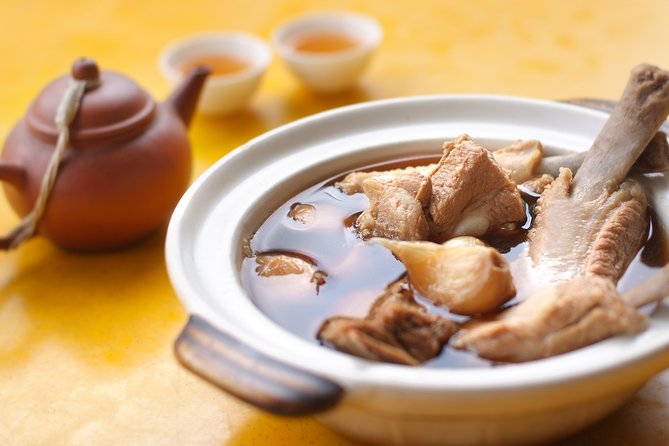
The meeting point is Chinatown Point, at 133 New Bridge Road. The tour starts at 4:30 pm and returns to the same meeting point after about three hours. That timing works well for an evening food outing, especially if you want a gentle introduction to Chinatown before eating your way through the district.
Use the meeting point carefully. One previous experience specifically advised checking the pickup details, so arrive with the exact meeting instructions in hand. Confirmation is provided when you book, and the area is near public transportation.
The tour is capped at eight people. That is a useful limit in a food centre, where a large group can become hard to manage. A small party also makes it easier to ask about ingredients, Singaporean customs, temple details, or the history of Chinatown without shouting across a crowd.
Guides vary by date. Sam is praised for combining food with local history and for handling the ordering and serving. Tang is described as strong on culture, business, and food. Desmond has led very small groups, including a tour with only three people. Francis, Cheryl, and Jasmine have also guided the experience. The exact guide is not guaranteed, but the format depends heavily on having a guide who can explain what is in front of you.
Chinatown first, food second
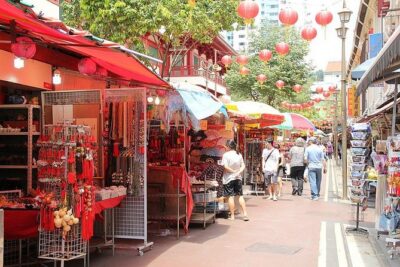
The first part focuses on Chinatown as a place, not just a dining district. You’ll see the bustle of the area and hear how different communities shaped the food served there today.
One scheduled stop is Sri Mariamman Temple, Singapore’s oldest Hindu temple. It is a Dravidian-style agamic temple in the middle of Chinatown, a useful reminder that the district is not exclusively Chinese. The temple adds cultural range to the food story. Singapore’s cuisine makes more sense when you see how Chinese, Indian, Malay, and other traditions share the same compact city.
You’ll also hear about a street once known as the Street of the Dead. The name gives the walk a darker historical edge and helps move Chinatown beyond the usual souvenir-shop view. The exact amount of historical detail depends on your guide, but this is one reason to choose a guided walk instead of simply eating at the first hawker centre you see.
The walking portion is not a separate museum visit. It is woven between the food stops and landmarks. You should expect to stand and walk on city streets before settling down to eat.
The hawker centre and wet market
The hawker centre is the tour’s most useful setting. It shows how Singapore handles food as part of daily life: many stalls, many culinary traditions, fast service, shared tables, and a constant flow of people choosing inexpensive meals.
A guide helps you read this environment. You can ask why one stall is worth trying, how a dish is normally eaten, and what separates a famous hawker from an ordinary one. That guidance is especially helpful on a first visit, when a long row of signs and unfamiliar dishes can be hard to sort out.
The wet market adds another layer. You’ll see the working side of local food culture rather than only the finished plate. The visit is brief within the three-hour schedule, but it connects ingredients and preparation with the dishes you later taste.
Keep your expectations practical. Hawker centres are built for function, not comfort. Seating may be basic, and some restaurants or market facilities may have limited cleanliness or toilet supplies. A previous account also described squat toilets and a shortage of toilet paper in some places. If you have bad knees or need comfortable seating, this is worth considering before booking.
More hawker centre crawls:
- Small Group: Michelin and Local Hawker Food Tour with 9 tastings
★ 5.0 · 1,890 reviews - Small Group: Singapore Street Food & Night Tour with 9 tastings
★ 5.0 · 1,240 reviews - Singapore: UNESCO Street Food & Cultural Experience
★ 5.0 · 524 reviews - Small-Group Food Tour With Hawker Center: Eat Like A Local
★ 5.0 · 420 reviews
Four stops, with a little help from the guide
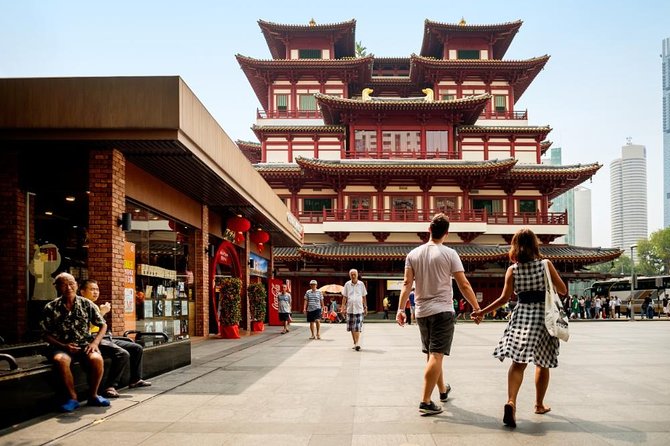
The included meal covers four different restaurants or stalls. Two serve Michelin-rated food, while the other stops provide a famous egg tart and a local dessert.
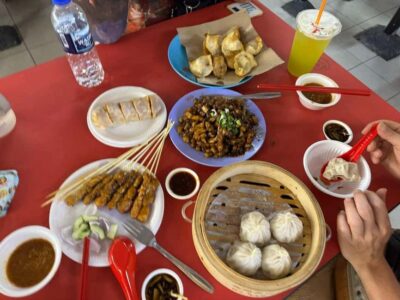
The Michelin-rated dishes are the core of the tour. You’ll receive two different foods at two separate eateries, giving you a chance to compare styles rather than treating one stall as the whole Singapore food scene. The dishes are served as part of the tour, and the guide handles the ordering and coordination.
The exact dishes can vary, so you should not book expecting one particular plate unless the operator confirms it before your visit. Food-focused guides such as Sam explain the preparation, background, and place of each dish in Singapore’s culinary culture. That explanation is what turns a quick meal into something you can recognize later.
The egg tart is a smaller stop, but it helps keep the meal varied. It is a sweet snack rather than another full course. The local dessert provides a final taste of Singaporean food culture and gives the tour a proper ending after the savory dishes.
Several accounts describe the food as plentiful. I would still pace yourself. The tour lasts three hours, and eating too quickly at the first stop can leave you too full for the dessert or the later Michelin dish.
What guides add to the experience
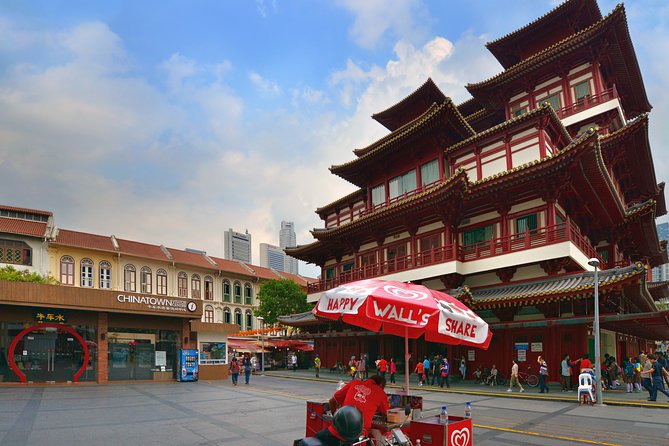
A strong guide matters more here than on a simple restaurant crawl. The best part of the tour is not just being led from one stall to another. It is learning how the food connects with Singapore’s people, streets, and history.
Sam has been especially effective at combining four varied food stops with Chinatown’s past. He is also described as managing the practical side well, from ordering and serving to cleanup. That matters when you are sharing several dishes and do not know the local system.
Tang brings attention to culture, business, and food, making him a good fit if you like to understand how a neighborhood works as well as what it tastes like. Desmond has led very small groups, which can make the evening feel almost like a private outing. Francis, Cheryl, and Jasmine have also received strong praise for food explanations and local history.
You should remember that guides are people, not interchangeable audio tracks. The tone and depth may differ from one departure to another. Still, the small-group cap gives each guide a fair chance to respond to your interests.
I recommend doing this early in your Singapore visit if food is a main reason you came. You can ask the guide what else to try during the rest of your stay, and you’ll have a better sense of how hawker centres work.
The seating, pace, and comfort question
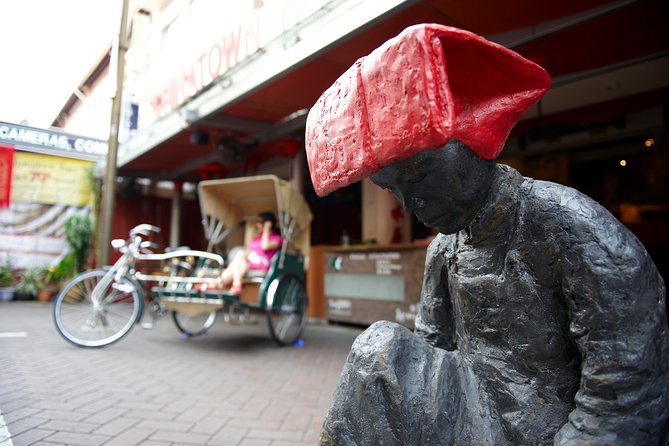
This is a walking and eating tour in informal places. You may stand during parts of the Chinatown route, wait briefly at food stalls, and use shared or basic seating at the hawker centre. There are not necessarily cushioned seats, and restaurant napkins may not be provided.
Most people can take part, but the tour is not ideal if you need soft chairs, easy access to polished restrooms, or a slow, quiet meal. The public facilities may be basic, and some toilets can require squatting. Carrying tissues is a sensible precaution.
The operator advises that you should not have special dietary restrictions if you want to fully enjoy the tour. That is important. Four fixed food stops leave less room for substitutions than a private food walk, and the dishes may include ingredients you would rather avoid.
Alcohol is not included. This is a food and culture outing, not a bar crawl. The focus stays on hawker dishes, market life, and Chinatown’s streets.
Is $117.07 a fair price?
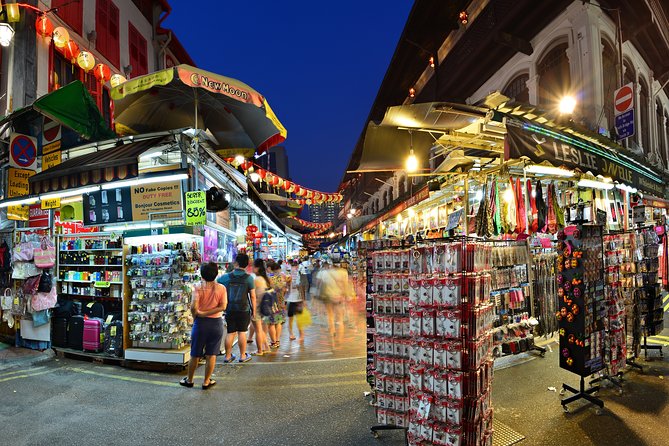
The honest answer depends on what you would otherwise do. If you are comfortable researching stalls, ordering alone, navigating Chinatown, and learning the background later, the food itself will cost much less than $117.07.
You are paying for several extras:
- A licensed food guide
- Four planned tasting stops
- Two Michelin-rated dishes
- A Chinatown walking route
- A wet market visit
- An explanation of local food and history
- A small group limited to eight people
The price is harder to justify if you see the tour as dinner only. One dish may be very simple, and the setting is not upscale. A complaint about boiled chicken and white rice points to the central risk: Michelin recognition does not automatically mean luxurious food or a large restaurant portion.
I see the tour as a good value for a first-time visitor who wants a guided introduction and does not want to spend the first night guessing where to eat. It is weaker value for a confident eater who already knows Singapore’s hawker centres and wants maximum food for the money.
Who should book this Chinatown food walk?
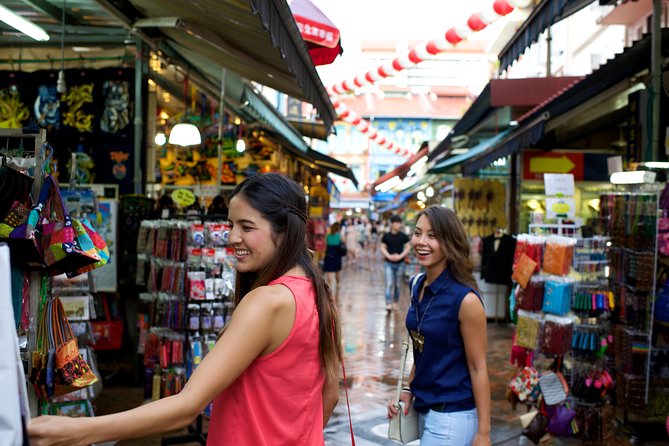
I would recommend it to you if you want your first Singapore food experience to include explanation and local context. It also suits solo visitors and couples who prefer a small group, since eight people is much more manageable than a large bus tour.
It is a good match if you enjoy:
- Trying foods you might not order on your own
- Learning the background of neighborhoods and dishes
- Eating in casual, local settings
- Visiting markets and religious sites alongside food stalls
- Asking a guide direct questions
- Making an evening of several small tastings
I would hesitate if you want fine dining, soft seating, generous personal space, or complete control over the menu. I would also avoid it if you have strict dietary needs, significant mobility concerns, or little tolerance for basic public facilities.
The 4:30 pm start makes this easy to fit into a sightseeing day. Just avoid eating a large late lunch. The experience is designed to function as dinner, with several savory and sweet stops.
My verdict: book for guidance, not glamour
This tour delivers a useful slice of Singapore: Michelin-recognized hawker food, Chinatown streets, Sri Mariamman Temple, a wet market, and a local dessert, all in one small evening group.
I like the scale and the range. A guide such as Sam or Tang can give you more than directions to a stall, and the four-stop route lets you sample several parts of Singapore’s food culture. The strongest value comes from the explanations, the ordering help, and the chance to get your bearings early in your stay.
Book it if you want an informed introduction to Chinatown and prefer someone else to handle the food choices. Skip it if you are mainly chasing a cheap dinner or expect Michelin to mean a polished restaurant experience. At $117.07, the tour is a guided cultural meal, not a bargain food crawl.
FAQ
How long does the Michelin Premium Food Tour last?
The tour lasts about three hours.
Where does the tour start and finish?
It starts at Chinatown Point, 133 New Bridge Road, Singapore 059413, at 4:30 pm. It ends back at the same meeting point.
How many people can join the tour?
The group is limited to a maximum of eight people.
What food is included?
You’ll visit four restaurants or stalls. The included food consists of two Michelin-rated dishes at two eateries, a famous egg tart, and a local dessert.
Does the tour include a Chinatown walk?
Yes. The route includes Chinatown, Sri Mariamman Temple, the street known as the Street of the Dead, the Chinatown hawker centre, and a wet market.
Are drinks included?
Alcoholic beverages are not included.
Can I cancel for a full refund?
Yes. You can cancel at least 24 hours before the experience’s local start time for a full refund. Cancellations or changes made less than 24 hours before the start time are not accepted for a refund.
More Food Tours in Singapore
- The Award-Winning PRIVATE Food Tour: 10 Tastings of 3 Cultures
★ 4.5 · 1,017 reviews - Singapore: Chinese, Indian & Arabic Quarters, Culture & Food Tour
★ 5.0 · 789 reviews - Singapore Private Food, Culture and Heritage Tour with 9 tastings
★ 5.0 · 394 reviews - Singapore: Foodie Experience Guided Tour with 5 Tastings
★ 4.7 · 291 reviews
Recently added around Singapore
- The Real Singapore Heartland Walking Food Tour★ 5.0 · 4 reviews
- Vegetarian Culinary Adventure in Singapore★ 5.0 · 7 reviews
- Singapore’s Marina Bay Wonders and Heritage Tales, Chinatown★ 5.0 · 5 reviews
- Singapore’s Hidden Treasures: A Cultural Private Tour★ 5.0 · 3 reviews
- Private Tour Singapore Street Food & Night Tour★ 5.0 · 4 reviews
- Singapore – Albatross Speedboat Adventures Cruising in Sentosa★ 5.0 · 3 reviews
- Small Group Full Day Singapore City Tour with Roundtrip Transfers★ 4.0 · 11 reviews
- Tastes of Chinatown★ 5.0 · 4 reviews
Singapore Chinatown Tours, compared.
Chinatown, Little India, Kampong Gelam City Highlights Tour
Read our review →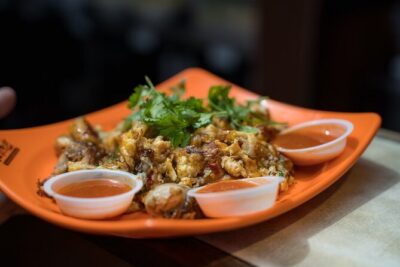
Singapore: Chinatown Hawker Market Food Tour with 7 Food Tastings
Read our review →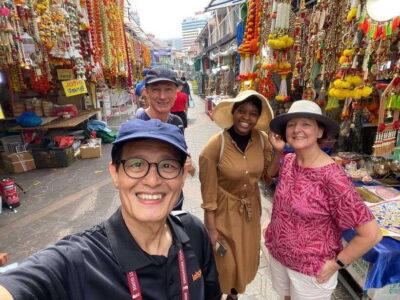
Singapore: Chinatown and Little India Guided Walking Tour
Read our review →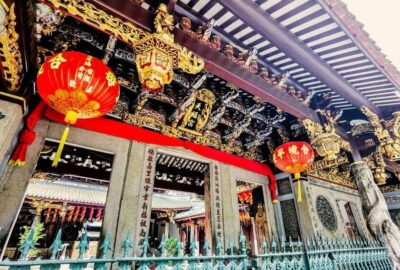
Singapore: Chinatown Historic Walking Tour with Lunch
Read our review →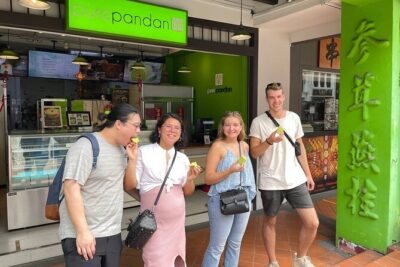
Kampong Glam, Little India & Chinatown with Local Street Food Tastings
Read our review →
Tasting Trails: Chinatown OR with Kampong Glam, Little India
Read our review →Browse the lists this tour appears in