
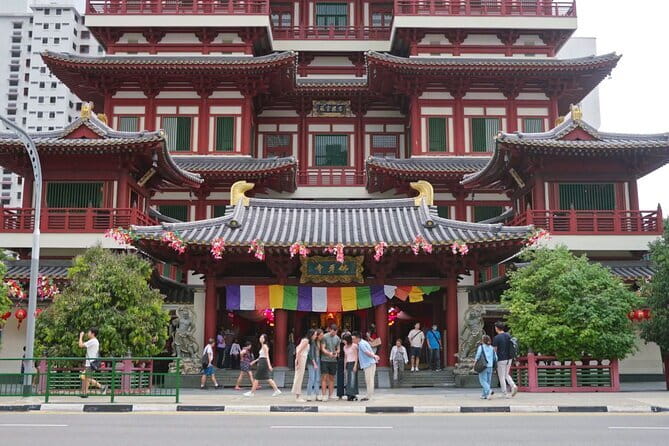
Reviewed · SINGAPORE CHINATOWN TOURS
Singapore: Chinatown Food Adventure with 6 Tastings
Chinatown becomes a food puzzle on this three-hour Singapore adventure. Instead of trailing a guide through a crowded market, you follow clues sent by WhatsApp, solve riddles with your group, and find seven heritage food outlets along the way. I like the freedom to stop at sights when you please, and I like that the food is built into the route rather than left to guesswork.
The private format is a real plus for families, dates, and groups of friends. The puzzles also give everyone a job. One person can read the clue, another can watch the map, and someone else can focus on the next snack. The catch is simple: this is self-guided, so you need to be comfortable using your phone and finding your own way between stops.
Key points at a glance
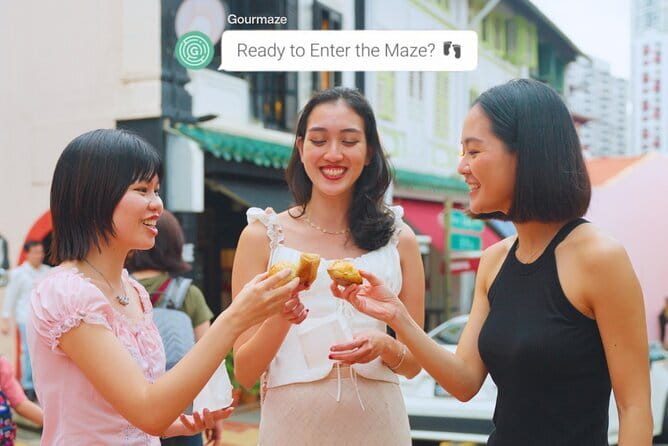
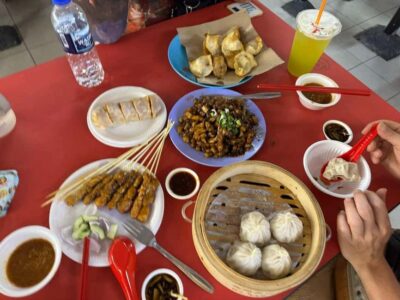
- Seven Chinatown food stops: The route includes a traditional breakfast bite, local delicacy tasters, a bakery treat, a hawker-style dish, dessert, and traditional coffee.
- WhatsApp clues guide the route: You solve riddles using your surroundings instead of following a tour leader.
- Private and flexible: Only your own group takes part, with no fixed group pace.
- Six included tastings: Drinks are not included, apart from the planned traditional coffee tasting, and extra beverages can be bought along the way.
- A surprise gift finishes the activity: The final small souvenir gives the food hunt a tidy ending.
- Comfortable shoes matter: You will walk between food outlets and Chinatown sights during the roughly three-hour experience.
Chinatown becomes your game board
The meeting point is Nanyang Old Coffee at 268 South Bridge Road. This is more than a place to gather. It sets the tone for the experience, since traditional coffee is part of Singapore’s everyday food culture and one of the planned tastes.
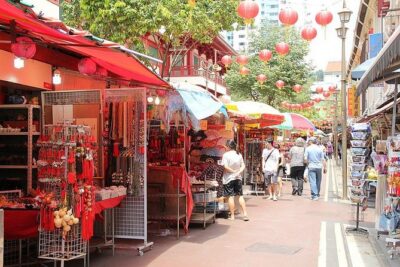
From there, you receive the instructions and clues through WhatsApp. There is no guide standing beside you, no fixed departure group, and no need to keep up with strangers. You work as a team, read the riddle, study the street around you, and decide where to go next.
I like this format because it turns a familiar sightseeing walk into an active outing. Chinatown is easier to remember when you are searching for a detail on a building or matching a clue to a street corner. The local stories and odd facts attached to the riddles also give the food stops more context.
Still, keep your expectations clear. This is not a lecture-led history tour. You will learn through short prompts, clues, and discoveries along the route. If you want long explanations from a local guide, choose a conventional walking tour instead.
More Chinatown walks and food stops:
- Chinatown, Little India, Kampong Gelam City Highlights Tour
★ 5.0 · 224 reviews - Singapore: Chinatown Hawker Market Food Tour with 7 Food Tastings
★ 5.0 · 213 reviews - Singapore: Chinatown and Little India Guided Walking Tour
★ 4.8 · 190 reviews
The first tastes: breakfast and local delicacies
The food sequence includes a traditional breakfast bite and local delicacy tasters. The exact outlet names and dish choices are not specified in the available details, so you should treat these as planned food categories rather than a guaranteed list of named dishes.
That uncertainty is not necessarily a problem. The idea is to introduce you to the sort of food Singapore residents might eat across the day, rather than build the whole activity around one famous dish. A breakfast taste gives you an early look at local habits, while the delicacy samples let you try smaller portions without committing to a full meal.
This is useful if you are new to Singaporean food. You can sample several flavors in measured amounts, compare notes with your group, and decide what deserves a second order later in your trip. If you are already familiar with Singapore’s food culture, the clues may be the bigger attraction, since they direct you to outlets and corners you might otherwise pass.
The route is designed around discovery. You should be ready to read a prompt, look around, and perhaps pause before the answer becomes clear. The puzzles are intended to be fun rather than punishing, but you still need to cooperate. A group that rushes may miss the street details that make the game worthwhile.
A bakery stop and the pleasure of small portions
One of the seven stops is a bakery outlet, where you receive a bakery treat. This break gives the itinerary a change of texture. After breakfast and savory samples, a baked item offers a familiar pause, even if the local style is new to you.
I value this kind of pacing. Six tastings over three hours can sound modest, but small portions spread across a neighborhood are often more enjoyable than one large meal. You get time to walk, think, take in the streets, and let one taste finish before the next appears.
Do not book this expecting a full lunch. The experience is a tasting trail, not an all-you-can-eat outing. Your appetite, the portion sizes, and any extra purchases will determine how filling it feels. If you need bottled water, bring some or buy it along the route, since water is not included.
The bakery stop also works well for mixed groups. Children may prefer the baked item, while adults can focus on the clue or the history attached to the location. The private setup means you can take a little more time without worrying about a large group waiting outside.
Hawker food in the middle of the route
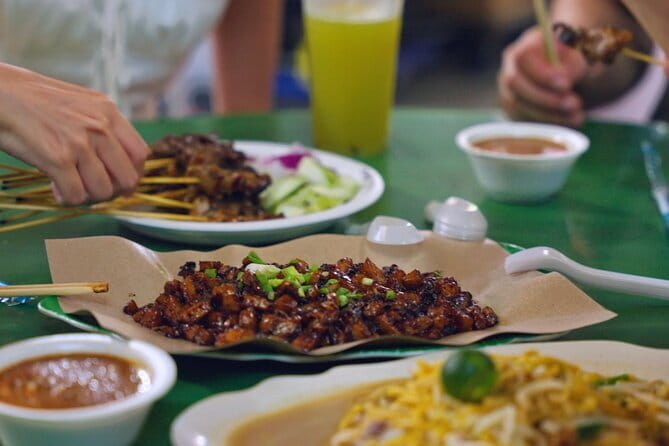
The itinerary includes a hawker-style dish, one of the most useful parts for anyone trying to understand Singapore’s food culture. Hawker food is tied to the city’s everyday dining habits, and a planned sample helps you move beyond the safest tourist choices.
The dish is included as one of the six tastings, but the available details do not name it. That matters if you have allergies, strong dislikes, or a very specific food goal. Check the current food details before booking if you need to know ingredients or substitutions.
The hawker stop also shows why this experience works better as a group activity than as a passive walk. One person can solve the clue while another finds the outlet, then everyone can taste and discuss the result. The food becomes part of the conversation rather than a quick stop for a photograph.
You may want to budget for additional drinks. Beverages are not generally included, and the experience notes that you can buy them along the way. This keeps the advertised price focused on the six planned tastes, but your final spending can rise if you add coffee, soft drinks, or bottled water.
More food tours in Singapore:
- Small Group: Michelin and Local Hawker Food Tour with 9 tastings
★ 5.0 · 1,890 reviews - Small Group: Singapore Street Food & Night Tour with 9 tastings
★ 5.0 · 1,240 reviews - The Award-Winning PRIVATE Food Tour: 10 Tastings of 3 Cultures
★ 4.5 · 1,017 reviews - Singapore: Chinese, Indian & Arabic Quarters, Culture & Food Tour
★ 5.0 · 789 reviews
Dessert and traditional coffee finish the food trail
Later stops include dessert and a traditional coffee tasting. These provide a natural wind-down after the savory portions. The coffee is connected to the starting point at Nanyang Old Coffee, and it gives you a direct taste of a familiar Singapore ritual.
The dessert helps keep the route varied. It also gives your group a chance to slow down and decide which earlier flavor was the surprise of the day. A good food trail should not feel like a checklist, and the changes between savory, sweet, baked, and drink-based tastes help avoid that problem.
The food is only half the point. Each stop acts as a marker in the puzzle, so you are not simply moving from one snack to the next. You are collecting answers, reading clues, and using Chinatown itself as part of the challenge.
At the end, you receive a surprise gift. The details of the gift are not stated, so do not book this for a particular souvenir. Think of it as a small extra that gives the activity a clear finish.
Why the WhatsApp puzzle format works
The strongest feature here is the game design. Your phone delivers the next prompt, but the solution depends on paying attention to the real world around you. That is a smart way to make streets, shopfronts, food outlets, and local stories matter.
The clues are meant to be neither too easy nor too hard. That balance is important. If every answer is obvious, the activity becomes a series of directions. If the riddles are too obscure, the food stops become frustrating. The available feedback points to clever clues, easy-to-use messaging, and the option to ask for help when needed.
You can also use the format competitively. Larger families or friend groups can split into two teams and see who reaches the answers first. That adds energy, though it may not suit a group that wants a quiet meal. For a date or a small family outing, simply solving the clues together may be more pleasant than racing.
The self-guided structure gives you control. You can stop to look at an attraction, take a break, or let a child catch up. The trade-off is that no guide is there to explain a confusing clue immediately or keep the route moving. Make sure someone in your group is willing to handle WhatsApp and navigation.
Who will enjoy this three-hour experience
I would recommend it most strongly to people who like food with a side of play. Families get an activity that keeps younger participants involved. Friends get a shared challenge. Colleagues can use the team format for a light bonding outing without sitting in a conference room.
It also suits first-time visitors who do not know what to eat in Chinatown. You receive a planned introduction to several food styles, and the riddles give you a reason to explore rather than wander without a plan.
Local residents can enjoy it too, especially if they want to learn something new about an area they think they know. The experience is not limited to international visitors, and the food hunt can reveal new outlets or local facts even to someone familiar with Singapore.
I would be more cautious about recommending it to solo visitors. The activity is built around solving clues with a team, and the private format makes the most sense when several people can share the decisions. A solo participant could still take part, but the social puzzle element would be smaller.
It may also be a poor match for anyone seeking a formal culinary education. There is no named guide in the supplied information, and no promise of lengthy demonstrations or detailed explanations at every stop. You are paying for an interactive route with tastings, not a chef-led class.
Price, pace, and practical value
The price is $56.49 per person, with the experience lasting about three hours. I see the value in the combination of six included tastes, seven food outlets, a private format, and a designed puzzle route. You are also paying for the research and structure that remove much of the guesswork from exploring Chinatown.
The value is strongest for a group that would otherwise spend time deciding where to eat. You receive a route, food stops, a game, and a small gift in one booking. The price is less compelling if you mainly want a large meal, since the portions are described as tastings and drinks are extra.
The private setup can improve the value for families and groups. You do not share the activity with strangers, and you can set your own pace. On the other hand, a solo booking or very small group may find the per-person price harder to justify than a simple self-planned food walk.
The activity is booked, on average, 25 days ahead, so I would not leave it until the last minute if your Singapore dates are fixed. Confirmation is normally issued at booking. Reservations made within 16 hours of the start time are confirmed as soon as possible, subject to availability.
The meeting point is near public transportation, and the route ends back at Nanyang Old Coffee. Plan for walking between stops and wear comfortable shoes. The experience is suitable for most people, but the supplied details do not give a specific route length or accessibility information, so ask before booking if mobility access is important for your group.
Free cancellation is available if you cancel at least 24 hours before the start time. Changes or cancellations inside that window are not accepted for a refund, and the cut-off uses Singapore local time.
Is the Chinatown Food Adventure worth booking?
Book it if you want Singapore food presented as a shared challenge rather than a standard guided tour. The six tastings cover several useful categories, from breakfast and hawker food to bakery treats, dessert, and coffee. The clues add purpose to the walk, and the private format lets your group explore at its own speed.
Skip it if you want a guide beside you, a large meal, or a precise menu of named dishes before paying. This is best for curious groups who enjoy riddles, phone-based directions, and small tastes spread across a neighborhood.
For families, friends, dates, and colleagues, it offers a good balance of food and play. Bring water money, wear comfortable shoes, and make sure at least one person is happy to manage WhatsApp. With those basics covered, this is a clever way to get your bearings in Chinatown while trying foods you might not choose on your own.
FAQ
How long does the Chinatown Food Adventure take?
The experience lasts approximately three hours.
Where does the activity start and finish?
It starts at Nanyang Old Coffee, 268 South Bridge Road, Singapore 058817. It ends back at the same meeting point.
Is this a guided tour?
No. This is a self-guided experience with no tour guide or fixed group. Your team follows clues sent through WhatsApp and explores at its own pace.
What food and drinks are included?
You receive six tastings at seven heritage food outlets. These include a traditional breakfast bite, local delicacy tasters, a bakery treat, a hawker-style dish, dessert, and traditional coffee. Other beverages are not included, but you can buy them along the way.
Is the activity private?
Yes. Only the group you book with takes part in the activity.
Can I cancel for a full refund?
Yes, if you cancel at least 24 hours before the experience start time. Cancellations or changes made less than 24 hours before the start time are not accepted for a refund.
Recently added around Singapore
- The Real Singapore Heartland Walking Food Tour★ 5.0 · 4 reviews
- Vegetarian Culinary Adventure in Singapore★ 5.0 · 7 reviews
- Singapore’s Marina Bay Wonders and Heritage Tales, Chinatown★ 5.0 · 5 reviews
- Singapore’s Hidden Treasures: A Cultural Private Tour★ 5.0 · 3 reviews
- Private Tour Singapore Street Food & Night Tour★ 5.0 · 4 reviews
- Singapore – Albatross Speedboat Adventures Cruising in Sentosa★ 5.0 · 3 reviews
- Small Group Full Day Singapore City Tour with Roundtrip Transfers★ 4.0 · 11 reviews
- Tastes of Chinatown★ 5.0 · 4 reviews
Singapore Chinatown Tours, compared.
Chinatown, Little India, Kampong Gelam City Highlights Tour
Read our review →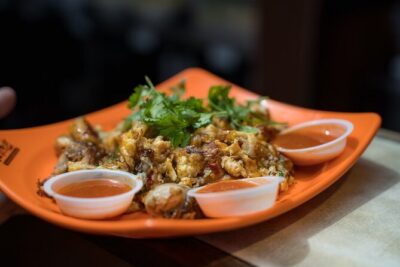
Singapore: Chinatown Hawker Market Food Tour with 7 Food Tastings
Read our review →
Singapore: Chinatown and Little India Guided Walking Tour
Read our review →
Singapore: Chinatown Historic Walking Tour with Lunch
Read our review →
Kampong Glam, Little India & Chinatown with Local Street Food Tastings
Read our review →
Tasting Trails: Chinatown OR with Kampong Glam, Little India
Read our review →Browse the lists this tour appears in