
Reviewed · SINGAPORE CHINATOWN TOURS
UNESCO Hawker Culture: Chinatown Food Tasting Tour
Singapore’s food culture makes the most sense when you eat it where locals eat it. This three-hour walking tour leads you through Chinatown’s temples, shophouses, murals, and hawker centers, with up to 10 handpicked dishes and drinks along the way. Chicken rice is part of the plan, but the meal reaches into Chinese, Malay, and Indian cooking.
I like the way the tour connects food with place. You are not simply handed a plate and sent on your way. You hear why Chinatown developed as it did, see the shophouses and temples, and pause at a traditional coffeehouse. I also like the small group limit of 10, since guides such as Jeanette, Ronnie, Kelvin, and Liang can answer questions and adjust the pace.
The main consideration is the price: at $88.81 per person, this is not a cheap lunch. It makes better value for you if you want a guided introduction to Singapore, several tastings, and cultural context in one outing. The tour also involves walking and may not suit anyone who wants a seated meal from start to finish.
Key points at a glance
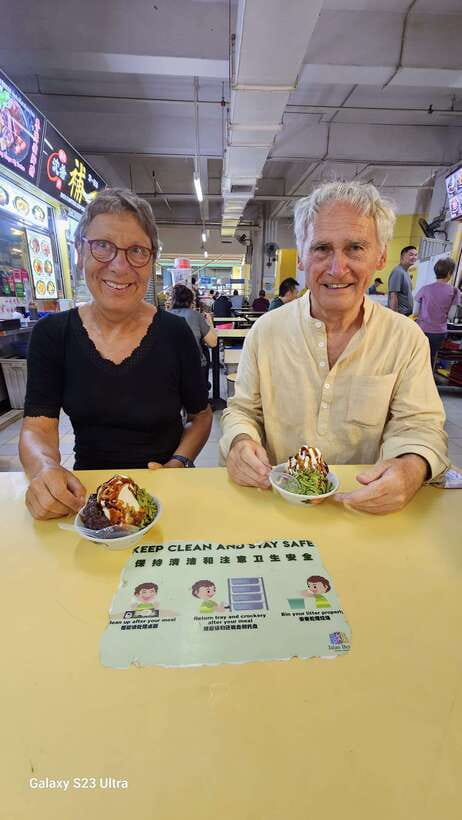
- Up to 10 tastings: Expect a broad sample of hawker food, including Hainanese chicken rice, Fuzhou pancakes, drinks, and possible Michelin Bib Gourmand dishes.
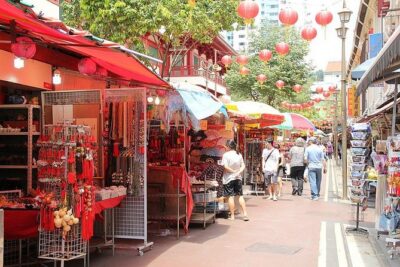
- Six Chinatown stops: The route includes Sri Mariamman Temple, Ann Siang Hill Park, Maxwell Food Centre, Buddha Tooth Relic Temple, Chinatown Complex, and Smith Street.
- Small group format: The maximum group size is 10, which allows more room for questions and personal help.
- Food plus local context: Guides explain Chinatown’s past, Singaporean culture, food traditions, and parts of modern civic life.
- A gentle finish: The tour ends around Smith Street with a stop at a traditional coffeeshop and Chinatown Complex.
- Flexible booking options: Group discounts are available, and a private upgrade offers flexible timing.
Why this Chinatown food walk works
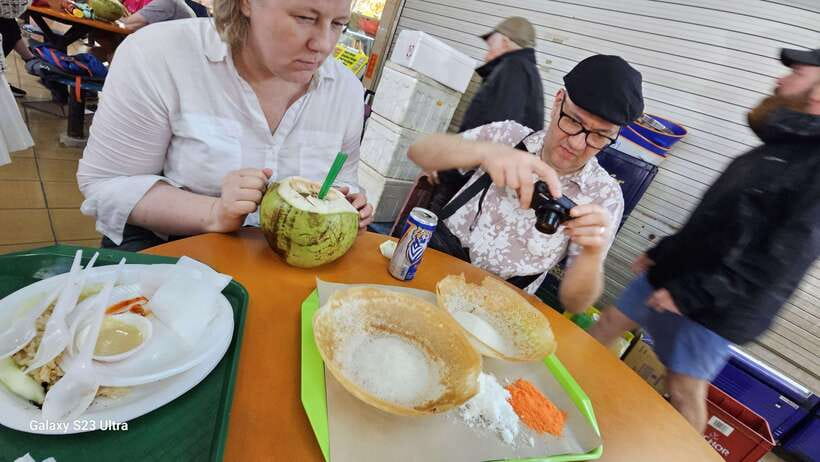
Singapore’s hawker centers can be exciting and confusing in equal measure. A single hall may hold dozens of stalls, each with its own specialties, queues, and ordering habits. If you have only a few days in the city, it is easy to spend your meal choosing rather than eating.
This tour solves that problem by making the decisions for you. A licensed local guide brings you to selected stalls and explains what you are tasting. You receive 9 to 10 handpicked foods and drinks at famous hawker centers, with some dishes connected to Michelin Bib Gourmand recognition.
The food is only half the point. Singapore’s hawker culture was recognized by UNESCO as part of the intangible food heritage of humanity. That recognition matters because hawker food is not just a collection of recipes. It is a way of eating that brings together Chinese, Malay, Indian, and other influences in inexpensive communal spaces.
I especially like this approach for a first day in Singapore. The walk gives you fresh air, a sense of direction, a meal, and a basic understanding of how the city’s communities developed. It also gives you a list of foods to seek out later.
More Chinatown walks and food stops:
- Chinatown, Little India, Kampong Gelam City Highlights Tour
★ 5.0 · 224 reviews - Singapore: Chinatown Hawker Market Food Tour with 7 Food Tastings
★ 5.0 · 213 reviews - Singapore: Chinatown and Little India Guided Walking Tour
★ 4.8 · 190 reviews
Starting near Sri Mariamman Temple
The meeting point is Bee Cheng Hiang at 69 Pagoda Street. From there, the route begins with Sri Mariamman Temple, Singapore’s oldest Hindu temple, founded in 1827 by Naraina Pillai. The visit is brief, about 10 minutes, but it gives the walk an immediate sense of place.
The temple was designated a National Monument because of its architectural and historical importance. Its presence in Chinatown is a useful reminder that the district was never culturally one-note. Singapore’s Indian communities have long been part of the area’s story, alongside Chinese and Malay influences.
Your guide should explain the temple and its role rather than simply lead you past it. The stated timing is short, and this is not a full temple tour, so treat it as an introduction. Dress and behavior should be respectful at any religious site.
Ann Siang Hill and the old immigrant quarter
The next stop is Ann Siang Hill Park, where you spend about 15 minutes. The hill was once a business center for Chinese immigrants, and its restored shophouses provide a strong visual link to old Chinatown.
This is one of the better places to listen to the guide’s explanation of how newcomers built working lives in Singapore. The architecture is part of the lesson. Narrow shophouses, tiled details, and connected facades show how commerce, housing, and community life once shared the same streets.
The stop is short, so you will not get an exhaustive architectural walk. Its value comes from setting up the food stops that follow. You begin to see Chinatown as a lived-in district, not merely a collection of decorative facades.
Maxwell Food Centre and the chicken rice test
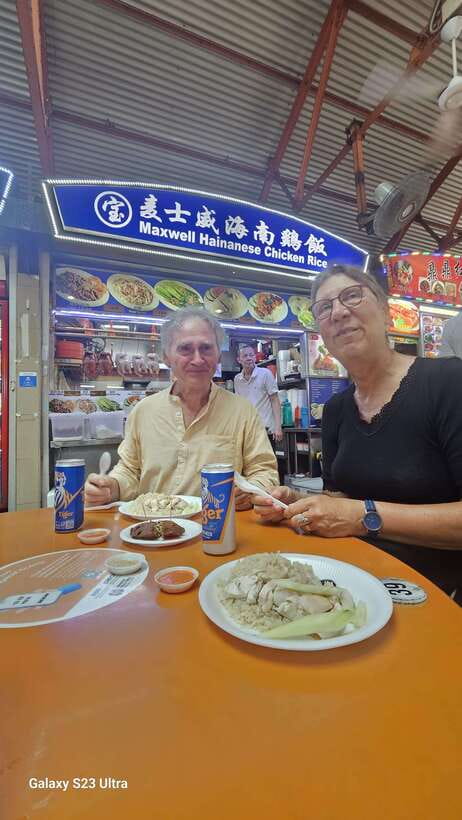
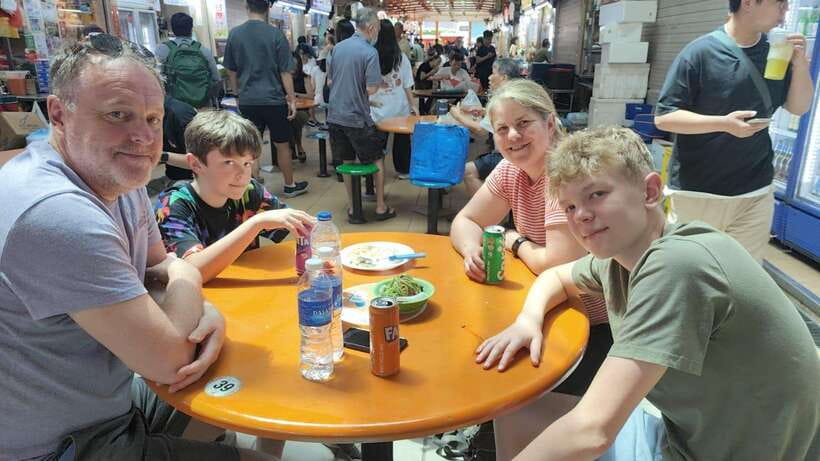
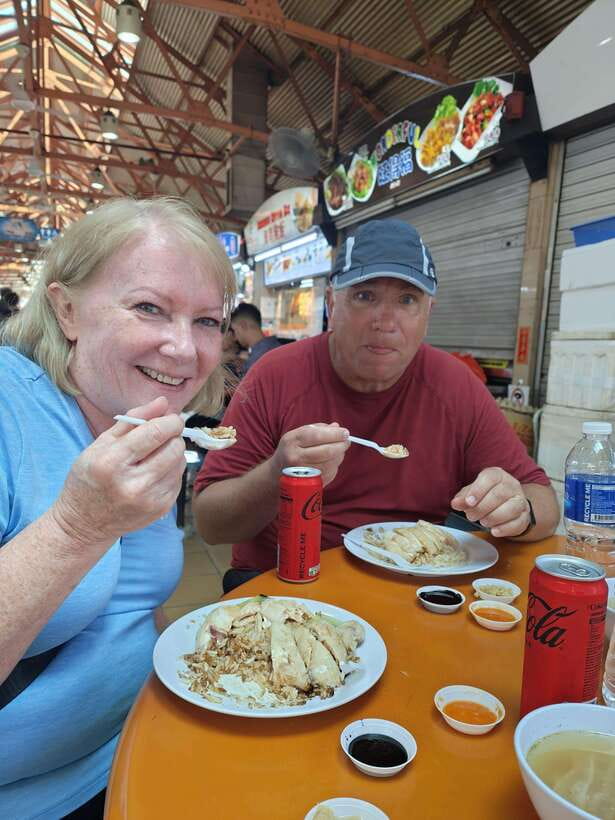
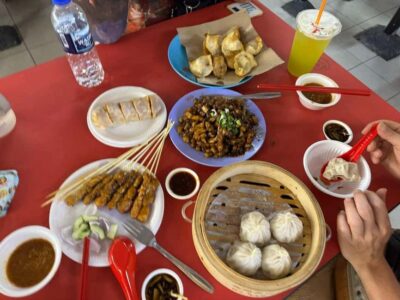
Maxwell Food Centre is the main food stop, with about 35 minutes scheduled here. This is where you are likely to encounter the tour’s signature dish, Singaporean chicken rice, along with other hawker specialties such as Fuzhou pancakes.
Chicken rice may sound plain. It is not. The quality rests on details such as the cooked rice, the chicken, sauces, texture, and balance. A guide helps you understand what to notice, which is useful when you later compare versions around Singapore.
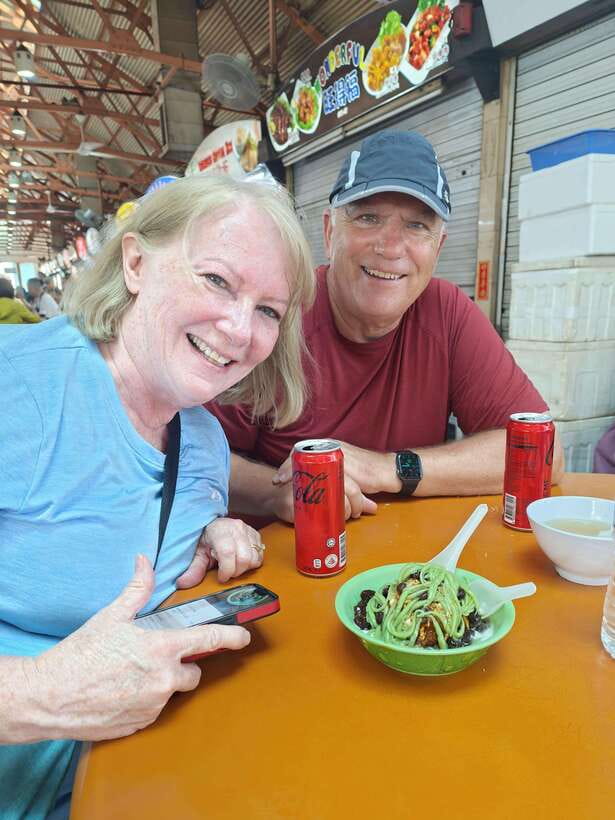
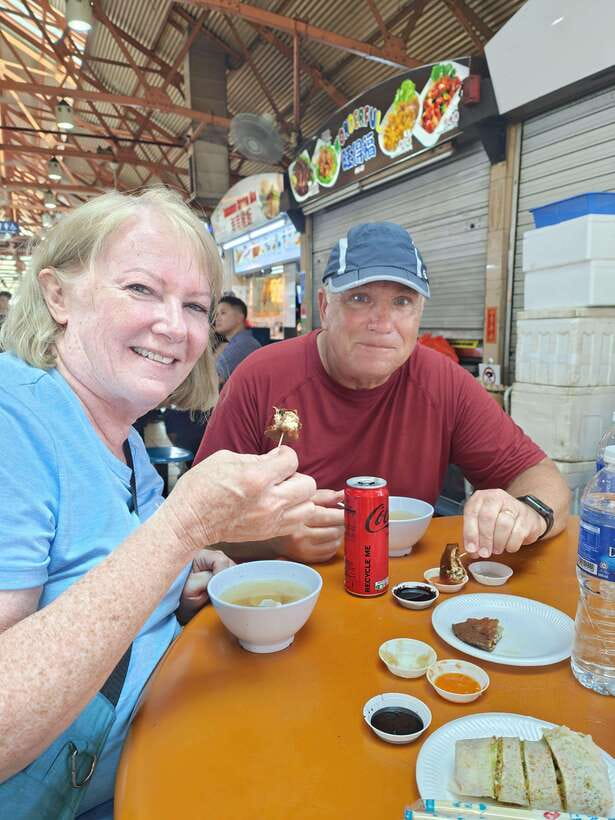
The tour includes several tastings rather than one large plate. That is the right format for a food walk, since it lets you try a range of dishes without committing to a full serving of everything. Still, you should arrive ready to eat. Nine or 10 tastes over three hours can add up quickly, especially in Singapore’s warm climate.
Some food choices may come from stalls associated with Michelin Bib Gourmand recognition. That adds interest, but it does not mean every stop is a formal restaurant experience. Hawker centers are practical, communal places. You may share tables, eat at a quick pace, and focus on the food rather than presentation.
More hawker centre crawls:
- Small Group: Michelin and Local Hawker Food Tour with 9 tastings
★ 5.0 · 1,890 reviews - Small Group: Singapore Street Food & Night Tour with 9 tastings
★ 5.0 · 1,240 reviews - Singapore: UNESCO Street Food & Cultural Experience
★ 5.0 · 524 reviews - Small-Group Food Tour With Hawker Center: Eat Like A Local
★ 5.0 · 420 reviews
Buddha Tooth Relic Temple and Chinatown’s religious mix
The Buddha Tooth Relic Temple and Museum receives about 10 minutes. This Tang-style Chinese Buddhist temple has ornate interiors and displays related to Buddhist art and history. It also houses a relic said to be a tooth of the Buddha.
The short visit works well after Maxwell Food Centre. You get a change of pace, moving from the noise and choices of a hawker hall into a more reflective setting. The stop also reinforces the theme of Chinatown as a place shaped by religion, migration, and daily work.
Do not expect enough time for a full museum visit. Ten minutes is enough to see the main interior and hear the basic story, but not to study every display. If the temple is especially important to you, you may want to return independently after the tour.
Chinatown Complex and the final food stretch
The route continues to Chinatown Complex for about 20 minutes. Its shophouses feature Chinese-style tile ornaments and motifs, and the site recalls the period when street hawkers served food directly from the lanes.
This stop helps explain why organized hawker centers became so important. Food was brought into shared, regulated spaces while keeping the informal character of affordable local cooking. You can look at the architecture, hear about the old street trade, and continue sampling dishes.
The official end point is Chinatown Complex at 335 Smith Street, near Maxwell MRT station. That makes the finish practical if you want to continue sightseeing or return to your hotel by public transport.
Smith Street murals and a traditional coffeehouse
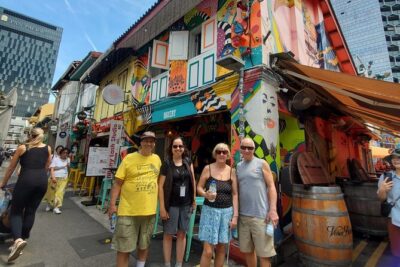
The final section takes about 30 minutes around Smith Street. You pass ethnic shophouses and murals by local artist Yip Yew Chong. His scenes depict Chinese heritage and everyday family life, giving the walk a more personal visual record of the neighborhood.
This is a good part of the route for photographs. The murals and restored buildings offer the kind of street detail you might miss if you went straight from one food stall to another. The tour also refers to scenes from Crazy Rich Asians, so fans of the film can connect the streets with familiar images.
You then pause at a traditional coffeeshop for a hot drink. This is more than a caffeine stop. Coffeehouses, often called kopitiams, are part of Singapore’s everyday food culture, and the break gives you time to sit, ask questions, and let the meal settle.
The coffeehouse visit is one of the tour’s most useful touches. A food tour can become a fast march of samples. A seated drink slows the pace and lets you consider what you have eaten.
What the guides add to the experience
The guides are central to the tour’s value. Jeanette is described as especially helpful for solo participants and for anyone hesitant to try unfamiliar dishes. She also brings food choices and Chinatown history together, rather than treating them as separate subjects.
Ronnie is a strong choice if you want broad background on Singapore, including its food and national development. He has also been praised for helping a participant with a disability during the tour. Kelvin has been noted for combining food, culture, and personal attention, while Liang has shared family connections to the area and stories about early settlers.
Pauline, Edwin, Silvia, and Ron are also named among the guides associated with the experience. Guide assignments can change, so you should not book expecting one specific person unless the operator confirms it. What you can reasonably expect is a licensed local guide who can explain the route and help you navigate the food.
The most valuable guide quality here is not a long speech. It is the ability to make unfamiliar food less intimidating. If you are unsure about a dish, ask what it contains, how it is normally eaten, and whether a milder option is available.
Price, group size, and practical value
At $88.81 per person, the tour costs more than visiting Maxwell Food Centre on your own. You could certainly spend less by choosing one or two dishes independently.
The comparison changes when you include the full package: 9 to 10 tastings, a bottle of mineral water, three hours with a licensed guide, temple visits, neighborhood interpretation, and a traditional coffeehouse stop. You are paying for selection and structure as much as for food.
The group maximum is 10 people. That is small enough to keep the guide accessible, though the actual group may be smaller or larger depending on bookings. Group discounts are available, and a private upgrade provides flexible timing and a more personal format.
The tour is close to public transportation and most people can take part. You should plan for walking, standing, eating several small portions, and moving through public food centers. Anyone with mobility concerns should contact the operator before booking, since the supplied details do not describe the route’s surfaces or step-free access.
Free cancellation is available if you cancel at least 24 hours before the start time. Cancellations inside that window are not refunded. The operator may also substitute an attraction if an unexpected closure or weather problem affects the route, with no refund for that substitution.
Who should book this tour
I would choose this tour if you are visiting Singapore for the first time, feel uncertain about hawker-center ordering, or want food and culture in the same experience. It also suits solo visitors, families with older children, and people who prefer a guide to make the food choices.
It is a good fit for curious eaters who want variety. The route includes Chinese, Malay, and Indian influences, and the food stops are designed to give you several small tastes rather than one conventional meal.
I would think twice if you dislike communal dining, need a very slow pace, have strict dietary restrictions that have not been discussed with the operator, or want a private food itinerary from the beginning. A three-hour tour with up to 10 tastings is active, and the exact dishes may vary.
Should you book it?
Book it if you want a well-organized first look at Singapore’s food culture and Chinatown’s religious and architectural landmarks. The strongest reasons are the range of tastings, the small group limit, and guides who bring personal stories and clear local context to the walk.
Skip it if your main goal is the lowest-cost meal or if you would rather choose every dish yourself. For most visitors who want help navigating hawker food, $88.81 is a fair price for three hours of eating, walking, and orientation, especially early in a Singapore stay.
FAQ
How long does the Chinatown food tour last?
The tour lasts approximately three hours.
How many foods and drinks are included?
The experience includes 9 to 10 handpicked foods at famous hawker centers, including possible Michelin Bib Gourmand dishes, along with drinks.
Is chicken rice included?
Singapore’s signature chicken rice is one of the featured hawker classics on the tour.
Where does the tour begin?
The meeting point is Bee Cheng Hiang at 69 Pagoda Street, Singapore 059228.
Where does the tour end?
The tour ends at Chinatown Complex, 335 Smith Street, Singapore 050335. The nearest MRT station to the end point is Maxwell Station.
How large is the group?
The tour has a maximum of 10 participants.
Is a guide included?
Yes. The experience includes three hours with a licensed local guide.
Is bottled water provided?
Yes. One bottle of mineral water is included.
Are private tours available?
Yes. You can upgrade to a private tour with flexible timing.
What is the cancellation policy?
You can cancel at least 24 hours before the start time for a full refund. Cancellations made less than 24 hours before the start time are not refunded.
More Food Tours in Singapore
- The Award-Winning PRIVATE Food Tour: 10 Tastings of 3 Cultures
★ 4.5 · 1,017 reviews - Singapore: Chinese, Indian & Arabic Quarters, Culture & Food Tour
★ 5.0 · 789 reviews - Singapore Private Food, Culture and Heritage Tour with 9 tastings
★ 5.0 · 394 reviews - Singapore: Foodie Experience Guided Tour with 5 Tastings
★ 4.7 · 291 reviews
Recently added around Singapore
- The Real Singapore Heartland Walking Food Tour★ 5.0 · 4 reviews
- Vegetarian Culinary Adventure in Singapore★ 5.0 · 7 reviews
- Singapore’s Marina Bay Wonders and Heritage Tales, Chinatown★ 5.0 · 5 reviews
- Singapore’s Hidden Treasures: A Cultural Private Tour★ 5.0 · 3 reviews
- Private Tour Singapore Street Food & Night Tour★ 5.0 · 4 reviews
- Singapore – Albatross Speedboat Adventures Cruising in Sentosa★ 5.0 · 3 reviews
- Small Group Full Day Singapore City Tour with Roundtrip Transfers★ 4.0 · 11 reviews
- Tastes of Chinatown★ 5.0 · 4 reviews
Singapore Chinatown Tours, compared.
Chinatown, Little India, Kampong Gelam City Highlights Tour
Read our review →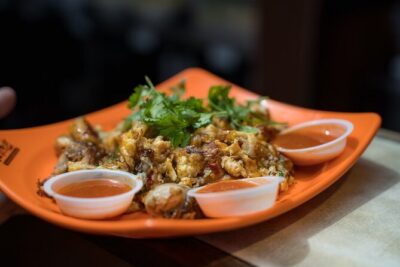
Singapore: Chinatown Hawker Market Food Tour with 7 Food Tastings
Read our review →
Singapore: Chinatown and Little India Guided Walking Tour
Read our review →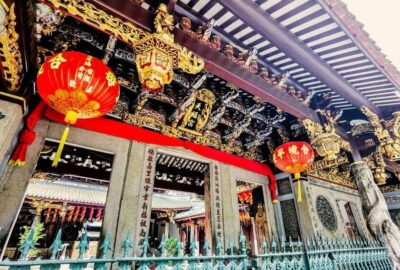
Singapore: Chinatown Historic Walking Tour with Lunch
Read our review →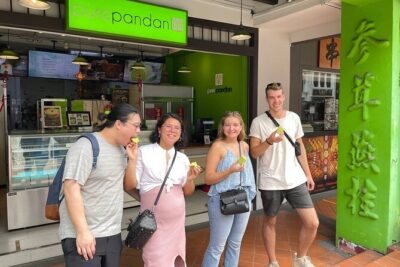
Kampong Glam, Little India & Chinatown with Local Street Food Tastings
Read our review →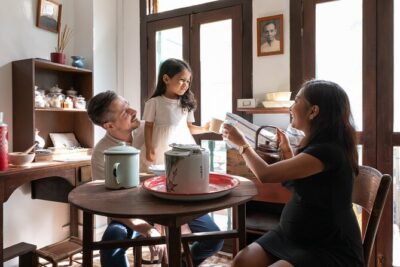
Tasting Trails: Chinatown OR with Kampong Glam, Little India
Read our review →Browse the lists this tour appears in