
Reviewed · COOKING CLASSES
Singapore: Hands-on Cooking Class with Cultural Immersion
Singapore’s food culture makes the best classroom here. You’ll cook three dishes from family recipes, hear how local ingredients shaped them, and then sit down to eat what you made. The Chinatown setting adds a useful bonus: you can pair the class with a visit to Buddha Tooth Relic Temple and nearby food stalls.
I like the friendly, personal teaching style, especially the stories shared by instructors such as Sara, Annie, Helen, Nur, YY, and Mrs Lee. I also like that the menu changes by day, so you can choose between dishes such as laksa, nasi lemak, chicken curry, or char kway teow. The main drawback is practical: the studio is on the second floor of a conservation shophouse with no lift, and the fixed menu means you need to check the date before booking.
Key points to know before you book
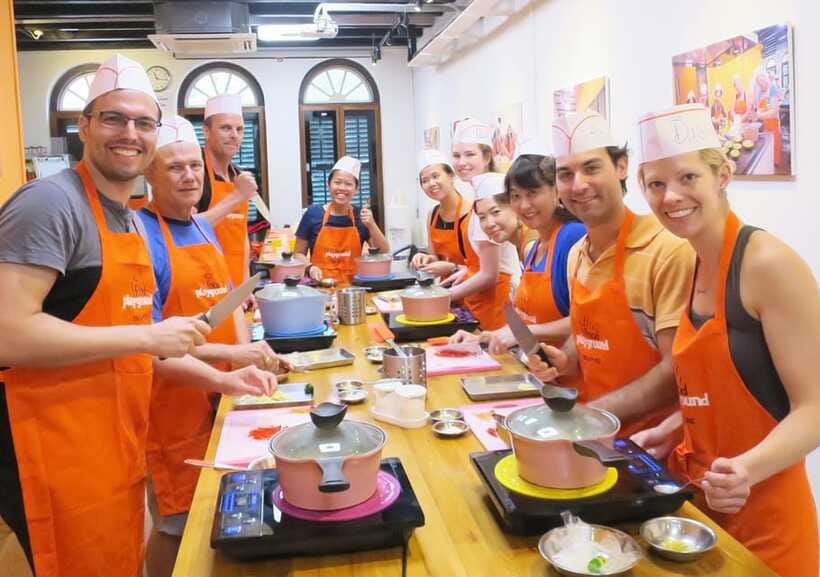
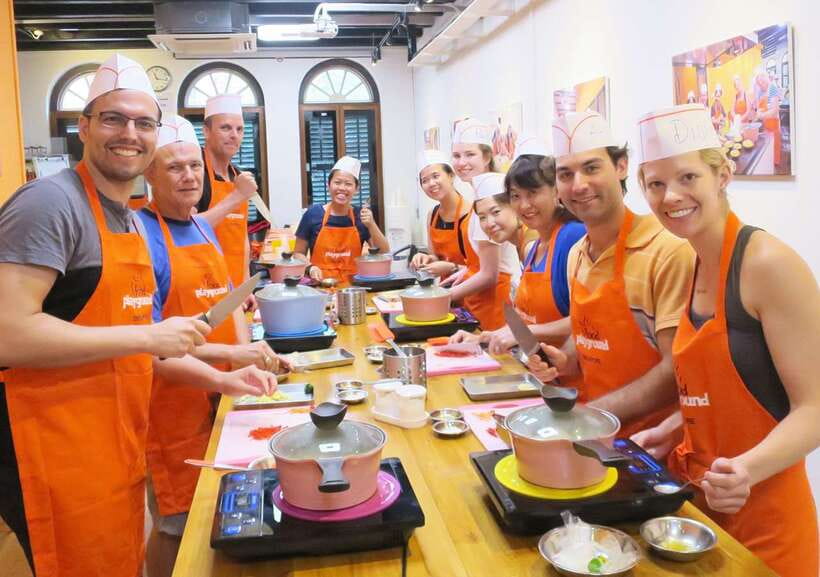
- Three dishes in three hours: You cook a full Singaporean meal, then eat it with the rest of the class.
- A different menu each day: Monday features nasi lemak, sambal prawns, and kueh dadar, while Friday brings char kway teow, Nyonya popiah, and sago gula Melaka.
- Local stories are part of the lesson: Expect food history, ingredient tips, Singapore culture, and personal stories from the instructors.
- Good for mixed cooking abilities: Instructors guide you through each step and allow you to work at your own pace.
- Easy Chinatown pairing: The studio is beside Buddha Tooth Relic Temple and Museum, making it simple to add sightseeing before or after class.
- Check access before booking: The class requires stairs to level two and is not suitable for people with limited mobility.
Cooking Singaporean food beside Buddha Tooth Relic Temple
The meeting point is easy to place once you reach Chinatown. Look for the cooking studio beside Buddha Tooth Relic Temple and Museum, marked by an orange sign with the local partner’s name.
This is a useful location for a food-focused morning or afternoon. You can visit the temple area before class, then walk straight to the studio. Hotel pickup is not included, so you’ll need to make your own way there. The information provided does not give a precise group size, but the format is designed around individual workstations and shared dining.
The studio sits on the second floor of a conservation shophouse. That old shophouse setting gives the class a sense of place, but there is no lift. If stairs are difficult for you, this is not the right activity.
More cooking classes in Singapore:
- Experience Singapore: Cultural Cooking Class
★ 5.0 · 1,514 reviews - Singapore: Market-to-Table Experience and Cooking Class
★ 5.0 · 17 reviews - Private Market Visit and Cooking Class With A Professional Chef
★ 4.5 · 10 reviews
Coffee, nostalgic snacks, and a gentle start
The class begins with coffee or tea, drinking water, and small nostalgic snacks or bites. This first pause helps everyone settle in before the cooking starts.
You’ll also take part in an ice-breaker game. It is not just filler. The activity introduces pieces of Singapore’s heritage, food, and culture, while helping people in the room get acquainted. That matters in a cooking class because you eventually share a meal with the group.
The instructors are a major part of the experience. Names that appear in the teaching team include Sara, Annie, Helen, Nur, YY, Mrs Lee, Cindy, Wy Wy, and Sobna. The teaching style can vary with the person leading your session, but the common thread is a personal, friendly approach with plenty of guidance.
Several instructors also share stories about overcoming personal challenges. That gives the class a human side beyond recipes and measurements. You’re not just learning how to prepare food, you’re hearing from local women about their lives and work.
Food stories before the chopping begins
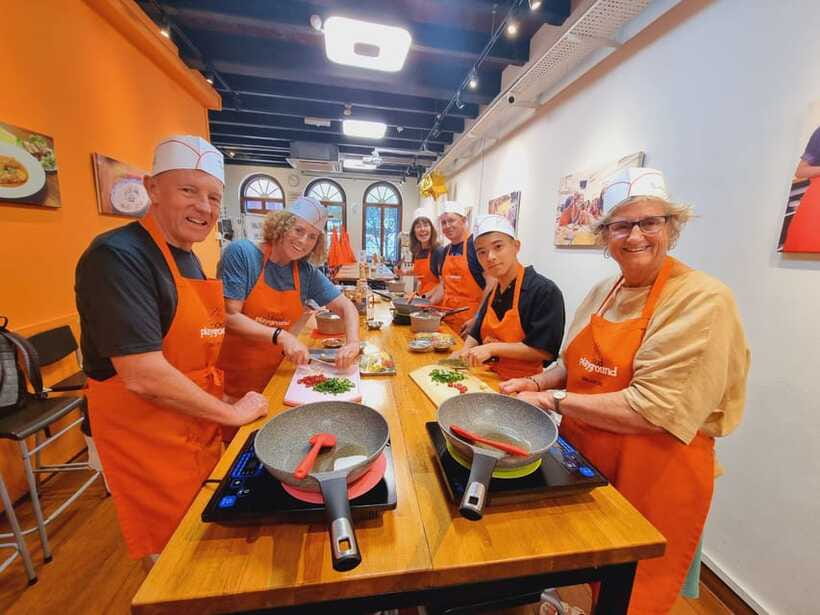
Before putting on an apron, you’ll learn what is on the menu and where the dishes come from. The instructors explain the local ingredients and the background of each dish.
This part is worth your attention. Singaporean food is shaped by several cultural traditions, and a single meal can show how those influences meet. The class does not simply hand you a recipe and send you to the stove. It explains why certain ingredients matter and how the dishes fit into local food culture.
Past sessions have included explanations of fresh spices used in chicken curry, the history of dishes, and other typical Singaporean foods beyond the three being prepared. If you are curious about hawker food or want to know what to order later, this is a good time to ask.
The pace is also friendly for different skill levels. Helen, for example, is noted for explaining dish history and working patiently with cooks of varying experience. You should still expect to participate actively, but you do not need advanced kitchen skills.
Three dishes, one fully equipped workstation
Once the introduction is finished, you put on the provided apron and chef hat and move into the kitchen. Ingredients and equipment are supplied, and instructors guide you through the process at your station.
This is hands-on cooking rather than a demonstration where you watch someone else do everything. You prepare the dishes yourself, with help available when a technique or step is unclear. That makes the recipes more useful after the trip because you learn the order of the work, not just the final appearance.
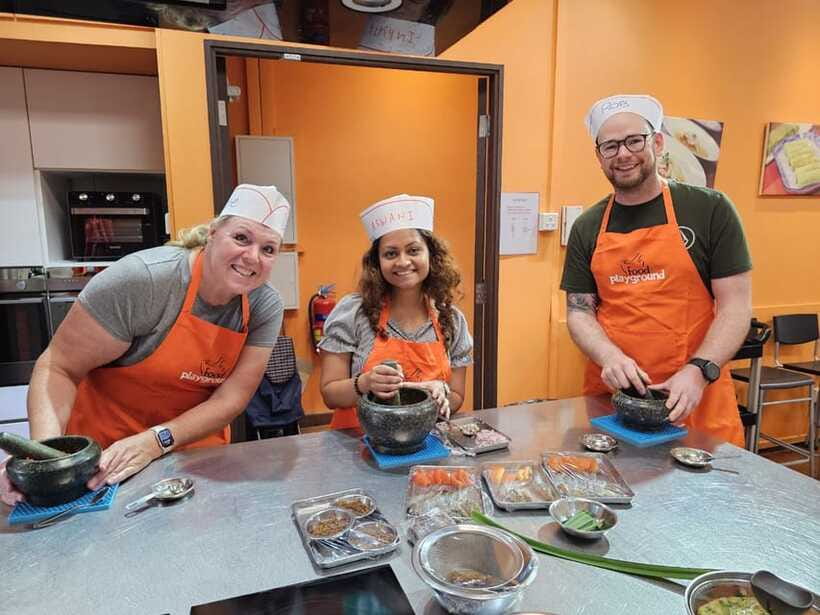
The ingredients are fresh local produce, and the class gives you a chance to handle the flavors directly. In sessions featuring curry, for example, you may grind fresh spices before cooking. That kind of task takes more time than opening a packet, but it helps explain why the finished dish tastes the way it does.
The recipes are based on local or family sources. This is one of the strongest reasons to choose the class over a generic cooking lesson. You’re learning food with a connection to Singaporean homes and traditions, rather than a simplified dish made only for tourists.
More workshops and classes in Singapore:
- Singapore Night Photography Workshop
★ 5.0 · 20 reviews - Singapore Photography Masterclass – Private Photography Lesson
★ 5.0 · 17 reviews - Singapore: Scent Crafting Workshop with Rainforest Orchids
★ 4.4 · 11 reviews - Pau Making Workshop With Dim Sum Tasting and Factory Tour
★ 5.0 · 6 reviews
Choosing the right day for the right menu
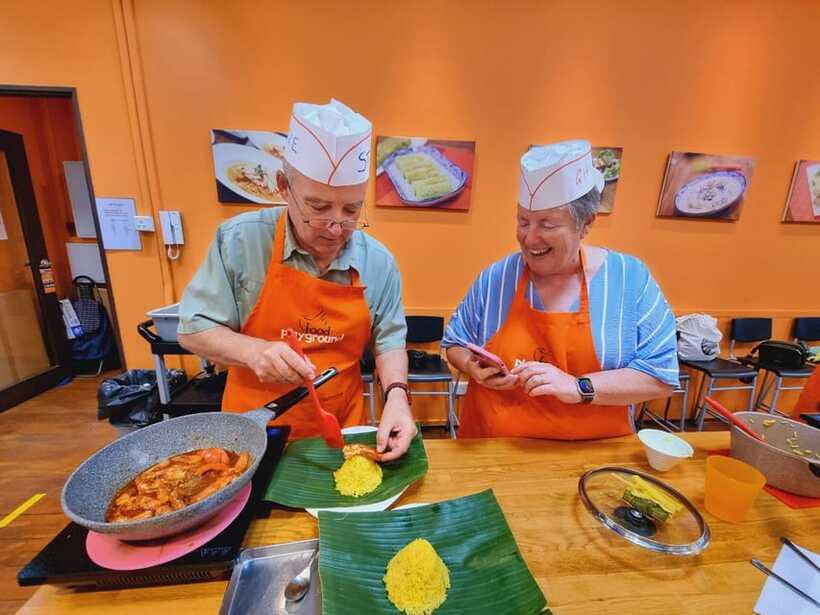
The menu is fixed by day, not selected after you arrive. Check it carefully before you reserve because the dishes vary quite a bit.
Monday: Nasi lemak, sambal prawns, and kueh dadar. This gives you a rice dish, a spicy seafood preparation, and a sweet pandan crepe with coconut filling.
Tuesday and Saturday: Chicken curry, roti jala, and ondeh ondeh. This is a good choice if you want a warm curry, net-shaped bread, and sweet coconut-and-palm-sugar balls.
Wednesday and Sunday: Laksa, fried spring rolls, and hoon kueh. Choose these days if noodle soup and fried snacks appeal to you.
Thursday: Nasi biryani, masala chicken, and lentil dhal. This menu leans toward fragrant rice, spiced chicken, and a lentil dish.
Friday: Char kway teow, Nyonya popiah, and sago gula Melaka. You’ll get stir-fried flat noodles, a fresh spring roll, and a palm-sugar dessert.
The daily schedule is helpful if you already have a favorite Singaporean dish in mind. It is also the biggest planning issue. Do not book first and check the food later. Pick the day based on what you actually want to cook and eat.
Eating the meal you prepared
After the cooking, the class becomes a shared meal. You sit down with the other participants and eat the three dishes prepared during the session.
That final meal is more than a reward. It lets you compare the finished food with what you expected, ask last questions, and enjoy the social side of the class. You’ve spent the morning or afternoon working together, so the meal feels like a natural finish rather than a separate restaurant stop.
The meal also helps with portion planning. Since you eat the food you cook, the class can cover lunch or provide a substantial meal during the day. One practical note from past sessions is that the kitchen team handles the cleanup, leaving you free to eat and talk rather than scrub pans.
You can use this time to ask for food tips around Singapore. The instructors can point you toward places to eat and suggest things to do during the rest of your stay. That local advice may be as useful as the recipe card, especially if you are still deciding how to explore the city’s food scene.
Why the teaching gets such strong praise
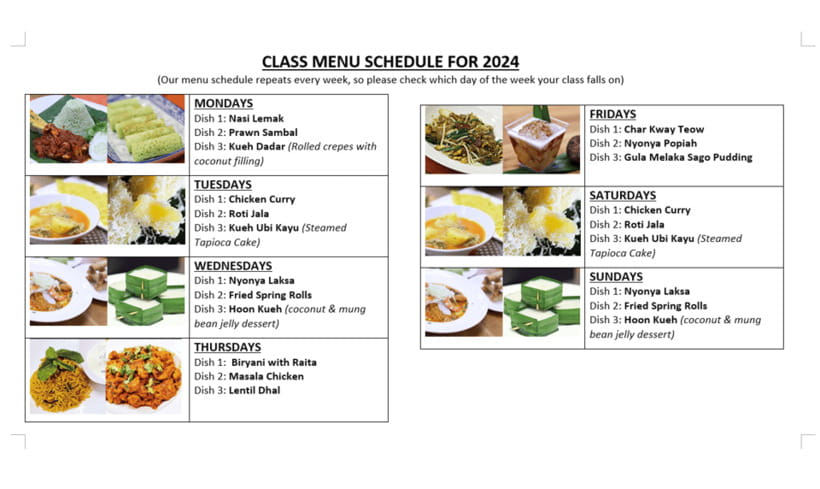
The most consistent strength is the instructors. The teaching team is described as patient, organized, funny, attentive, and easy to follow.
Sara is praised for being attentive and for explaining both the food and nearby places to visit. Annie is remembered for making the class fun while passing on practical cooking information. Helen brings enthusiasm for traditional cooking and works well with different skill levels. Nur is described as ready to help from the moment participants arrive.
Cindy’s strength is an easy passion for cooking, while YY and Mrs Lee are noted for combining local food knowledge with a welcoming approach. You may not have every one of these instructors, but the range of names gives you a sense of the class’s personal teaching style.
The class also supports women returning to the workforce after time as stay-at-home mothers. That gives the activity a social purpose, though the main value for you remains the food, teaching, and cultural exchange.
What the $94 price really includes
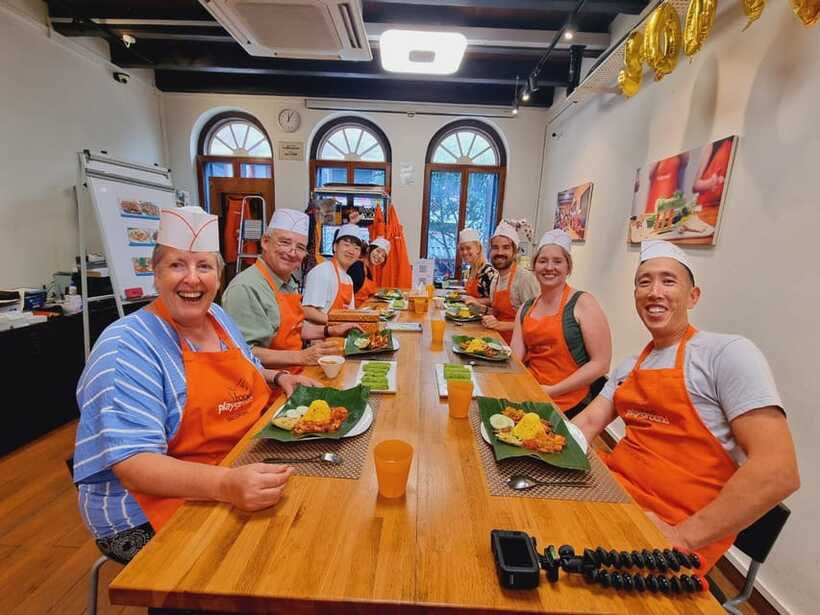
At $94 per person, this is not a bargain meal. You could eat well in Singapore for much less, especially at a hawker center.
The comparison changes when you count what is included. You receive three hours of instruction, all ingredients, use of an equipped workstation, an apron and chef hat, coffee or tea, drinking water, Wi-Fi, and a complete three-course meal. You also leave with recipes and techniques you can try at home.
The price makes the most sense if you want an activity as well as lunch. You are paying for instruction, local context, personal stories, and the chance to cook instead of simply ordering. If you only want to taste Singaporean food at the lowest cost, use the money at hawker stalls instead.
For couples, families with older children, and solo visitors who enjoy meeting people, the shared format adds value. It is less suitable if you dislike group activities or want a quiet private lesson. The available information does not state that the class is private or that group size can be chosen.
Practical details that affect your choice
The class lasts three hours, with starting times available when you check the date. It is conducted in English.
Wear something comfortable for kitchen work. The provided apron protects your clothes, but you should still expect to stand and take part in food preparation for much of the session. The class is not recommended for people with mobility impairments because of the stairs and lack of lift access.
Video recording is not allowed. Plan to stay focused on the cooking and conversation rather than filming the class. The activity includes high-speed Wi-Fi, though that does not change the video rule.
Cancellation is flexible up to 24 hours before the class for a full refund. You can also reserve now and pay later, which helps if your Singapore schedule is still shifting.
Who will enjoy this class most
I would choose this class if you want a practical introduction to Singaporean cooking and culture in one sitting. It suits you especially well if you like learning by doing, asking questions, and eating with people you have just met.
It is also a strong choice for repeat visitors who have already seen the main sights and want a more personal activity. The menu schedule lets you return for a different set of dishes, though you should check the daily lineup each time.
Families and mixed-skill groups can work well here because the instructors provide close help and allow participants to move at their own pace. Couples can treat it as a meal with an activity built in. Solo visitors get an easy way to meet others without having to arrange a group themselves.
I would skip it if you have limited mobility, cannot manage stairs, or want a private class. I would also skip it if your only goal is cheap food. The real value comes from the cooking lesson, stories, and shared meal.
Should you book the Chinatown cooking class?
Yes, if you want to understand Singapore through its food rather than simply photograph it. The strongest parts are the hands-on recipes, personal instructors, fresh ingredients, and the chance to eat a full meal that you prepared yourself.
Choose your date by menu. Friday is appealing for char kway teow and Nyonya popiah, while Monday offers nasi lemak and sambal prawns. Curry fans should look at Tuesday or Saturday, and laksa lovers should choose Wednesday or Sunday.
For $94, this is a full experience rather than a cheap lunch. Book it when you want useful cooking skills, local food context, and a friendly three-hour break in Chinatown. Avoid it only if the stairs are a problem or the scheduled menu does not interest you.
FAQ
How long does the Singapore cooking class last?
The class lasts three hours.
Where does the cooking class meet?
The cooking studio is beside Buddha Tooth Relic Temple and Museum in Chinatown. Look for an orange sign with the local partner’s name near the landmark.
What language is the class taught in?
The class is taught in English.
What food will I cook?
The food depends on the day. Menus include nasi lemak, sambal prawns, kueh dadar, chicken curry, roti jala, ondeh ondeh, laksa, fried spring rolls, hoon kueh, nasi biryani, masala chicken, lentil dhal, char kway teow, Nyonya popiah, and sago gula Melaka.
Can I choose the dishes?
The menu follows a fixed weekly schedule. Check the menu for your chosen day before booking.
Are ingredients and cooking equipment included?
Yes. All ingredients required for the class and fully equipped cooking workstations are included.
Is food and drink included?
Yes. Coffee, tea, drinking water, and the three-course meal you prepare are included.
Is hotel pickup provided?
No. Hotel pickup and drop-off are not included.
Is the class suitable for people with limited mobility?
No. The studio is on level two of a conservation shophouse and has no lift access.
Can I cancel for a refund?
You can cancel up to 24 hours in advance for a full refund. You can also reserve now and pay later.
Recently added around Singapore
- The Real Singapore Heartland Walking Food Tour★ 5.0 · 4 reviews
- Vegetarian Culinary Adventure in Singapore★ 5.0 · 7 reviews
- Singapore’s Marina Bay Wonders and Heritage Tales, Chinatown★ 5.0 · 5 reviews
- Singapore’s Hidden Treasures: A Cultural Private Tour★ 5.0 · 3 reviews
- Private Tour Singapore Street Food & Night Tour★ 5.0 · 4 reviews
- Tastes of Chinatown★ 5.0 · 4 reviews
- Singapore – Albatross Speedboat Adventures Cruising in Sentosa★ 5.0 · 3 reviews
- Small Group Full Day Singapore City Tour with Roundtrip Transfers★ 4.0 · 11 reviews
Cooking Classes, compared.
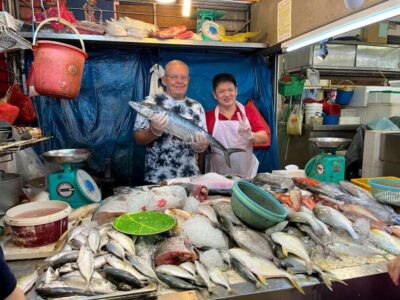
Singapore: Market-to-Table Experience and Cooking Class
Read our review →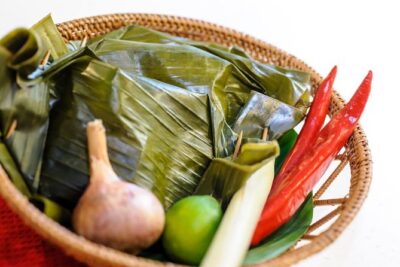
Private Market Visit and Cooking Class With A Professional Chef
Read our review →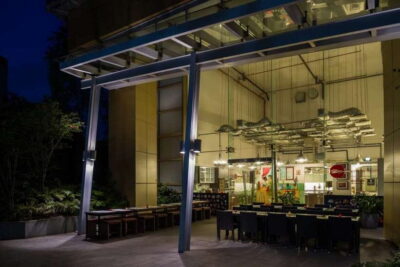
Singaporean Cooking Class With A Professional Chef
Read our review →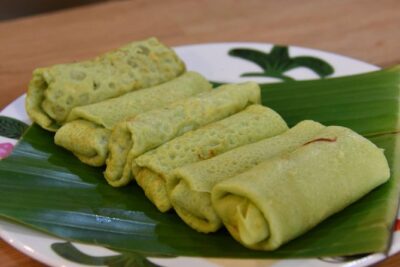
Peranakan Cooking Class in Singapore, near Lavender MRT Station
Read our review →Browse the lists this tour appears in