
Reviewed · COOKING CLASSES
Singapore: Market-to-Table Experience and Cooking Class
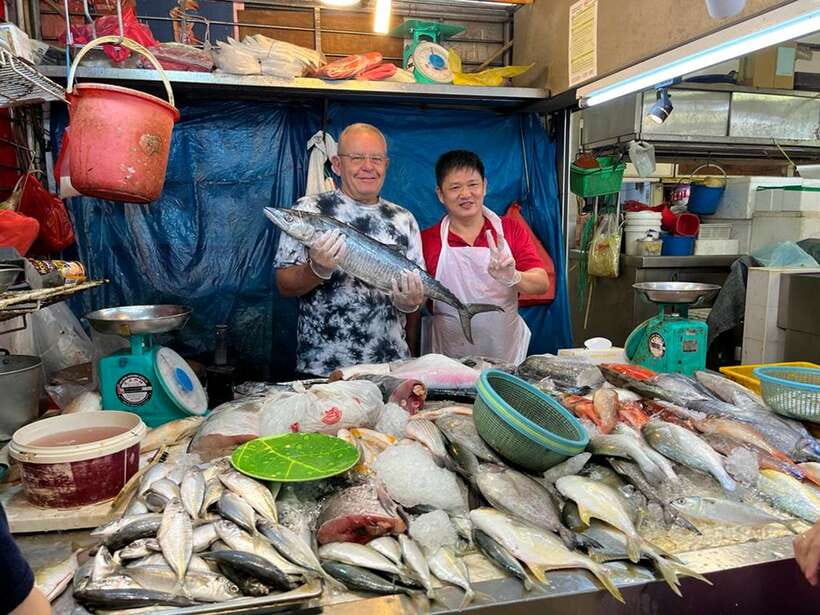
Singapore’s food culture makes the best part of this experience clear: you start where locals shop, then use those ingredients in a working kitchen. The wet-market visit gives you more than a quick look at produce. Your guide explains local goods, food customs, and the mix of Chinese, Malay, and other influences behind Singaporean cooking.
I especially like the market-to-kitchen connection and the chance to learn from guide-chefs such as Denise, Colin, Vivian, or Angel, depending on your session. The small-group feel can make the cooking relaxed and personal. The one thing to weigh is timing: some people may prefer a little less market time and more time at the stove.
Key points at a glance
- Wet-market visit: See where everyday ingredients are bought and learn how local food fits into Singaporean life.
- Coffee-shop breakfast: Stop for an iconic local breakfast before returning to the cooking studio.
- Two rotating menus: Tuesday, Thursday, and Saturday feature Hokkien mee, vegetarian spring rolls, and ondeh ondeh. Wednesday, Friday, and Sunday feature chicken rice, ngoh hiang, and kueh dadar.
- Three hands-on dishes: You prepare food from scratch, with ingredients and cooking equipment supplied.
- Warm guide-chefs: Denise, Colin, Vivian, Angel, and other trained hosts have led sessions noted for clear instruction and good humor.
- Practical booking: The activity costs $109 per person, lasts about three hours, accepts English and Chinese speakers, and allows cancellation up to 24 hours ahead for a full refund.
Why the Market Comes Before the Cooking
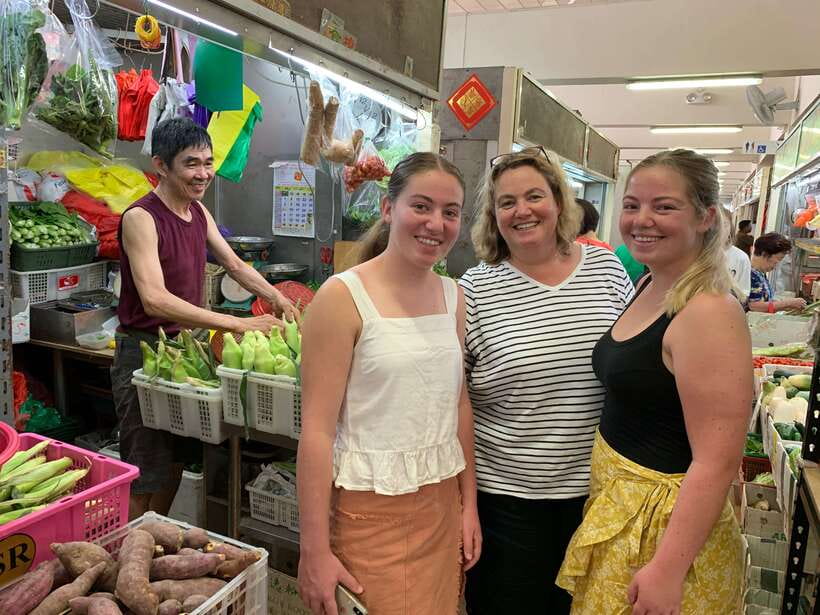
A cooking class can sometimes feel sealed off from the place it is meant to represent. This one starts outside the studio, at a local wet market, which gives the food a useful setting.
Your licensed guide and chef walk you through the market and explain local ingredients, goods, and daily life. You are not simply handed a recipe card and told to follow instructions. You get some context first, so ingredients such as pandan, palm sugar, noodles, herbs, and spices have a place in Singapore’s food culture.
The market is also a chance to see a part of Singapore that many sightseeing schedules skip. One stop on the itinerary is a neighborhood coffee shop, where you enjoy an iconic local breakfast before returning to the kitchen. That short food stop helps connect the market to the finished meal.
I would give the market your full attention, but keep your expectations realistic. This is a guided introduction, not an extended shopping expedition. One participant felt the market portion could have been shorter to allow more cooking time. If you are mainly here to cook, that is a fair concern. If you like local daily life and food stories, the extra market time will likely feel worthwhile.
More cooking classes in Singapore:
- Experience Singapore: Cultural Cooking Class
★ 5.0 · 1,514 reviews - Singapore: Hands-on Cooking Class with Cultural Immersion
★ 4.9 · 107 reviews - Private Market Visit and Cooking Class With A Professional Chef
★ 4.5 · 10 reviews
The Singapore Food Story Is Part of the Lesson
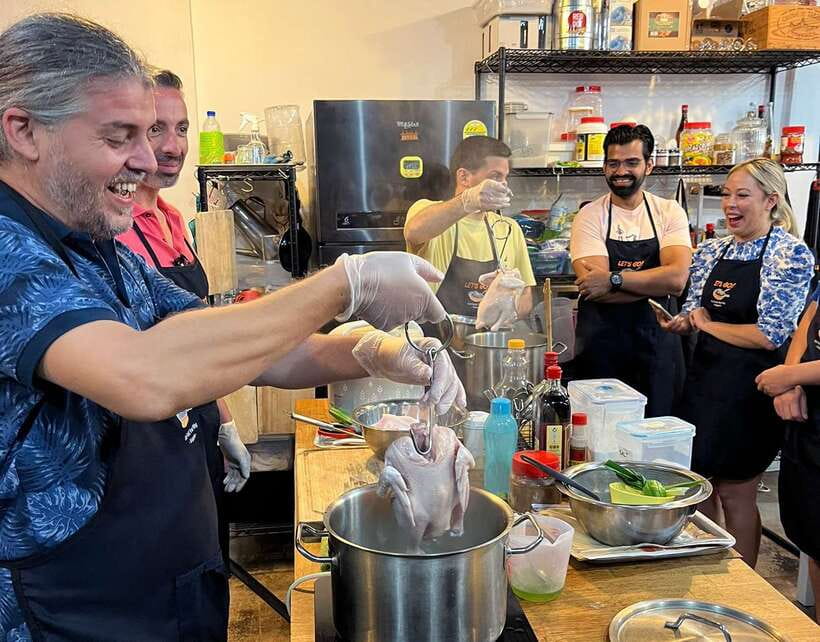
Singaporean food reflects the country’s mixed cultural roots, and the guides use the meal to explain those connections. You learn about local cooking while also hearing stories about the people and traditions behind it.
The experience is led by trained chefs who also work as licensed tour guides. That combination matters. A chef can show you how to handle the food, while a guide can explain why a dish belongs on a Singaporean table.
Past sessions have included Denise, Colin, Vivian, and Angel. Their roles are not limited to demonstrating recipes. Colin has been noted for taking photos while participants cook, Vivian for explaining the neighborhood and local culture, and Angel for making the instructions easy to follow. You should not assume a particular guide will lead your date, but these names give you a sense of the host-led style.
The instruction is available in English and Chinese. That makes this a practical choice for international visitors, families, and mixed-language groups.
Choosing Between Menu A and Menu B
The cooking menu changes by day, so check the date before booking. This is one of the most important details for anyone choosing the activity around a favorite dish.
Menu A runs on Tuesday, Thursday, and Saturday:
- Hokkien mee, also called Singapore noodles
- Vegetarian spring roll
- Ondeх ondeh
Menu B runs on Wednesday, Friday, and Sunday:
- Traditional chicken rice
- Ngoh hiang
- Kueh dadar
The supplied menu uses the spelling ondeh ondeh, a sweet treat associated with pandan and palm sugar. Kueh dadar is a pandan crepe rolled around palm-sugar-sweetened grated coconut. These desserts give the class a nice finish because they introduce flavors and textures that may be less familiar than noodles or chicken rice.
Ngoh hiang is a five-spice minced-meat roll, while chicken rice offers a lesson in one of Singapore’s most recognized comfort foods. Hokkien mee provides a different direction, with noodles as the main focus. The vegetarian spring roll also means Menu A includes a meat-free dish.
The menu rotation is a strength if you are flexible. It is a limitation if you want one particular dish and your travel dates do not match. The activity description refers to laksa and other local favorites, but the specific day-by-day menus listed for booking are the clearest guide to what you should expect. Check the current selection before paying.
What the Cooking Session Feels Like
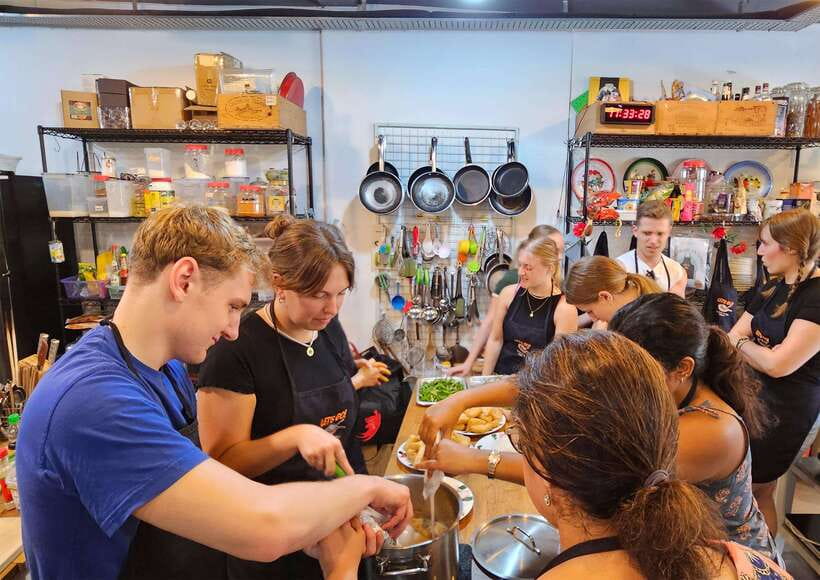
Back at the studio, you receive the ingredients and equipment needed for the class. The work is hands-on, not just a demonstration watched from the side.
You should expect to prepare three dishes and then sit down to eat what you have made. The cooking portion can take a little over two hours, with the meal bringing the total close to three hours or, depending on the pace, around three and a half.
That time frame is useful to understand. This is not a quick one-hour recipe lesson. You have time to chop, mix, shape, cook, and ask questions. You also have time to make mistakes without the whole class feeling rushed.
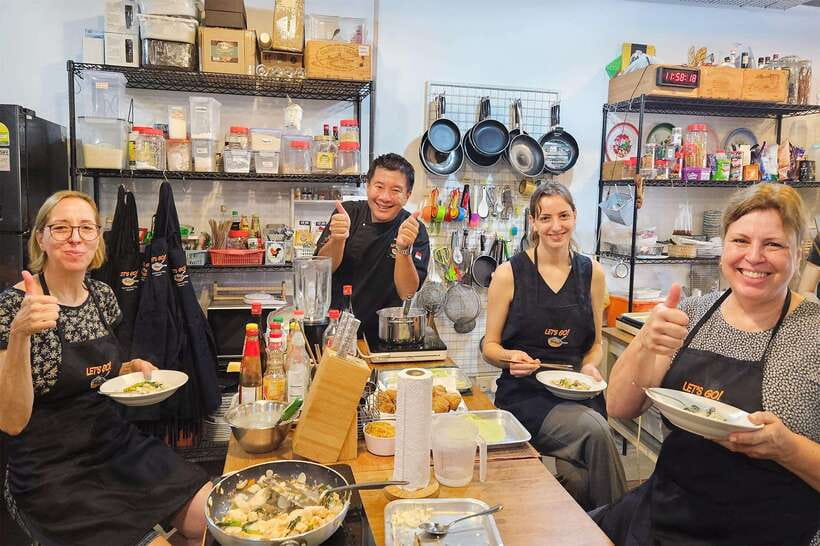
The group size may be small. One session had only three participants, which created an easy, relaxed atmosphere. Group size can vary, but the format is suited to conversation and direct help rather than a large demonstration with dozens of people.
The hosts also add a social touch. Photos may be taken while you work, and the atmosphere is meant to be friendly and informal. The supplied information describes the class as suitable for all ages, so you do not need professional kitchen skills to take part.
More market visits in Singapore:
- Singapore Market to Table Culinary Experience (Wet Market Tour included)
★ 5.0 · 479 reviews - Singapore: Chinatown Hawker Market Food Tour with 7 Food Tastings
★ 5.0 · 213 reviews - Singapore Chinatown Market Private Food Tour with 7 Food Tastings
★ 5.0 · 19 reviews - Learn to cook authentic Peranakan food with local market tour
★ 3.5 · 3 reviews
The Food You Actually Take Away
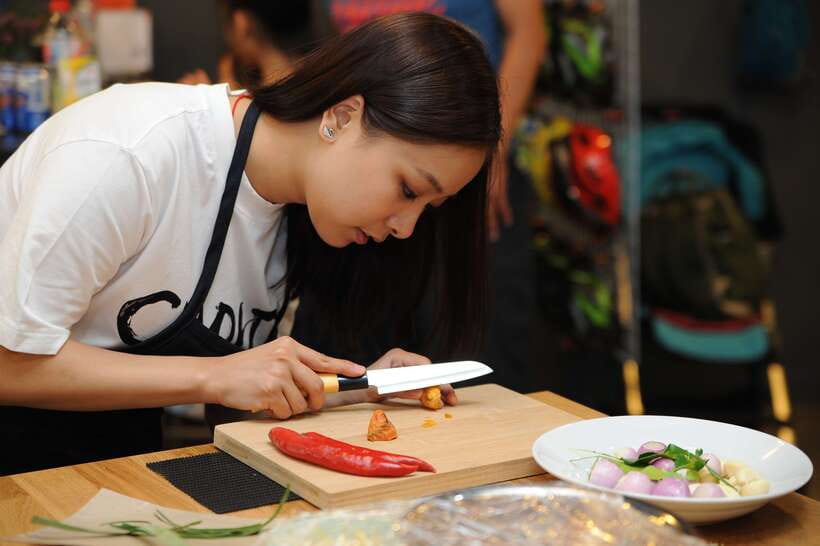
The main souvenir here is not a packaged product. It is a better understanding of how Singaporean dishes are put together.
With Menu B, you learn traditional chicken rice, ngoh hiang, and kueh dadar. That is a useful range: a complete savory meal, a spiced meat roll, and a sweet pandan dessert. With Menu A, you work with noodles, a vegetarian starter, and ondeh ondeh.
The class is especially useful if you enjoy food but do not normally cook Asian dishes at home. You can ask about the ingredients and techniques while preparing them, rather than trying to work out the process later from memory.
The food is also lunch. Bottled water is included, and all cooking ingredients and equipment are supplied. Personal expenses beyond the included elements are not covered, so you should not treat the price as an all-day food package.
Is $109 a Fair Price?
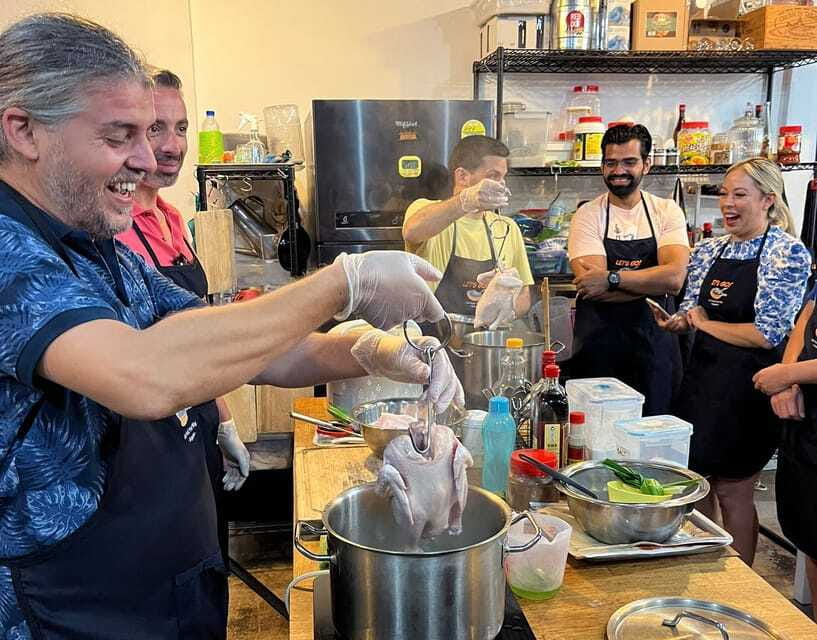
At $109 per person, this is not the cheapest way to eat in Singapore. You could find individual hawker dishes for far less. The value comes from combining several services in one morning or afternoon: a guided market visit, local cultural explanation, coffee-shop breakfast, chef-led instruction, ingredients, equipment, and the meal you prepare.
I would consider the price reasonable if you want more than a recipe demonstration. You are paying for access to a local food setting, a licensed guide, a trained chef, and a structured class. You also avoid the work of sourcing unfamiliar ingredients and arranging a kitchen space.
The value is weaker if you only want to sample Singaporean food. A market tour and cooking class may feel like too much structure when your main goal is eating. It is also less attractive if you are determined to cook one exact dish and your schedule does not match the menu rotation.
The best comparison is with other food activities, not with a cheap lunch. For someone who wants a practical connection to Singaporean cuisine, $109 covers a full experience rather than a single plate.
Timing, Meeting Point, and Practical Details
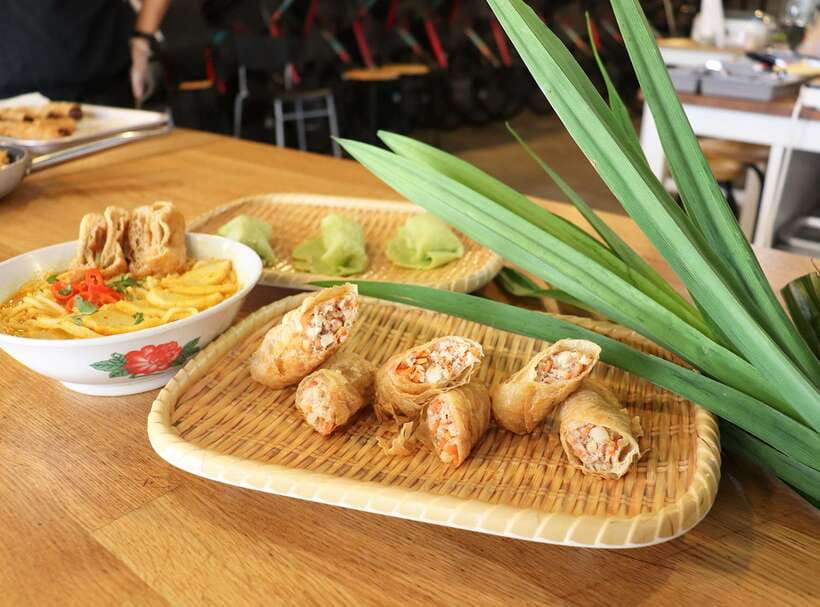
Meet at the Lets Go Tour Singapore sign at the junction of Northern Bridge Road and Jalan Sultan Road. Look for the sign rather than relying only on a street address.
The stated duration is three hours. Since the class ends with eating, allow a little flexibility if you have another booking immediately afterward. A session may finish in about three hours, but the cooking and meal can run closer to three and a half.
The activity operates rain or shine. The market portion is therefore not something to count on being canceled because of wet weather. Bring suitable clothing for the conditions.
Tell the provider about dietary concerns when you book. The information specifically asks you to add any dietary needs, and one session included consideration of allergies. Still, you should provide clear details in advance rather than wait until the class begins.
The experience is wheelchair accessible, but you must mention your accessibility needs beforehand. Wheelchair rental is not provided.
Cancellation is free up to 24 hours in advance for a full refund. You can also reserve now and pay later, which helps if your Singapore schedule is still shifting.
Who Will Like This Experience Most?
I would choose this for anyone who likes to understand a place through food rather than simply photograph it. The market gives you a look at everyday local life, and the cooking class turns that setting into something you can take home as a skill.
It suits first-time visitors who want a guided introduction to Singaporean food. It also works for returning visitors who have already seen the main sights and want a different neighborhood experience.
Families can find plenty to do here, since the activity is described as suitable for all ages. Couples and small groups may appreciate the relaxed format, while solo participants can expect a social setting with shared cooking and a sit-down meal.
It may not suit you if you dislike markets, have very limited time, or want a class focused on advanced culinary technique. The emphasis is on local food, stories, and a fun practical session, not formal chef training.
Should You Book It?
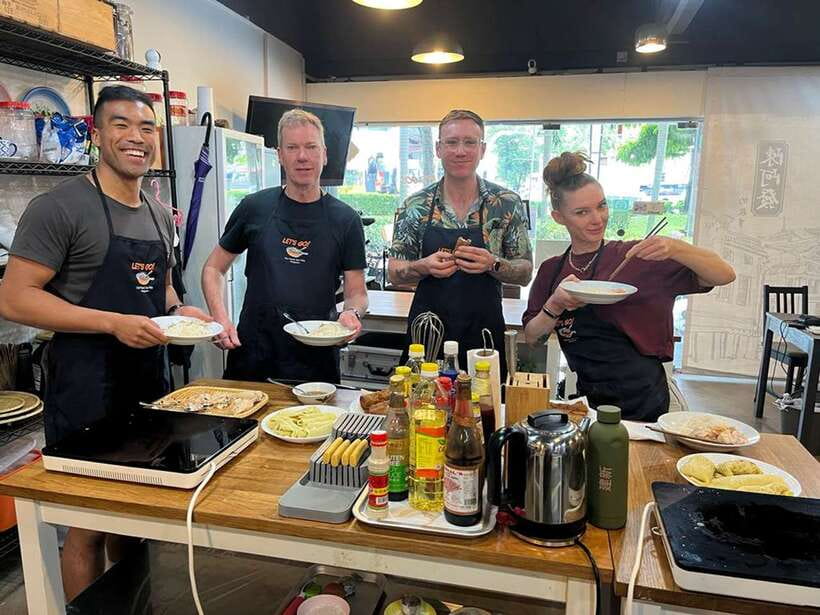
Book this experience if you want to see how Singapore’s food culture connects the market, the neighborhood, and the kitchen. The strongest parts are the local setting, the direct help from guide-chefs, and the chance to prepare three dishes rather than simply watch a demonstration.
Check the menu day first. Choose Tuesday, Thursday, or Saturday for Hokkien mee, vegetarian spring rolls, and ondeh ondeh. Choose Wednesday, Friday, or Sunday for chicken rice, ngoh hiang, and kueh dadar.
At $109, it asks more than a normal meal, but it gives you a guided market visit, breakfast, instruction, ingredients, equipment, and lunch. If that combination sounds useful, this is a thoughtful and well-rounded food activity. If you only want to eat cheaply or focus on one exact dish, spend your money elsewhere.
FAQ
How long does the Singapore market and cooking experience last?
The stated duration is three hours. Cooking and eating may take closer to three and a half hours, so allow some extra time if you have another appointment afterward.
What dishes are included on Menu A?
Menu A runs on Tuesday, Thursday, and Saturday. It includes Hokkien mee, also called Singapore noodles, vegetarian spring roll, and ondeh ondeh.
What dishes are included on Menu B?
Menu B runs on Wednesday, Friday, and Sunday. It includes traditional chicken rice, ngoh hiang, and kueh dadar.
Is breakfast included?
Yes. The experience includes an iconic Singapore breakfast at a local coffee shop during the market and neighborhood portion.
What languages are available?
Instruction and guiding are available in English and Chinese.
Is the activity wheelchair accessible?
Yes, the activity is wheelchair accessible. You must mention your accessibility needs in advance, and wheelchair rental is not provided.
Can I cancel for a full refund?
Yes. You can cancel up to 24 hours in advance for a full refund. Reserve now and pay later is also available.
More Workshops and Classes in Singapore
- Singapore Night Photography Workshop
★ 5.0 · 20 reviews - Singapore Photography Masterclass – Private Photography Lesson
★ 5.0 · 17 reviews - Singapore: Scent Crafting Workshop with Rainforest Orchids
★ 4.4 · 11 reviews - Pau Making Workshop With Dim Sum Tasting and Factory Tour
★ 5.0 · 6 reviews
Recently added around Singapore
- The Real Singapore Heartland Walking Food Tour★ 5.0 · 4 reviews
- Vegetarian Culinary Adventure in Singapore★ 5.0 · 7 reviews
- Singapore’s Marina Bay Wonders and Heritage Tales, Chinatown★ 5.0 · 5 reviews
- Private Tour Singapore Street Food & Night Tour★ 5.0 · 4 reviews
- Singapore’s Hidden Treasures: A Cultural Private Tour★ 5.0 · 3 reviews
- Singapore – Albatross Speedboat Adventures Cruising in Sentosa★ 5.0 · 3 reviews
- Small Group Full Day Singapore City Tour with Roundtrip Transfers★ 4.0 · 11 reviews
- Tastes of Chinatown★ 5.0 · 4 reviews
Cooking Classes, compared.
Singapore: Hands-on Cooking Class with Cultural Immersion
Read our review →
Private Market Visit and Cooking Class With A Professional Chef
Read our review →
Singaporean Cooking Class With A Professional Chef
Read our review →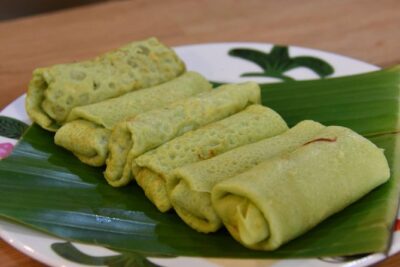
Peranakan Cooking Class in Singapore, near Lavender MRT Station
Read our review →Browse the lists this tour appears in