
Reviewed · KATONG AND PERANAKAN TOURS
Peranakan Cooking Class in Singapore, near Lavender MRT Station
Peranakan food tells a Singapore story one dish at a time. In this private class near Lavender MRT, you learn how Malay and Chinese cooking traditions meet while preparing two or three family-style recipes with Colin, or with Denise and another colleague when he is away.
I like the hands-on format, since you do more than watch a chef work. I also like the small, personal setting, where cooking comes with useful talk about local food and culture. The main catch is menu uncertainty: laksa and other dishes are possible, but you must request a particular recipe when you book.
Key points to know before booking
- Cook in a bicycle shop’s private studio: You pass through the front bicycle area before reaching a bright kitchen with pastel pots and a colorful mural.
- Expect two or three dishes: Possible recipes include ngoh hiang, Hainanese chicken rice, Nyonya kueh dadar, Hokkien noodles, and Nyonya laksa.
- Request your favorite dish early: The menu changes with seasonal ingredients, and your host chooses the menu unless you make a request in advance.
- Colin may not host every class: Colin leads the experience when available, but Denise or another equally enthusiastic colleague may take over.
- Plan for about three hours: The hands-on cooking portion is described as about 1.5 hours, followed by eating with your host.
- The price buys a private experience: At $128 per person, the value depends on how much you want personal instruction and cultural conversation rather than a low-cost group meal.
A Singapore food lesson with a personal story
Peranakan cooking grew from the meeting of Chinese and Malay food traditions, and that blend gives the class its focus. You are not simply making generic Singaporean dishes. You are learning how ingredients, techniques, and family recipes reflect a culture that helped shape the city’s food.
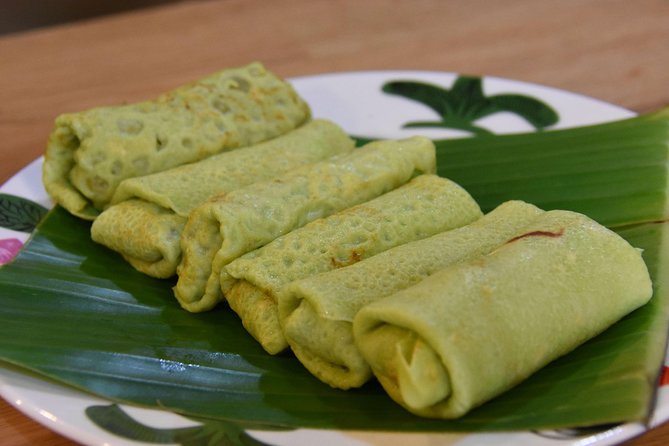
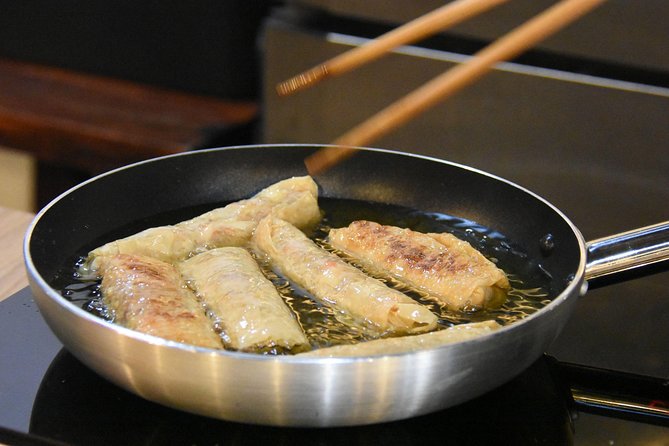
That cultural thread matters because the recipes can otherwise seem like a list of unfamiliar names. Ngoh hiang, for example, uses minced meat and vegetables wrapped in bean curd. Nyonya kueh dadar combines a pandan-flavored crepe with freshly grated coconut. The food becomes easier to understand when your host explains where it fits in local life.
Colin is the main host when his schedule allows. He has worked in airlines, restaurants, and hotels, and he brings that professional background to a home-style lesson. His approach also includes stories about Singapore and the background of the food, so you get more than cooking instructions.
If Colin is unavailable, a colleague hosts the lesson. Denise is specifically named as an equally passionate alternative, but the menu and teaching style may vary. This is the most important detail to understand before paying: book the experience for the format and subject, not as a guarantee that Colin will be at the stove.
More Katong and Peranakan days:
- Singapore Food & Bike Tour – Katong
★ 5.0 · 289 reviews - Eat Snap Katong Walking Food Tour
★ 5.0 · 174 reviews - Katong Evening Food Tour
★ 4.5 · 41 reviews
Finding the studio near Lavender MRT
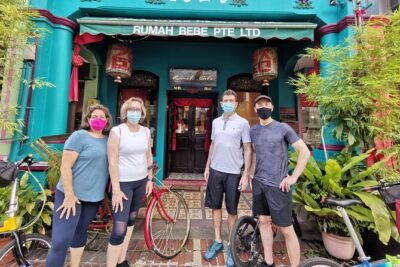
The meeting point is on Crawford Lane, with the class beginning at 10:00 in the morning. The cooking studio sits inside a bicycle tour shop, so do not expect a separate restaurant entrance or a grand culinary school sign.
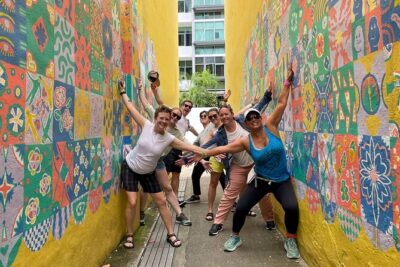
You first pass through the bicycles, then enter a well-lit, organized kitchen. Pastel pots and a mural give the room a cheerful look without making it feel formal. That setting helps the class feel personal and practical. You are in a working studio, not a demonstration theater built for a large crowd.
The location near Lavender MRT makes this a useful morning plan if you are staying in central Singapore. No hotel pickup or drop-off is included, so you need to make your own way to Crawford Lane. The activity ends at the same meeting point.
Allow more than the stated cooking time for the full appointment. The total experience lasts about three hours, while the hands-on lesson itself is described as roughly 1.5 hours. The remaining time includes the meal and conversation with your host, though the exact pacing can depend on the menu and the group.
What happens once cooking begins
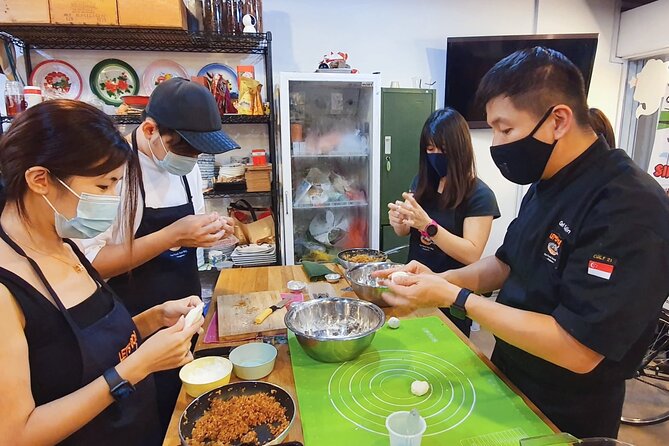
Your host demonstrates some steps first, then gives you the chance to handle the work yourself. That order is helpful for dishes that use unfamiliar ingredients or techniques. You can watch the method once, then try it while the instructions are still fresh.
The class prepares two or three dishes. The exact selection is not fixed, which gives the host room to use seasonal ingredients. It also means you should not arrive expecting one guaranteed menu unless you requested it during booking.
A possible class could include ngoh hiang, Hainanese chicken rice, and Nyonya kueh dadar. Another menu might feature Hokkien noodles or Nyonya laksa. The supplied examples cover several parts of Singapore’s food culture, from a savory wrapped snack to a full noodle dish and a sweet pandan dessert.
Hands-on cooking is the strongest reason to choose this experience over a standard food tour. You get to practice the steps instead of simply hearing how the dish is made. You also have a chance to ask questions as you go, which is especially useful when a recipe depends on texture, wrapping, mixing, or timing.
The format is private, so only your group participates. That can make it easier to ask for help, request a slower explanation, or talk about the food without competing with a large class. It is also a good setup for couples, families, or a small group that wants a shared activity.
From ngoh hiang to Nyonya kueh dadar
The sample dishes show why the menu request matters.
Ngoh hiang offers a lesson in texture and preparation. The filling combines minced meat and vegetables, then gets wrapped in bean curd. You might find this especially appealing if you enjoy learning how a snack is assembled, rather than only cooking something in a pan.
Hainanese chicken rice is another possible choice. It is closely associated with Singapore, but the class presents it as part of a wider local food story. The dish can give you a useful introduction to how a few carefully handled components come together in a familiar national favorite.
Nyonya kueh dadar adds a sweet finish. The pandan-flavored crepe and freshly grated coconut show the dessert side of Peranakan cooking. This is a good reminder that the cuisine is not only about spicy noodles and savory dishes.
Nyonya laksa may be available, but it is not guaranteed. If laksa is the main reason you want to take the class, put that request in the booking form. The same advice applies to any other specific dish. Without a request, your host selects the menu according to available seasonal ingredients.
That flexibility is sensible for a small cooking studio, but it can disappoint anyone who has booked around one particular recipe. The provider has made the menu options clear, so the practical solution is simple: decide what matters most before you reserve.
More cooking classes in Singapore:
- Experience Singapore: Cultural Cooking Class
★ 5.0 · 1,514 reviews - Singapore: Hands-on Cooking Class with Cultural Immersion
★ 4.9 · 107 reviews - Singapore: Market-to-Table Experience and Cooking Class
★ 5.0 · 17 reviews - Private Market Visit and Cooking Class With A Professional Chef
★ 4.5 · 10 reviews
The food talk is part of the value
The class is not only about taking a recipe home. Colin uses the cooking time to discuss Singapore’s local history and the culture behind the food. That conversation gives the dishes a place in the city’s story.
I especially like this feature because Peranakan cooking can seem complicated at first glance. The Malay-Chinese connection, the dish names, and the family-recipe approach all make more sense when a local host explains them while you cook.
The personal setting also lets the food talk move naturally. You may be discussing an ingredient one minute and local customs the next. The experience is not presented as a formal lecture, and that makes it easier to connect the cooking with everyday life.
Past participants have described Colin as warm, fun, and helpful, with useful cooking tips along the way. That praise matches the design of the class: the host demonstrates, you try the method, and the finished food becomes the basis for lunch and conversation.
Still, you should keep expectations realistic. The information provided does not promise that every class follows the same menu or that Colin personally leads every session. The strongest guarantee is the private cooking format with a local host.
Lunch at the end of the lesson
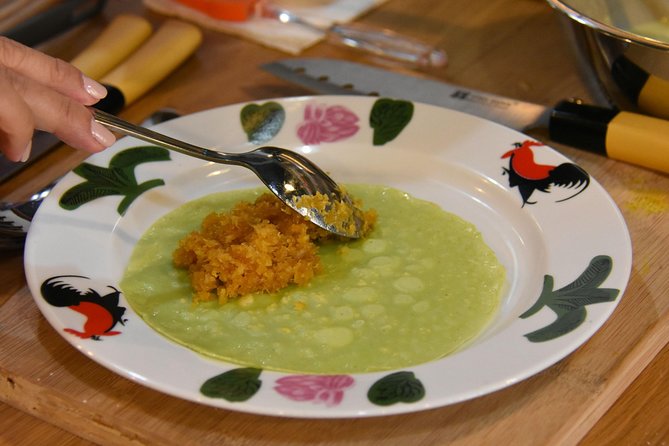
After the cooking, you eat the dishes with your host. This meal is more than a convenient finish. It gives you a chance to taste the results together and ask questions that come to mind after the cooking is done.
For many people, this shared meal will be the most relaxed part of the appointment. You have already worked with the ingredients, so the finished food has a clear connection to what you just learned. You can also talk about the local history and food culture raised during the class.
The meal is included as part of the experience, along with the private lesson and gratuities. Hotel transportation is not included. Since the class begins at 10:00, it works as a late-morning activity that leads into lunch.
The total price is $128 per person. That is not a bargain if you are comparing it with a casual Singapore meal or a large group cooking workshop. It becomes more reasonable if you value private instruction, two or three dishes, a shared meal, and direct cultural conversation with a local chef.
I would judge the price by your goal. If you mainly want to eat laksa cheaply, spend your money elsewhere. If you want to learn the preparation and leave with a better sense of how Peranakan food fits Singapore, the private setting gives the cost a clearer purpose.
Who will get the most from this class
This experience suits you if you enjoy food but also want context. The cooking itself is active, yet the cultural conversation is just as important. You should be comfortable with a flexible menu and ready to take part rather than sit back for a demonstration.
It also suits couples and small private groups. Only your group joins the activity, so the pace and conversation should feel more personal than a crowded class. Families may appreciate the chance to prepare several dishes together, though the supplied information does not give a minimum age or specific child policy.
Vegetarians and people following a gluten-free diet can request suitable options in advance. Do not wait until arrival. Put the request in the booking form so the host can plan the menu.
This is less suitable if you need a guaranteed chef, a fixed recipe, or a very short appointment. Colin may be away, the menu may change, and the full activity takes about three hours. The experience rewards flexibility.
The activity has mobile ticketing, and confirmation is sent within 48 hours of booking, subject to availability. Service animals are allowed. The experience is non-refundable and cannot be changed for any reason, so check your plans carefully before booking.
Should you book this Peranakan cooking class?
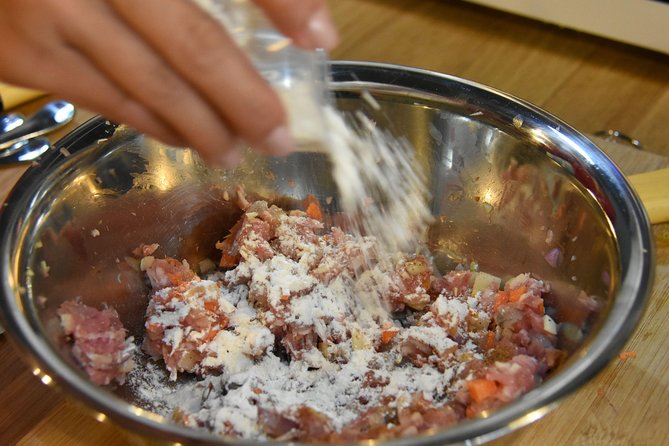
I would book this class if you want to understand Singapore through food and prefer active instruction to a restaurant meal. The private studio, hands-on method, and meal with your host give you several hours of useful contact with Peranakan cooking.
Book with two conditions in mind. First, request a specific dish, such as Nyonya laksa, when you reserve. Second, accept that Colin may be replaced by Denise or another colleague. If those points suit you, the class offers a friendly introduction to a food culture that is difficult to grasp from a menu alone.
FAQ
Where does the Peranakan cooking class take place?
The class takes place on Crawford Lane in Singapore, near Lavender MRT Station. The studio is located inside a bicycle tour shop.
What time does the class begin?
The listed start time is 10:00 am.
How long does the experience last?
The full activity lasts approximately three hours. The hands-on cooking portion is described as about 1.5 hours, followed by eating with your host.
Who teaches the class?
Colin teaches when he is available. When he is not available, Denise or another colleague hosts the lesson.
Which dishes might I prepare?
Possible dishes include ngoh hiang, Hainanese chicken rice, Nyonya kueh dadar, Hokkien noodles, and Nyonya laksa. The menu may change with seasonal ingredients.
Can I request a particular dish?
Yes. Add your request to the booking form in advance. If you do not request a specific dish, your host chooses the menu.
Are vegetarian and gluten-free options available?
Vegetarian and gluten-free options are available on request. You should state your dietary needs while booking.
Is transportation or a meal included?
Hotel pickup and drop-off are not included. You prepare two or three dishes and eat them with your host, and gratuities are included.
More Workshops and Classes in Singapore
- Singapore Night Photography Workshop
★ 5.0 · 20 reviews - Singapore Photography Masterclass – Private Photography Lesson
★ 5.0 · 17 reviews - Singapore: Scent Crafting Workshop with Rainforest Orchids
★ 4.4 · 11 reviews - Pau Making Workshop With Dim Sum Tasting and Factory Tour
★ 5.0 · 6 reviews
Recently added around Singapore
- The Real Singapore Heartland Walking Food Tour★ 5.0 · 4 reviews
- Vegetarian Culinary Adventure in Singapore★ 5.0 · 7 reviews
- Singapore’s Marina Bay Wonders and Heritage Tales, Chinatown★ 5.0 · 5 reviews
- Singapore’s Hidden Treasures: A Cultural Private Tour★ 5.0 · 3 reviews
- Private Tour Singapore Street Food & Night Tour★ 5.0 · 4 reviews
- Singapore – Albatross Speedboat Adventures Cruising in Sentosa★ 5.0 · 3 reviews
- Small Group Full Day Singapore City Tour with Roundtrip Transfers★ 4.0 · 11 reviews
- Tastes of Chinatown★ 5.0 · 4 reviews
Katong and Peranakan Tours, compared.
Singapore: Katong Local Food and City Highlights Tour
Read our review →
Best Ever Katong Food Tour with Local Foodie – PRIVATE TOUR
Read our review →
Singapore: Peranakan Culture, Cuisine & Hidden Treasures
Read our review →Browse the lists this tour appears in