
Reviewed · SINGAPORE CHINATOWN TOURS
Singapore: Chinatown Hawker Market Food Tour with 7 Food Tastings
Singapore’s food culture makes the most sense when you see the neighborhood behind the plate. This Chinatown walk pairs seven named tastings plus a secret dish with old shophouses, Hindu and Buddhist temples, and one of the city’s major hawker centres. Guides such as Kent, Edwin, Natalie, Jag, and Ronnie are praised for making the history easy to follow and the unfamiliar dishes less intimidating.
I like two things right away: the small maximum group of 12, which leaves room for questions, and the broad menu, which moves from kaya toast and chicken rice to chwee kueh, chendol, and local beer. The main caution is value. At $146 per person, you are paying for guiding and cultural context as much as for the food, and one person may still want a snack afterward while another may struggle to finish everything.
Key points at a glance
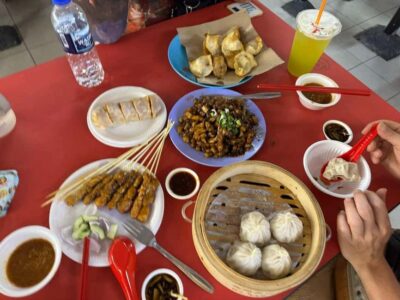
- A full Chinatown sampler: Try bak kwa, kaya toast, popiah or oyster cake, chicken rice, prata or thosai, chendol, chwee kueh, and a secret dish.
- More than a meal: The route includes restored shophouses, Sri Mariamman Temple, Buddha Tooth Relic Temple, Chinatown’s major food centre, and cultural stops.
- Small-group format: The group is capped at 12, with a private option also available.
- Strong guide element: Guides including Natalie, Edwin, Kent, Jag, Ronnie, Paul, and Winston are known for clear explanations of food, religion, architecture, and Singaporean life.
- Come ready to walk and eat: The tour lasts about three hours, includes bottled water and local beer, and recommends comfortable shoes.
- Good first-day choice: It can help you learn what to order for the rest of your time in Singapore, especially if hawker food is new to you.
Why Chinatown is the right place to start
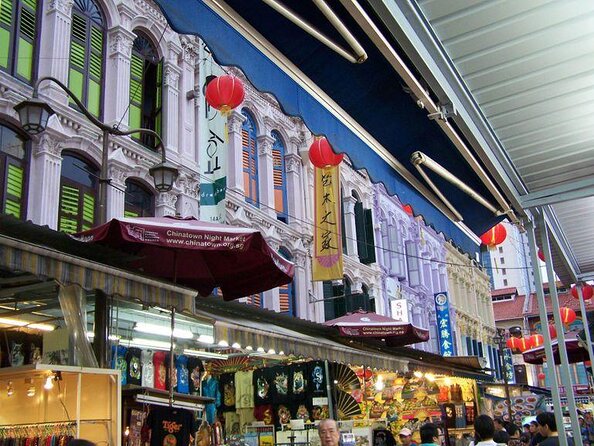
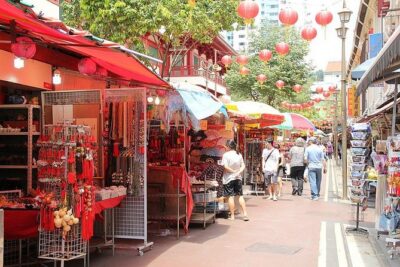
Chinatown gives this food tour a useful setting. You are not simply carried from restaurant to restaurant. You walk through a district shaped by migration, trade, religion, and small food businesses, with the guide explaining how those threads meet on the plate.
The route begins at Bee Cheng Hiang on Pagoda Street, a practical meeting point in the heart of Chinatown. The tour then works through a mix of narrow streets, temples, shophouses, and food halls. That matters because Singaporean cuisine is not one single tradition. Chinese, Malay, Indian, and other influences appear in the same neighborhood and sometimes on the same table.
The cultural stops also keep the tour from becoming a rapid series of bites. You may spend time looking at old furnishings in restored shophouses, studying the ornamented entrance to Sri Mariamman Temple, or pausing at the Buddha Tooth Relic Temple. The food gives you a reason to walk, while the walk explains why the food looks and tastes as it does.
This balance is also the tour’s defining trade-off. If you want three hours of nonstop eating, parts of the route may feel like a cultural tour with food breaks. If you want an introduction to Chinatown that helps you eat better later, the mix makes good sense.
More Chinatown walks and food stops:
- Chinatown, Little India, Kampong Gelam City Highlights Tour
★ 5.0 · 224 reviews - Singapore: Chinatown and Little India Guided Walking Tour
★ 4.8 · 190 reviews - Singapore: Chinatown Historic Walking Tour with Lunch
★ 5.0 · 134 reviews
The first tastes: bak kwa, coffee, and kaya toast
One early stop features bak kwa, a smoky, tender barbecued meat delicacy. It is sweet, savory, and substantial, with a texture very different from the light toast and coffee that follow. This is a useful introduction to Singaporean snack culture because bak kwa is often associated with festive eating and gift buying, while still being easy to sample during an ordinary walk.
The coffee and kaya toast stop offers a gentler start. You get fragrant Nanyang coffee with kaya and butter on toast. Kaya is a sweet coconut and egg spread, and the butter adds richness. The combination is simple, but it tells you a lot about the local breakfast table: strong coffee, crisp toast, and a sweet spread rather than a heavy cooked meal.
I would pay attention here instead of treating breakfast as filler. Your guide can explain how the food fits into daily life, and you can compare the textures before the more filling dishes arrive. One practical point: do not eat a large breakfast before meeting the group. The menu builds steadily.
Street snacks with room for surprises
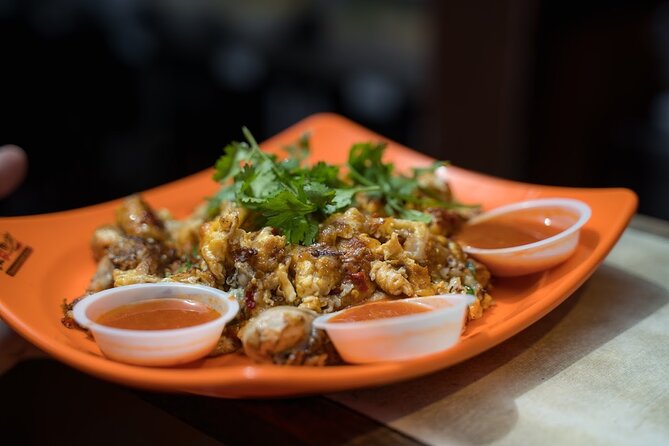
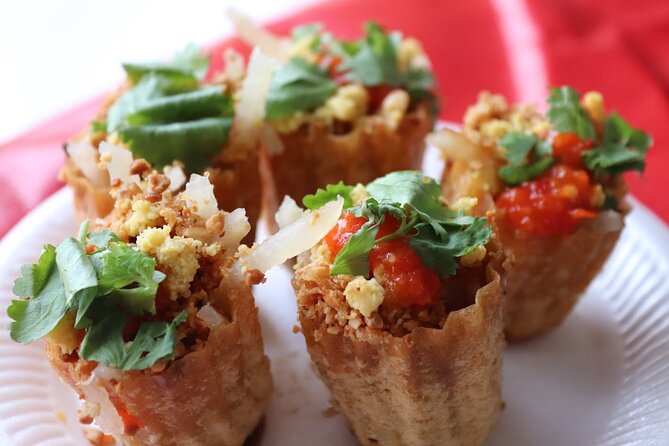
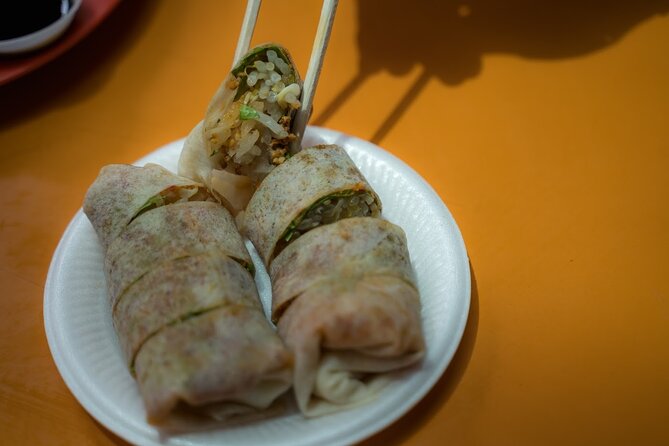
The next portion may include crispy popiah or a golden oyster cake snack. Popiah is a soft fresh spring roll, while oyster cake offers a crispier, more savory bite. The exact choice depends on availability, and that uncertainty is worth accepting. Hawker food is made in working kitchens, not a fixed tasting laboratory, so the menu can change with weather, location availability, and other conditions.
The secret dish adds another small element of surprise. The exact item is not identified in advance, which keeps the tour from becoming a checklist you can duplicate without the guide. The useful question is not only Do I like this? but also Why is this eaten here, and what should I order next time?
Some guides tailor the experience when they can. Paul, for example, is noted for adjusting the menu to personal tastes and adding foods outside the planned list. You should still contact the provider before the tour with dietary requirements. Do not wait until the group is already eating, since the team needs advance notice to make the best arrangements.
Chicken rice, the essential Singapore stop
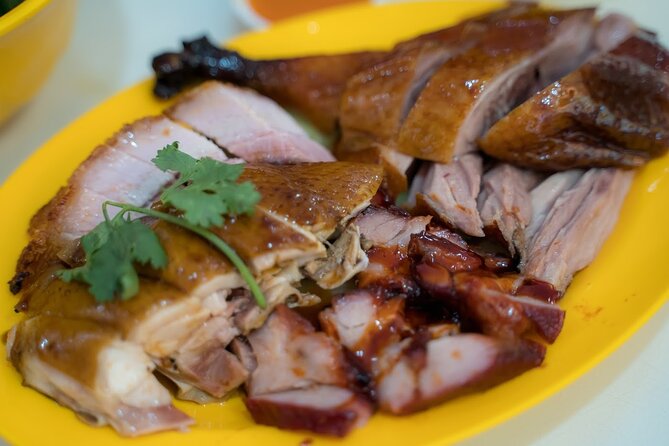
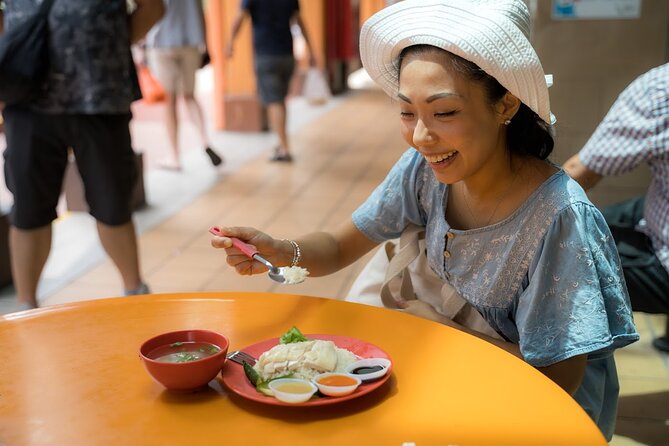
Hainanese chicken rice is the central savory tasting. It is one of Singapore’s best-known dishes, and the tour uses it to show how a seemingly modest plate can become a national favorite. Tender chicken, fragrant rice, sauces, and condiments make this more than plain boiled meat with rice.
This is also where portions become important. The tour is designed as a series of tastings, but several participants found the food plentiful enough to make a full lunch. Others felt they were still hungry at the end. Your appetite, the day’s exact portions, and the menu substitutions will shape the result.
My advice is simple: arrive hungry, but do not assume every stop will be a tiny sample. Pace yourself. Chicken rice is filling, and you still have Indian-influenced dishes and dessert ahead. Bottled water is included, which is helpful in Singapore’s heat and during the walking sections.
More hawker centre crawls:
- Small Group: Michelin and Local Hawker Food Tour with 9 tastings
★ 5.0 · 1,890 reviews - Small Group: Singapore Street Food & Night Tour with 9 tastings
★ 5.0 · 1,240 reviews - Singapore: UNESCO Street Food & Cultural Experience
★ 5.0 · 524 reviews - Small-Group Food Tour With Hawker Center: Eat Like A Local
★ 5.0 · 420 reviews
Indian flavors on the griddle
The menu also includes fluffy prata or thosai served fresh from the griddle. These dishes broaden the tour beyond Chinatown’s Chinese food traditions and show the connections among Singapore’s communities.
Prata is a flaky, layered flatbread, while thosai is a lighter fermented crepe. The guide can help you understand the difference and explain how each is normally eaten. This stop is especially useful if you have seen these dishes on menus but never felt sure what to order.
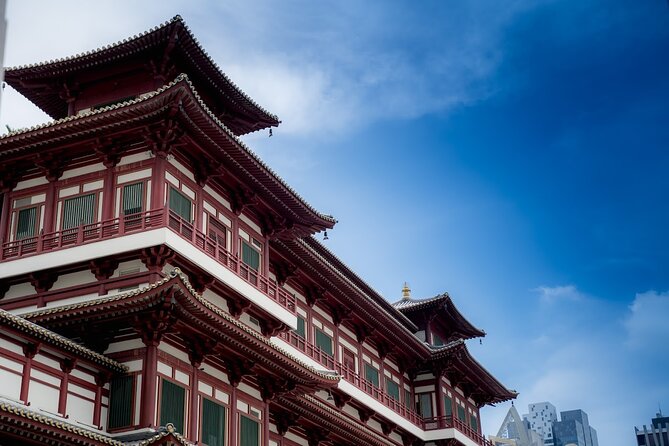
A route with several religious buildings makes this tasting feel less random. Sri Mariamman Temple, built in 1827, is Singapore’s oldest Hindu temple and is known for its densely ornamented tower. The Buddha Tooth Relic Temple follows a different religious and architectural tradition, with ornate rooms and a rooftop garden. Together, these places give the food a cultural setting without requiring you to plan a separate temple visit.
Dress and behavior should be respectful at religious sites. The supplied details do not specify a dress code or entry procedure, so follow your guide’s instructions and expect the route to change if a stop is unavailable.
Chwee kueh and chendol finish the meal
Near the end, traditional chwee kueh brings another texture into the meal. These small steamed rice cakes are topped with savory preserved radish. They are soft, mildly flavored, and easy to overlook if you are choosing only familiar dishes. That is precisely why a guide helps. You get to try a local favorite without ordering a full plate on guesswork.
Chendol provides the sweet finish. It combines coconut, shaved ice, green jelly noodles, and gula melaka, a dark palm sugar with a deep caramel flavor. After several savory tastings, the cool dessert gives the walk a needed change of pace.
Some routes may include durian as a final surprise. It is not listed among the standard included tastings, so you should not book the tour expecting it, but you might encounter it if the guide and schedule allow. If you have strong feelings about durian, mention them when discussing dietary needs or preferences.
The cultural route between the plates
The restored shophouses are one of the route’s more useful visual stops. They show how early Chinatown settlers lived, with furnishings and artifacts that make the district feel like a place where people worked and lived rather than a decorated backdrop.
Chinatown’s small Ann Siang Hill and the one-way road named for businessman Chia Ann Siang add another layer. The area has a different feel from the food centre, and walking between these settings lets you see how old residential and commercial spaces now sit alongside cafés, shops, and visitor sights.
The itinerary also lists the Red Dot Design Museum along Marina Bay’s Waterfront Promenade. Because the tour begins and ends in Chinatown and lasts about three hours, you should confirm with the guide how this stop fits the day’s route. It may be included in a changing itinerary rather than treated as a long museum visit. Either way, do not plan transport connections immediately after the tour.
What the guides add to the experience
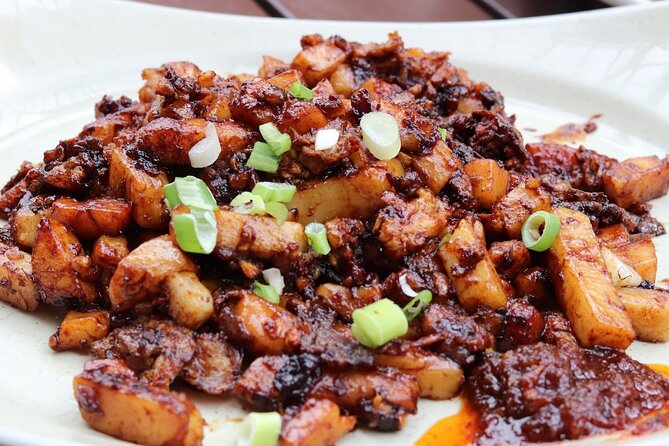
The guide is the strongest reason to choose this tour instead of simply visiting Chinatown on your own. You can find chicken rice, toast, and chendol without paying for a walking experience. What you cannot easily reproduce is the explanation of what you are eating, how different communities shaped Singapore, and which unfamiliar dishes deserve your attention.
The guides named in the supplied information include Kent, Edwin, Winston, Jag, Natalie, Ronnie, Paul, Jeanette, Helen, Kuo Ai, TC, YC, and others. Their style may vary, but the consistent aim is clear: connect food with architecture, religion, migration, and daily life.
Natalie is especially praised for combining food and history without rushing the group. Edwin is noted for covering several Singaporean cultures, and Ronnie for answering questions about both the food scene and the country’s past. If you are curious and ask questions, the small group should give you more room than a large coach excursion.
The tour can also run with a very small number of people, even if only one person is booked. That makes the experience more personal, though it may feel less social than a group of six or ten.
Is $146 a fair price?
The $146 price is high if you measure the experience only by the cost of the food. You could eat at a hawker centre for much less, and you would have control over the portion size and dishes.
The calculation changes if you want a guided introduction. The fee covers about three hours, multiple tastings, local beer, bottled water, and the guide’s time. It also saves you from decoding menus and guessing which stalls are worth trying. For a first visit, that guidance can prevent several mediocre orders and make the rest of your stay easier.
The tour has a 4.9 rating from 213 ratings and a 97 percent recommendation rate, which points to a strong overall experience. Still, the one important warning is about appetite. Most of the available comments praise the food as plentiful, while one person felt hungry afterward and considered the cultural portion too large for a food tour. Treat the price as payment for food knowledge and neighborhood context, not as an inexpensive lunch.
Group discounts may be available, and you can choose a private option. The standard group maximum is 12, a sensible size for crossing streets, finding seats, and hearing the guide.
Practical details before you book
The tour takes about three hours and begins and ends at Bee Cheng Hiang, 69 Pagoda Street, Singapore 059228. Transportation is not included, so you are responsible for reaching the starting point and continuing onward after the finish.
Wear comfortable shoes. The route involves a fair amount of walking, and you may be on your feet between food stops, temples, shophouses, and the food centre. Most people can take part, but the tour is not a seated meal.
The menu and route can change because of location availability, weather, and other circumstances. That is normal for a walking food tour, but it means you should not book it for one exact dish alone. The listed foods are the intended range, not an absolute guarantee of every item.
Free cancellation is available if you cancel at least 24 hours before the start time. Cancellations or changes made within 24 hours are not refunded or accepted, and the cut-off uses Singapore local time.
Who should book this Chinatown walk?
I would choose this tour for a first visit to Singapore, especially if you want a guided start to the city’s food culture. It suits curious eaters who enjoy trying familiar dishes alongside foods they might not order alone.
It is also a good fit if you are staying in Chinatown and want context for the streets outside your hotel. The mix of temples, shophouses, hawker food, and guide-led storytelling gives you a useful orientation in one morning or afternoon.
You may want to skip it if you already know Singapore’s hawker scene well, prefer to choose every dish yourself, or want a bargain meal rather than a paid food-and-culture experience. It is also less suitable if you dislike walking, need a strictly fixed menu, or have dietary needs that cannot be discussed before booking.
Should you book the Singapore Chinatown food tour?
Book it if you want a well-organized introduction to Singapore through small portions, local stories, and a compact Chinatown route. The best reason to go is not a single tasting. It is the chance to learn what kaya toast, chwee kueh, prata, chicken rice, and chendol mean within the city’s wider food culture.
Skip it if the $146 cost feels too steep for a meal or if your main goal is to leave completely full. For everyone else, come with an empty stomach, comfortable shoes, and a willingness to let the menu change. That is the approach most likely to make the tour feel worth its price.
FAQ
How long does the Singapore Chinatown food tour last?
The tour lasts approximately three hours.
Where does the tour begin and end?
It begins at Bee Cheng Hiang, 69 Pagoda Street, Singapore 059228, and ends back at the same meeting point.
How many people can join the group?
The standard tour has a maximum of 12 participants. A private tour option is also available.
What food is included?
The planned tastings include bak kwa, Nanyang coffee with kaya butter toast, popiah or oyster cake, Hainanese chicken rice, prata or thosai, chendol, chwee kueh, and a secret dish. Local beer and bottled water are included as well.
Is transportation included?
No. Transportation to and from the meeting point is not included.
Should I tell the provider about dietary requirements?
Yes. Contact the provider before the tour so the team can make the best arrangements. The menu may also change based on availability, weather, and other circumstances.
Can I cancel for a full refund?
Yes, if you cancel at least 24 hours before the experience start time. Cancellations or changes made less than 24 hours before the start time are not refunded or accepted.
More Market Visits in Singapore
- Singapore Market to Table Culinary Experience (Wet Market Tour included)
★ 5.0 · 479 reviews - Singapore Chinatown Market Private Food Tour with 7 Food Tastings
★ 5.0 · 19 reviews - Singapore: Market-to-Table Experience and Cooking Class
★ 5.0 · 17 reviews - Private Market Visit and Cooking Class With A Professional Chef
★ 4.5 · 10 reviews
More Food Tours in Singapore
- The Award-Winning PRIVATE Food Tour: 10 Tastings of 3 Cultures
★ 4.5 · 1,017 reviews - Singapore: Chinese, Indian & Arabic Quarters, Culture & Food Tour
★ 5.0 · 789 reviews - Singapore Private Food, Culture and Heritage Tour with 9 tastings
★ 5.0 · 394 reviews - Singapore: Foodie Experience Guided Tour with 5 Tastings
★ 4.7 · 291 reviews
Recently added around Singapore
- The Real Singapore Heartland Walking Food Tour★ 5.0 · 4 reviews
- Vegetarian Culinary Adventure in Singapore★ 5.0 · 7 reviews
- Singapore’s Marina Bay Wonders and Heritage Tales, Chinatown★ 5.0 · 5 reviews
- Singapore’s Hidden Treasures: A Cultural Private Tour★ 5.0 · 3 reviews
- Private Tour Singapore Street Food & Night Tour★ 5.0 · 4 reviews
- Singapore – Albatross Speedboat Adventures Cruising in Sentosa★ 5.0 · 3 reviews
- Small Group Full Day Singapore City Tour with Roundtrip Transfers★ 4.0 · 11 reviews
- Tastes of Chinatown★ 5.0 · 4 reviews
Singapore Chinatown Tours, compared.
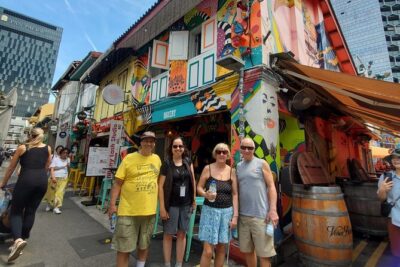
Chinatown, Little India, Kampong Gelam City Highlights Tour
Read our review →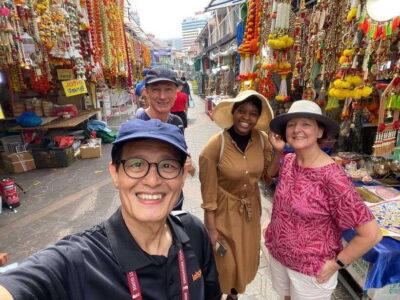
Singapore: Chinatown and Little India Guided Walking Tour
Read our review →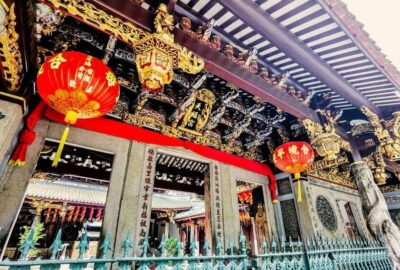
Singapore: Chinatown Historic Walking Tour with Lunch
Read our review →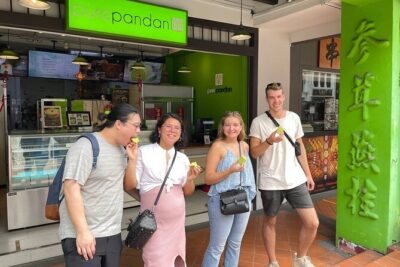
Kampong Glam, Little India & Chinatown with Local Street Food Tastings
Read our review →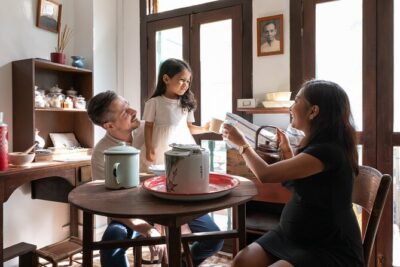
Tasting Trails: Chinatown OR with Kampong Glam, Little India
Read our review →
5 hours Little India, Kampong Glam, Chinatown with 9 Food Tasting
Read our review →Browse the lists this tour appears in